
Japan is an alluring holiday destination for many reasons, from the rich culture and history to the diverse climate it enjoys. One of the reasons that Japan is so rich in life is due to its geography, which spans subtropical to subarctic climates. This beautiful nation’s geography also places it across several tectonic plates, which can increase the chances of natural disasters.
Spring and autumn are generally stable seasons, but travellers should still be aware of secondary hazards such as landslides, flooding, and sudden weather shifts.
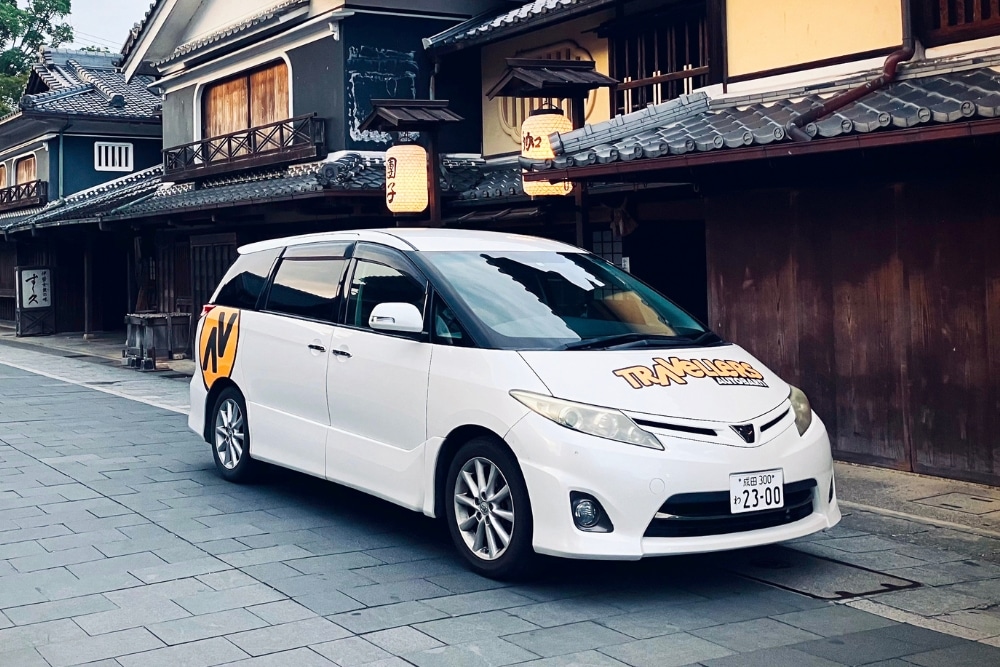
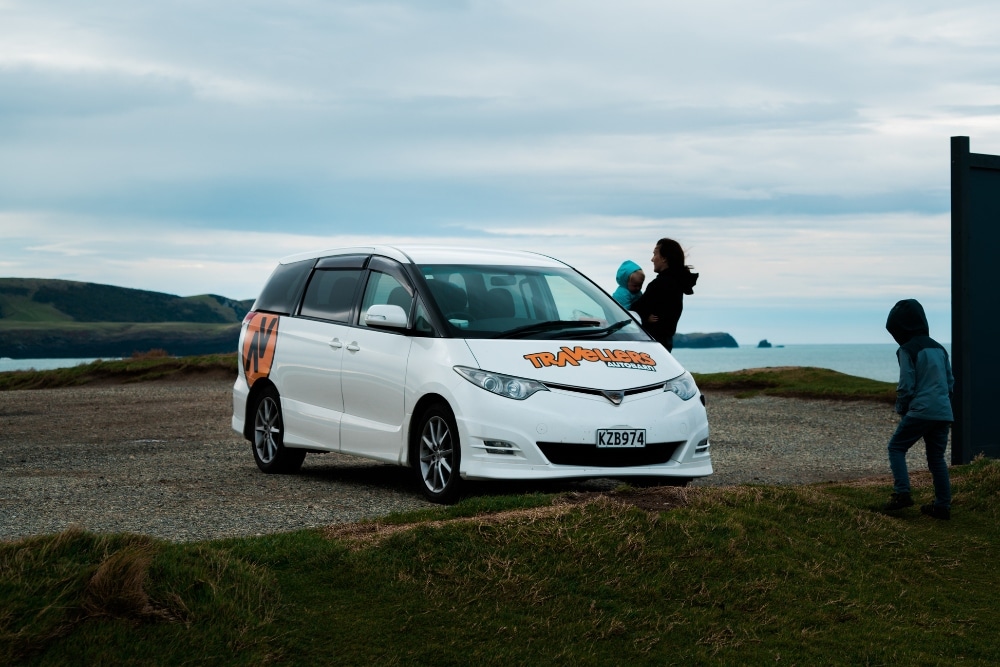
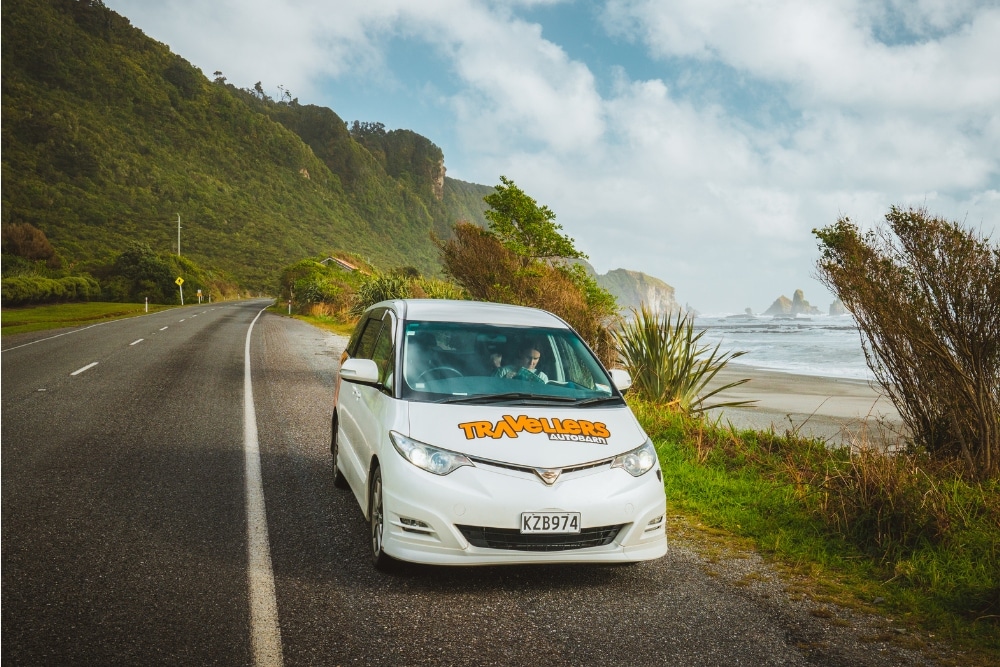
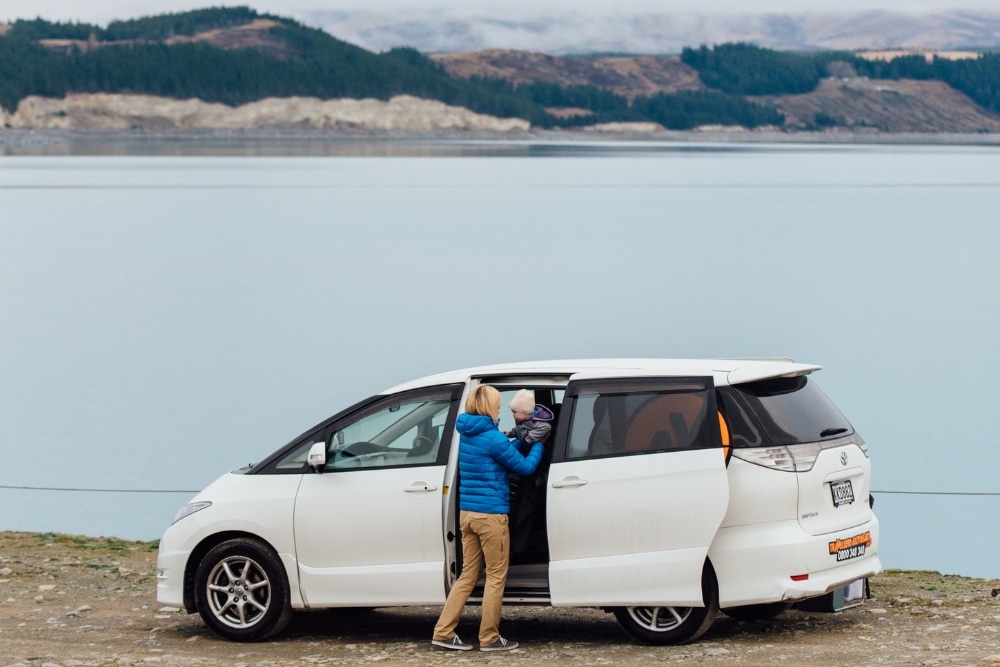
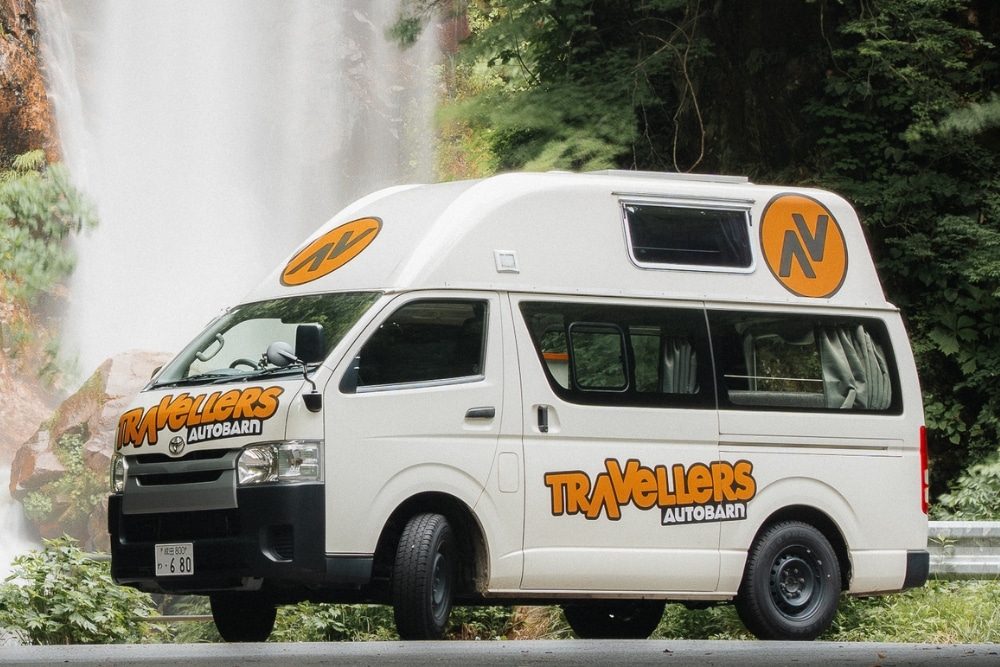
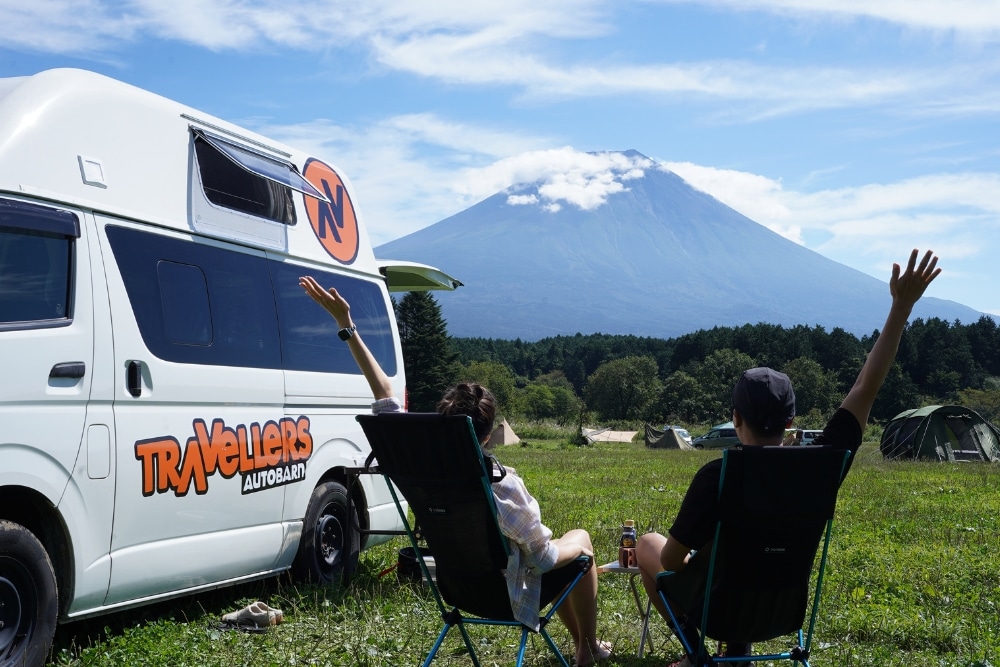
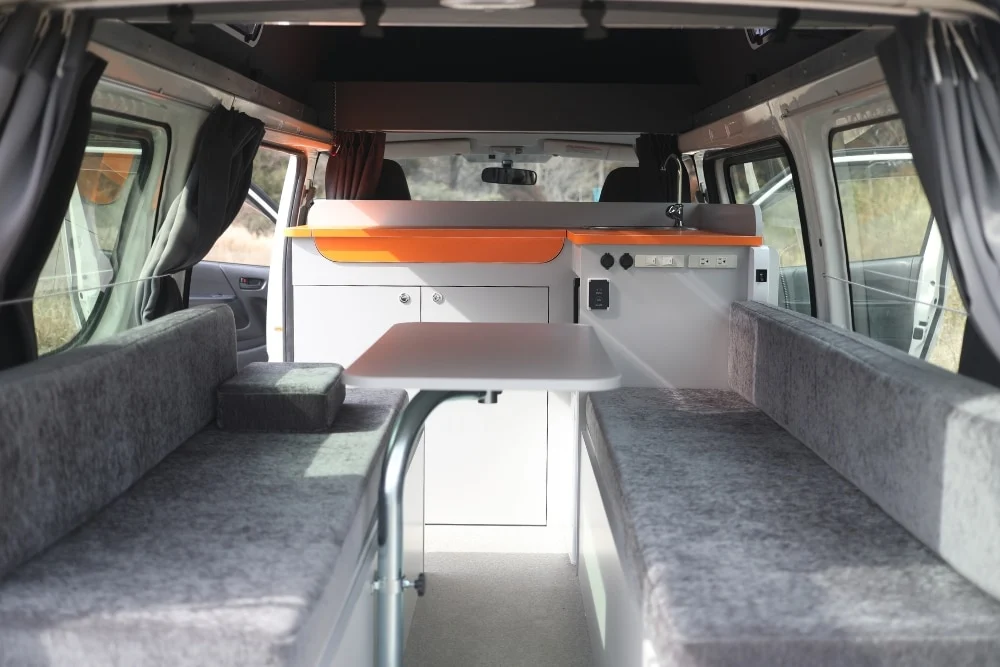
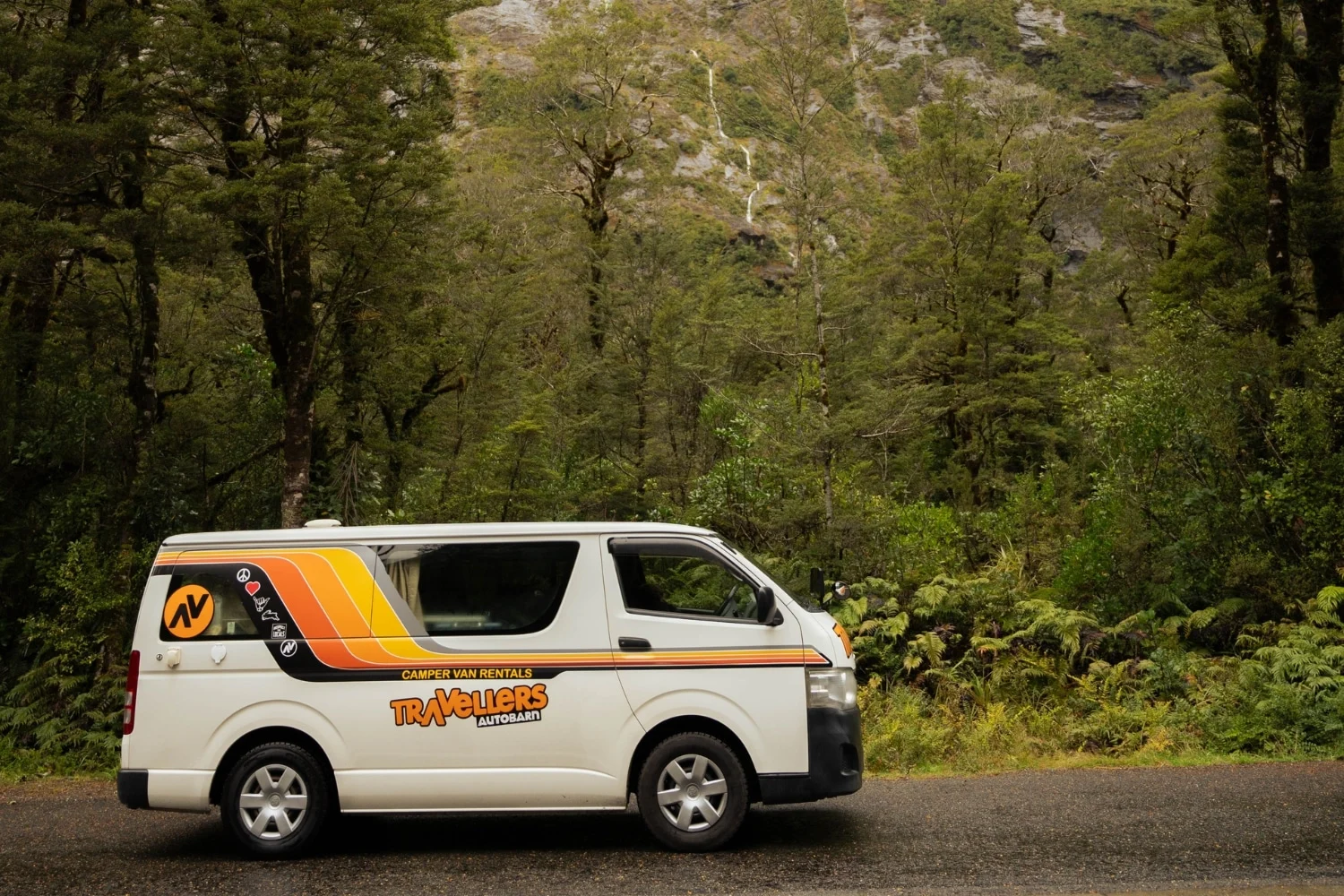
When you’re travelling by campervan, your vehicle becomes both transportation and accommodation. This gives you mobility and flexibility, but it also means you need to be prepared for changing conditions. In this article, we’ll discuss road trip safety in Japan and how to stay safe in the unlikely event of a natural disaster.
What Natural Disasters Affect Japan?
Japan has an incredibly unique topography, largely due to lying across several tectonic plates known as the Ring of Fire. Its position across several tectonic plates means that Japan experiences a range of natural disasters. These include:
Earthquakes
Japan experiences thousands of small earthquakes each year, though most are too weak to cause damage. Campervan travellers should learn the basics, such as staying inside the vehicle during shaking if you’re already seated, or moving to an open space if you’re parked and outside.
Typhoons
Typhoons typically occur from June to October. They bring strong winds, coastal flooding, and heavy rain. If travelling during these months, plan routes with flexibility and check storm forecasts daily.
Volcanic Activity
Japan has numerous volcanoes, including its most active, Sakurajima. While major eruptions are rare, localised alerts can affect access to parks, onsen towns, and mountain roads.
Landslides and Flooding
Heavy rain can trigger landslides in mountainous areas. Always pay attention to road condition updates and avoid driving through flooded streets.
Before You Depart: Essential Preparation Steps
Preparation is a great way to ease your mind and have a plan of action in the event of a natural disaster. Although the chances of experiencing a significant natural disaster are quite rare, it is always advisable to know what to expect. Below, we’ve outlined some preparation tips to help keep you safe if a natural disaster occurs during your RV trip:
Learn the J-Alert System
Japan’s national emergency warning system, known as the J-Alert System, sends alerts to smartphones in the event of a natural disaster. Notifications include:
- Earthquake early warnings
- Tsunami alerts
- Extreme weather
- Civil emergency information
Travellers using foreign SIMs may not always receive alerts, so consider downloading apps like Yurekuru Call, Safety Tips, or enabling alerts through your rental Wi-Fi device.
Plan Flexible Routes
When mapping a multi-day itinerary, it’s advisable to have a plan B in your back pocket, just in case. So, consider:
- Identifying alternative roads
- Avoiding known landslide-prone mountain routes after heavy rain
- Saving offline maps in case of connectivity issues
- Pre-marking emergency facilities such as police boxes (koban), fire stations, and hospitals
Disaster-Ready Packing List for Campervan Travel
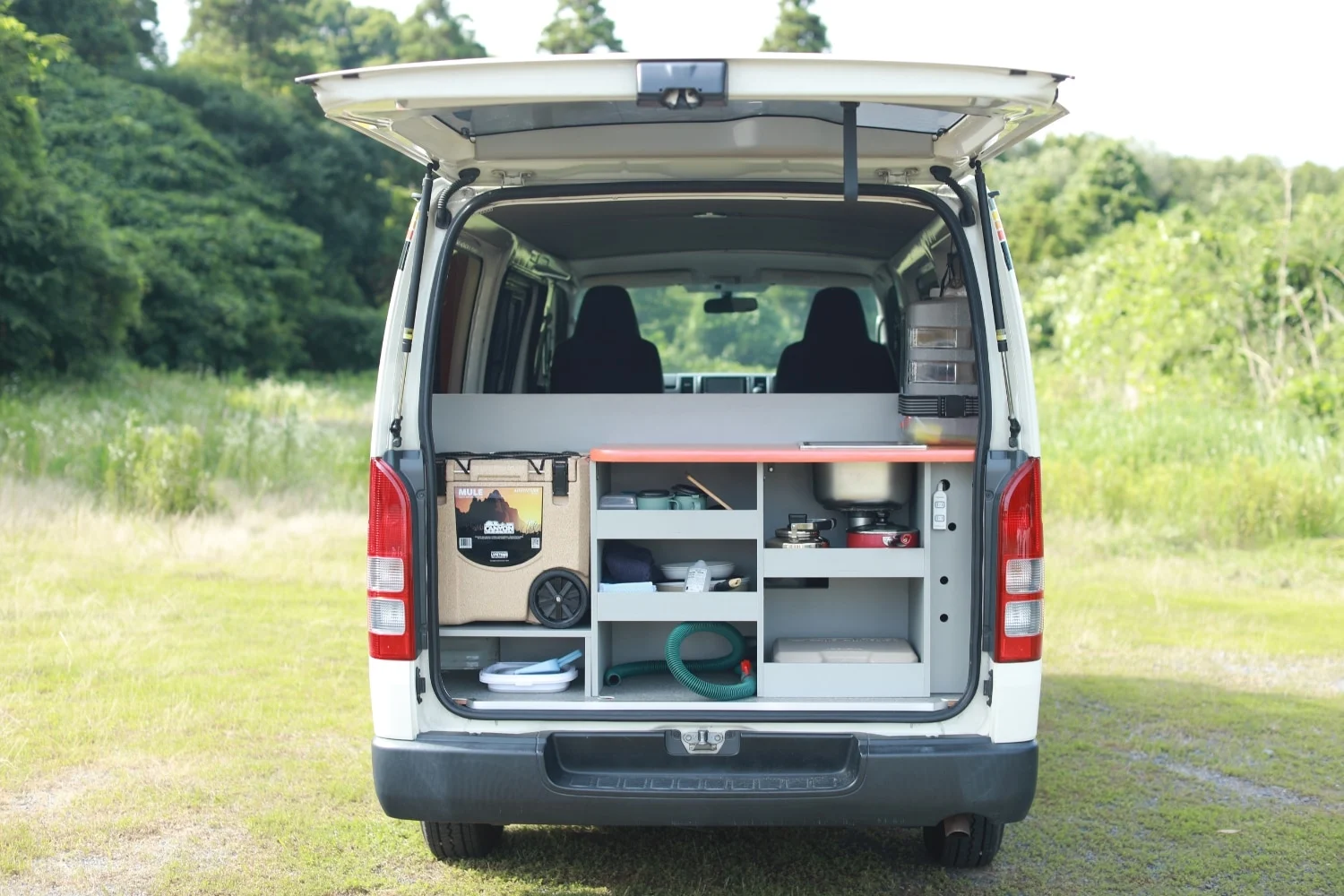
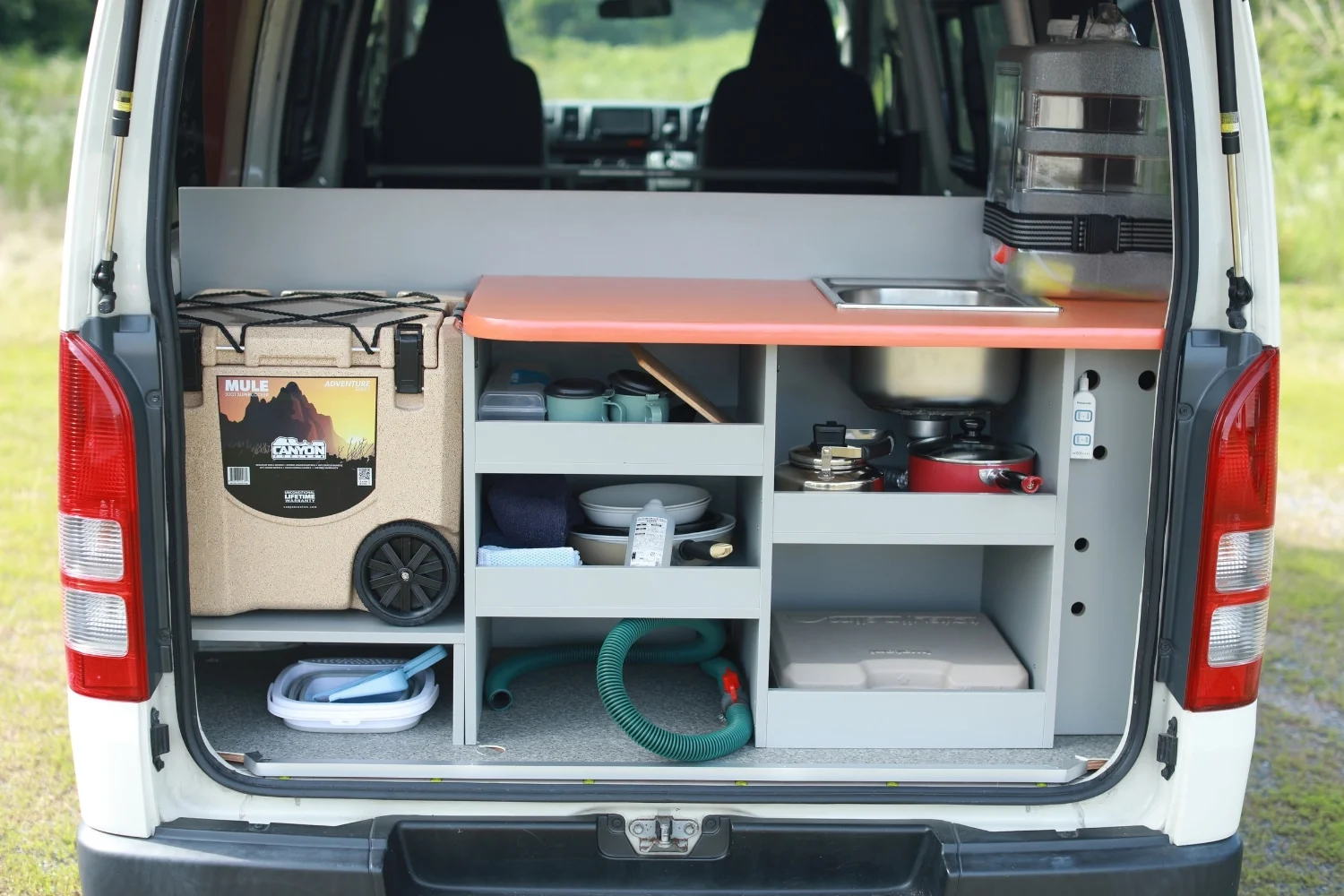
Even with Japan’s strong infrastructure, it’s a smart idea to carry a compact emergency kit in your RV. Recommended items include:
- First aid kit
- 2 to 3 days of drinking water
- Non-perishable food (energy bars, nuts, instant meals)
- Portable phone battery pack
- Flashlight with spare batteries
- Multi-tool or Swiss army knife
- Gloves and dust mask
- Warm blanket or thermal sheet
- Paper maps of your route
- Waterproof bag for documents and electronics

How to Respond During an Earthquake
Earthquakes can pose a serious risk, especially if you are driving along mountainous roads in your RV. So, if you are driving and feel an earthquake, make sure you:
- Reduce your speed gradually, do not brake suddenly.
- Pull over to a safe area away from overpasses, tunnels, trees, and utility poles.
- Stay inside the vehicle with your seatbelt fastened until the shaking stops.
If you are parked during an earthquake, then the advice is to stay in your campervan and protect your head with pillows or blankets. If you’re outside, then move to an open area away from potential falling hazards.
Once the shaking has stopped, it is a good idea to listen to local radio or mobile alerts for potential tsunami warnings. If the coast ahead is clear, then check your vehicle for any damage before setting off. You should drive cautiously, as traffic lights may be out, and roads could be damaged.
Staying Safe During Typhoons and Severe Weather
If a typhoon is forecast, the safest strategy is to stop driving early and shelter in place. Japan provides excellent rest areas, campgrounds, michi-no-eki (roadside stations), and well-marked evacuation centres. Some best practices include:
- Parking in elevated areas away from rivers and coastlines.
- Avoid parking under trees or near unstable slopes.
- Do not attempt river crossings or drive through water.
- Monitor live updates through NHK News or local municipal websites.
What Travellers Should Know About Volcanic Alerts
Many popular destinations, such as Aso, Hakone, and Sakurajima, have active volcanoes. If you are visiting a location with an active volcano, it is useful to check the Japan Meteorological Agency’s volcanic alert level. This will give you an indication of the threat level. You should also obey any exclusion zone signs you see.
The good news is that campervans allow you to quickly move away from restricted zones if alerts rise. So, if there is a risk of an active volcano eruption, you can just leave the area.
Finding Safe Places During an Emergency
One of the best things you can do for your safety during a natural disaster is find suitable shelter. Japan offers various places of refuge for people caught in a natural disaster, but you need to know what to look for. Examples include:
Evacuation Shelters
Almost all towns in Japan designate schools and community centres as emergency shelters. Look for signs labelled 避難所 (hinanjo).
Michi-no-Eki Road Stations
These government-operated rest areas often provide reliable shelter, food options, bathrooms, and information desks. Their open parking makes them a safe place to wait for updates.
Campgrounds and RV Parks
While usually safe, avoid campgrounds if possible if they are:
- Near rivers during heavy rain
- On slopes after earthquakes
- Near coastlines during tsunami alerts
Low-lying coastal areas are risk zones immediately after a major earthquake.
Stay Aware, Stay Prepared, Travel Confidently in Your RV Across Japan
Natural disasters can sound intimidating, but Japan’s emergency infrastructure is among the best in the world. With smart planning, route awareness, and a well-equipped vehicle, you can safely enjoy the freedom of a campervan and explore Japan with confidence. A thoughtfully prepared traveller is a resilient one. With the right preparation, your road trip will be richer, safer, and more enjoyable.
About the Author

Mayumi
I love nature and travel. I have lived and traveled in some countries and seen many cultures. I would love to share stories of Japan so that visitors can learn more about this wonderful and unique culture and have an unforgettable and enjoyable trip.


Our Campervans