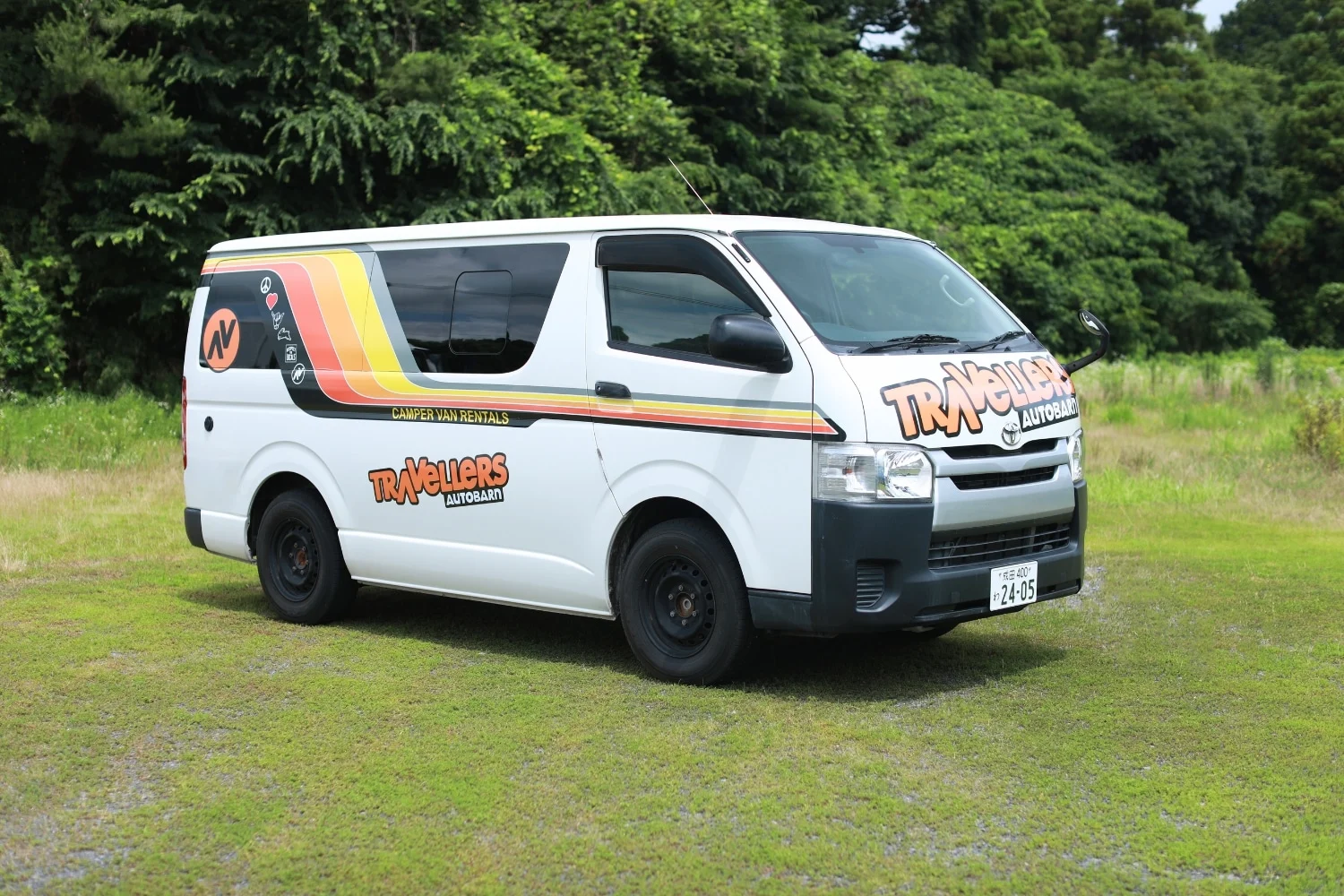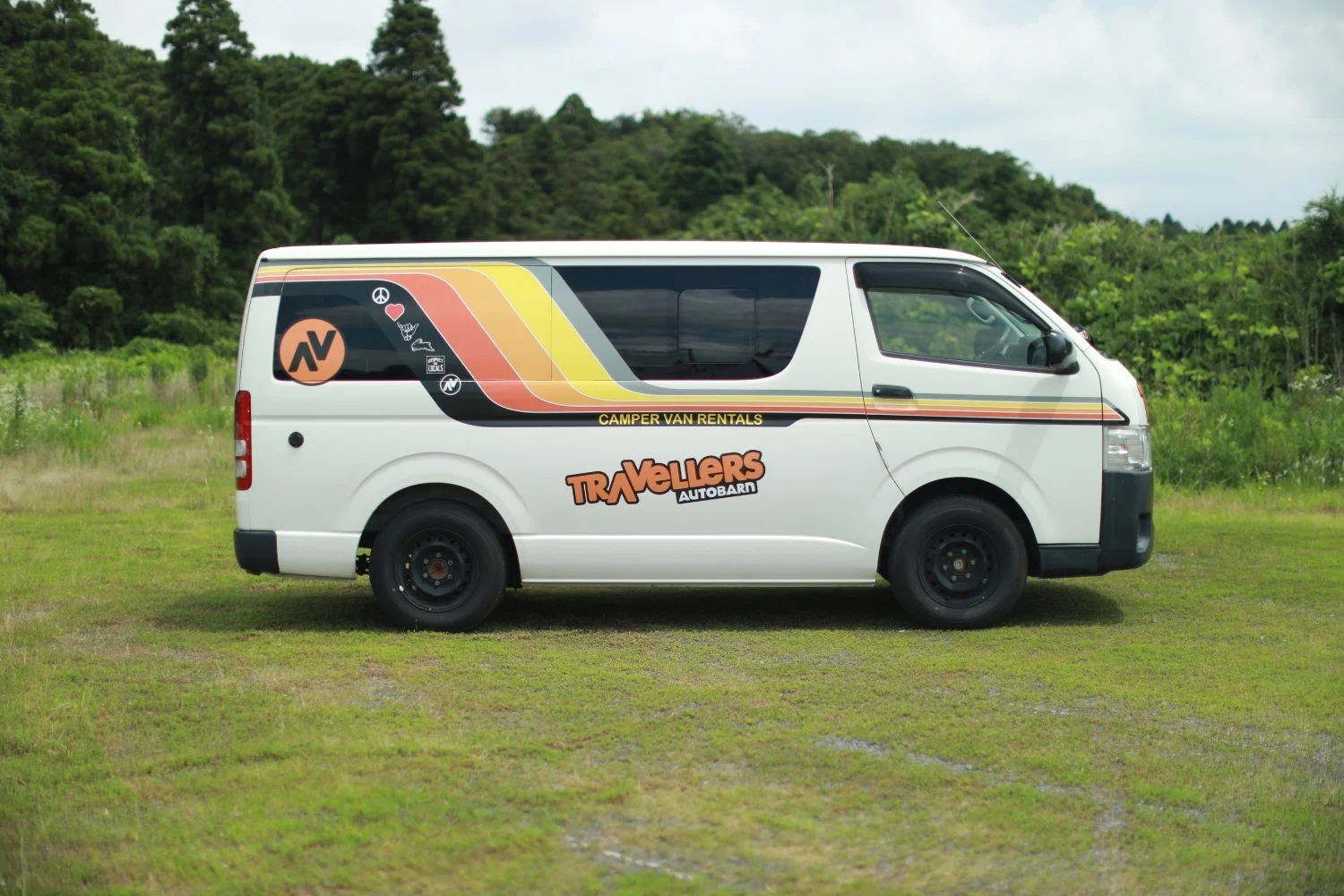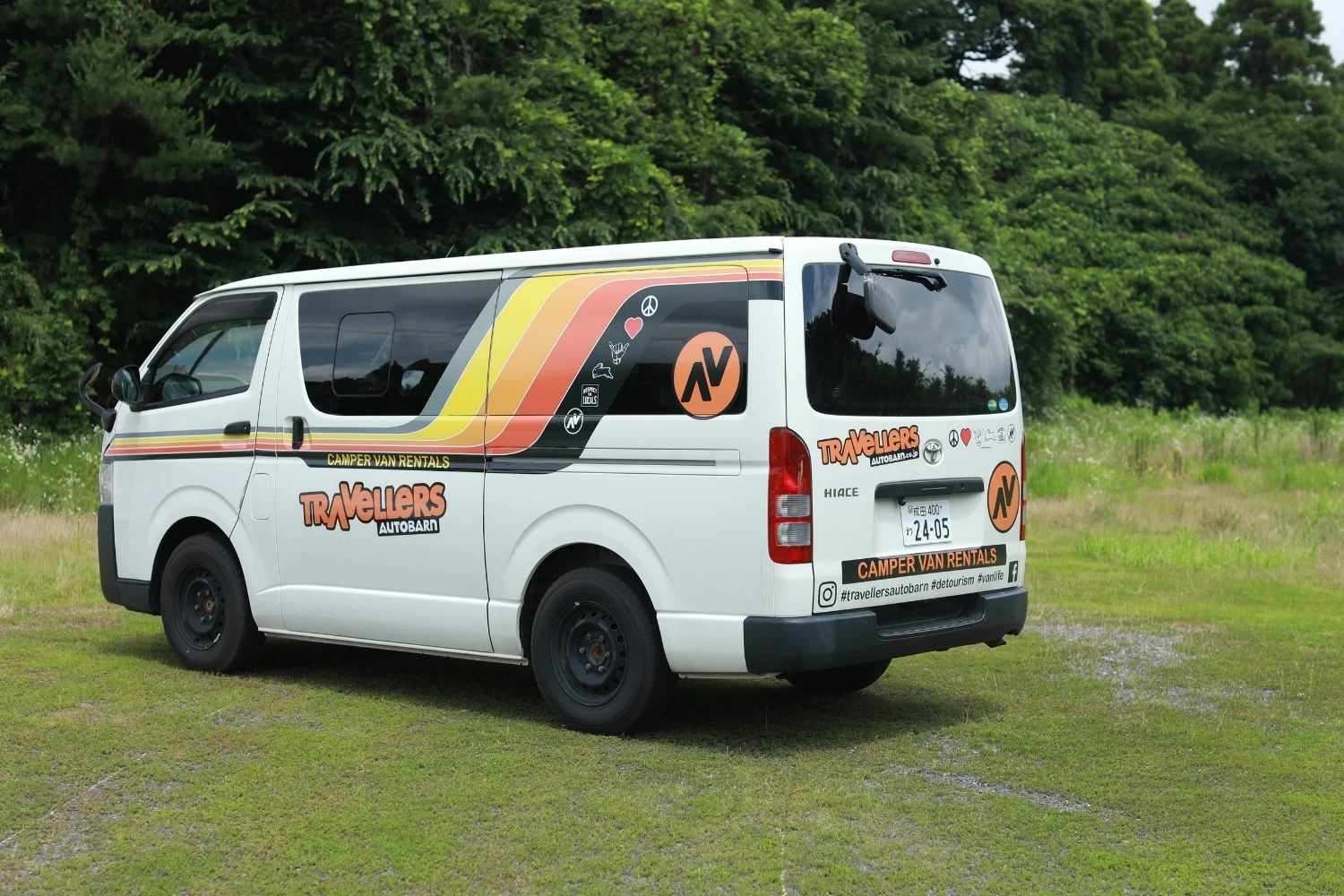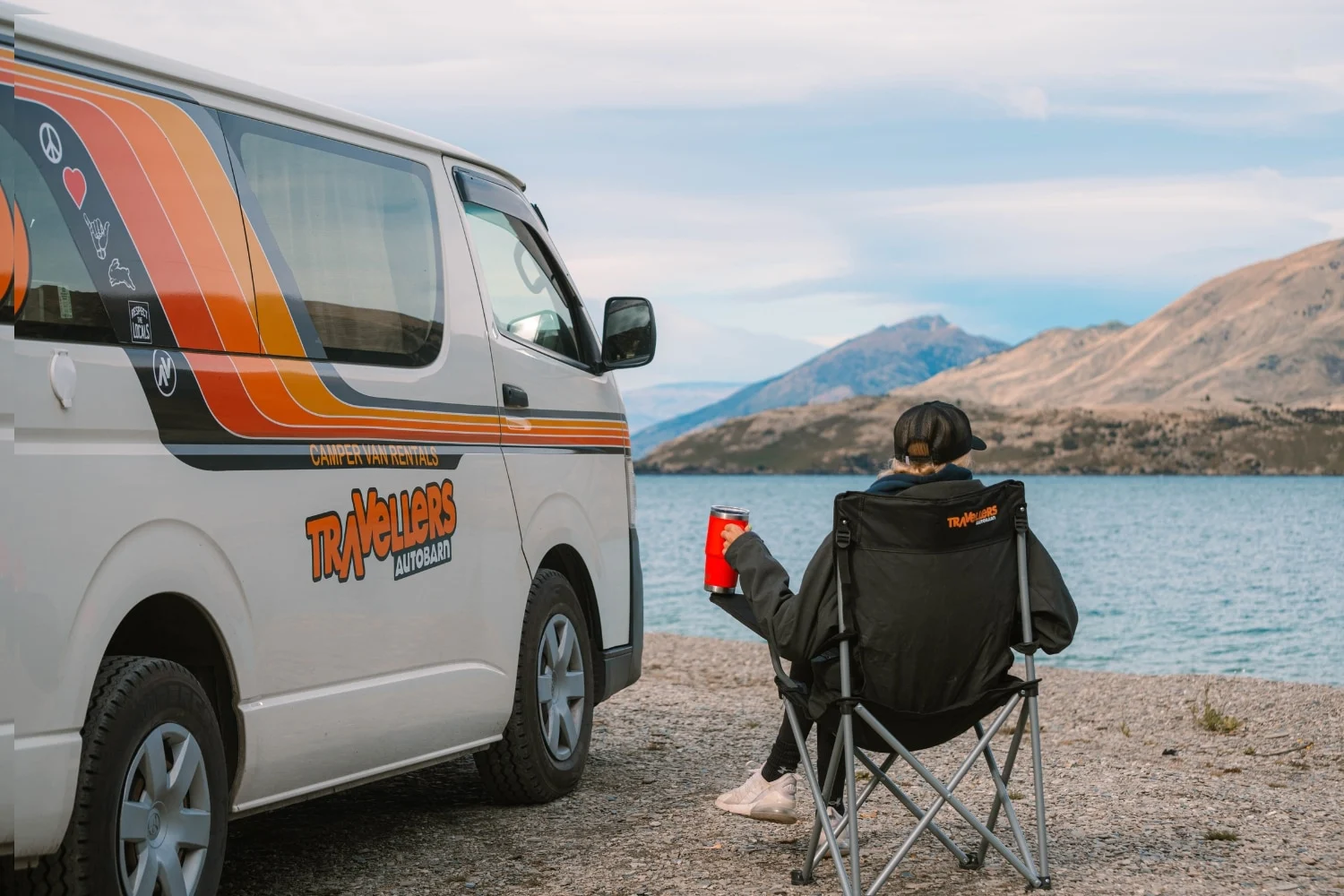

One of the quiet joys of RV travel in Japan is how seamlessly traditional culture supports modern road trips. After a long day behind the wheel or hiking through mountain valleys, few experiences feel better than soaking in a hot bath.
Public bath facilities, both sento and onsen, are scattered across the country and are perfectly suited to RV travellers looking for relaxation, cleanliness, and a deeper connection to local life.
With a little knowledge and etiquette, these baths can become a highlight of your journey rather than an intimidating unknown. So, this article will provide you with guidance for using public bath facilities during your Japan RV road trip.
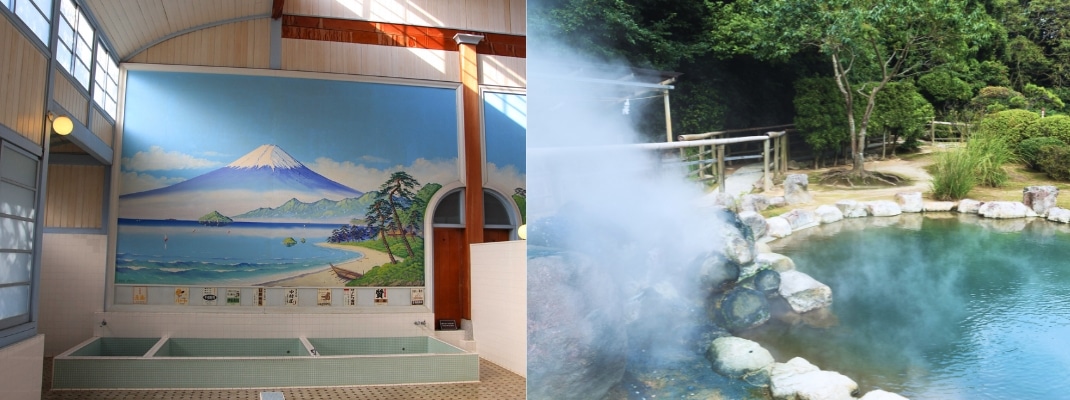
Sento vs Onsen: What’s the Difference?
Japan’s rich history and culture is deeply tied to public baths. Sento and onsen were initially used for Buddhist purification rituals, and became widespread during the Edo Period (1603 to 1868). Over time, these baths were established throughout Japan for public use. Today, they are a cultural hub that offers social connection, relaxation and a perfect stop-off during your RV trip.
Japan has two main types of public bathing facilities, and both are useful for RV travellers:
- Sento are neighbourhood public baths that use heated tap water. They’re common in cities and towns, inexpensive, and ideal if you just want to wash up after driving all day.
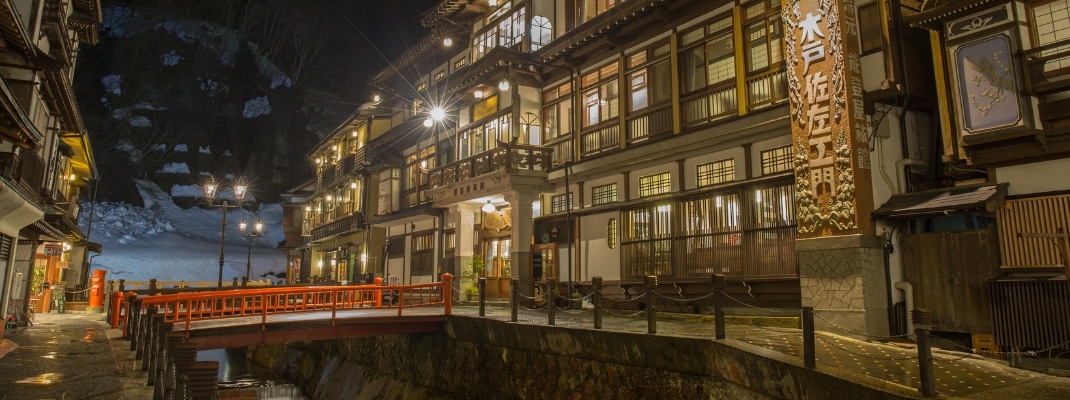
- Onsen, on the other hand, use natural hot spring water and are often located in rural or mountainous areas, exactly where many RV travellers find themselves. Onsen range from simple roadside baths to full resort-style facilities with multiple pools, saunas, and outdoor baths.
Both options typically allow day-use entry, making them perfect evening stops before settling in for the night.
Why Public Baths Are Ideal for RV Travel
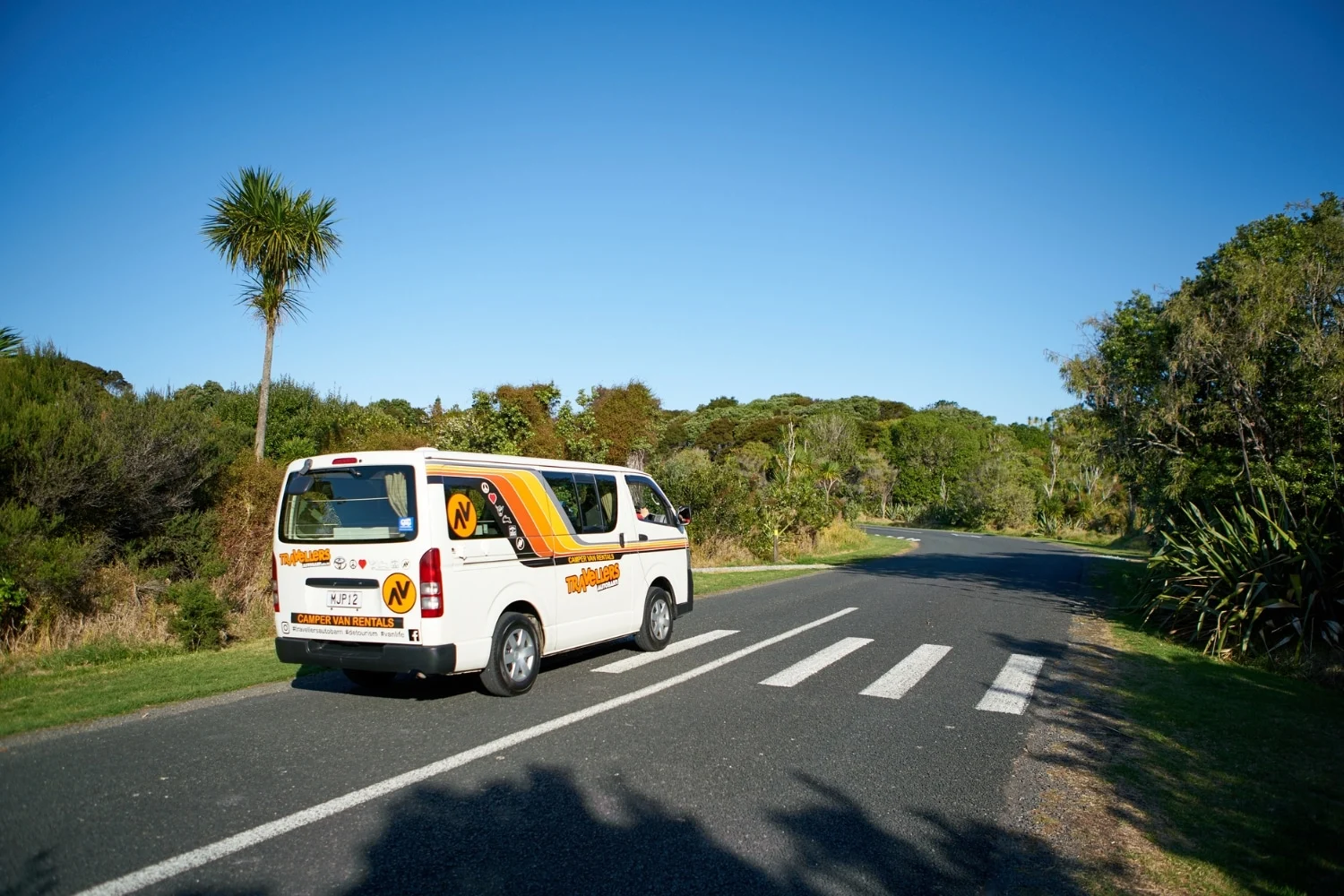
With a campervan rental, Tokyo is just one of the many destinations you will get to see. You get to travel the length and breadth of the country if you’d like to, and you can stop off wherever you’d like to.
With public baths being such a core part of Japan’s culture, RV travellers can really soak up the opportunity for a dip.
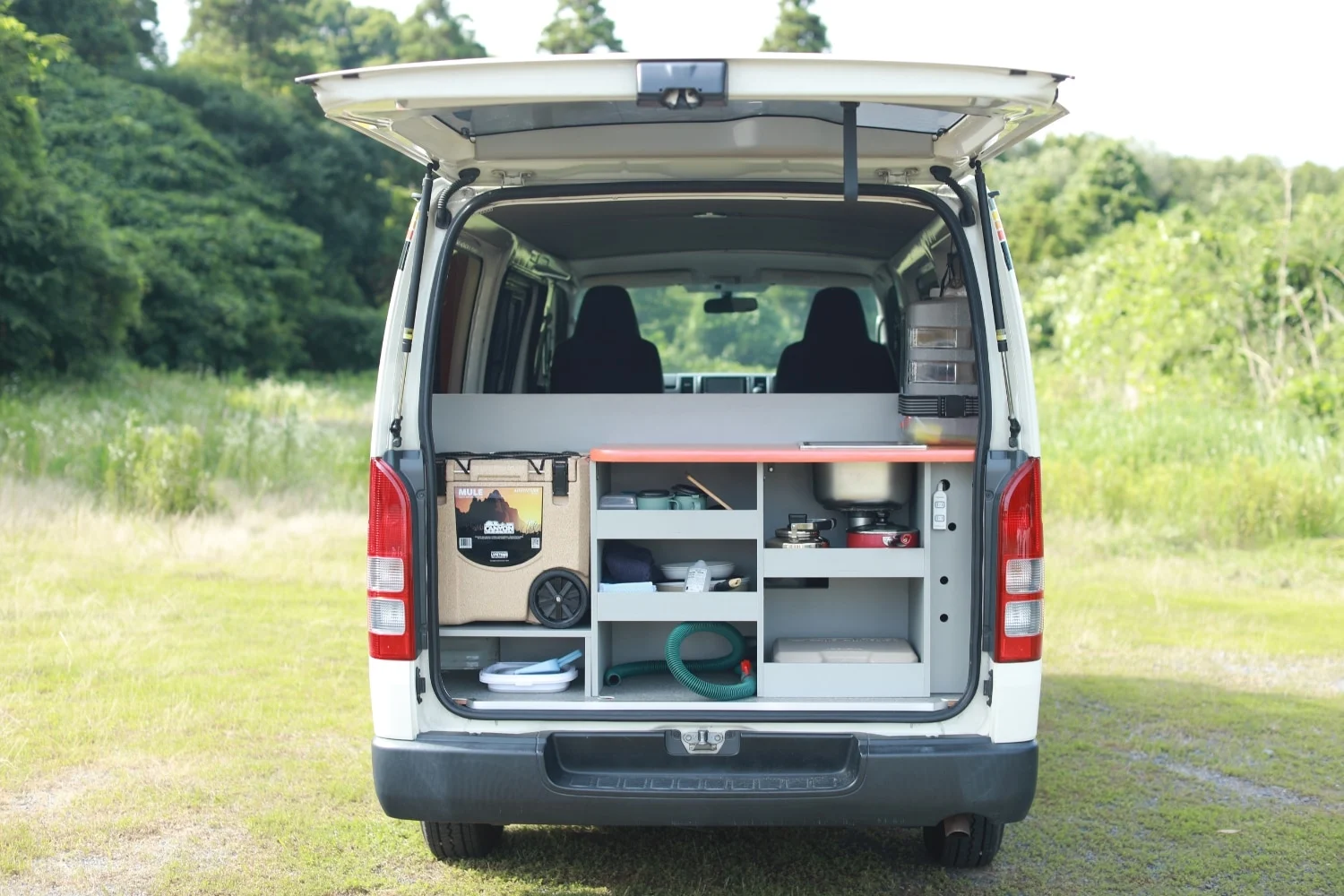
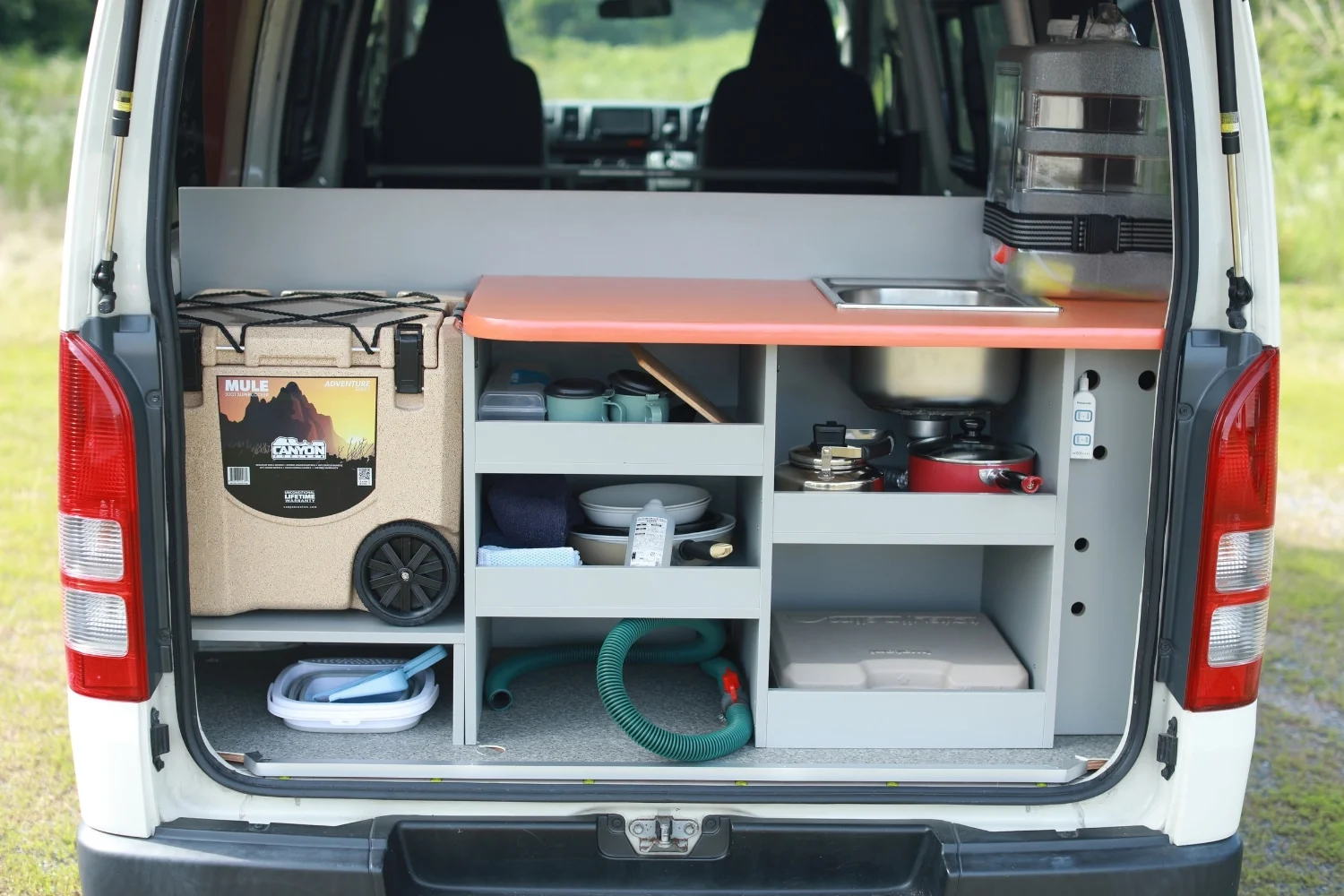
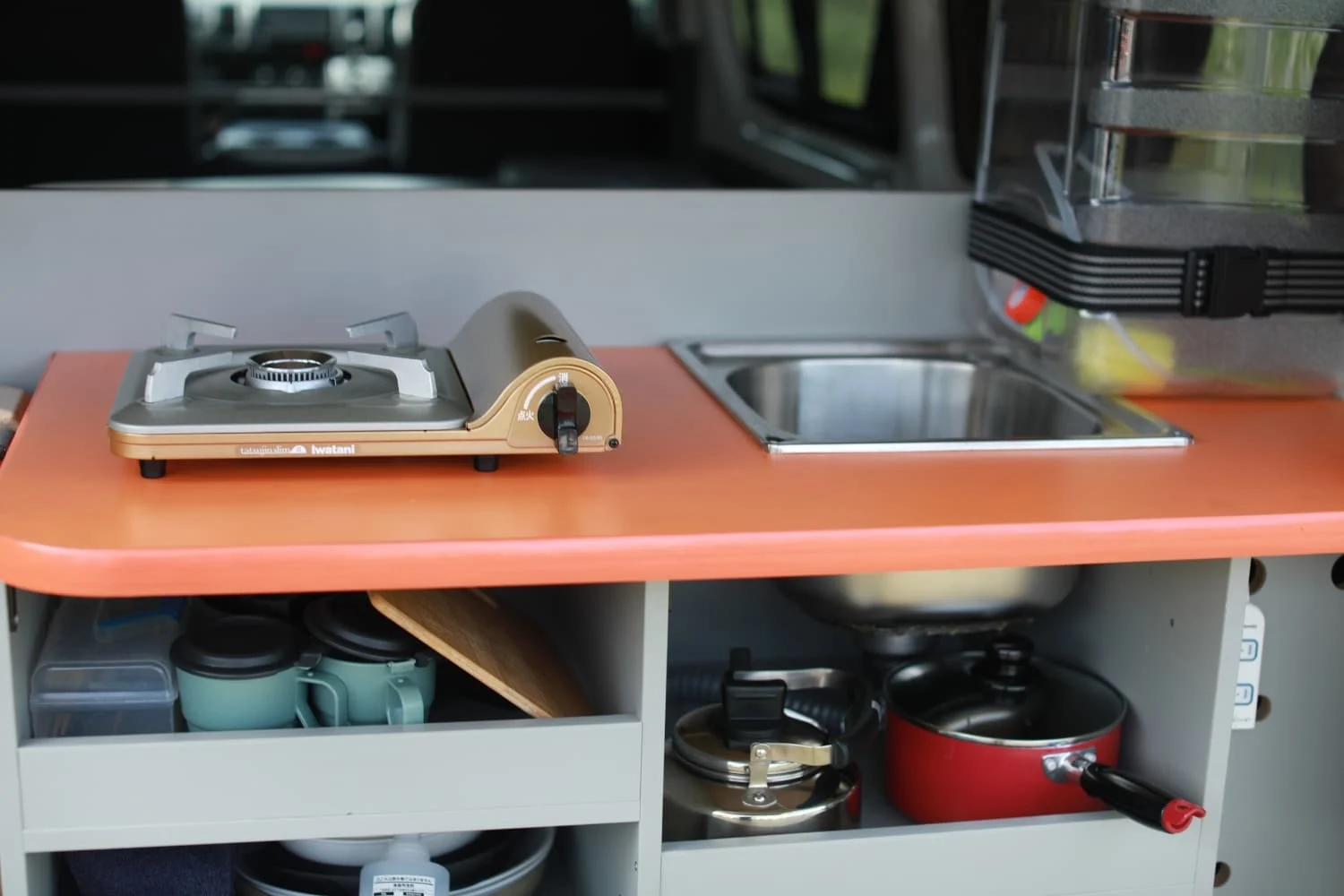
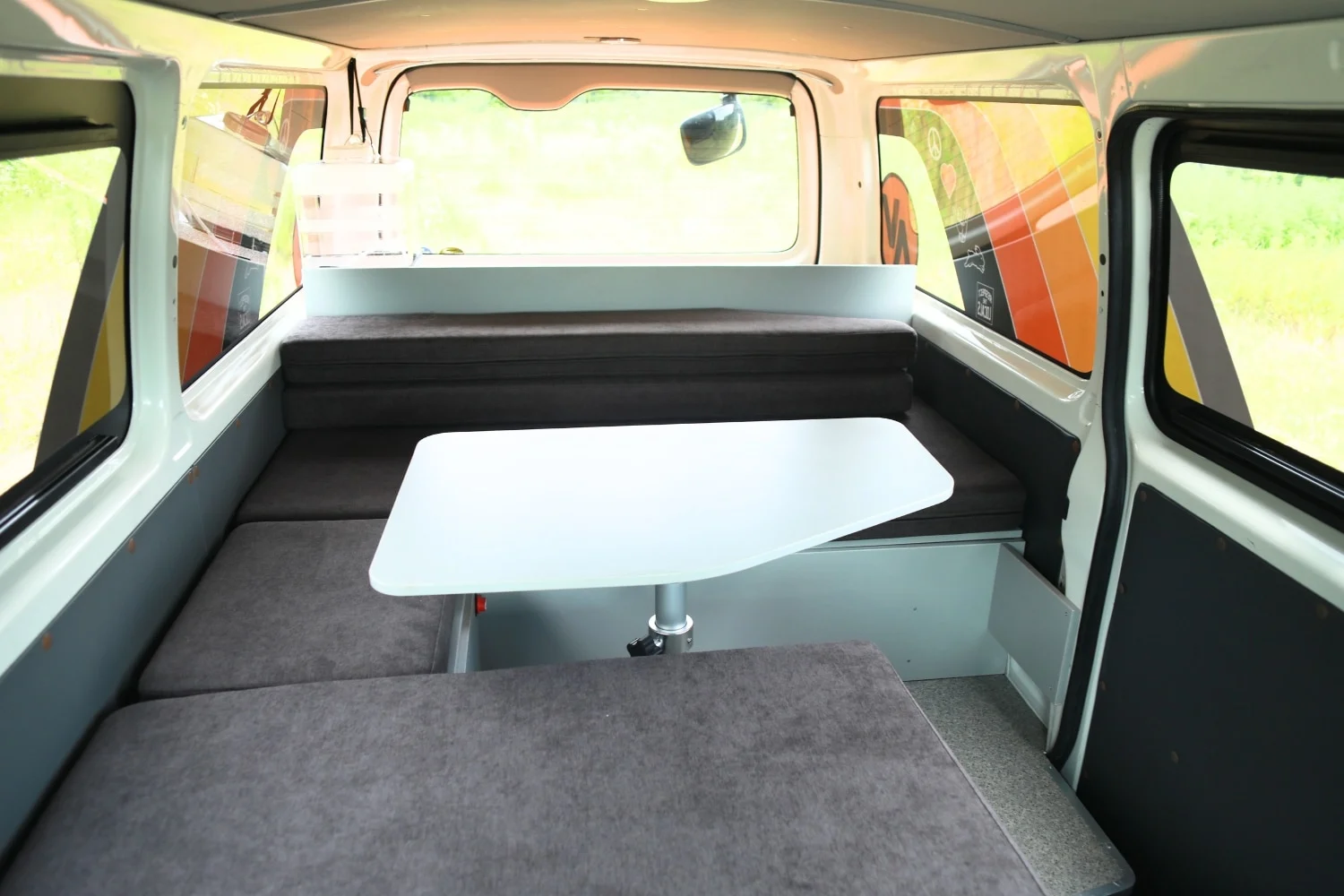
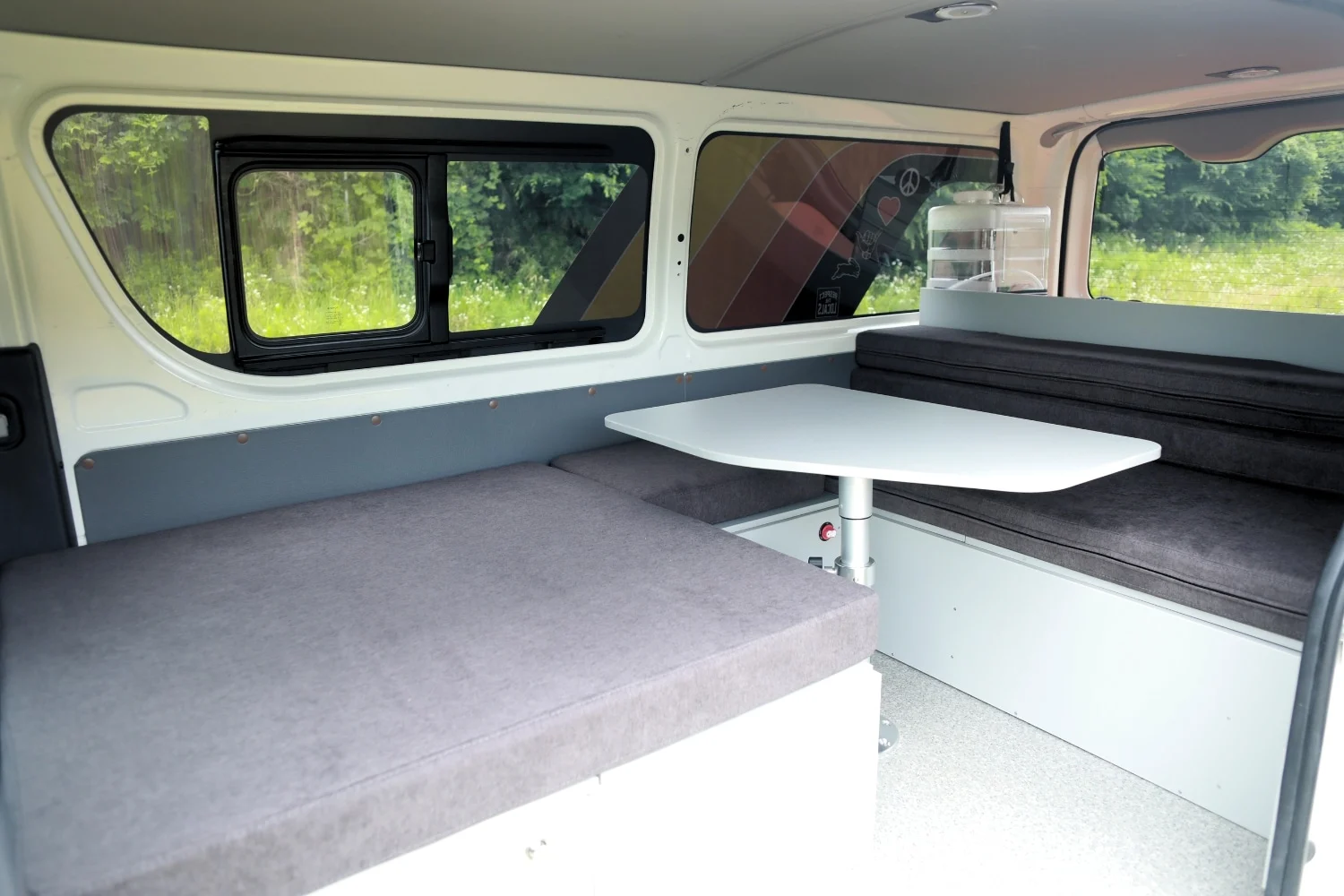
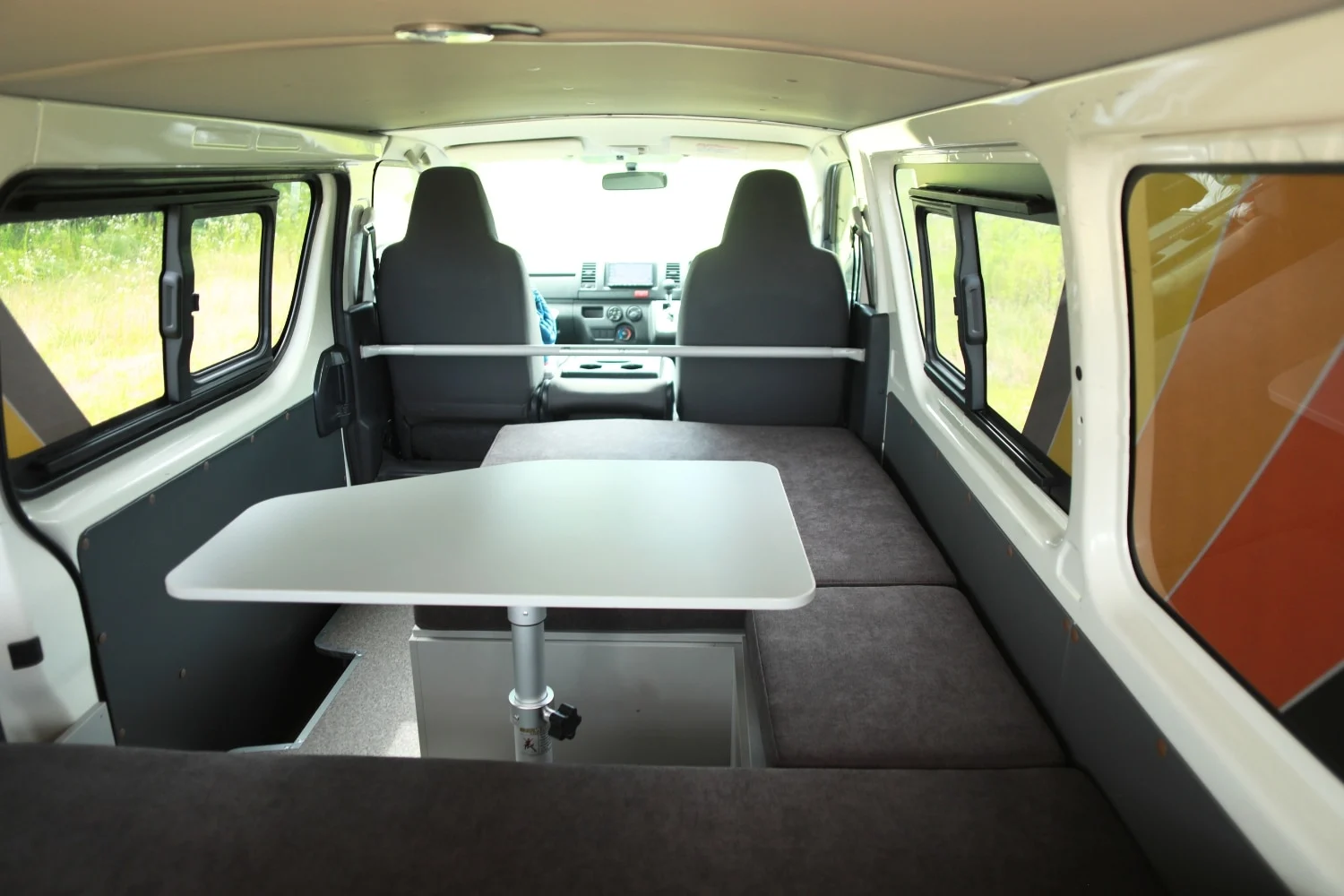
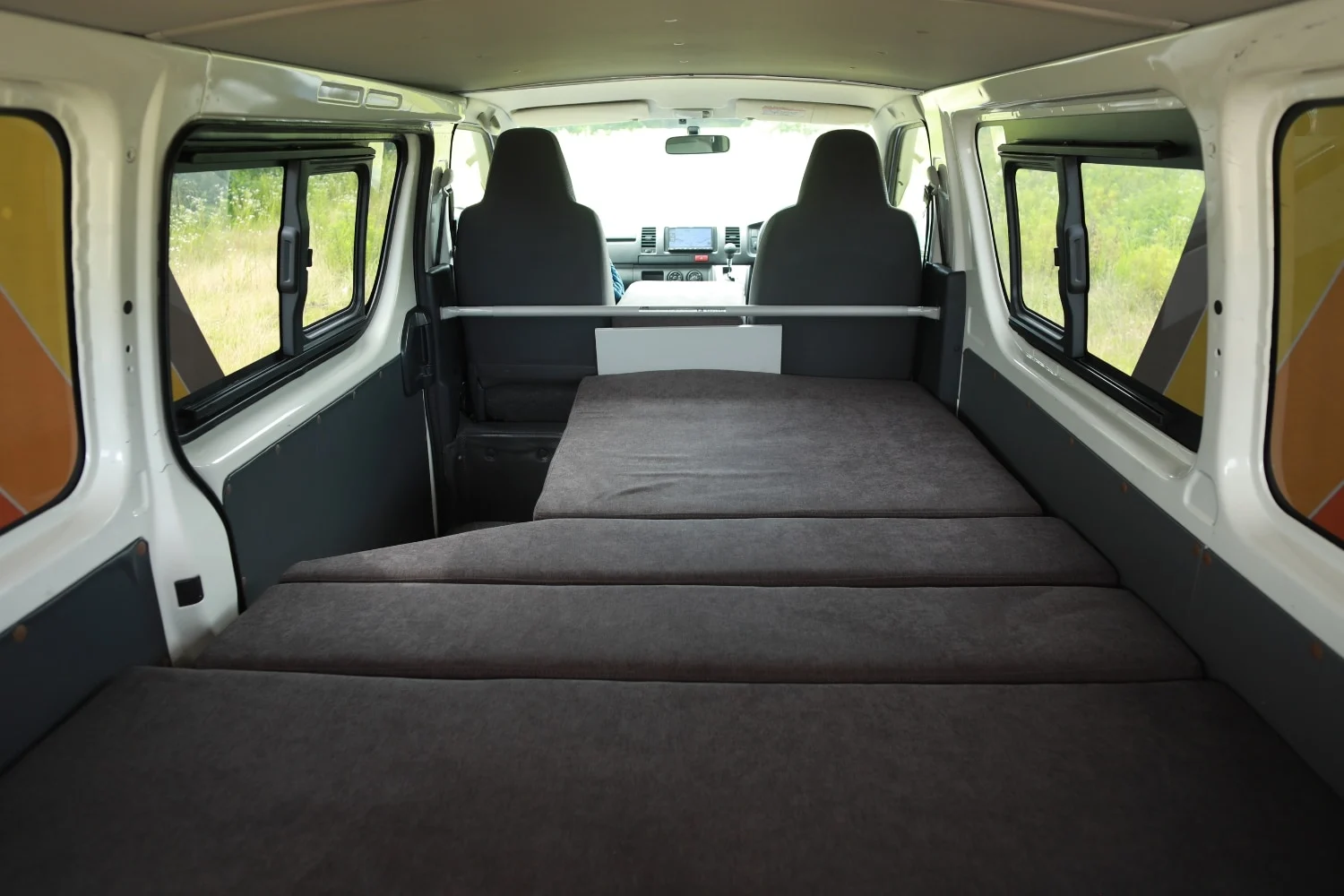
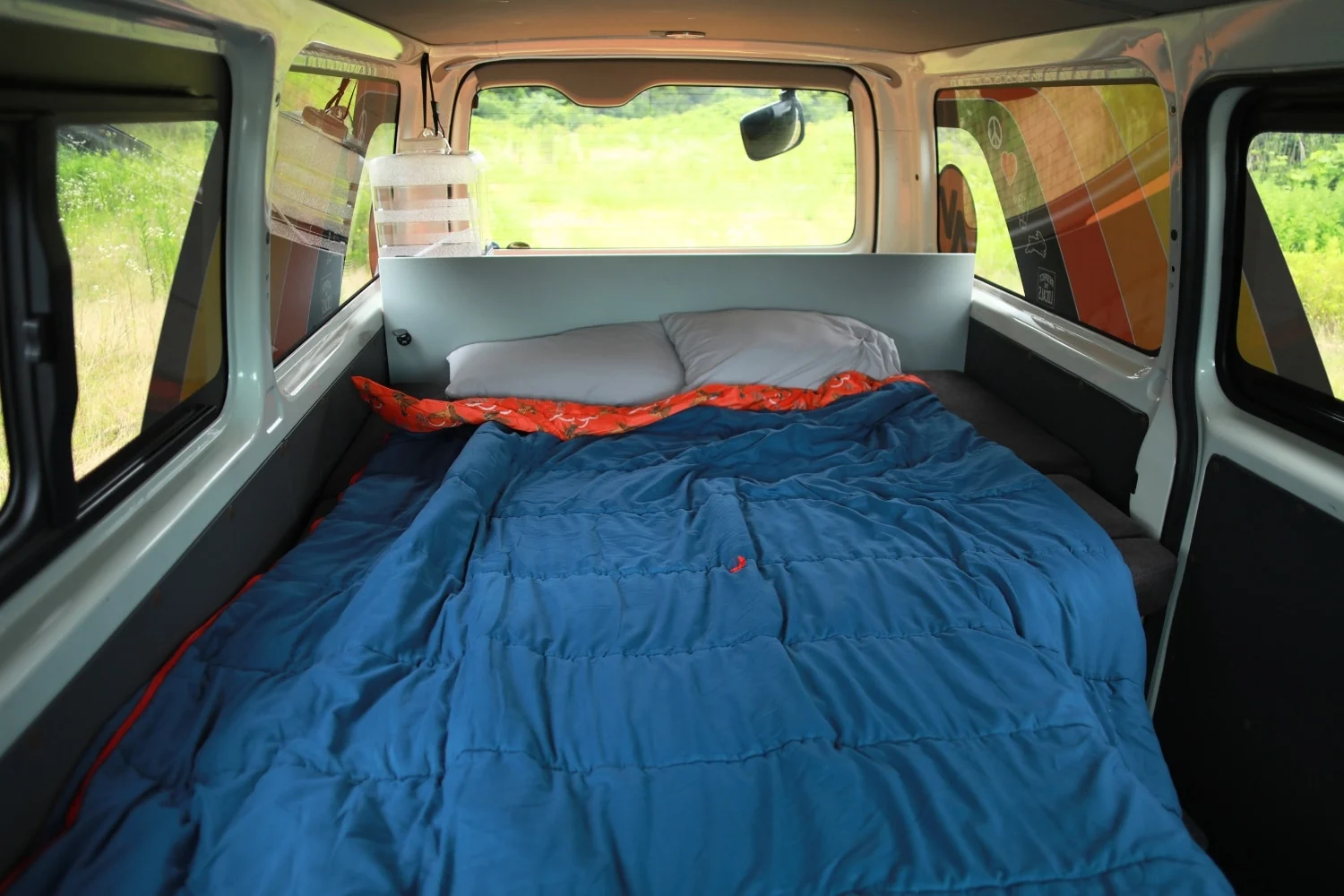
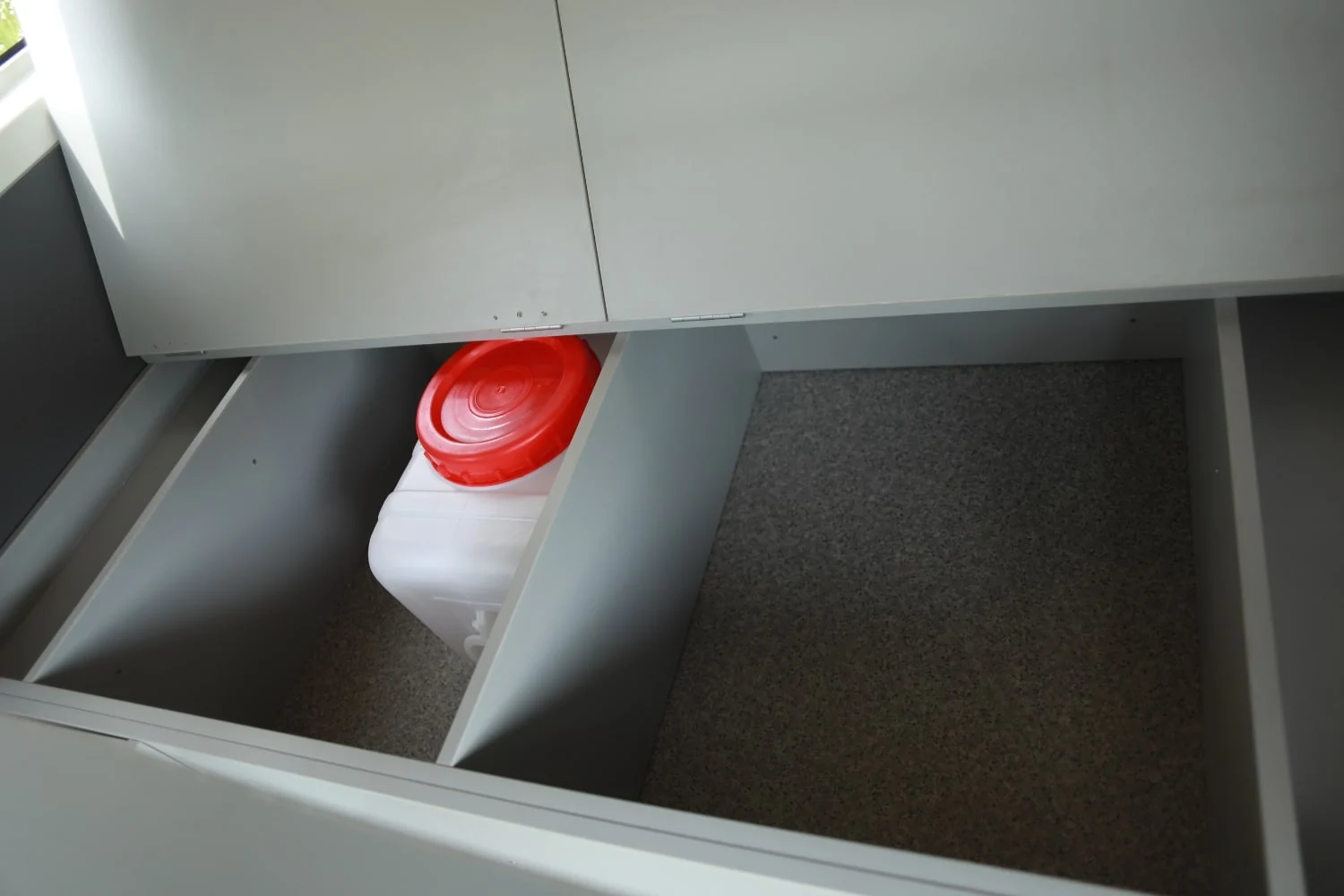
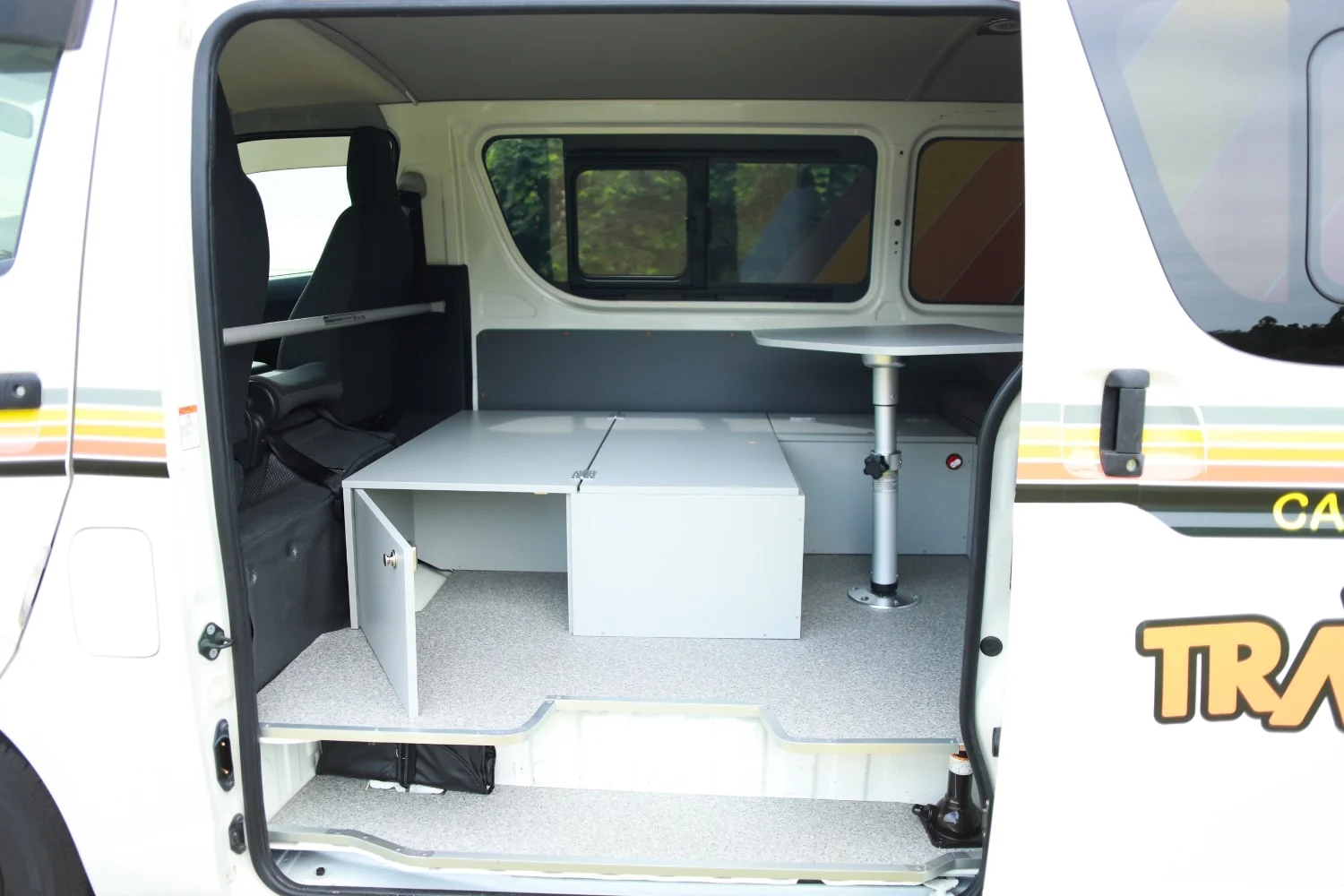
Beyond that, most RVs in Japan are compact, and many lack full shower facilities. Even those that do often have limited water capacity. Public baths solve this problem elegantly. They allow you to:
- Shower thoroughly without worrying about water tanks
- Relax sore muscles after long drives
- Warm up during cooler months
- Experience a deeply local aspect of Japanese daily life
Many baths are open late into the evening, and some even operate 24 hours, making them flexible around driving schedules.
Finding Bath Facilities on the Road
Public baths are surprisingly easy to find if you know where to look. If you’re in a motorhome, Tokyo doesn’t have to be the only place to look for public baths.
Roadside stations (michi-no-eki) often have attached or nearby bathhouses, especially in rural areas. These stops are RV-friendly, with parking, toilets, and local food, making them ideal overnight bases.
Navigation apps and map searches using terms like “onsen,” “sento,” or “day-use bath” will quickly reveal options. Tourist information centres also regularly recommend nearby bathing facilities, especially in hot spring regions.
As a rule of thumb, if you’re driving through mountains or countryside, there’s almost always an onsen closer than you expect.
Parking and Accessibility for RVs
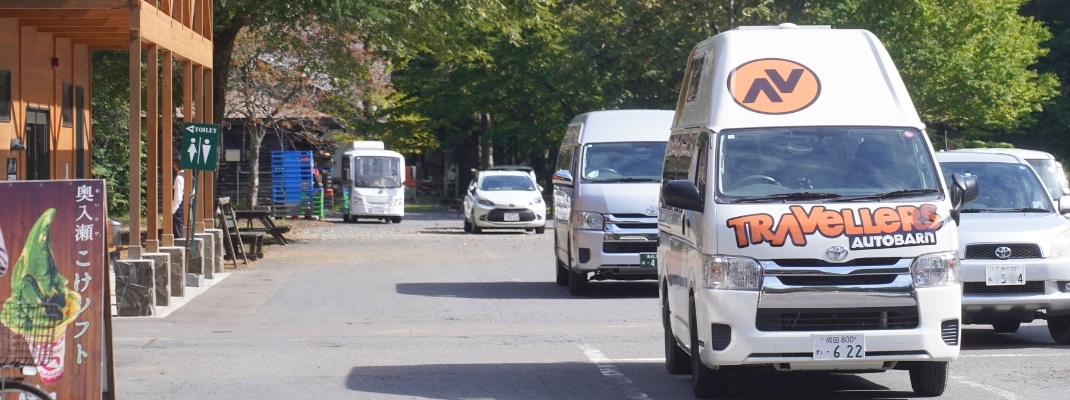
Most public bath facilities have their own parking lots, and many are accustomed to vans and camper vehicles. While extremely large RVs may need to be selective, standard campervans and motorhomes generally have no issues. When in doubt:
- Arrive earlier in the evening to secure a space
- Look for facilities near roadside stations or rural towns
- Avoid peak weekend hours if parking looks tight
You’re not expected to stay overnight unless explicitly permitted, but short stays for bathing are entirely normal.
Bathing Etiquette: What You Need to Know
Japanese bathing etiquette is straightforward but important.
Before entering any bath, you must wash your body thoroughly at the shower stations. Soap, shampoo, and stools are provided at most facilities. Some facilities offer soap and shampoo for either free or for a charge. Enter the bath only after rinsing completely.
Other key points to bear in mind include:
- Towels should never touch the bath water
- Tattoos may be restricted in some facilities (small tattoos can often be covered)
- Children aged 7 and up are restricted from bathing with adults of the opposite sex
- Do not put your hair in the water- long hair should be tied up or covered with a shower cap
- Swimwear is not allowed
- Photography is prohibited
If you’re unsure, watching what locals do or politely asking staff will usually clear things up quickly.
What to Bring (and What You Can Rent)
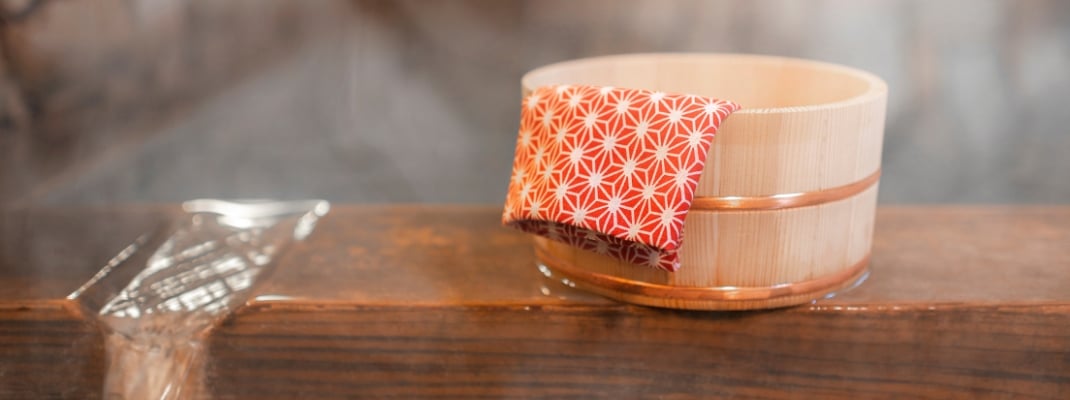
Most bathhouses provide everything you need, even if you arrive straight from the road. They will usually be able to offer you body soap, shampoo, hairdryers and lockers to store your belongings.
Items you may want to bring include:
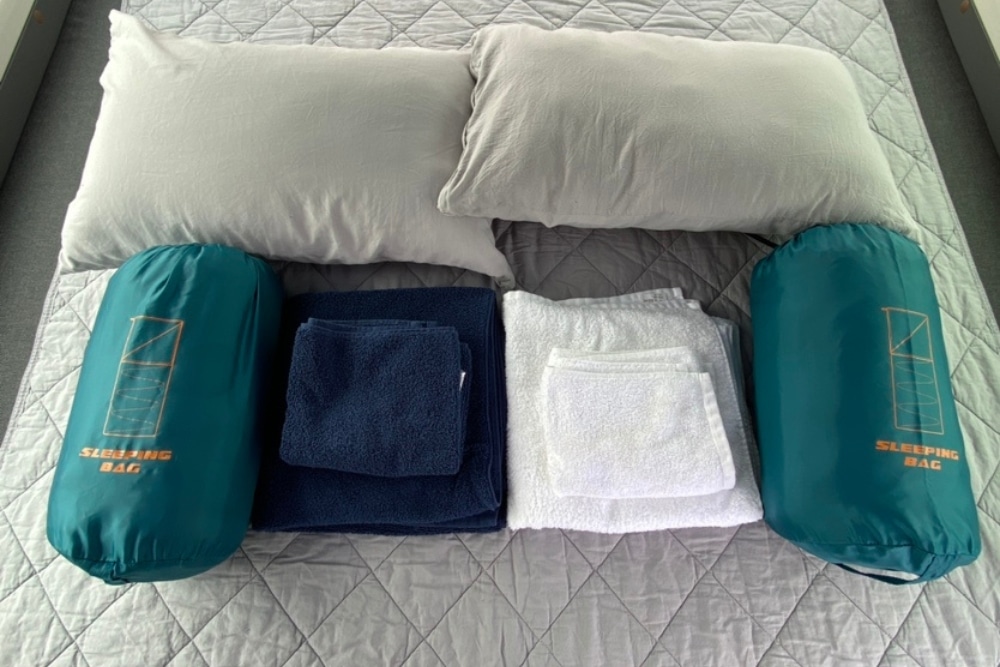
- Your own small towel (or rent one for a small fee)
- A bath towel
- A hair tie or shower cap if your hair is long
- Change for entry machines, lockers, and hair dryers
- Comfortable clothes for after bathing
For RV travellers, keeping a dedicated bathing bag makes spontaneous stops easy and stress-free.
Making Japan’s Public Baths Part of the RV Journey
Once you start using public baths regularly, your RV road trip rhythm changes. You plan routes around hot spring areas, linger longer in mountain towns, and look forward to evenings just as much as destinations.
About the Author

Mayumi
I love nature and travel. I have lived and traveled in some countries and seen many cultures. I would love to share stories of Japan so that visitors can learn more about this wonderful and unique culture and have an unforgettable and enjoyable trip.

Our Campervans