
Travelling in Japan is famously safe, accessible and well-organised, but medical emergencies can still happen during your trip. From sudden allergic reactions and injuries to severe stomach bugs or asthma attacks, it’s important to know what to do in a medical emergency while travelling in Japan.
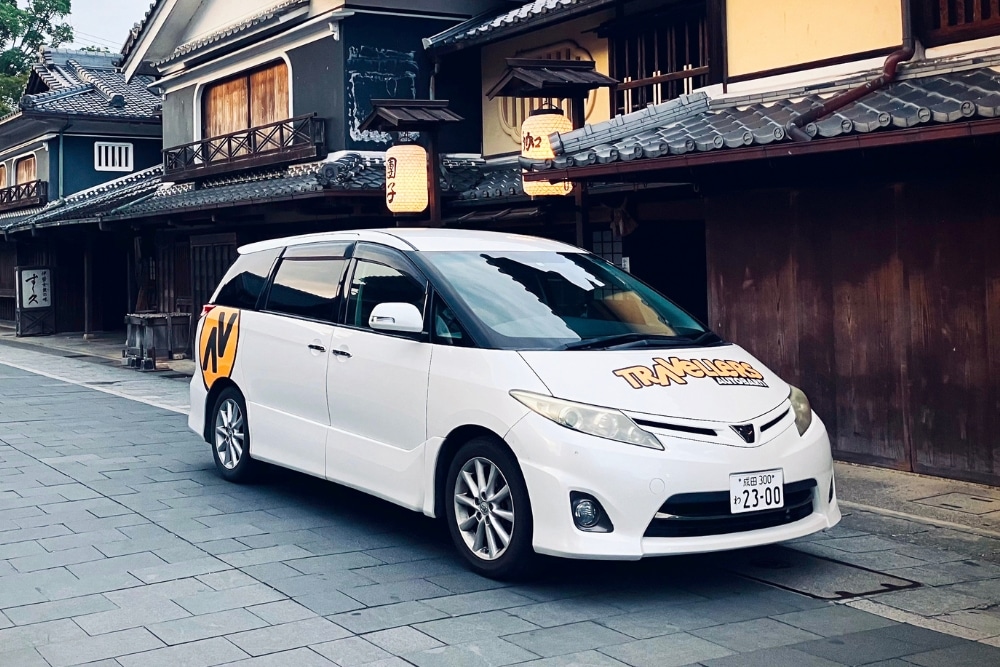
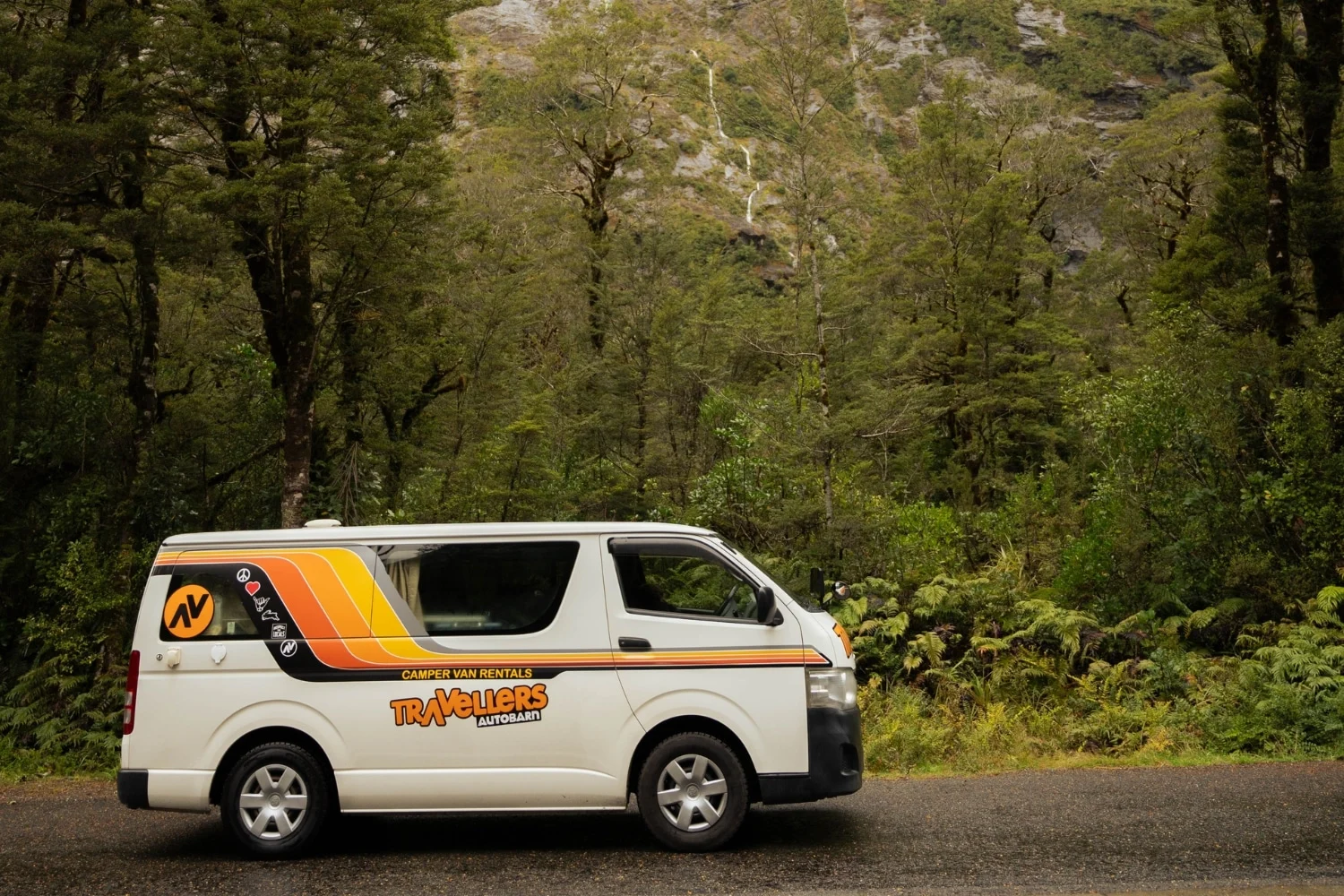
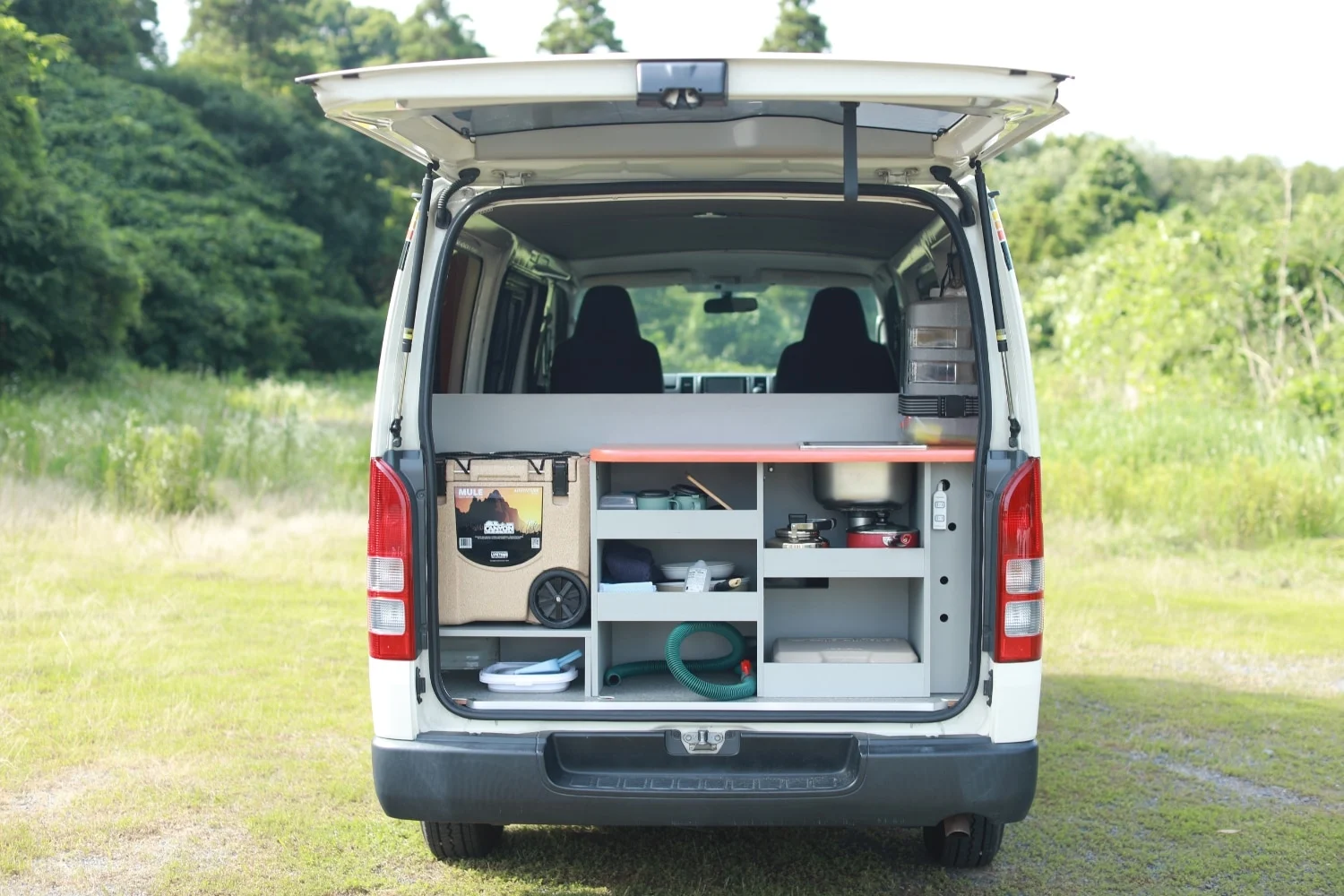
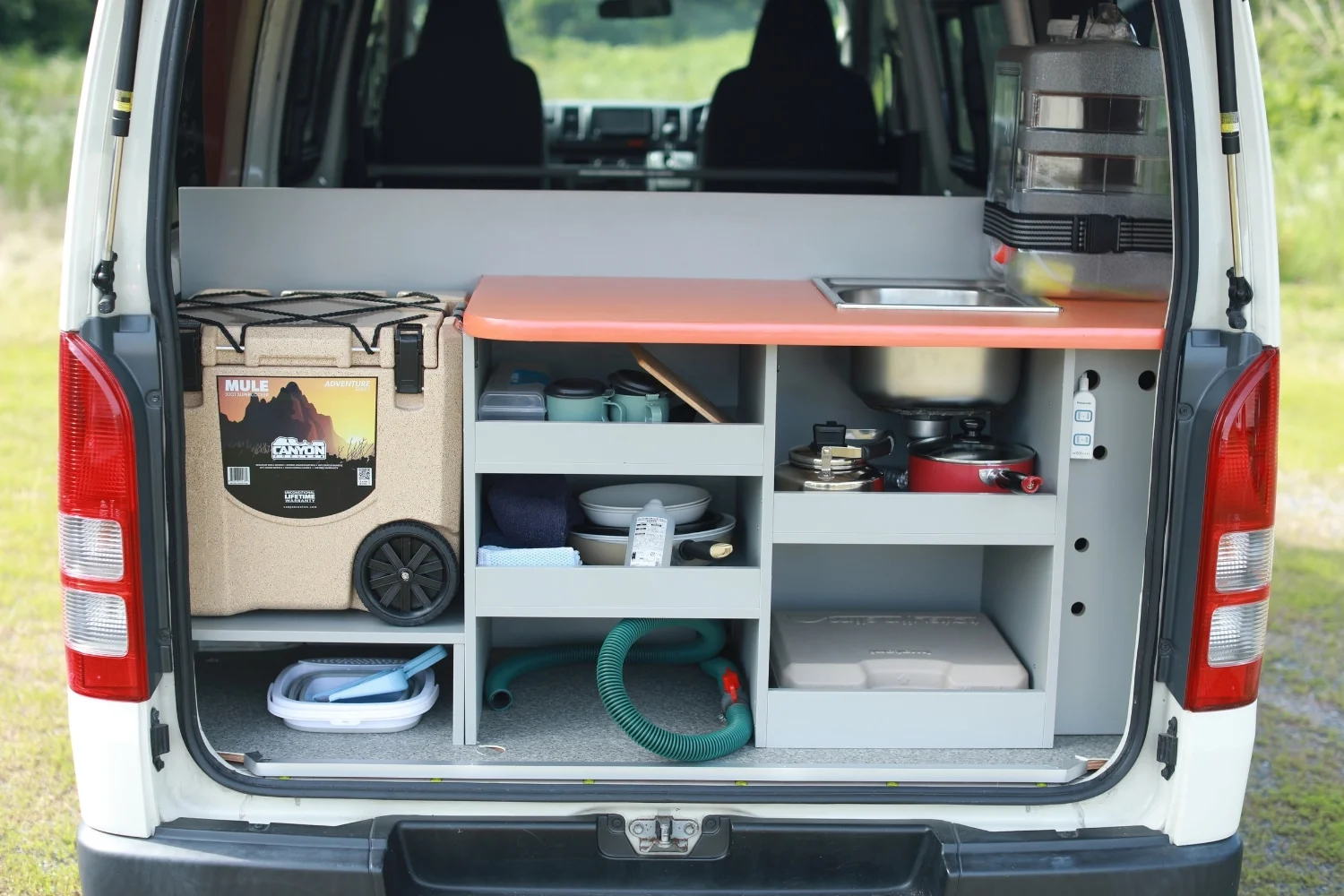
If you’re travelling in Japan by campervan rental, Tokyo is likely one of many destinations on your itinerary. So, it helps to have a plan in place for medical emergencies when you’re travelling. So, this article will show you what to do during a medical emergency as a tourist in Japan.
Step 1: Make Sure it’s a Medical Emergency
If someone is having trouble breathing, chest pain, signs of stroke (face drooping, arm weakness, speech difficulty), heavy bleeding, severe burns, seizures, a serious allergic reaction, or loss of consciousness, you need to treat it as an emergency. In Japan, it’s better to call for help early than try to “push through” and risk things worsening.
If it’s urgent but not immediately life-threatening (for example, a suspected fracture, high fever, deep cut, or dehydration), you may still need same-day care at a hospital or urgent clinic. When in doubt, err on the side of getting assessed.

Step 2: Call an Ambulance the Right Way
In Japan, ambulances are reached by dialling 119. This connects you to emergency dispatch (similar to “ambulance and fire” services in some countries). If you need the police, you dial 110, but for a medical emergency, start with 119.
If you’re struggling with language, ask a bystander, hotel staff, station staff, or shop employee to help. In tourist areas, staff are often used to assisting foreigners with emergency calls and explaining locations clearly.
If you dial 119 yourself, the operator will first ask if the emergency is a fire or medical. It is very important to stay calm during these questions and give your name as well as your location.
<h2>Step 3: If You Can’t Call 119, Get Nearby Help</h2>
When travelling by motorhome, Tokyo and other big cities will have good phone reception. However, some of the more rural areas may have limited signal. In that case, go straight to the nearest place with staff who can help. This could be:
- Your hotel reception
- A train station staff office
- A kōban (police box) where officers can help coordinate assistance
- A convenience store (staff may be able to call for you)
- Tourist information centres in major stations and destinations
If you’re travelling in a group, one person should stay with the injured or ill party while another speaks to staff, calls for help, or gathers documents.
Step 4: Know What to Expect at the Hospital
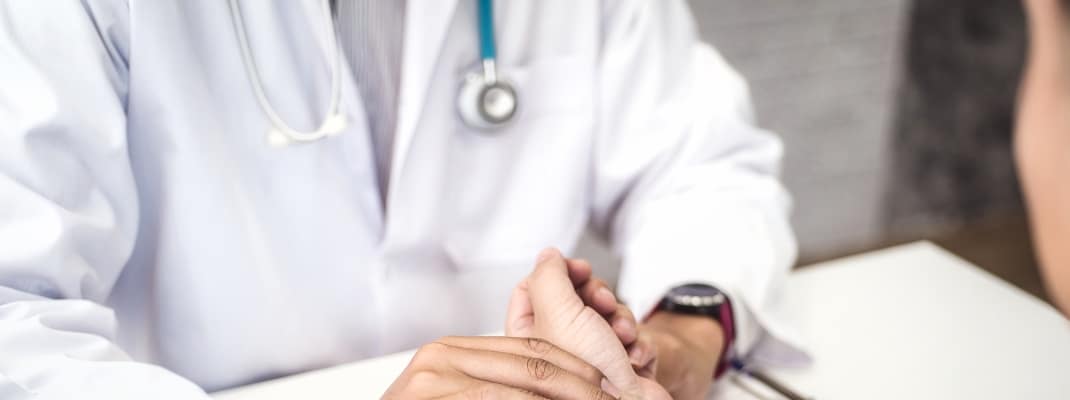
Hospitals in Japan are very structured, which can be intimidating if you aren’t used to this. Expect to fill out forms, get triaged, and learn about the rules around registration and payment. If you arrive by ambulance, you’ll usually be taken in for assessment, but you may still need to complete paperwork once stabilised.
Even basic clarity can speed things up when you’re in the hospital. Try to use short, simple phrases and your phone as a tool if things get confusing. You can:
- Use a translation app for symptoms, medication names, and allergies
- Show photos if relevant (rash, swelling, medicine packaging)
- Write down key points: “allergic to penicillin,” “asthma,” “diabetic,” “blood thinner,” etc.
If you have time beforehand, it’s worth saving a note in your phone with your personal details, medical information and emergency contact information.
Step 5: Understand Payment and Insurance
Unlike some countries where your insurer pays the hospital directly, travellers in Japan may be asked to pay upfront, especially at private facilities or outside large tourist hubs. Don’t assume “cashless” treatment unless your insurer confirms it.
Here’s the safest approach to handling hospital visits in Japan:
- Get treated first if it’s urgent.
- Contact your insurer’s emergency assistance line as soon as you can (you or a travel companion can do this).
- Ask whether they can guarantee payment directly to the hospital, or whether you’ll be reimbursed later.
- Keep every document: itemised invoices, receipts, discharge papers, prescriptions, test results.
Step 6: Prescriptions, Pharmacies and Follow-Ups
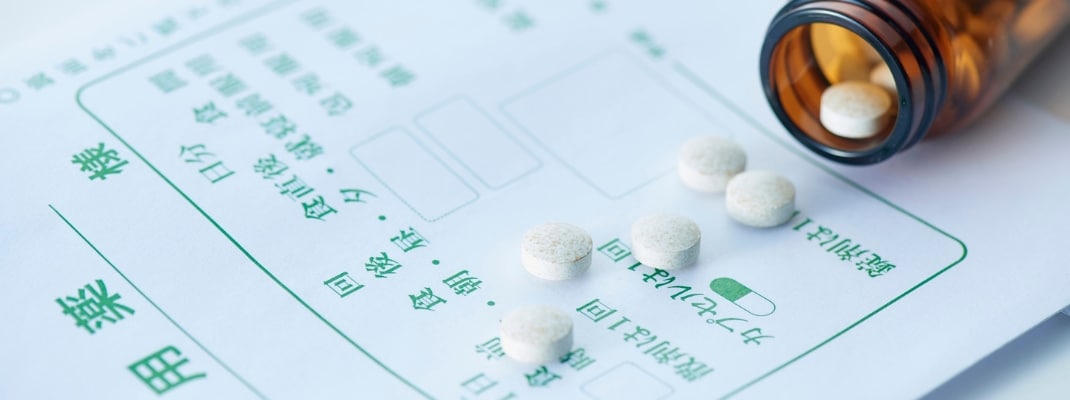
After seeing a doctor, you may be given a prescription to fill at a pharmacy (yakkyoku) rather than receiving medication directly from the hospital. Keep your paperwork together and take a photo of everything in case you misplace it.
If you need follow-up care (stitches check, infection review, pain management, repeat medication), ask the clinician:
- Whether you should return to the same facility
- What symptoms would require urgent reassessment
- Any activity restrictions (walking, bathing, flying, etc.)
Know How to Handle a Medical Emergency on Your Japan Trip
A medical emergency in Japan can feel intimidating because the system is unfamiliar, but help is available and the process is generally efficient once you’re in it. If you think it’s serious, call 119 right away or ask nearby staff to call for you. Bring your passport and insurance details, keep all receipts and reports, and contact your insurer as soon as you can.
About the Author

Mayumi
I love nature and travel. I have lived and traveled in some countries and seen many cultures. I would love to share stories of Japan so that visitors can learn more about this wonderful and unique culture and have an unforgettable and enjoyable trip.



Our Campervans