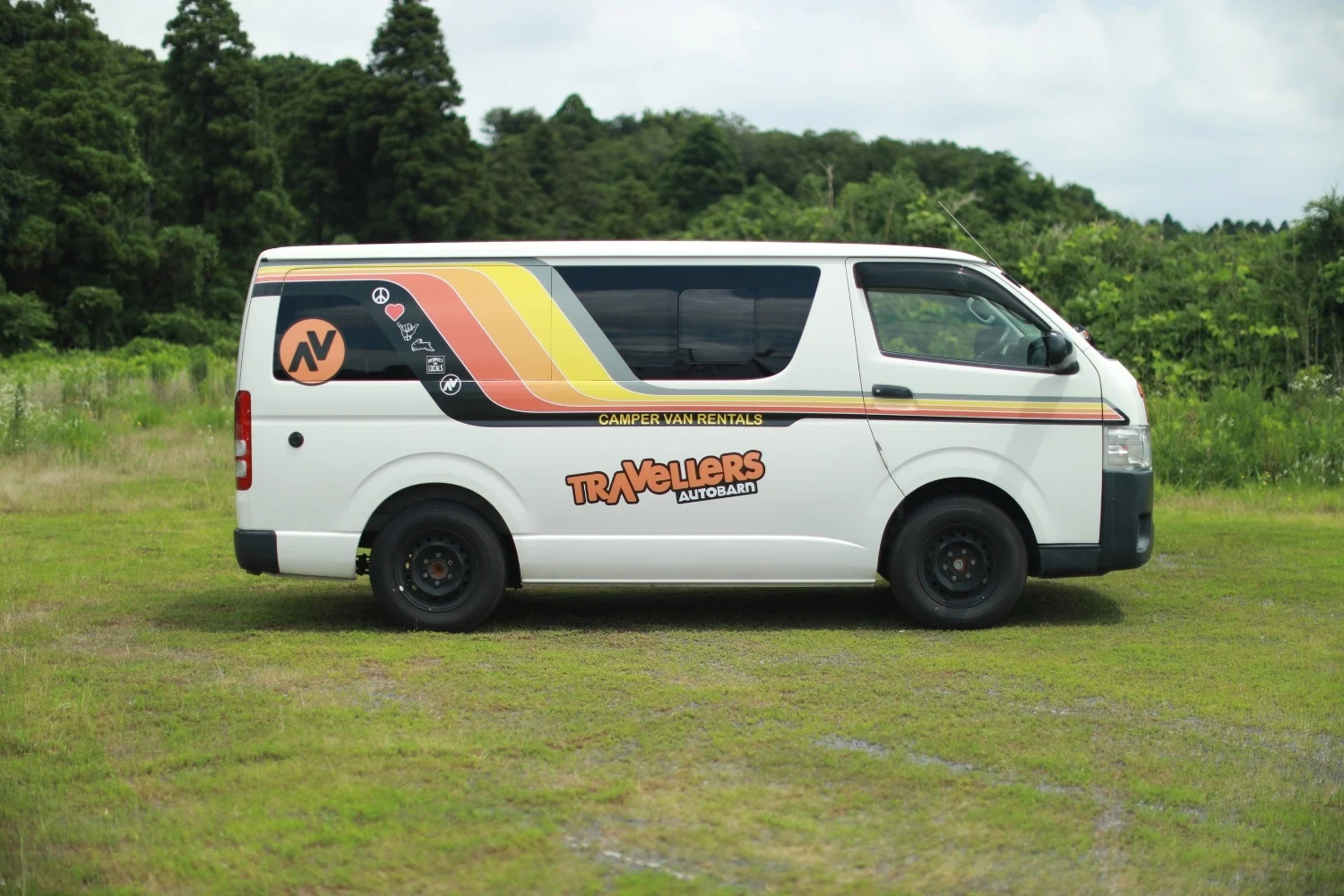
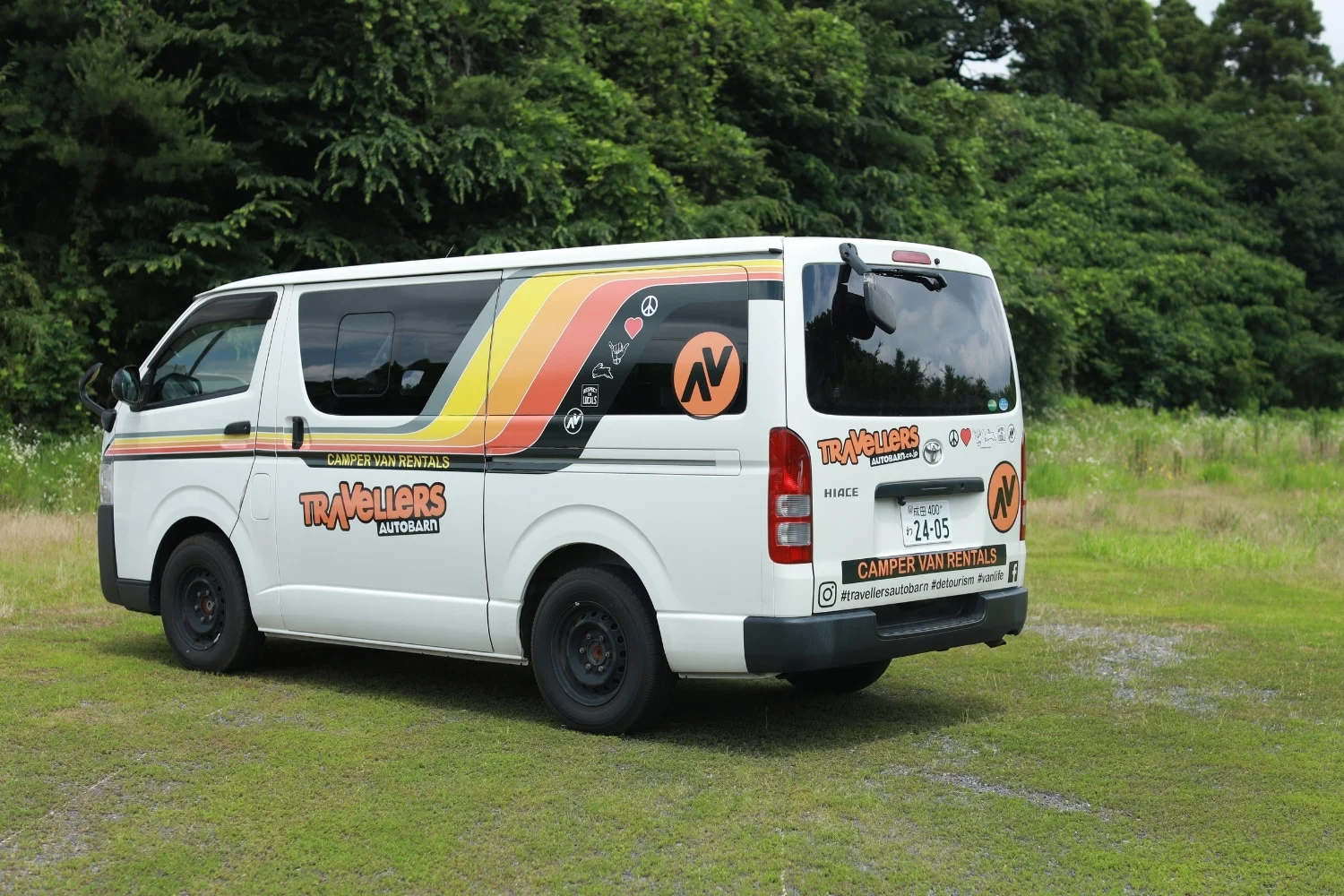
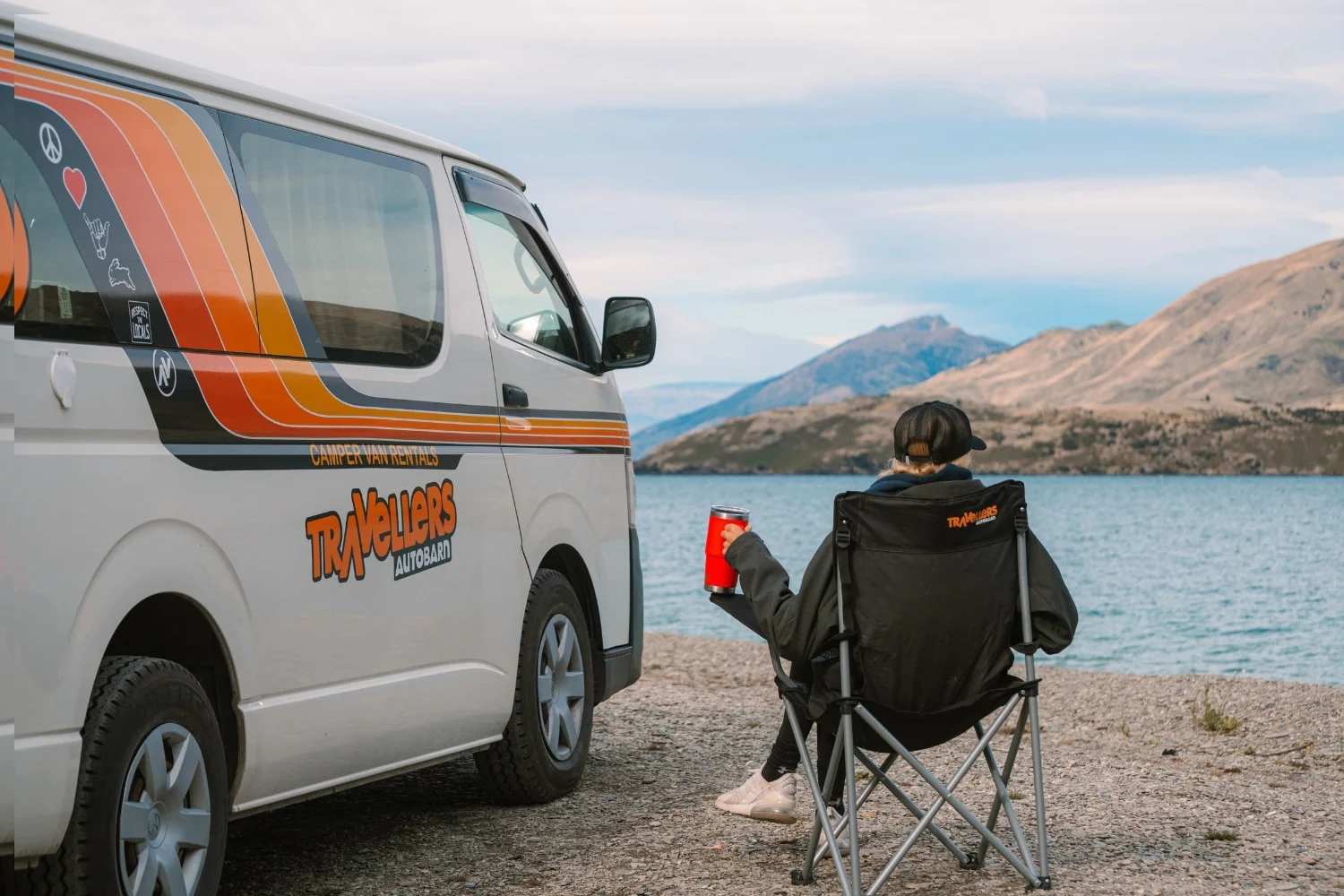
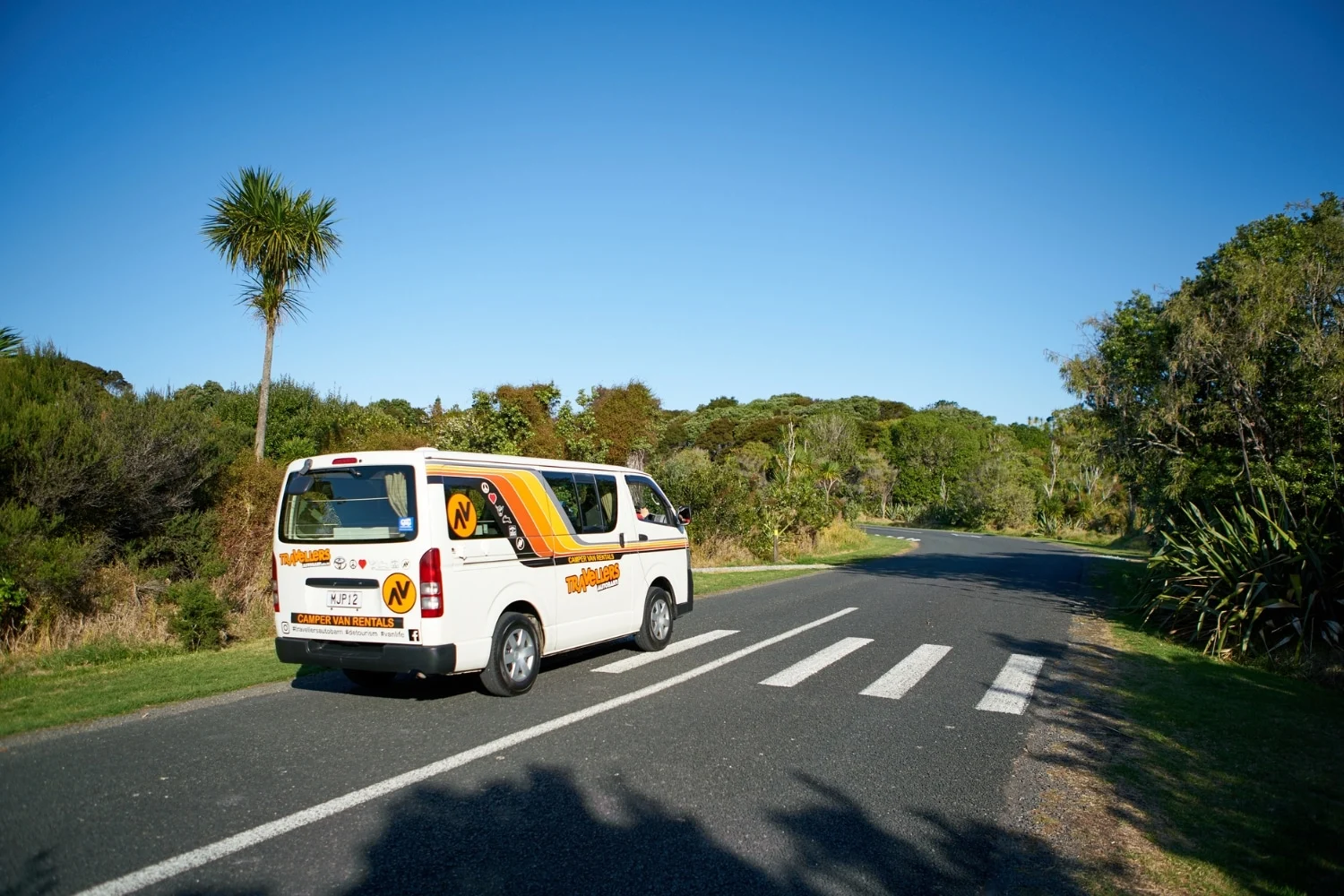
You have picked your ideal Japan RV road trip route, found a lunch spot, and spotted a viewpoint worth a detour. Now comes the less glamorous question: where will you park?
Fortunately, a little preparation goes a long way. Whether you are planning a campervan rental Tokyo adventure or heading further afield, knowing where to stop helps you spend more of your holiday exploring and less of it circling the block.
Get to Know Your Campervan
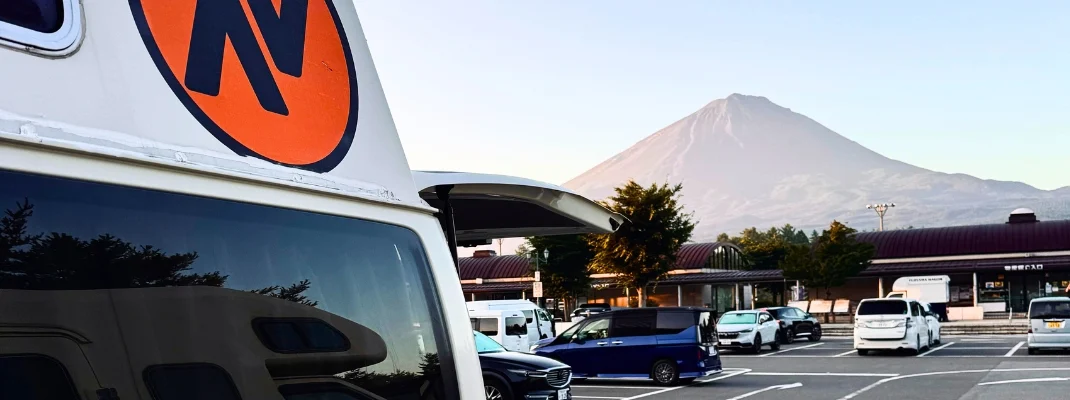
Before leaving the depot, ask for your campervan’s height, width, length and weight, including roof equipment. Keep the details on your phone so there is no guesswork at a car park entrance.
Open-air parking can be worth a look, but an entrance without a height barrier is not an automatic green light. Vehicle limits may still apply. Multi-storey garages and mechanical parking systems can be especially restrictive.
Look beyond the space itself, too. Tight entrances, sharp turns, and narrow access roads can make an otherwise promising car park awkward to use. If you are unsure, contact the operator before arriving.
Find Your Parking Before You Arrive
Start with your destination’s website and look for parking or access information. A tourist information centre may also help you find somewhere suitable nearby.
On Google Maps, search for parking around your destination or use 駐車場, the Japanese word for car park. Look through entrance photos and Street View, then check current restrictions with the operator. Save a second option: having a backup is much nicer than improvising in heavy traffic.
In cities, consider leaving the campervan farther out and taking a train or bus into the centre. You can enjoy the streets on foot without moving the vehicle between every attraction. Check parking hours and make sure you can get back in when your evening ends.
Shop and restaurant spaces are for use under the business’s conditions, so do not assume a shopping stop gives you parking for the whole day.
Avoid Surprises at the Payment Machine
Take a moment to read the price board before heading off. Charges can vary between daytime and evening, weekdays and holidays, or even between bays in the same car park.
A maximum charge also needs a closer look. Does it cover a calendar day, a set number of hours or just the overnight period? Does it repeat? That advertised maximum may not cover your entire visit.
Use a translation app if needed, and ask for help if anything remains unclear. Check payment methods and keep some yen handy. Before driving away, follow the payment instructions and make sure any wheel-locking plate has lowered completely.
Book Somewhere Comfortable for the Night
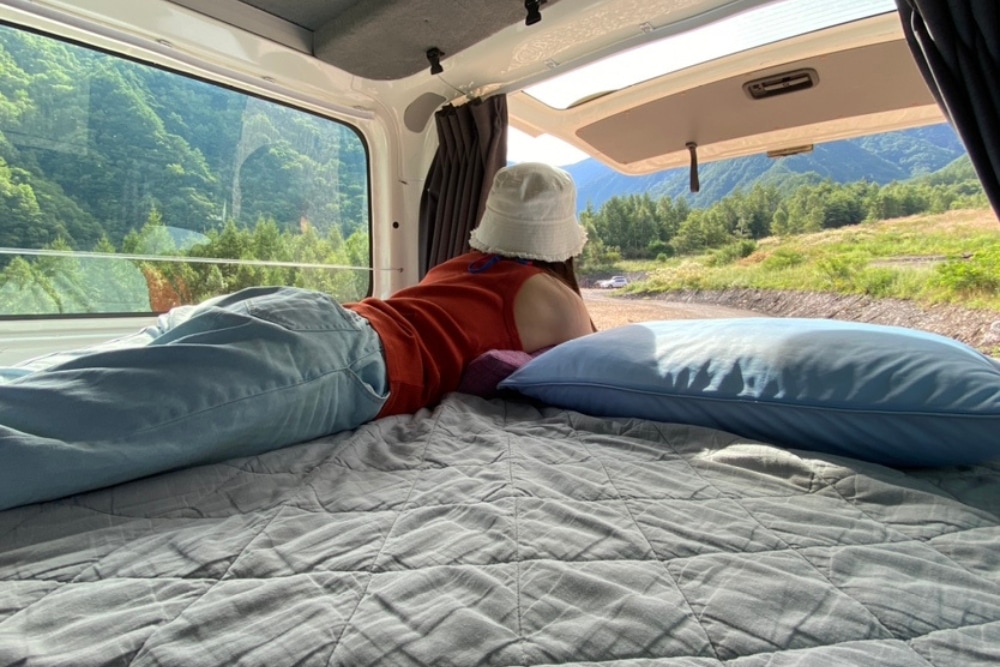
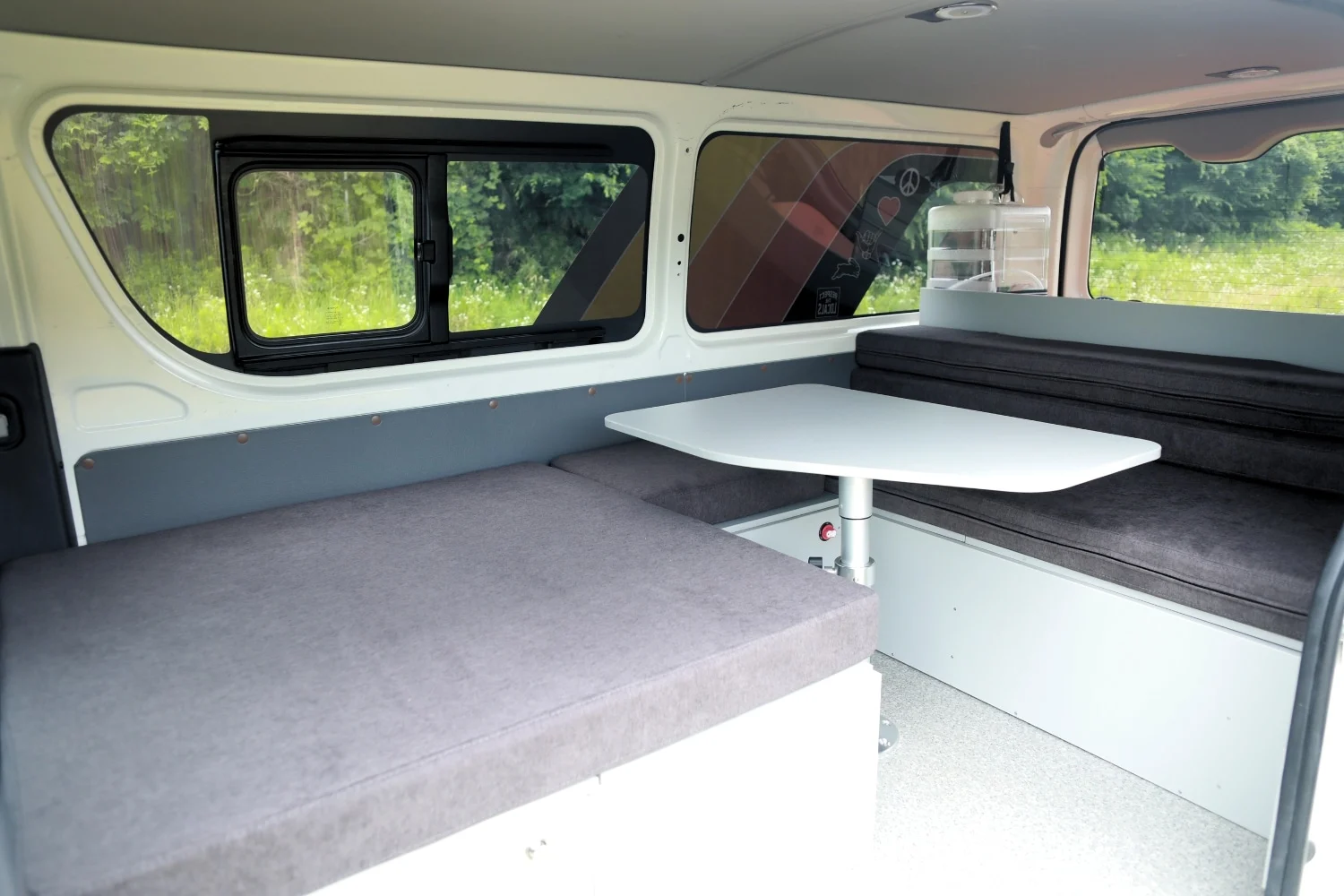
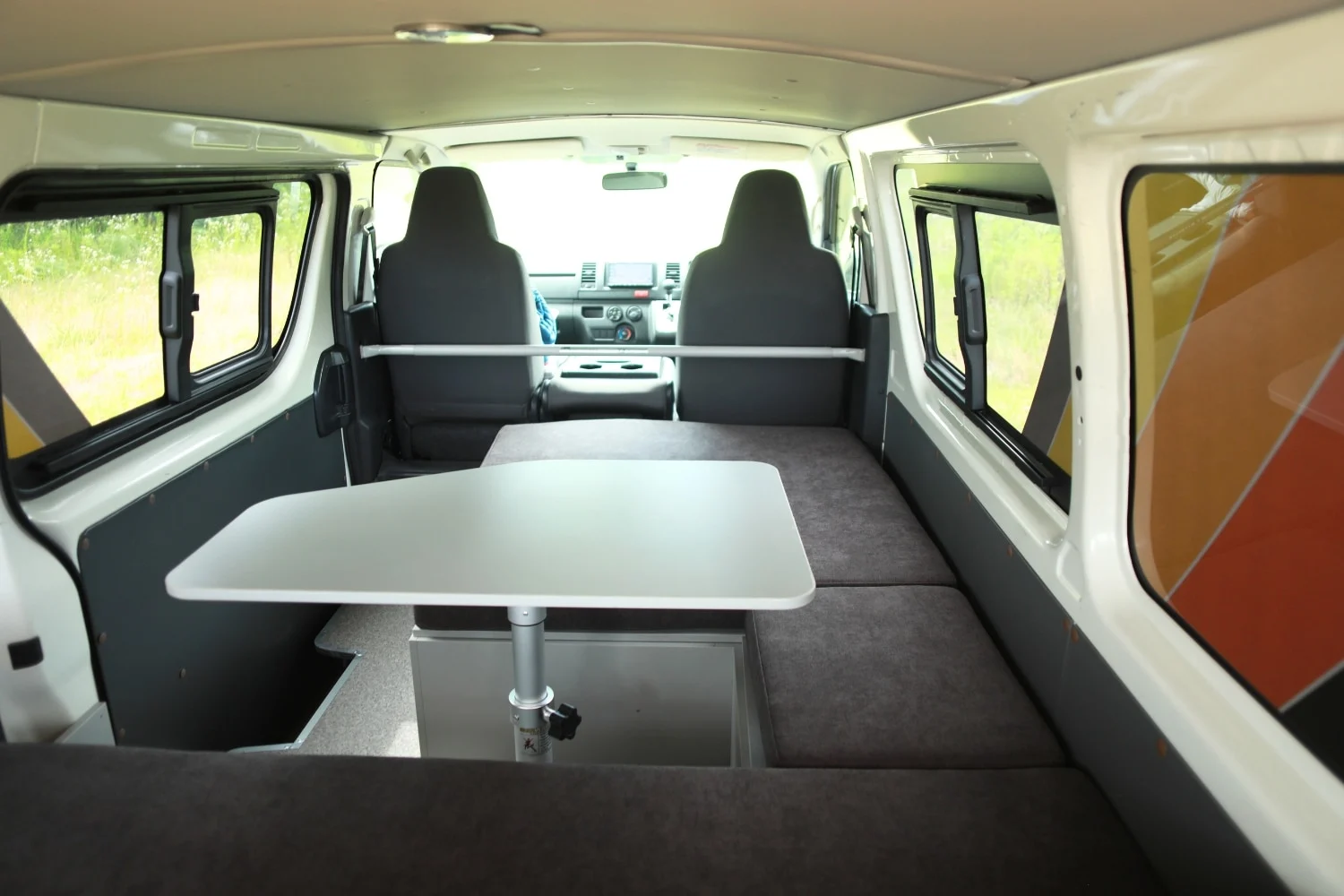
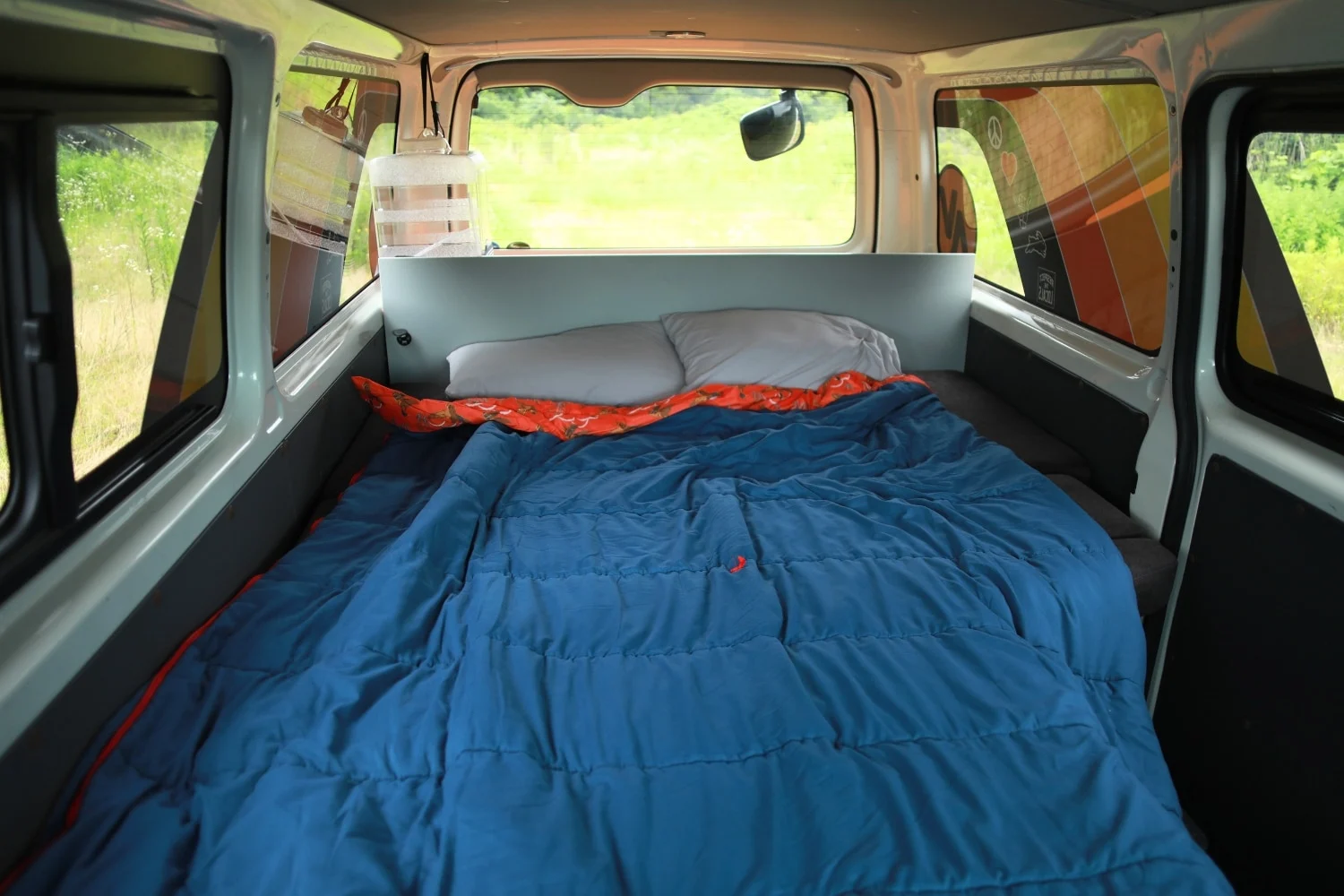
After a day of exploring, it is nice to know where you are settling in. Look for an RV park or campsite that explicitly welcomes overnight stays in vehicles. An ordinary car park allowing overnight parking does not necessarily allow sleeping or camping.
RV-Park.jp can help you find options across Japan. The main search and booking pages are primarily Japanese, but its English RV Park Guidebook makes a useful travel companion. Browse by region, then use the listed contacts or booking links to arrange your stay.
Check the highlighted language options: some parks offer English communication, while others rely on translation apps. Send your vehicle dimensions when enquiring, as even RV parks cannot always accommodate larger campers.
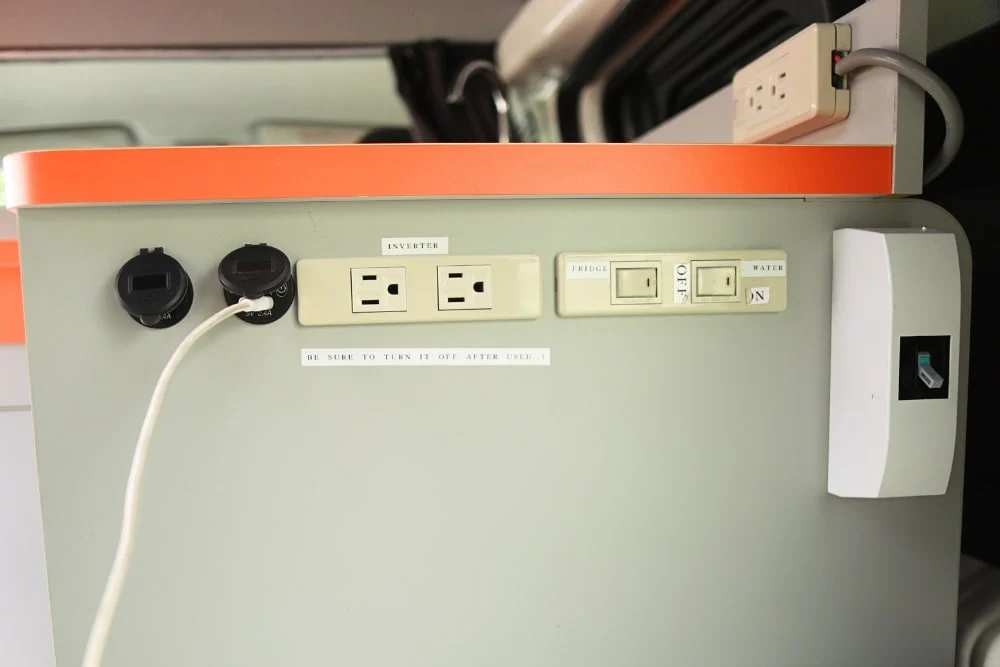
RV parks typically offer practical facilities such as toilets, electricity and rubbish disposal, with bathing facilities on site or nearby. Check the individual park’s facilities, charges and arrival times before booking.
If you’re planning to head out again after checking in, ask about gate opening times and daytime parking. Rules for awnings, cooking outside, quiet hours, and rubbish vary between parks, so get familiar with them before unpacking.
Treat Roadside Stations as Rest Stops
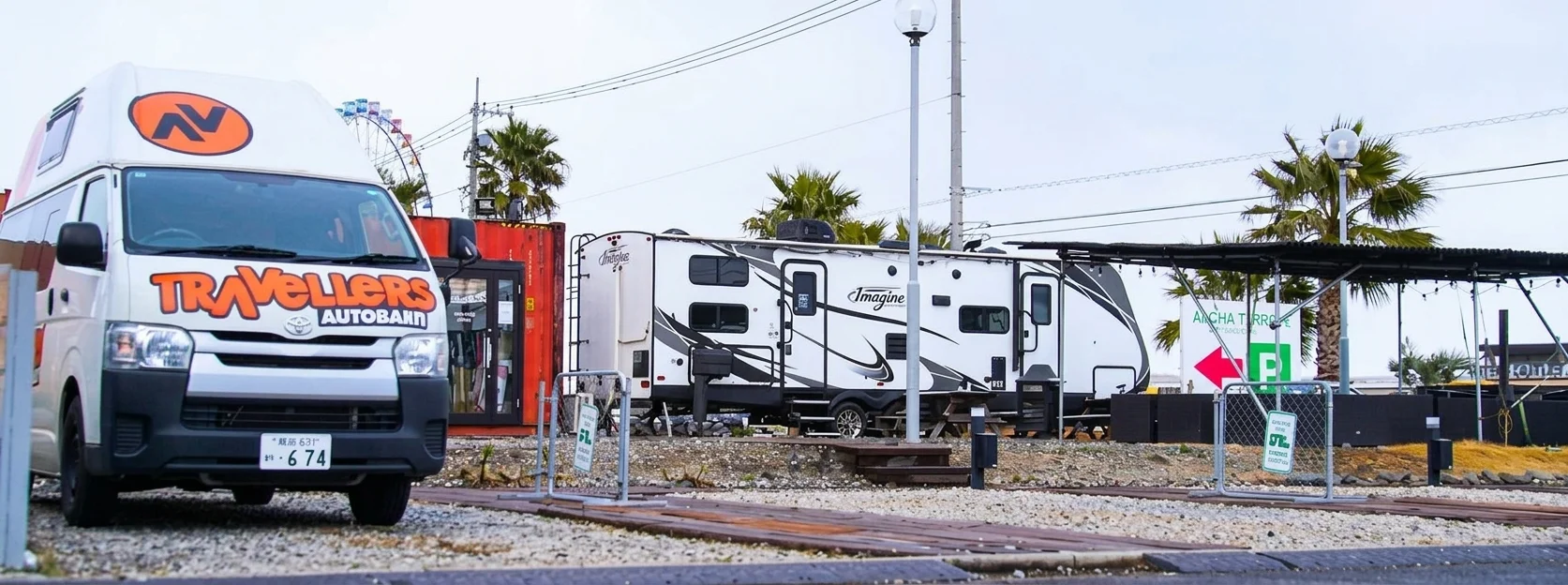
Japan’s roadside stations, known as michi-no-eki, are handy places to stretch your legs, use the toilets, and pick up something local to eat.
Taking a nap to recover from tiredness is different from using the parking area as accommodation. Sleeping overnight is generally tolerated but avoid setting up camp- for example, no setting up tables and chairs or barbecuing. However, some stations do have separate overnight facilities where camping is explicitly allowed; check the arrangements and reserve the appropriate space where needed.
Check Traffic Before Hitting the Road
A few minutes spent checking your route can help you avoid a lengthy delay and leave more time for the stops you’re looking forward to.
Use English Expressway Maps
Make a quick traffic check part of your morning routine. NEXCO’s English traffic pages link to congestion forecasts, roadworks and live information, while the English iHighway map helps you inspect expressway conditions.
Drive Traffic is another English option, covering most NEXCO expressways and the Honshu–Shikoku Bridge Expressway. Compare current conditions with the forecasts before deciding when to leave.
Check the Right Map for Your Journey
Drive Traffic excludes ordinary roads and urban expressways such as Shuto and Hanshin. Around Tokyo, use Shuto Expressway’s English traffic map for those sections of your drive.
Google Maps can help compare routes, but the quickest-looking shortcut may not suit your campervan. Follow road signs and restrictions, and remember that online updates can lag behind conditions.
Leave a Little Breathing Room
Use traffic forecasts to plan around predicted busy periods on your route, and allow time for breaks and parking. Check again while safely parked, or ask a passenger to look up alternatives if delays develop.
With a parking backup, an overnight booking and a little flexibility, you can spend less time watching the clock and more time enjoying the places you came to see.
About the Author

Mayumi
I love nature and travel. I have lived and traveled in some countries and seen many cultures. I would love to share stories of Japan so that visitors can learn more about this wonderful and unique culture and have an unforgettable and enjoyable trip.


Our Campervans