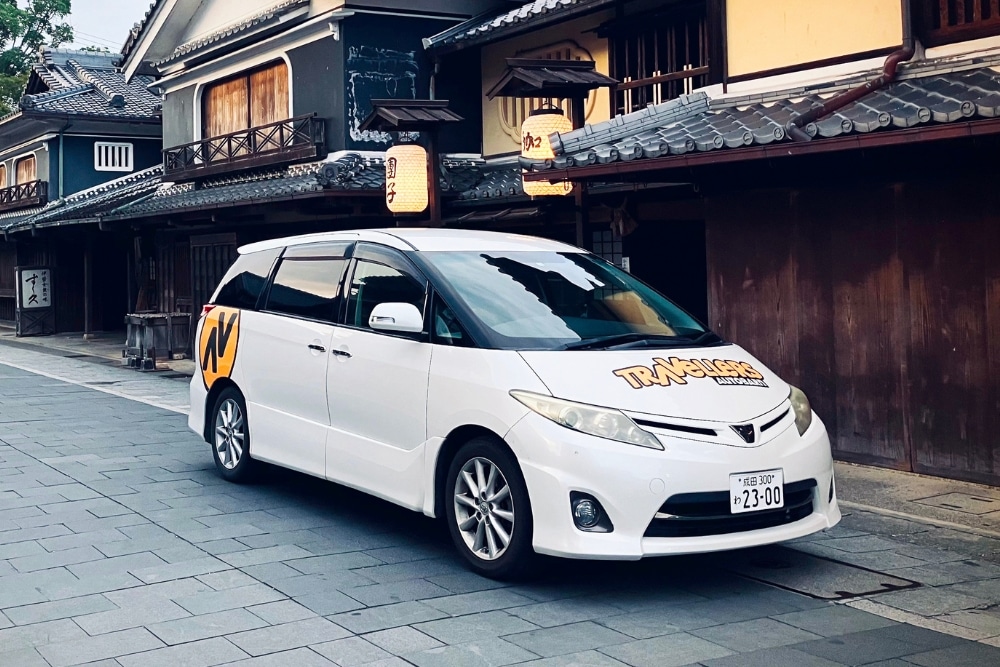
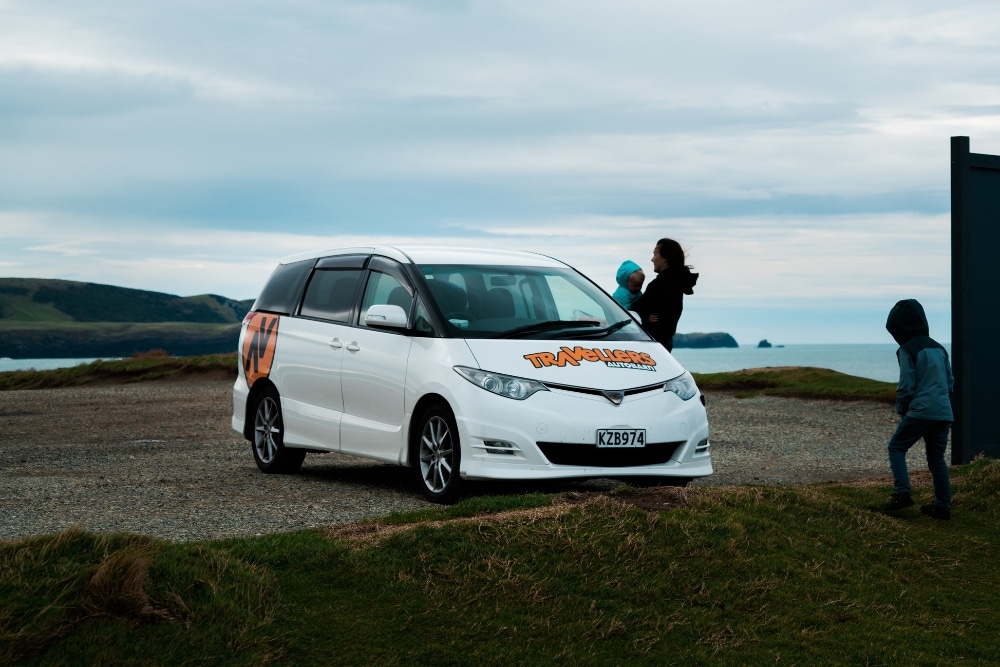
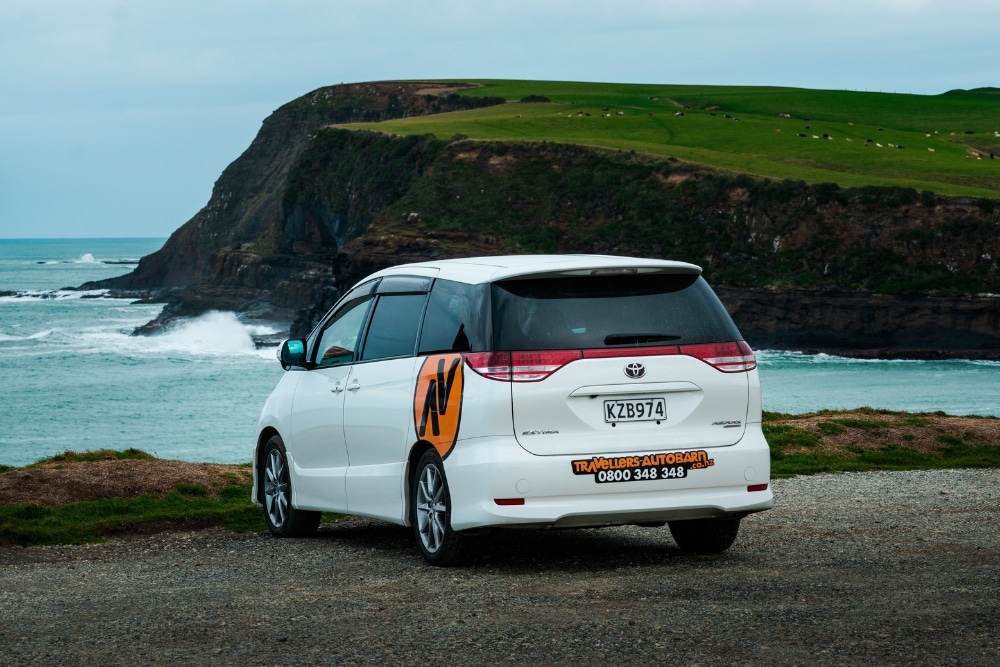
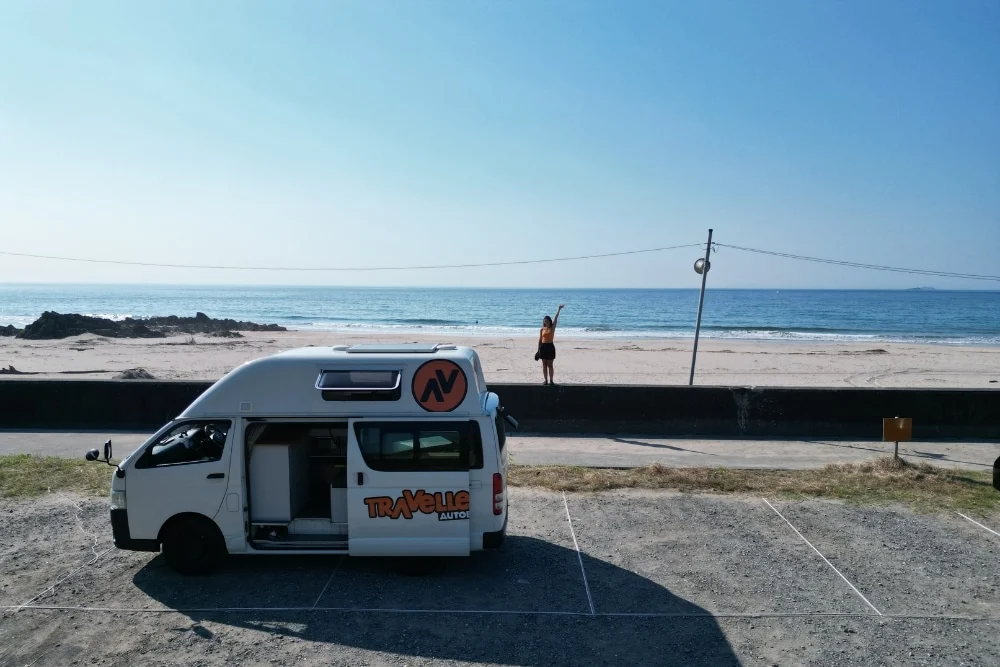
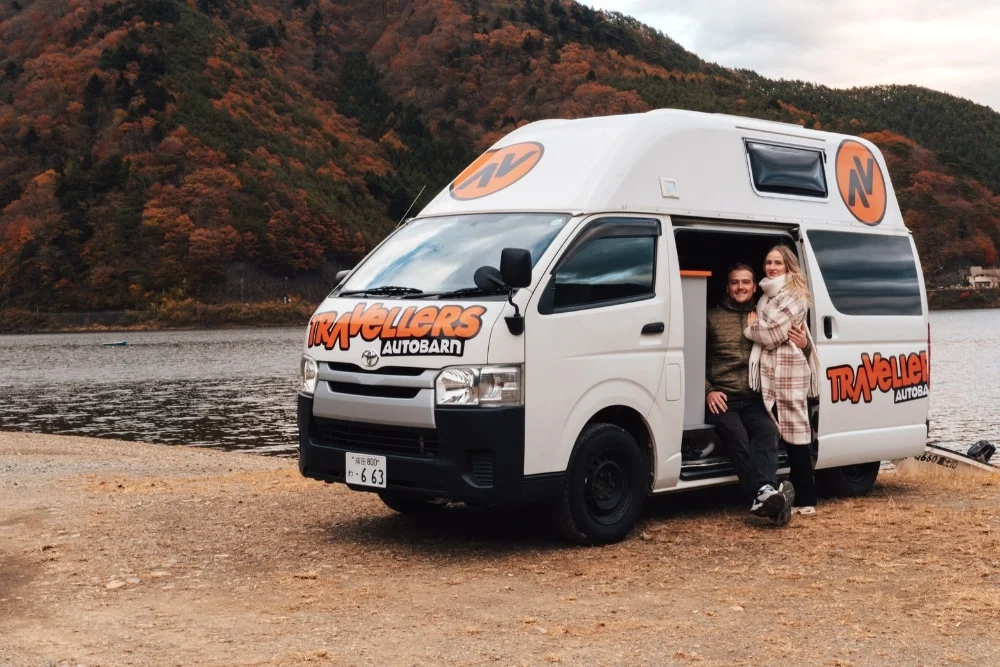
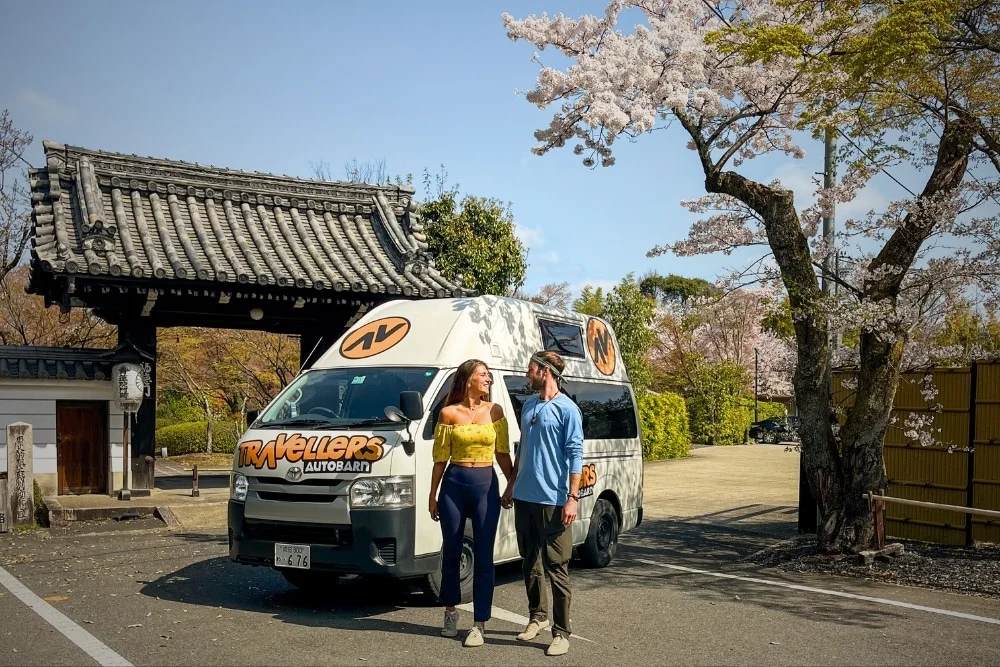
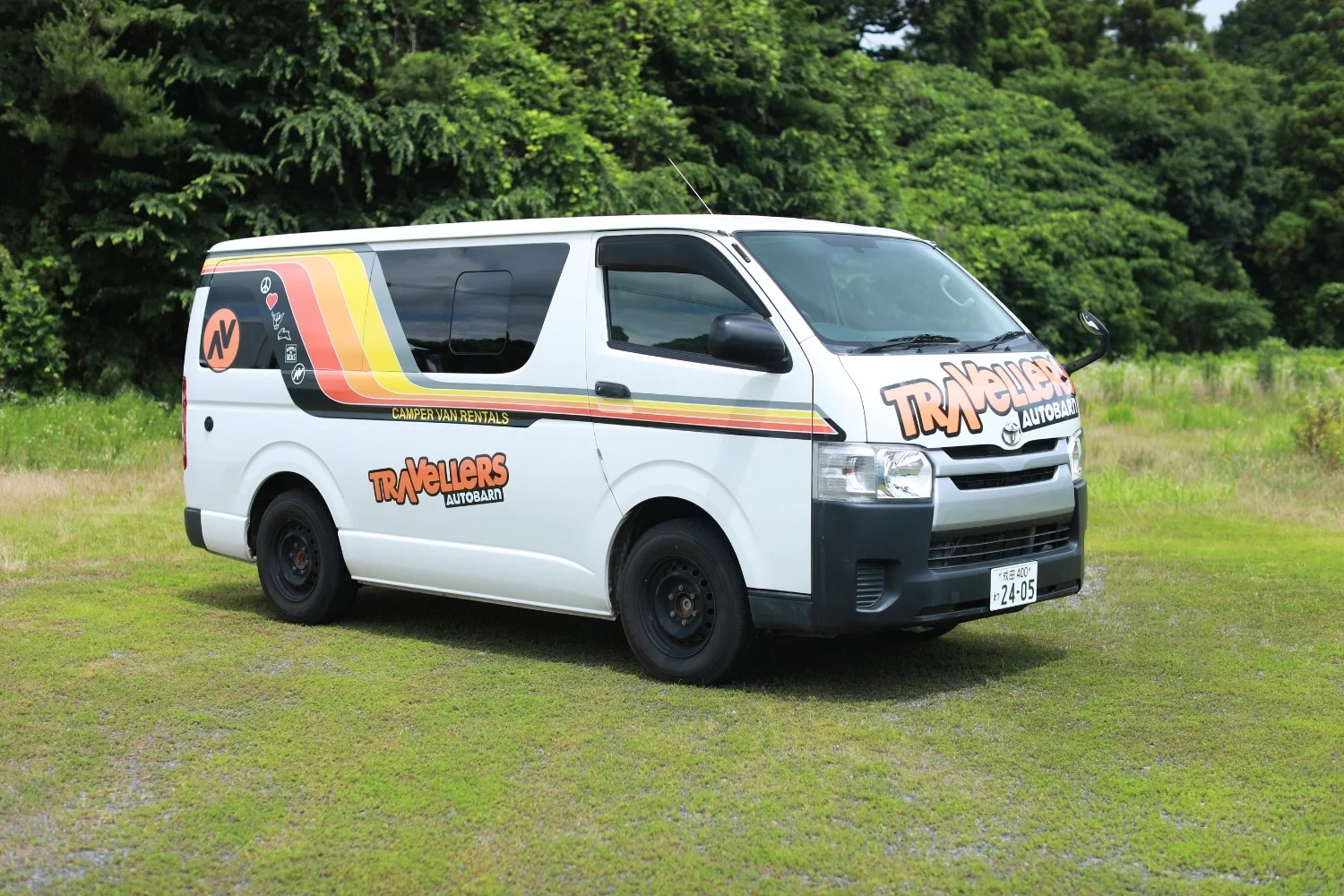
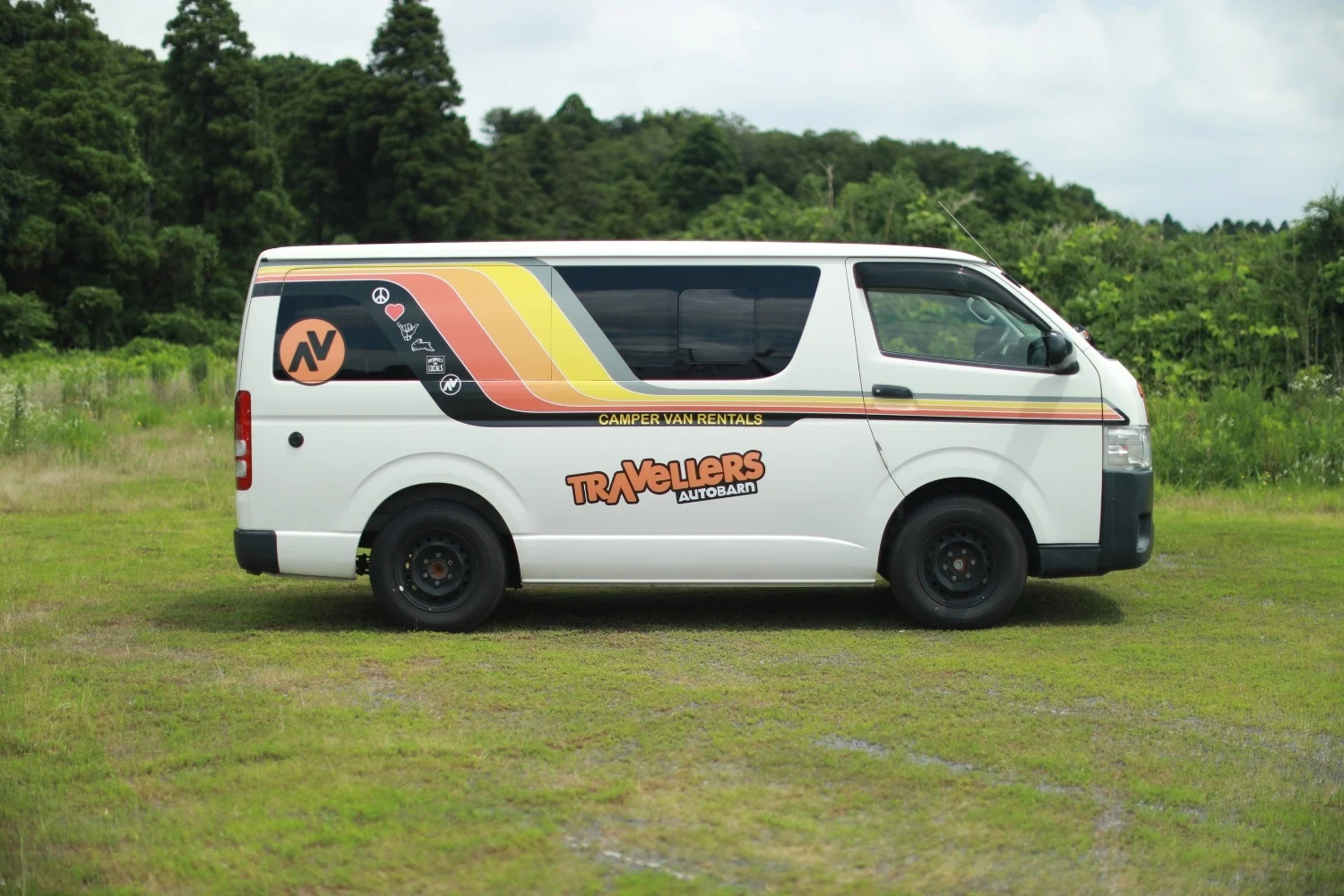
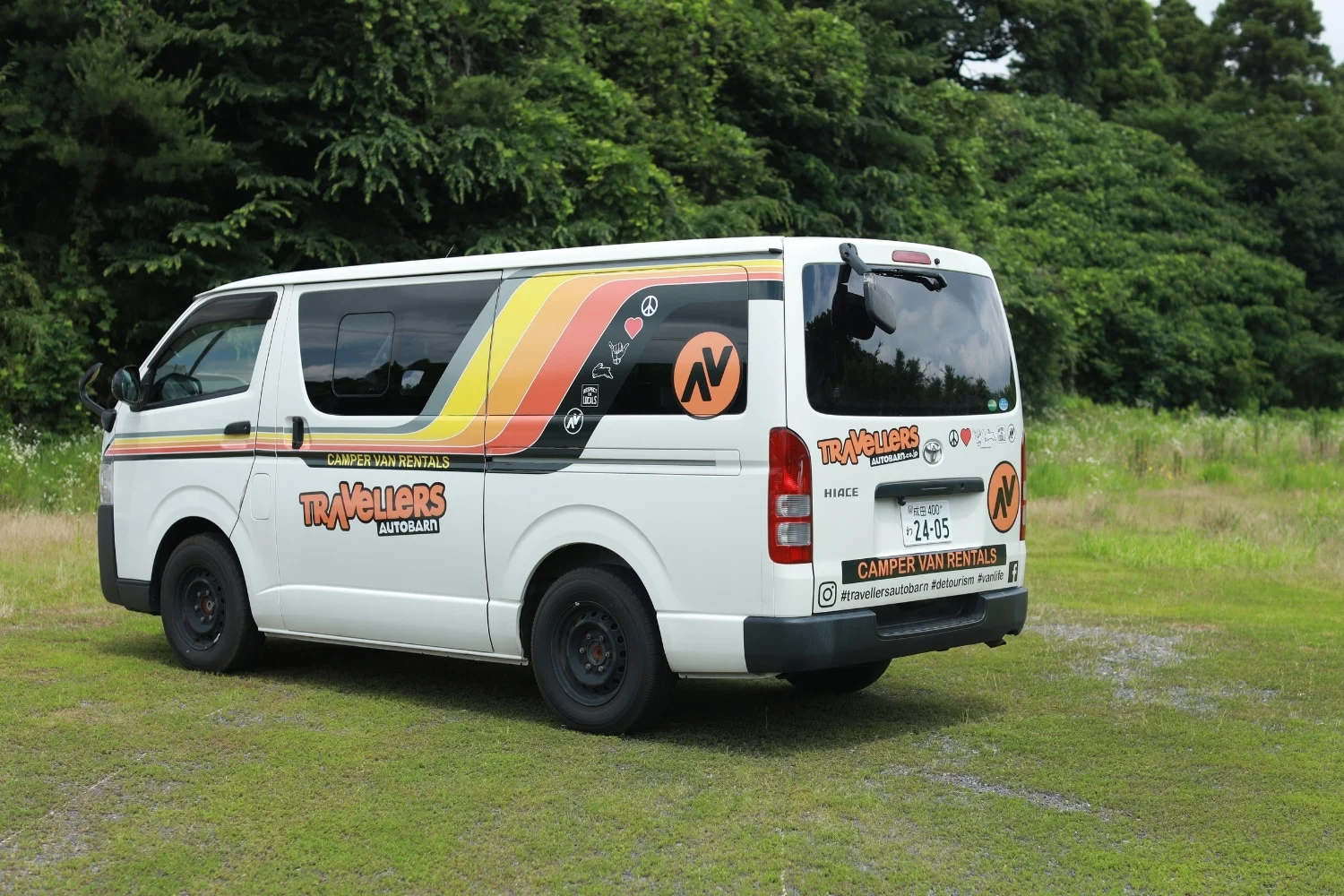
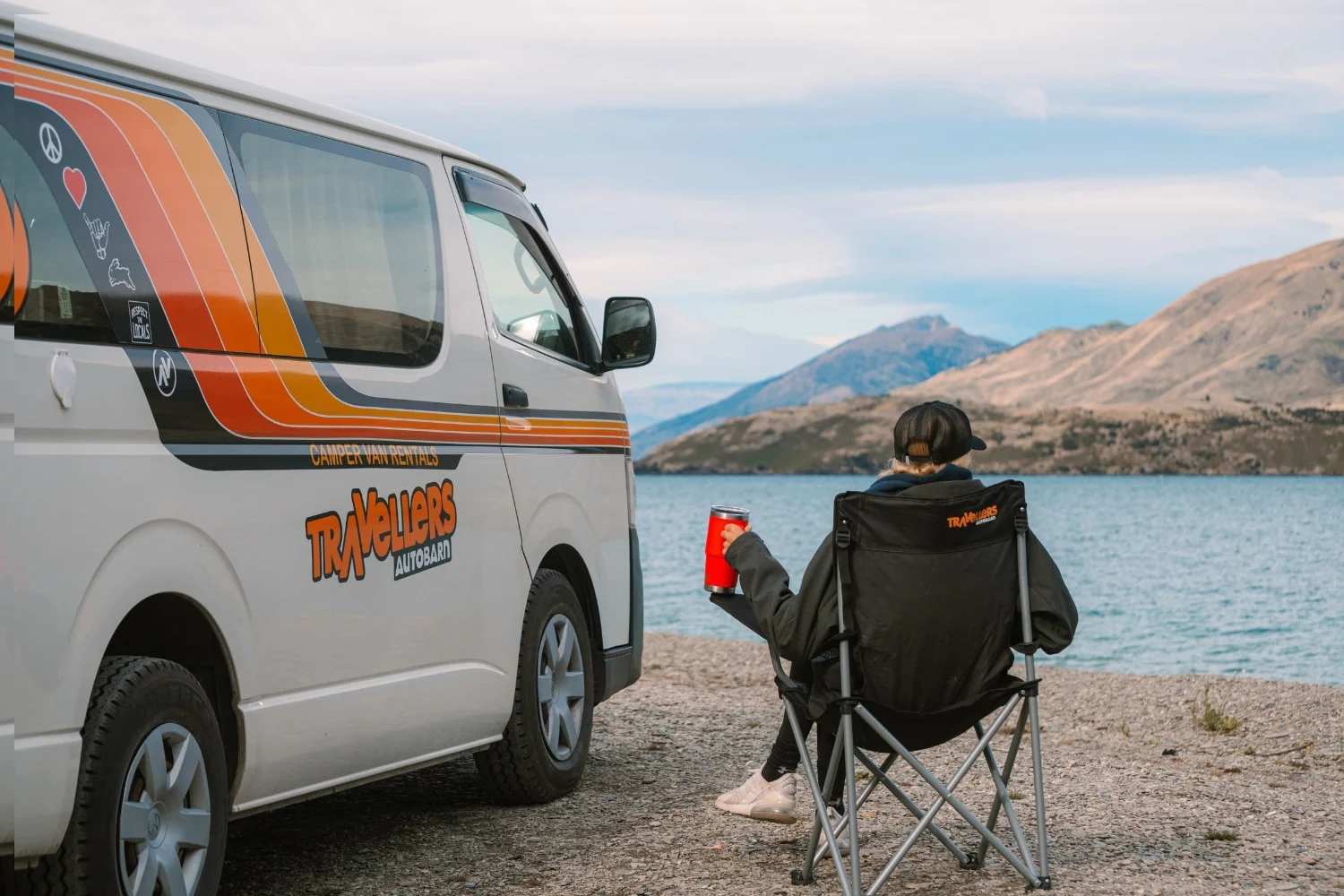
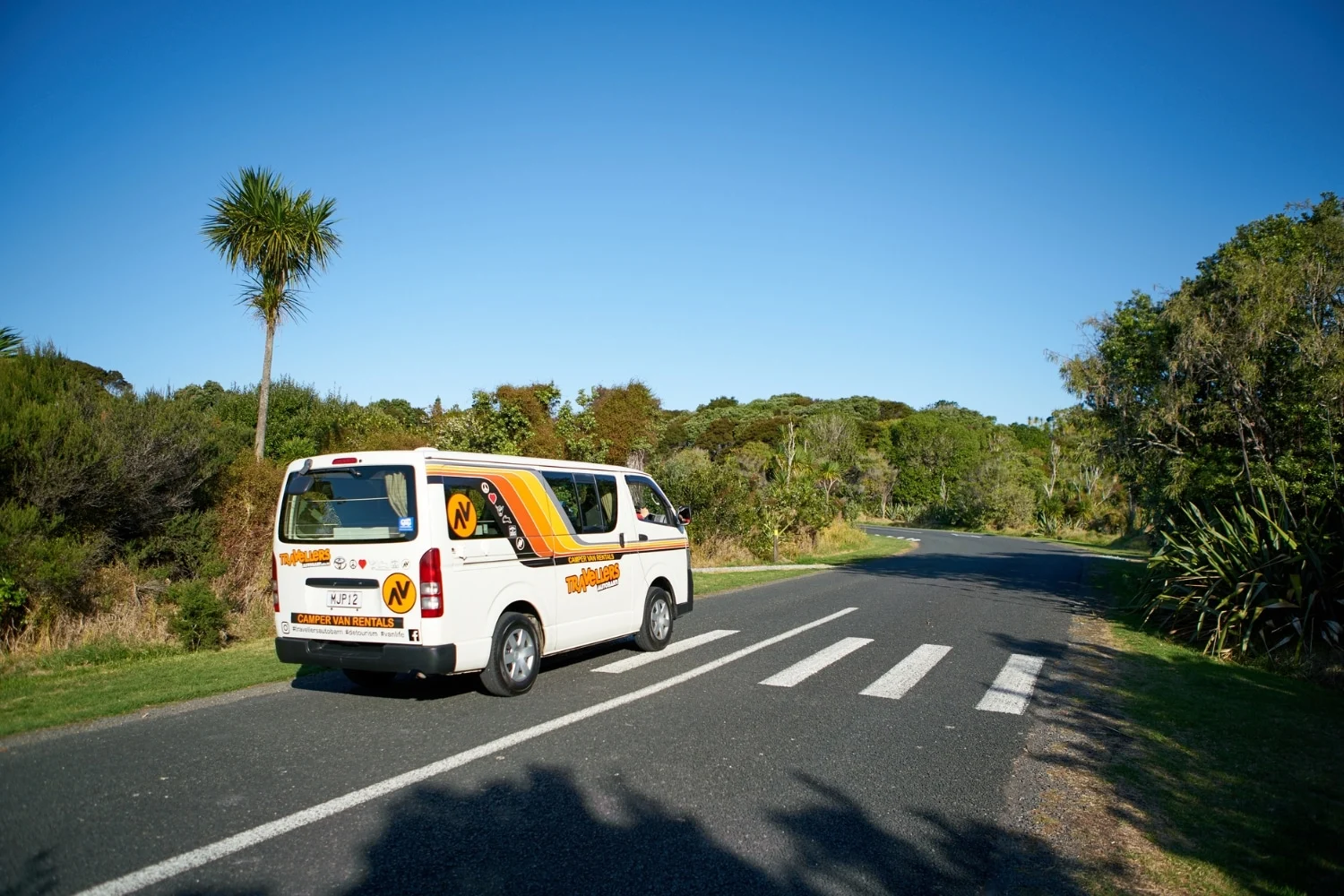
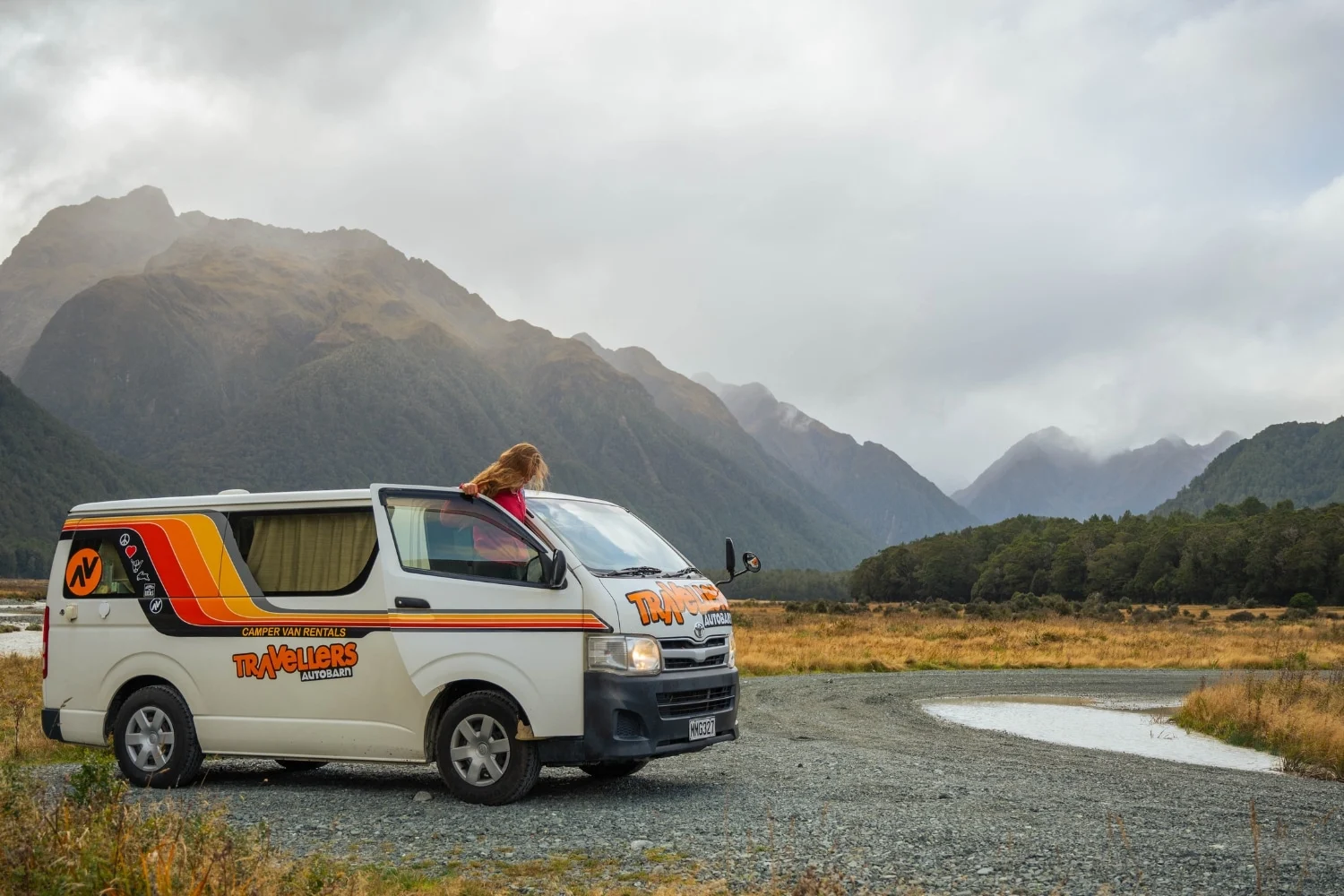
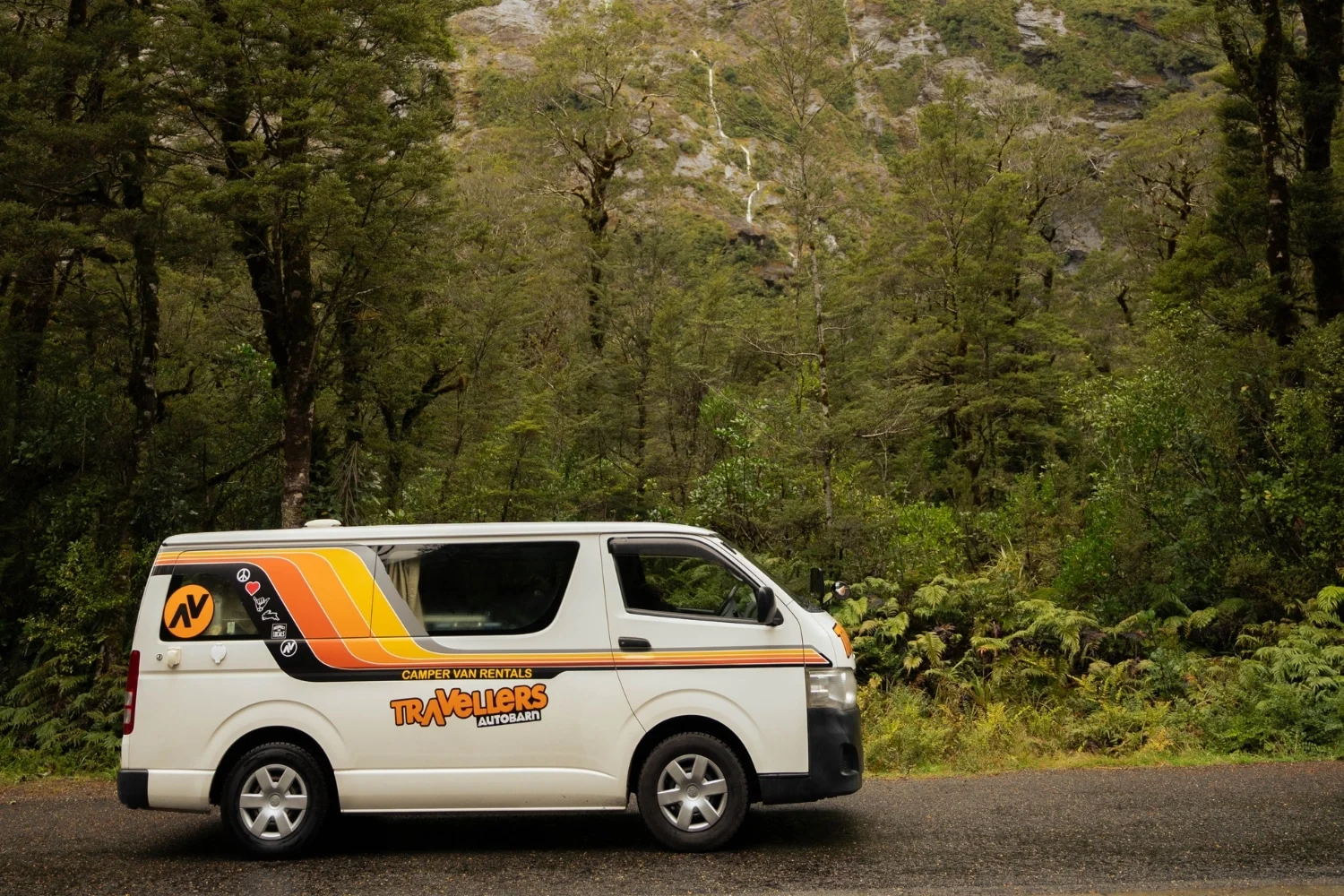
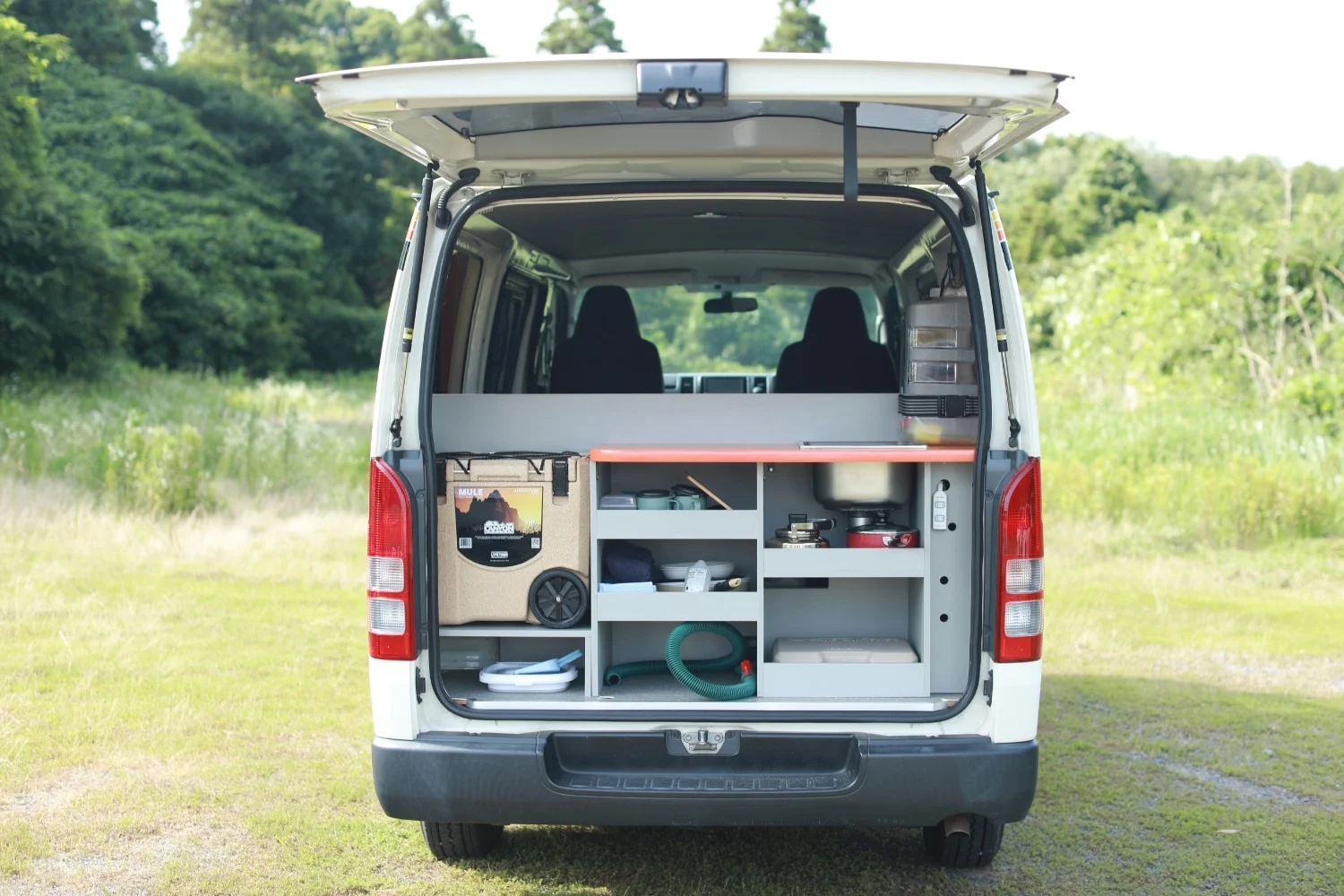
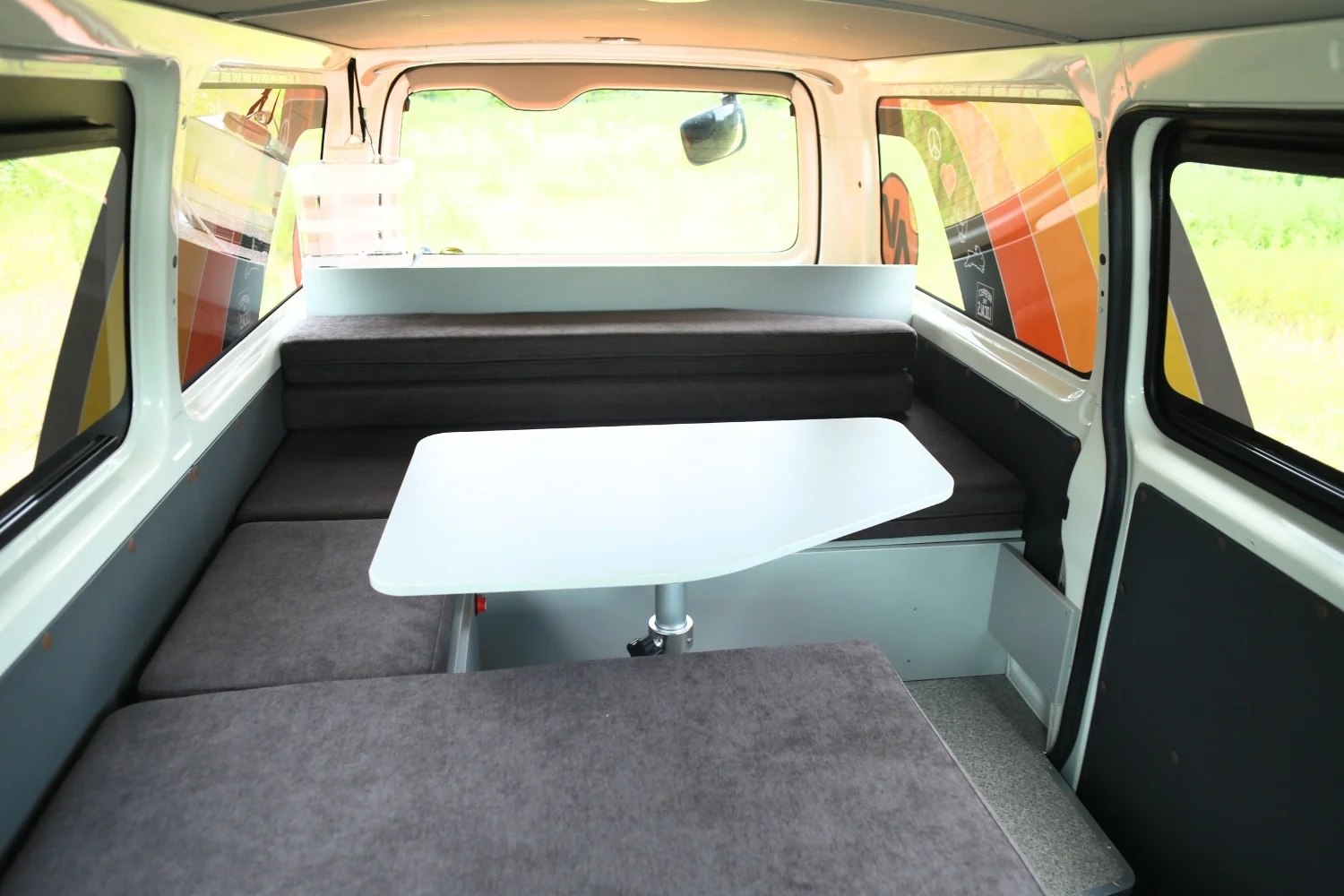
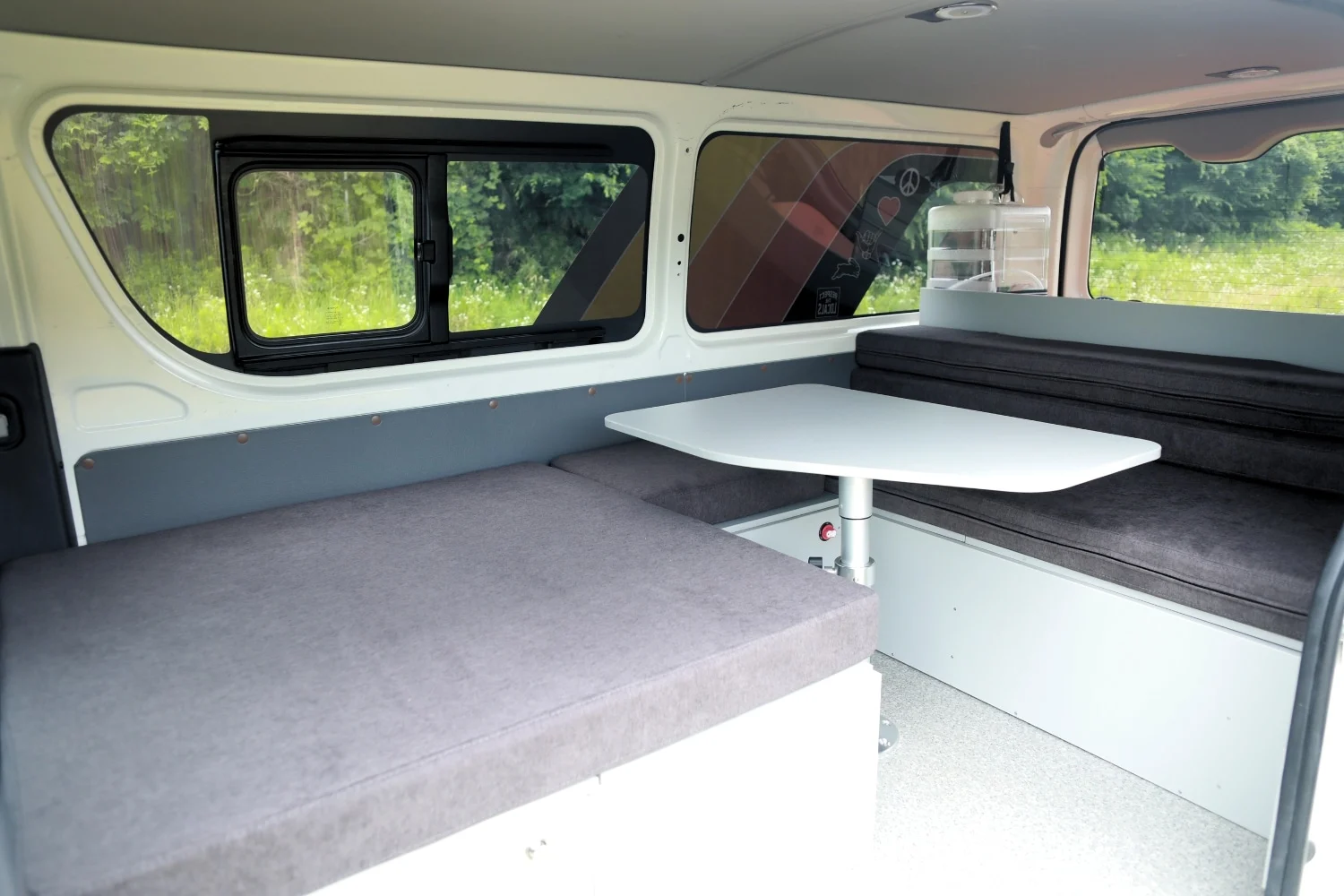
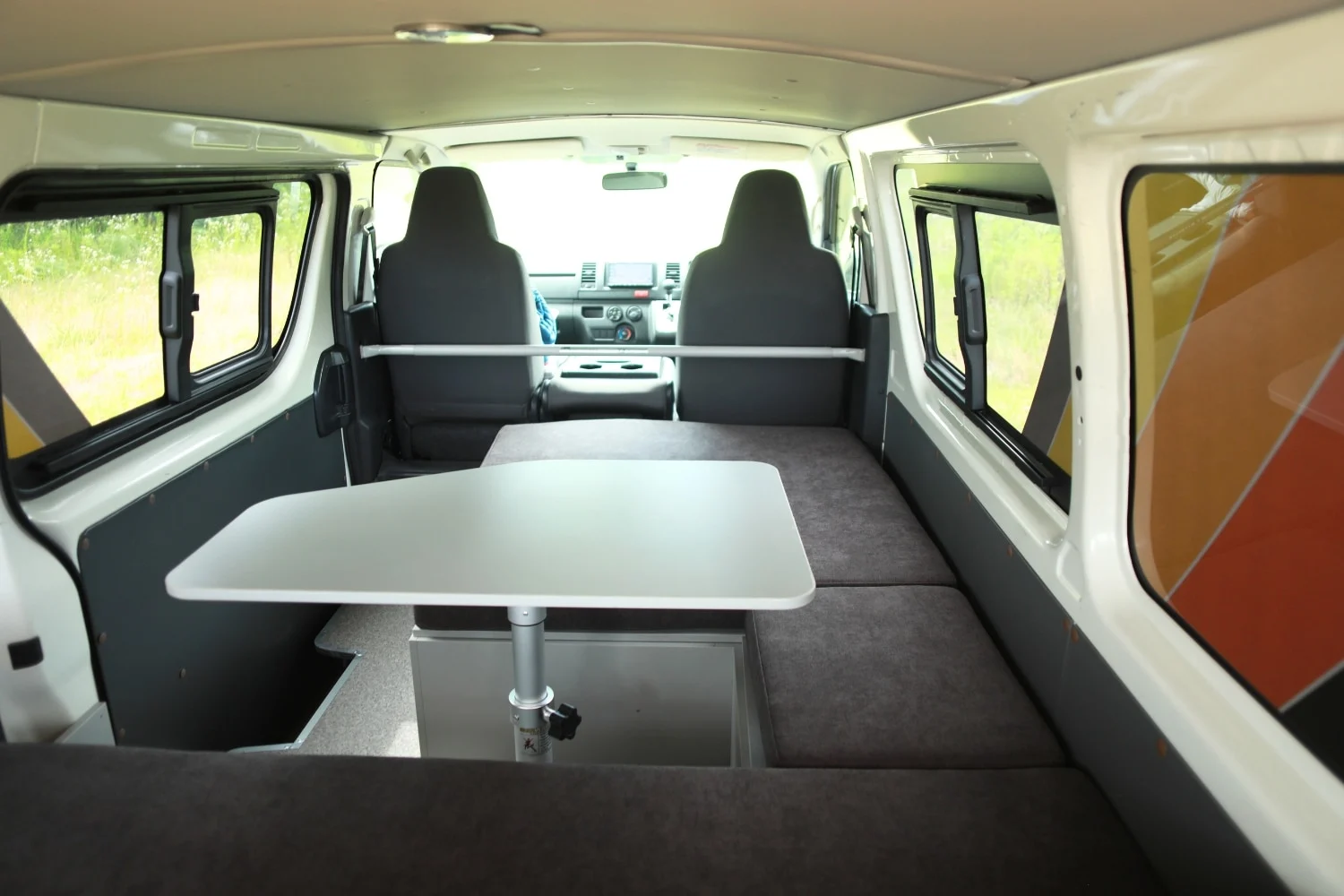
Travelling across Japan by RV is one of the best ways to explore this iconic country on your terms and at your own pace. If you’re hoping to explore more of Japan’s islands and coastal regions, taking a ferry could be a useful addition to your journey.
Thankfully, Japan has an extensive ferry network connecting different regions, islands and coastal destinations. Many services accept campervans, making them a useful addition to a road trip.
A ferry crossing can save you a lengthy drive, provide a welcome break from driving or help you reach places that would otherwise require a substantial detour. Some crossings take less than an hour, while longer services offer overnight accommodation, restaurants and other facilities.
Whether you’re researching campervan rental Tokyo options or planning a motorhome Tokyo adventure, it is worth exploring the available ferry routes before deciding on your itinerary.
Can You Take a Rental Campervan on a Ferry?
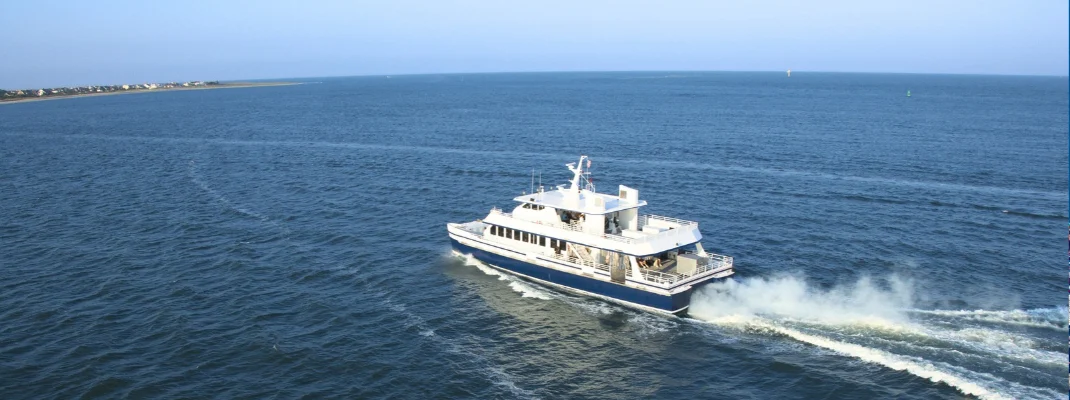
Many Japanese car ferries accept campervans, but you should check a few details before making arrangements.
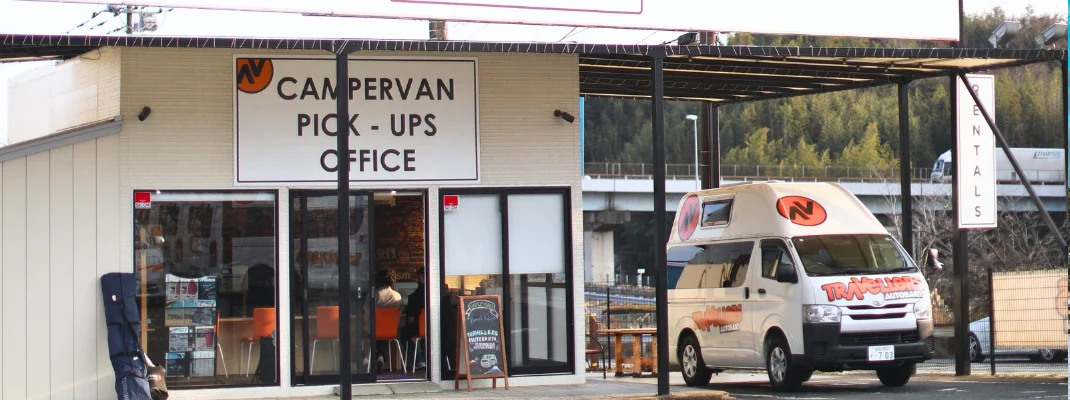
First, confirm that your rental company allows its vehicles to travel on ferries. You should also check whether there are any restrictions or insurance conditions.
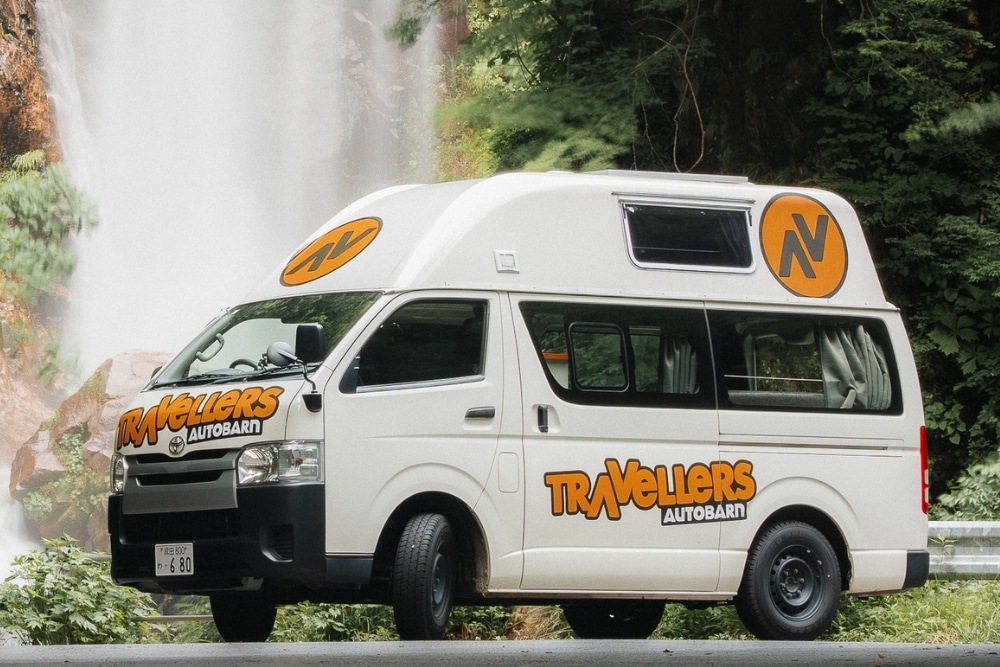
Next, make sure you know your campervan’s dimensions. Ferry operators often calculate vehicle fares according to length, while height and weight restrictions may also apply. You may need the following information:
- Vehicle length, width and height
- Vehicle registration number
- Vehicle classification
- Number of passengers
- Intended travel dates
Some operators treat smaller campervans as standard passenger vehicles, while larger motorhomes or specially registered vehicles may fall into different fare categories. Be sure to confirm the correct classification with the ferry company before booking.
Tokyo Wan Ferry: A Short Crossing Across Tokyo Bay
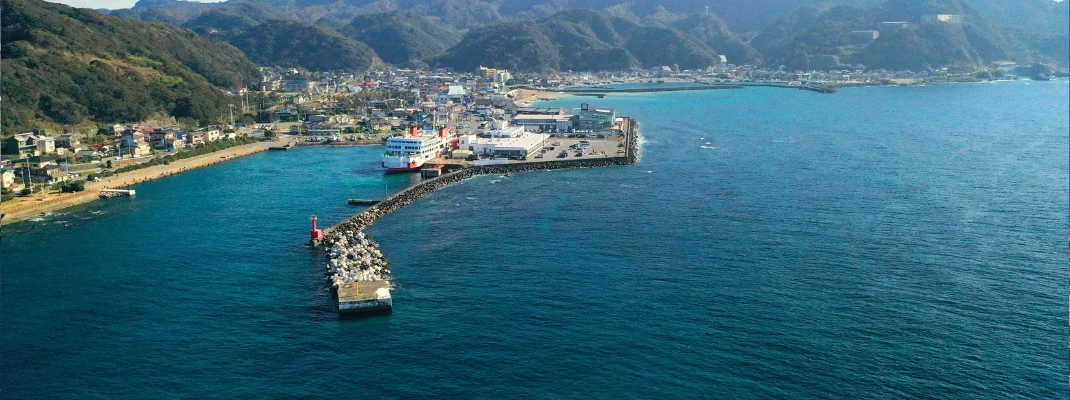
The Tokyo Wan Ferry is an accessible option for travellers exploring the Greater Tokyo area. It connects Kurihama in Kanagawa Prefecture with Kanaya on the Boso Peninsula in Chiba Prefecture. The crossing takes approximately 40 minutes.
Rather than driving around Tokyo Bay, you can travel directly between these two coastal areas.
Booking and Ticket Prices
One advantage of the Tokyo Wan Ferry is that advance reservations are not required for ordinary passenger vehicles. Vehicles board on a first-come, first-served basis. Simply arrive at the terminal, join the designated vehicle queue and purchase your ticket.
The published one-way fare for a standard vehicle under six metres is ¥5,400, including the driver. Each additional adult passenger costs ¥1,100. Tickets must be purchased with cash, so make sure you have enough yen before arriving at the terminal.
Campervan classification can affect the fare, so check the correct category before travelling. The operator may also request the vehicle registration document for campervans.
What to Expect on Board
The crossing is short, but there is enough time to leave your vehicle and enjoy the views across Tokyo Bay. Passengers can use the seating areas or head outside to the deck.
The ferry is a particularly convenient option for travellers combining the Boso Peninsula with destinations around Yokosuka and the Miura Peninsula. You will want to allow extra time during busy Japanese holiday periods, when you may need to wait for a later sailing.
Tokyo Kyushu Ferry: An Overnight Journey to Kyushu
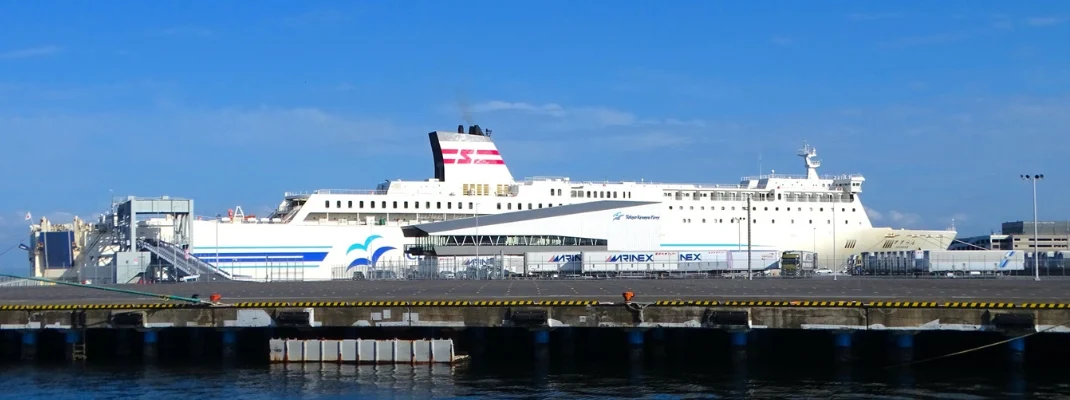
For a longer journey, the Tokyo Kyushu Ferry connects Yokosuka in Kanagawa Prefecture with Shin-Moji in Kitakyushu, on the island of Kyushu. The crossing takes approximately 21 hours, with a late-night departure and arrival the following evening. It offers an alternative to driving the entire distance through western Honshu.
This makes it an interesting option for travellers who want to explore Kyushu, including destinations such as Fukuoka, Beppu and the wider northern Kyushu region.
Booking Your Crossing
Unlike the Tokyo Wan Ferry, this service offers reservations. Bookings generally open two months before departure, and you can reserve online through the operator’s English-language website. You will need to provide passenger details and vehicle information, including its registration number and length.
Reservations are particularly advisable during Golden Week, summer holidays and other busy travel periods. The operator asks passengers to arrive at least 60 minutes before departure, increasing to 90 minutes during peak holiday seasons.
How Much Does It Cost?
The Tokyo Kyushu Ferry is considerably more expensive than a short crossing. Published passenger-vehicle fares for vehicles under five metres range from ¥42,000 to ¥50,000 one way, depending on the travel period. These fares include the driver’s basic passenger ticket.
Campervan fares depend on the vehicle’s length and registration classification. The operator allows certain registered campervans under six metres to travel at passenger-vehicle rates, while larger vehicles may be charged differently. Additional passengers require separate tickets.
If you’re ever unsure, you can check the official fare tables for current prices and your vehicle’s eligibility.
How to Board a Ferry with Your Campervan
Although boarding procedures differ between operators, the process is generally straightforward. Knowing what to expect before you arrive at the terminal will help you avoid delays and make boarding easier.
Arrive at the Correct Terminal
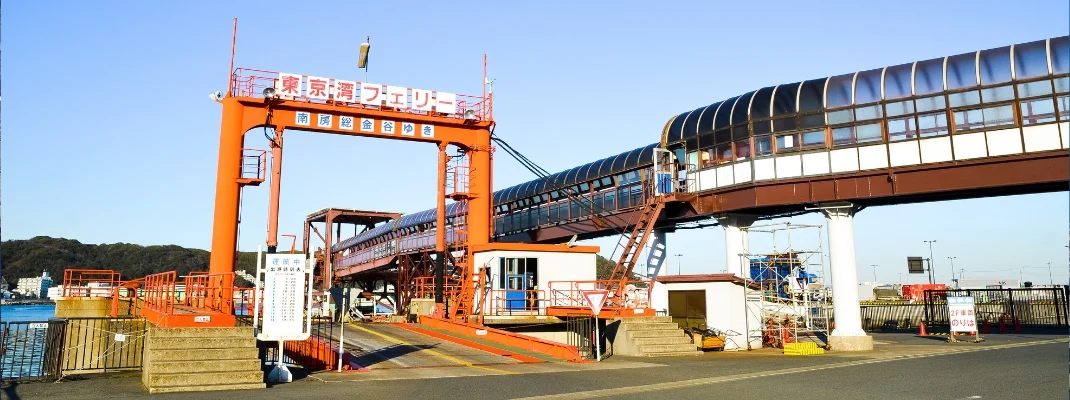
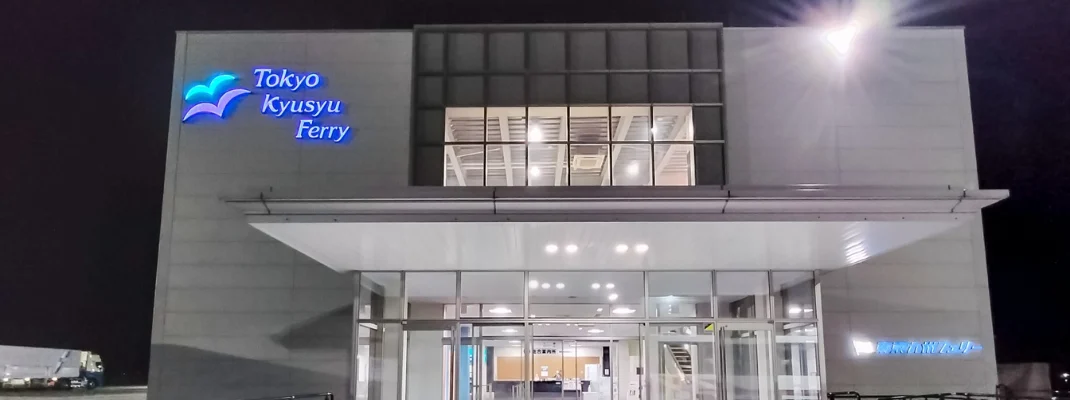
Check the terminal address carefully before setting off. The Tokyo Wan Ferry and Tokyo Kyushu Ferry both operate from the Yokosuka area, but use different terminals. Follow the signs for vehicle boarding and join the appropriate queue.
Prepare Your Vehicle
Before boarding, secure loose items inside your campervan, close windows and make sure your belongings are safely stored. Check the operator’s restrictions on hazardous materials. For example, Tokyo Kyushu Ferry prohibits certain fuel containers and gas cylinders, including camping gas canisters.
Follow the Crew’s Instructions
When boarding begins, ferry staff will direct you towards the vehicle deck. Drive slowly, maintain the instructed distance from other vehicles and follow any directions about where to park.
Once positioned, switch off the engine and secure your campervan as instructed. Take everything you will need during the crossing before leaving the vehicle.
Vehicle decks are generally closed to passengers while the ferry is at sea, so you should not expect to return to your campervan until disembarkation.
What Facilities Are Available on Japanese Ferries?
Facilities vary considerably depending on the route and crossing time. Short services such as the Tokyo Wan Ferry offer passenger seating and outdoor viewing areas. Long-distance ferries can feel more like small passenger ships.
On the Tokyo Kyushu Ferry, facilities include a restaurant, shop, communal bathing facilities and sleeping accommodation. Depending on the vessel, passengers may also find recreational areas and other amenities.
You cannot normally sleep in your campervan during the crossing. On longer journeys, basic passenger accommodation may be included in your fare, with upgrades available for greater privacy. Bring an overnight bag with toiletries, medication, comfortable clothing and anything else you might need.
Practical Tips for a Smooth Ferry Journey
A little preparation can make travelling by ferry much easier. Here are a few things to keep in mind:
- Check sailing schedules regularly. Strong winds, rough seas and other weather conditions can affect ferry services. Check the operator’s website before travelling.
- Keep your plans flexible. Avoid scheduling important activities immediately after arrival, particularly when taking a longer crossing.
- Check camping equipment restrictions. Gas canisters, fuel containers and other equipment may be subject to safety rules. Ask the operator about anything you are unsure of.
- Plan your onward journey. Make sure you have somewhere suitable to stay after disembarking, especially if your ferry arrives late in the evening.
- Remember your rental return arrangements. If your campervan must be returned to Narita, allow enough time to drive back or arrange a suitable return ferry crossing.

Make Ferries Part of Your Japan Road Trip
Taking your campervan on a ferry can open up new possibilities for exploring Japan.
Whether you choose a quick crossing across Tokyo Bay or a longer journey to Kyushu, understanding the booking process and preparing your vehicle will help everything run smoothly.
With a little planning, ferry travel can become an enjoyable part of the adventure rather than simply another way to reach your next destination.
About the Author

Mayumi
I love nature and travel. I have lived and traveled in some countries and seen many cultures. I would love to share stories of Japan so that visitors can learn more about this wonderful and unique culture and have an unforgettable and enjoyable trip.



Our Campervans