
Campervan Road Trip Japan: Customer Story
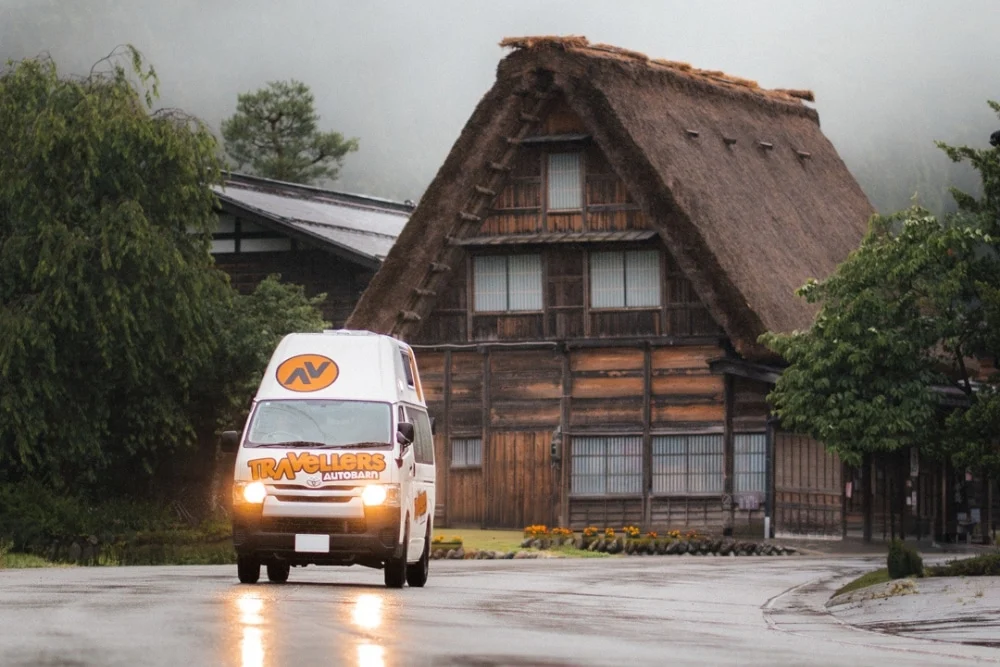
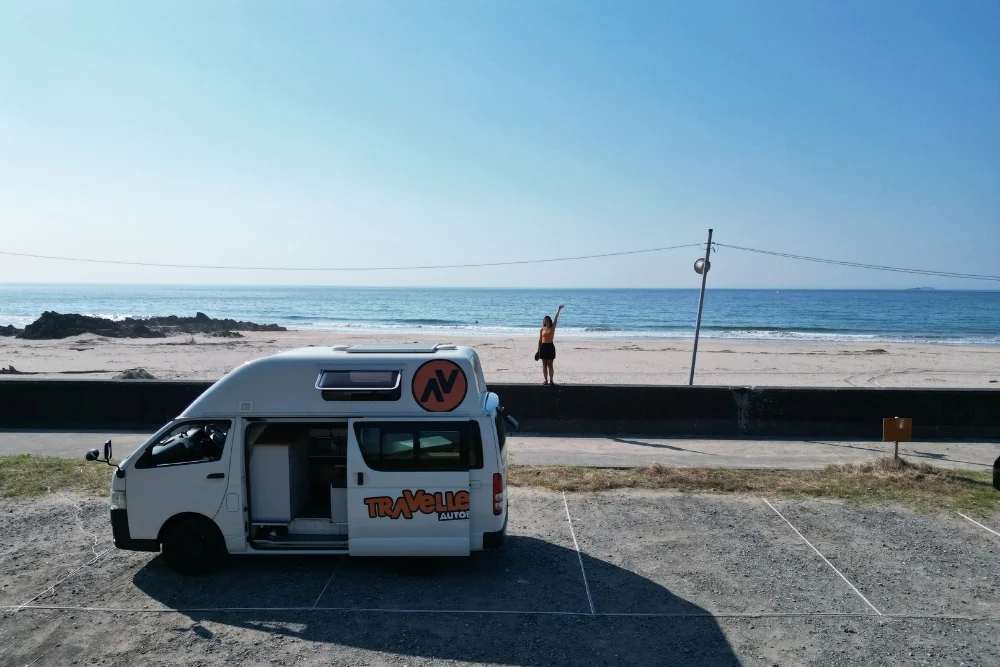
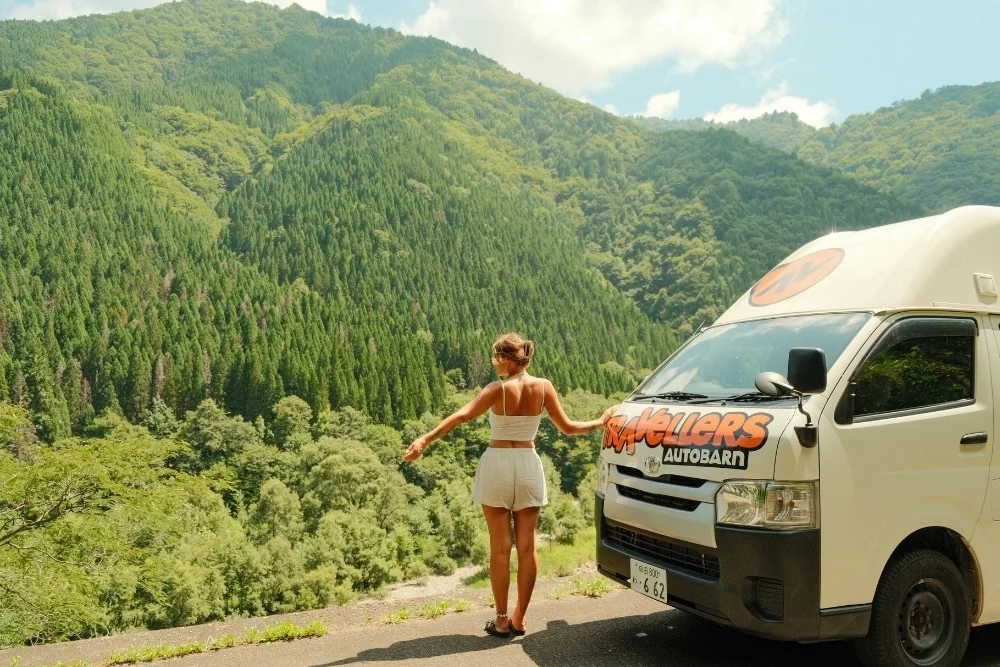
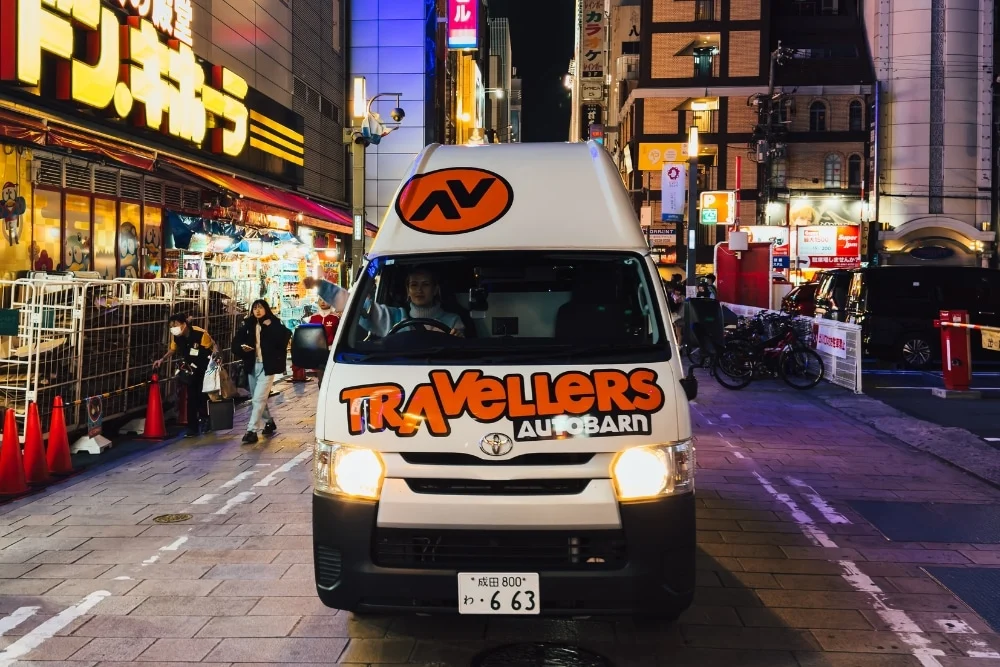
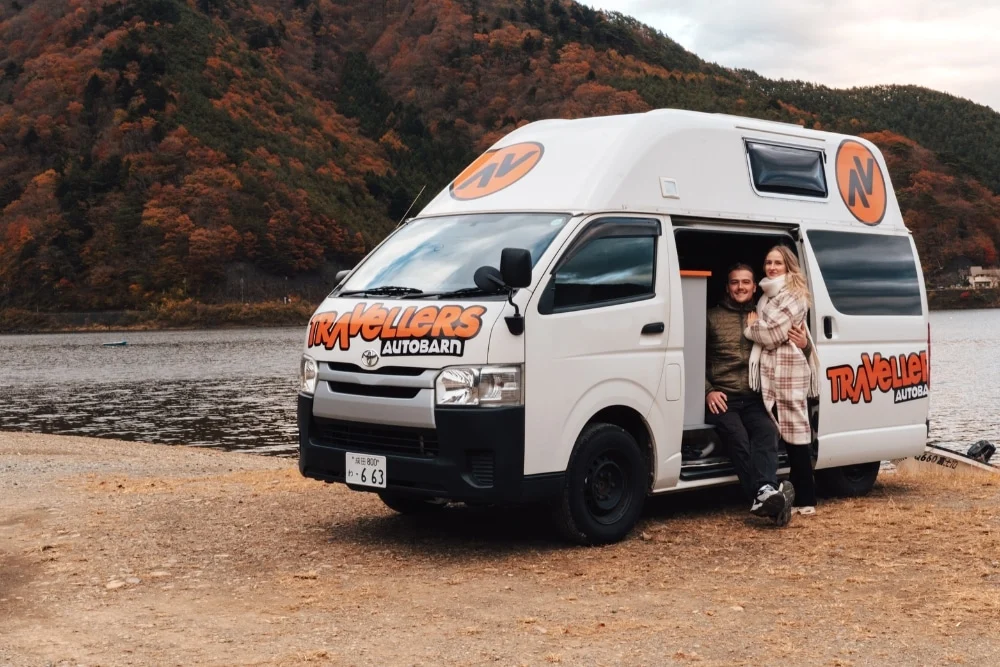
Follow this Travellers Autobarn Japan customer’s story on a 12-day solo campervan road trip through Tohoku, chasing cherry blossoms, coastal views, and historic gems!
Days 1–3: Flying In, Pickup & Chasing Cherry Blossoms
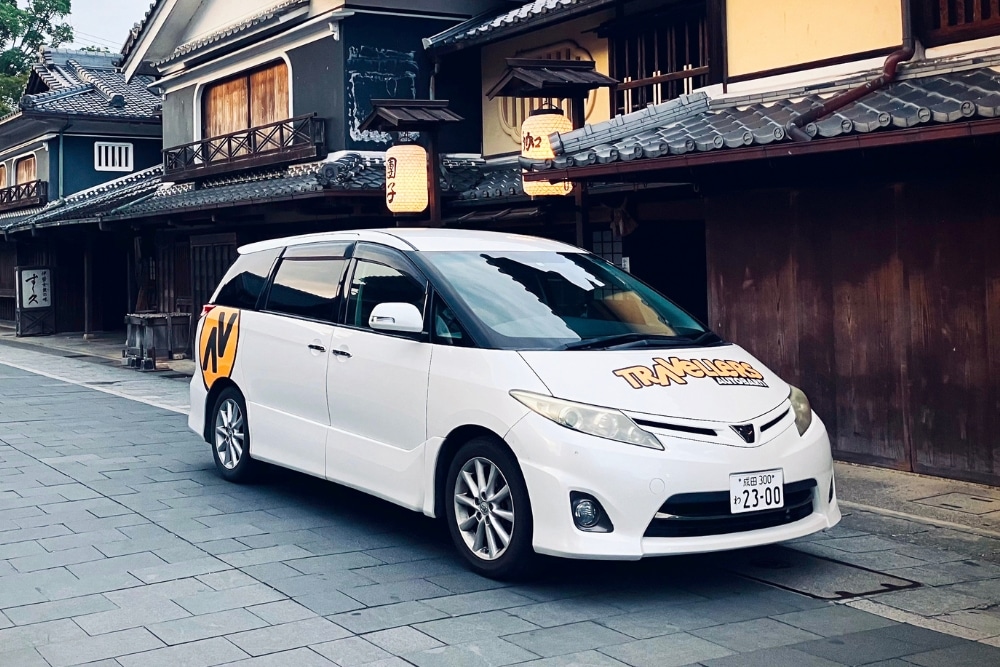
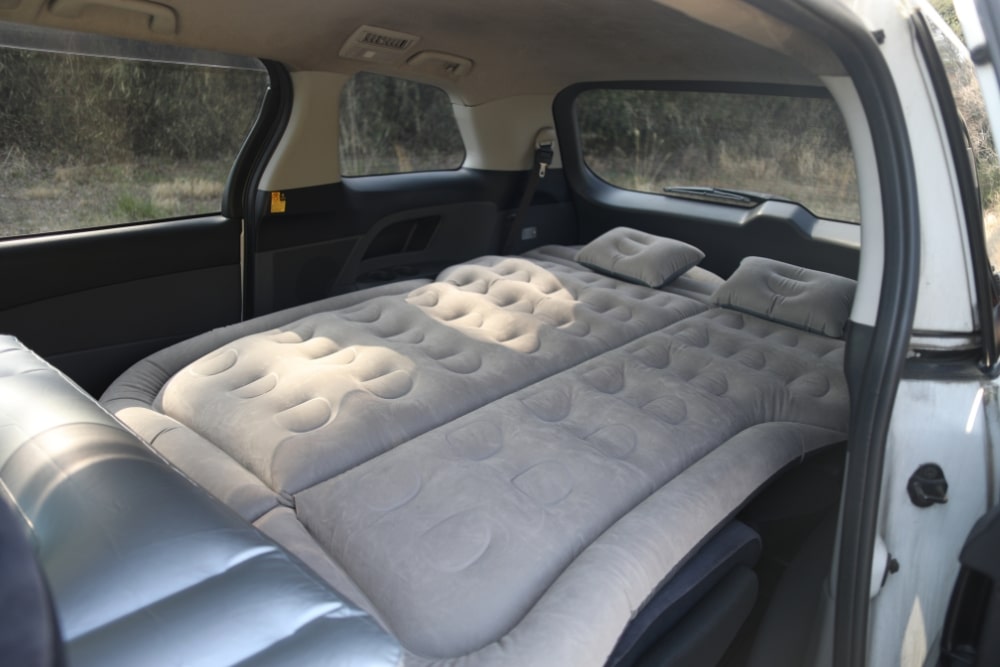
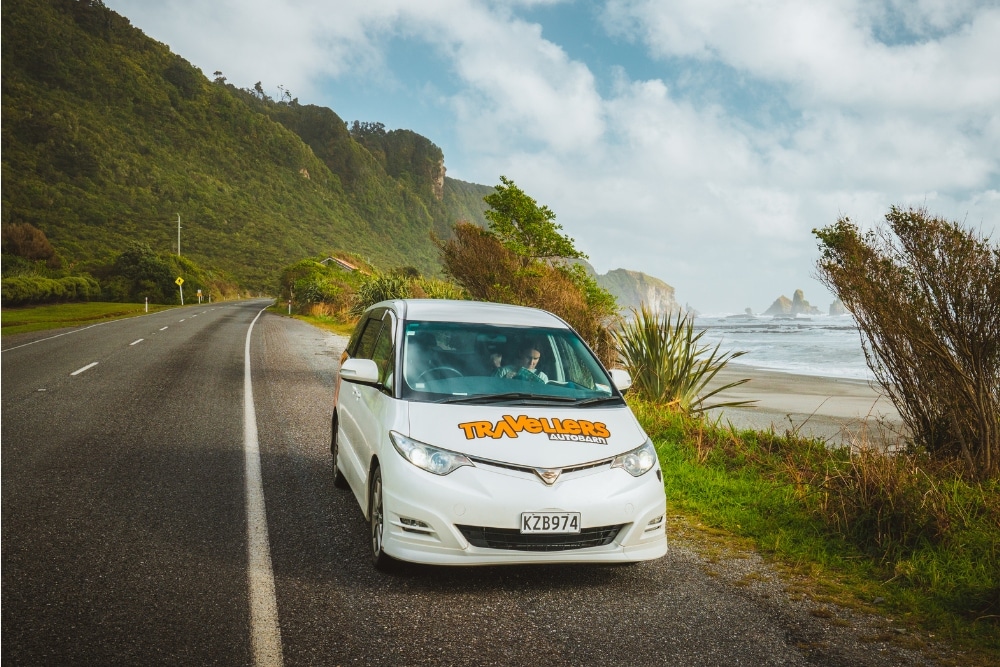
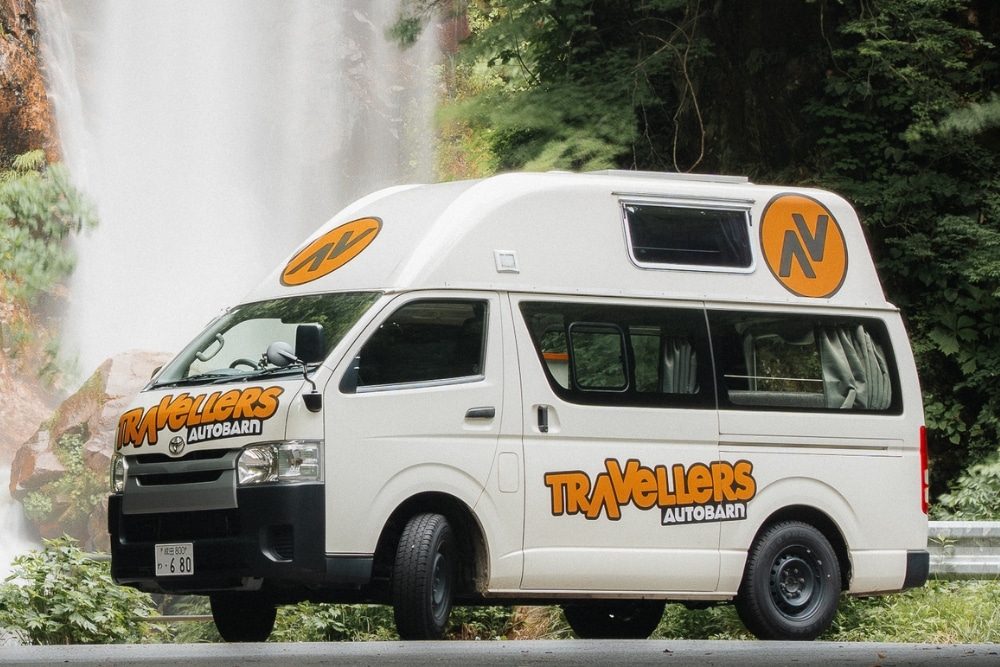
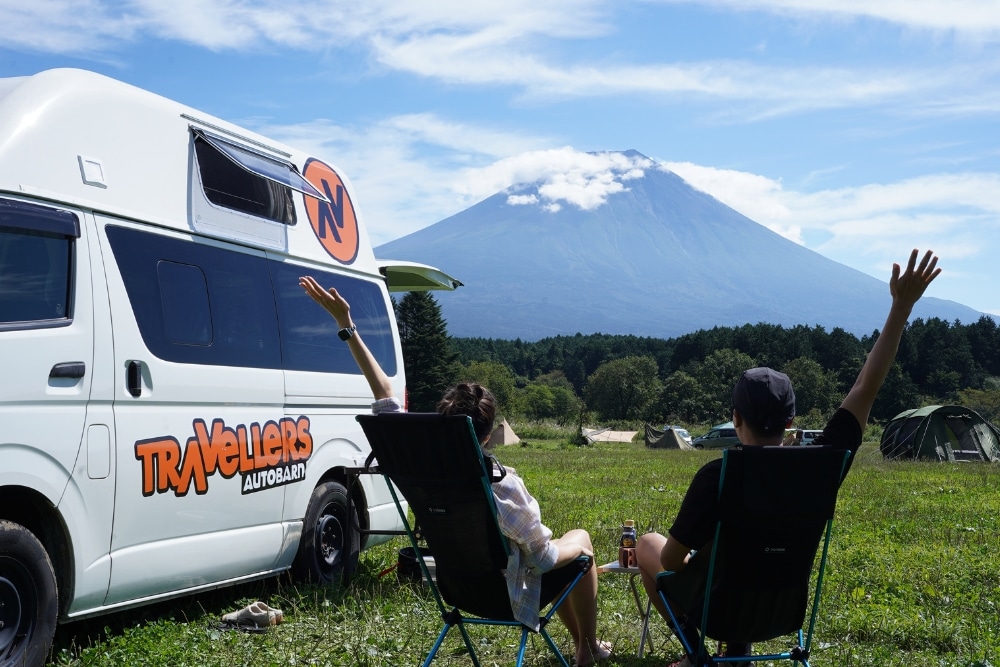
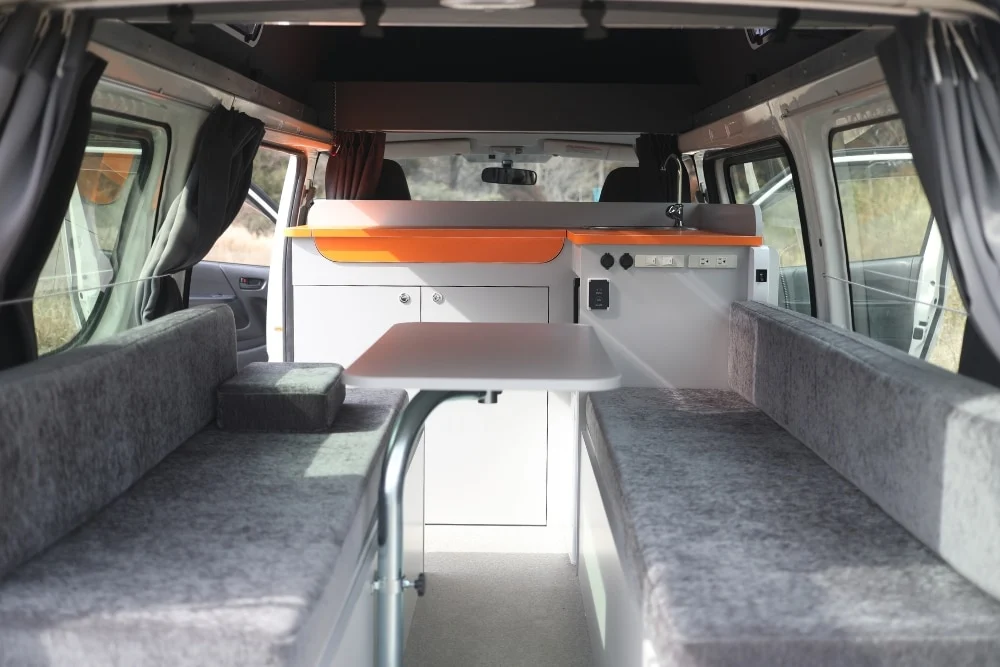
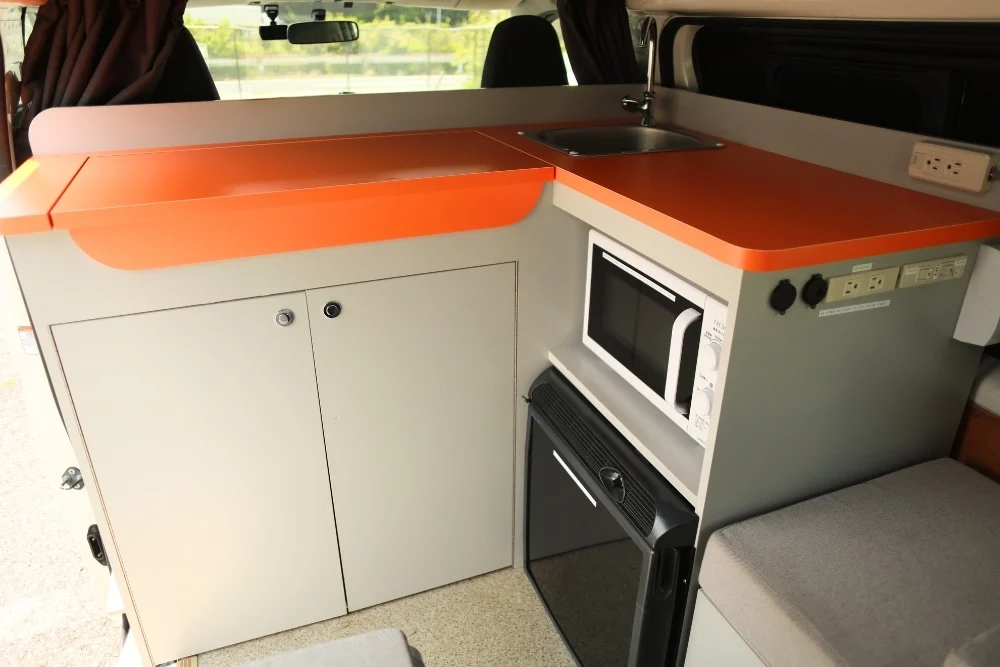
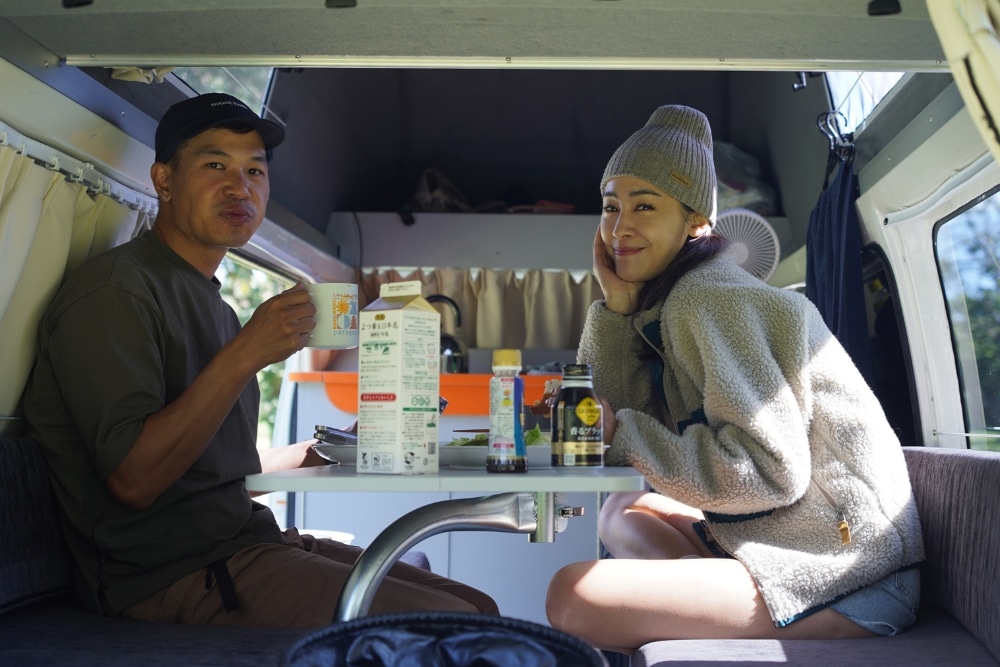
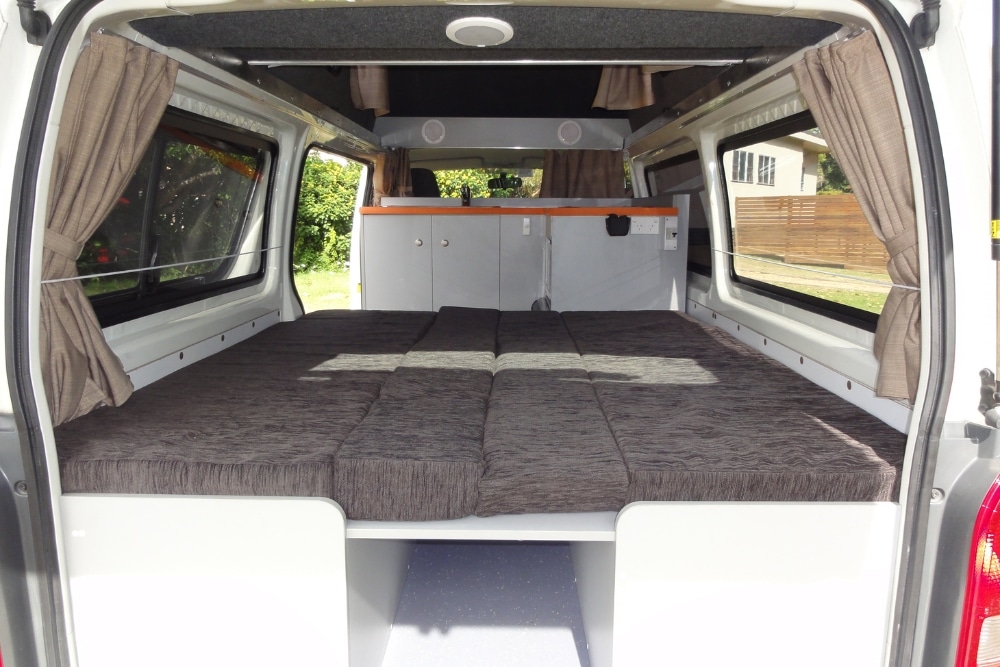
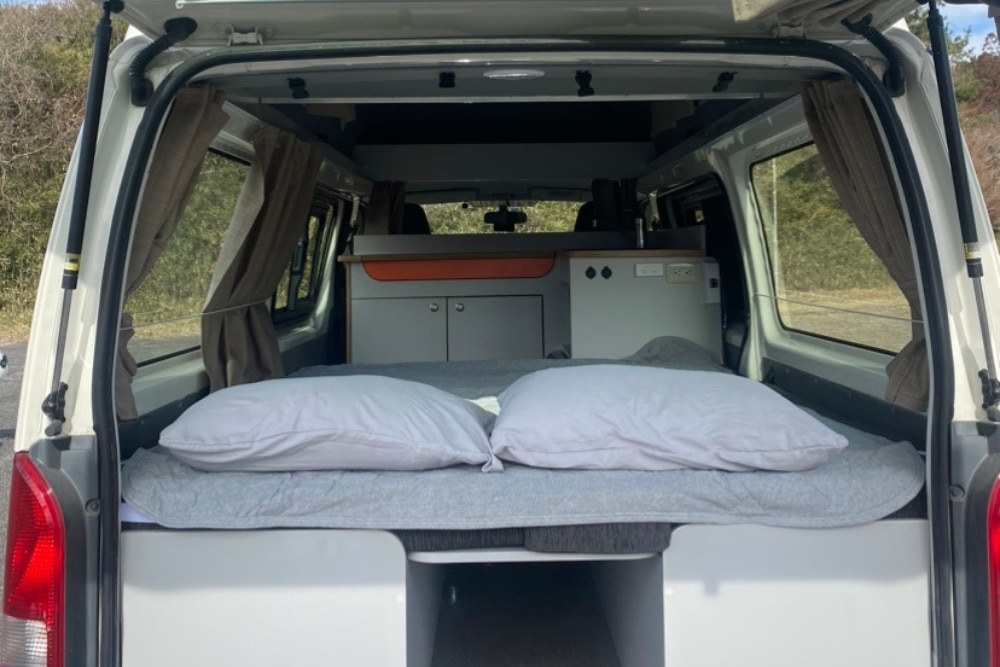
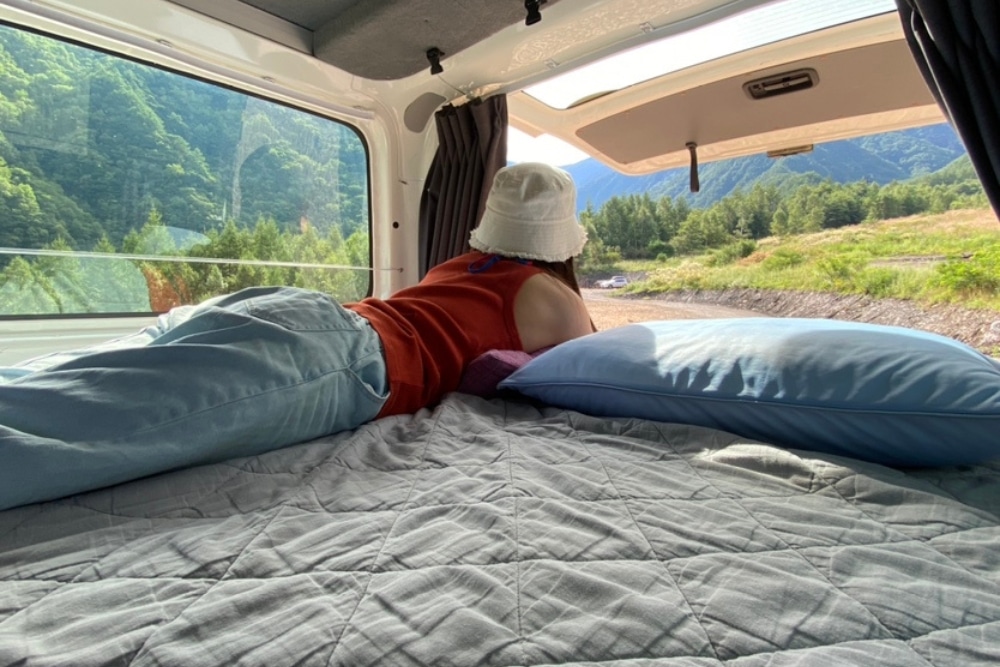
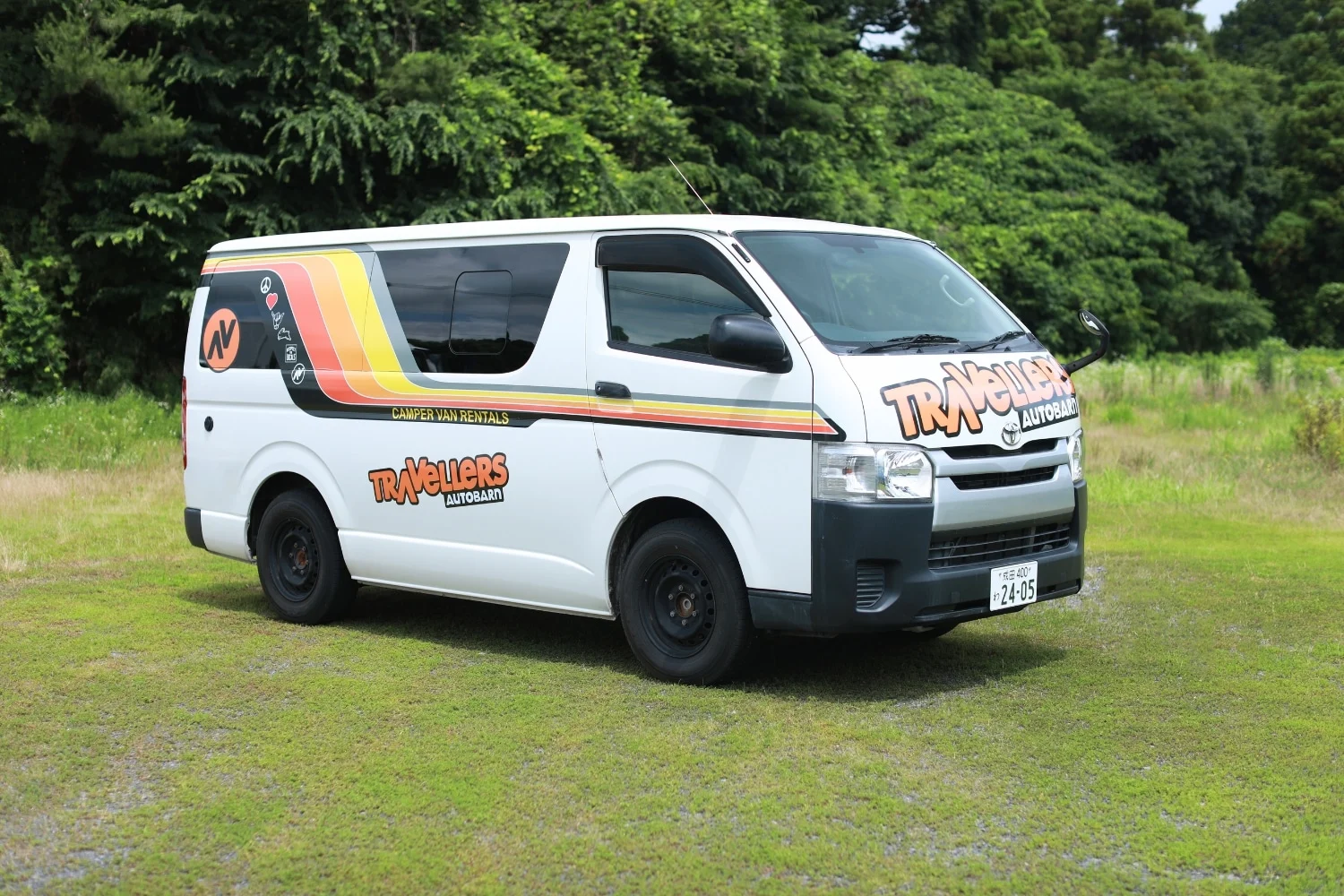
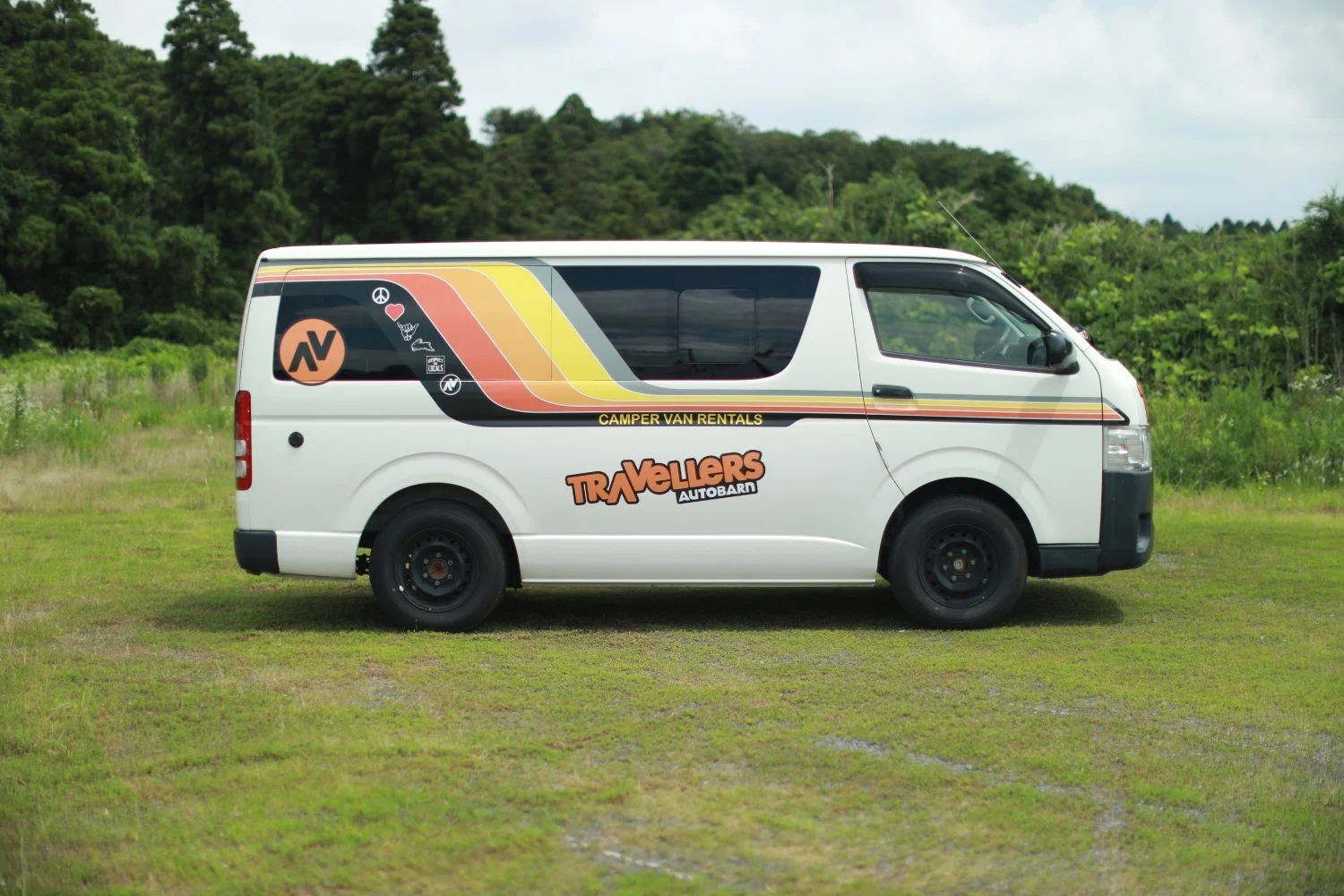
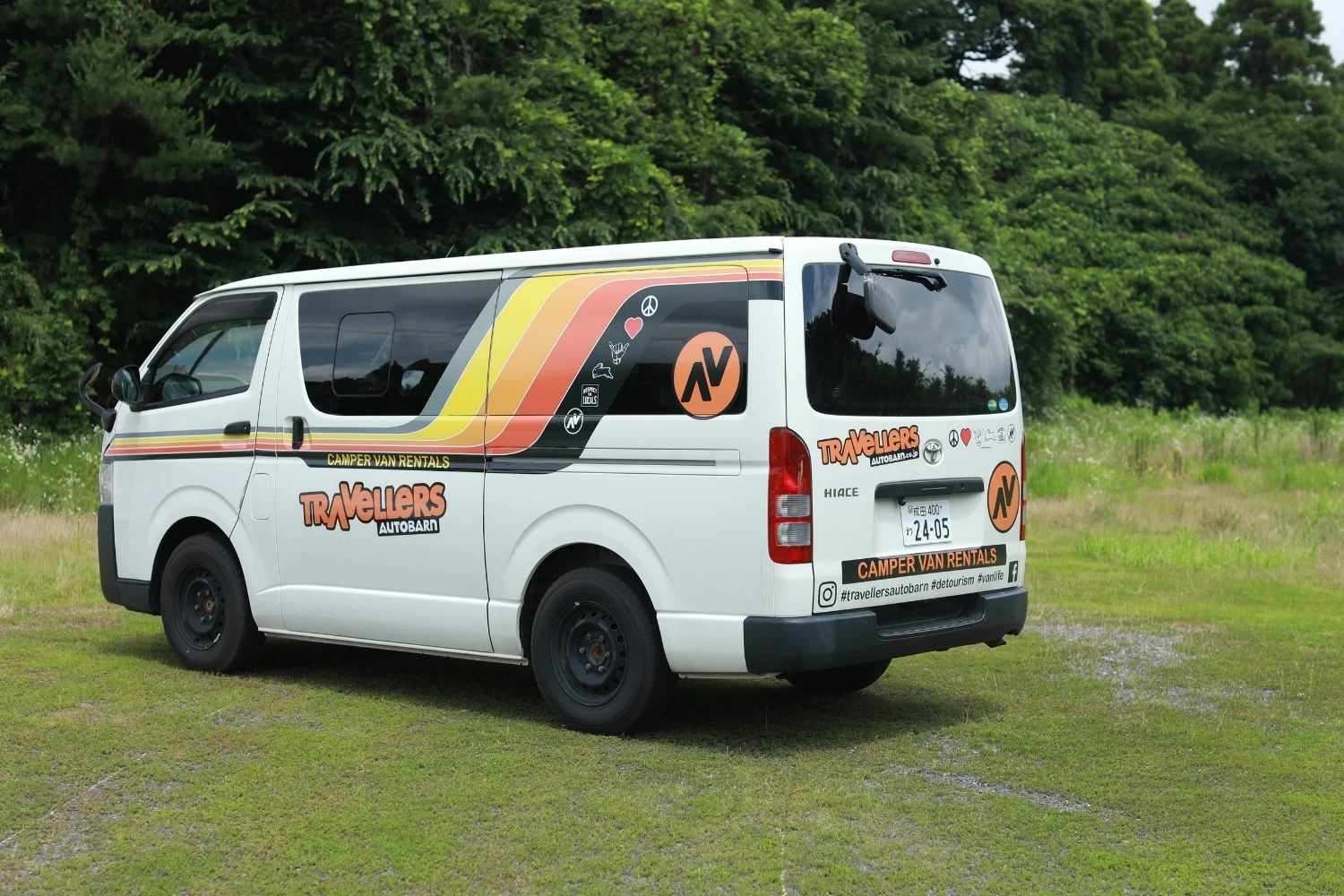
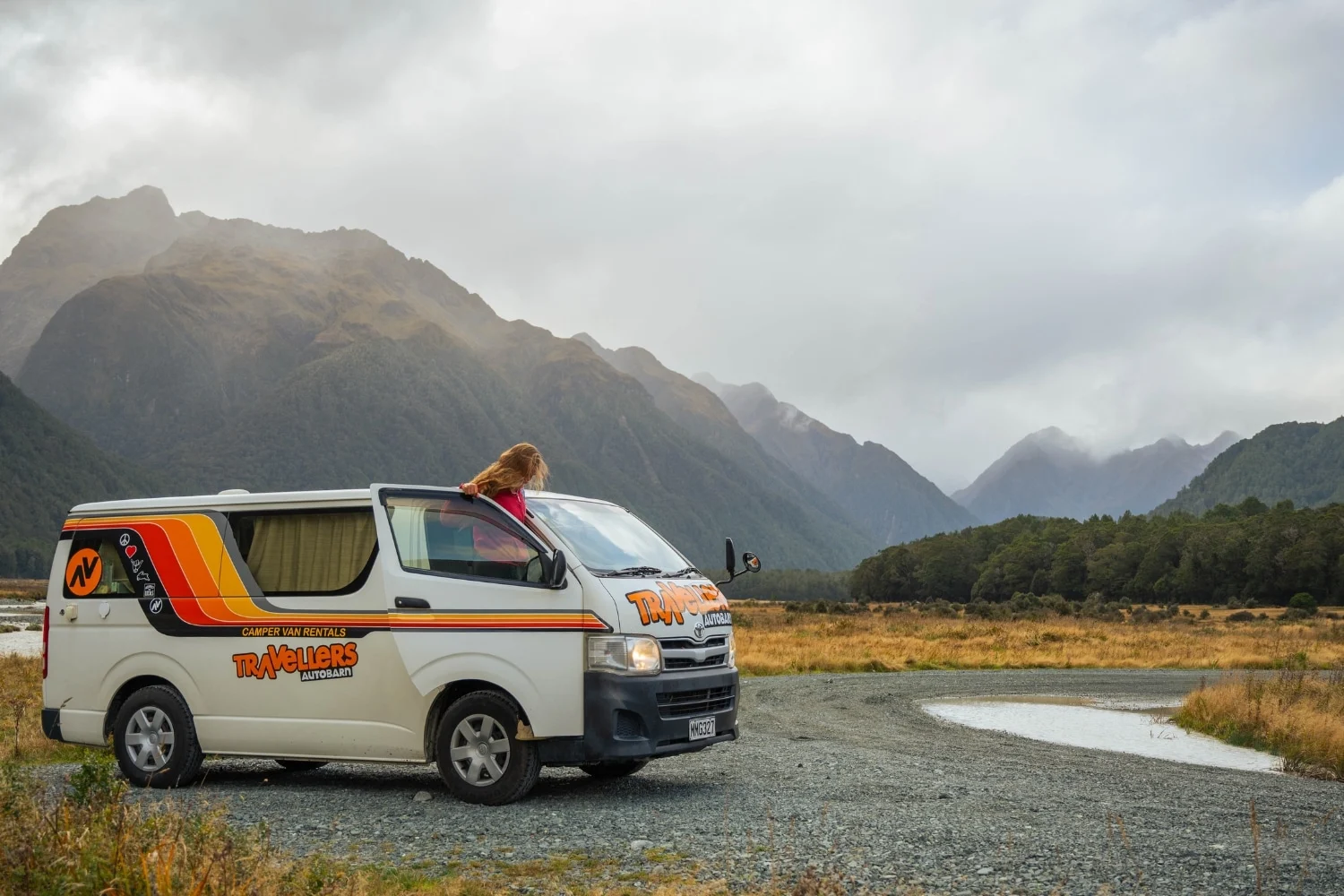
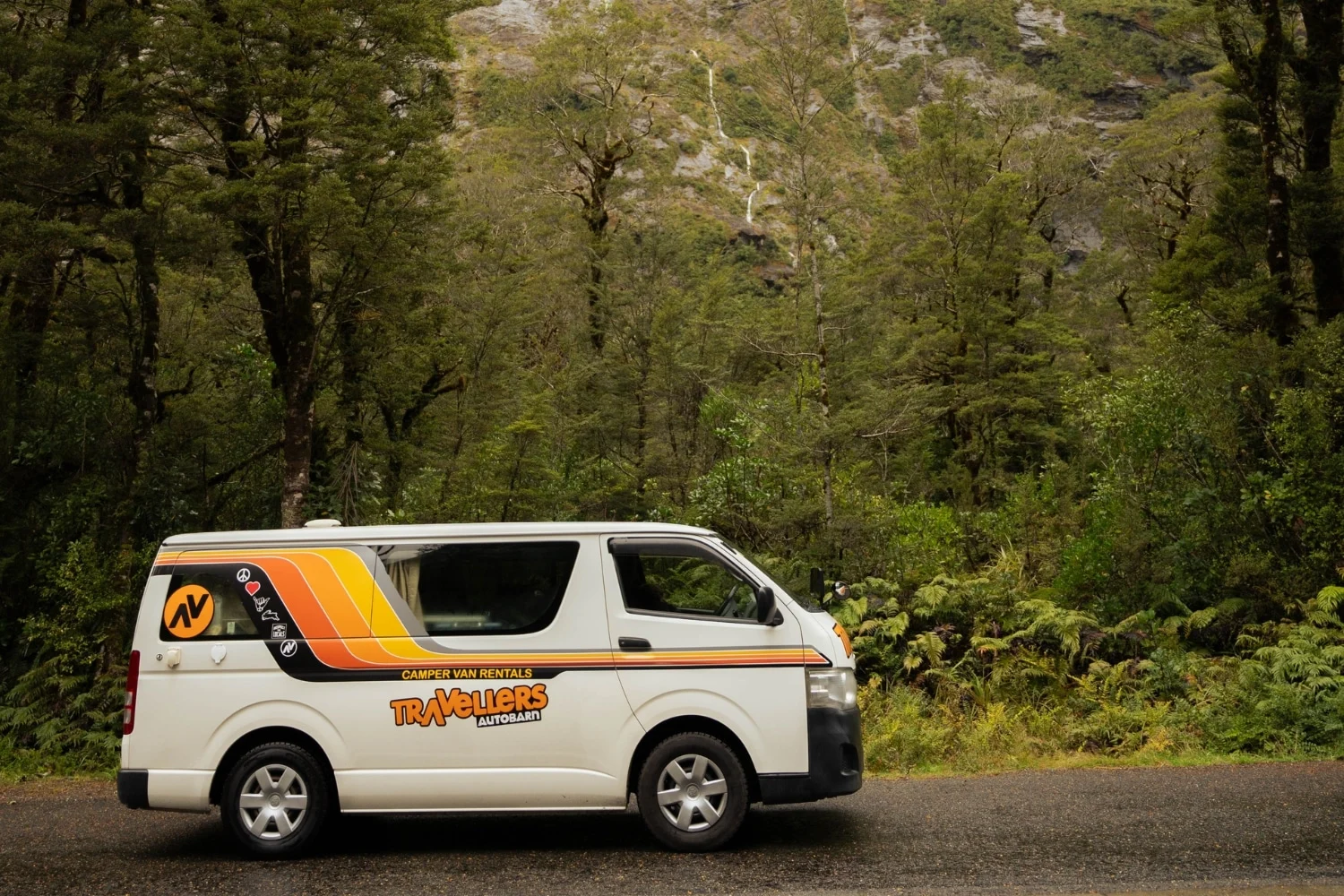
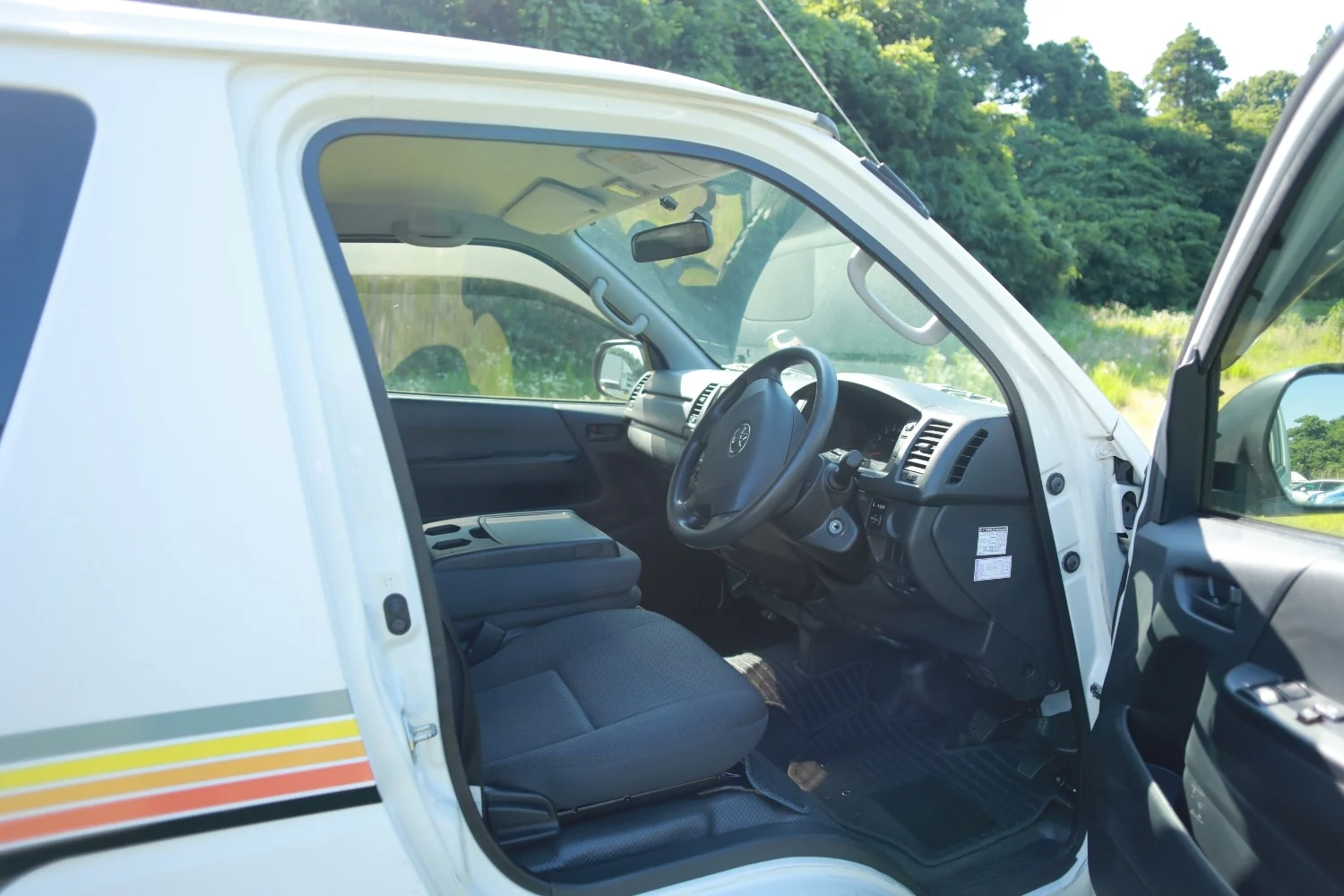
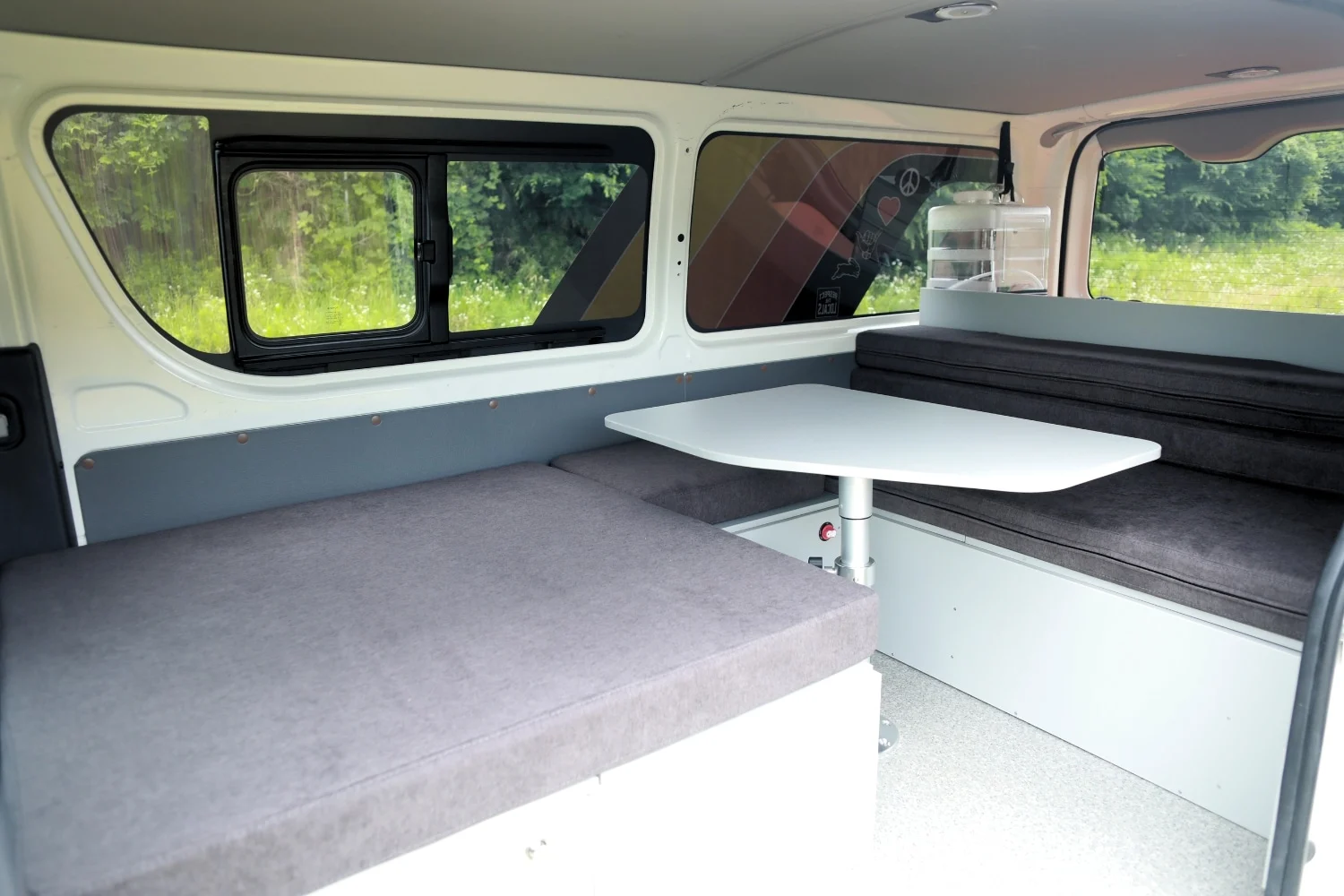
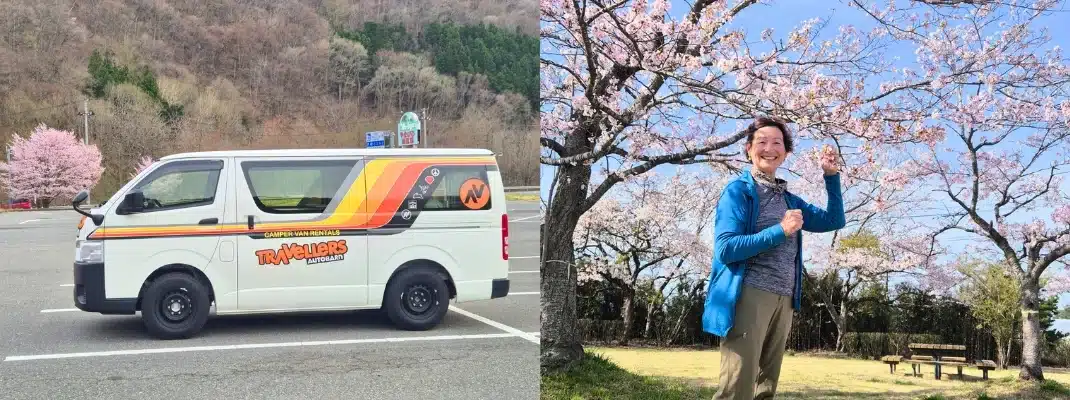
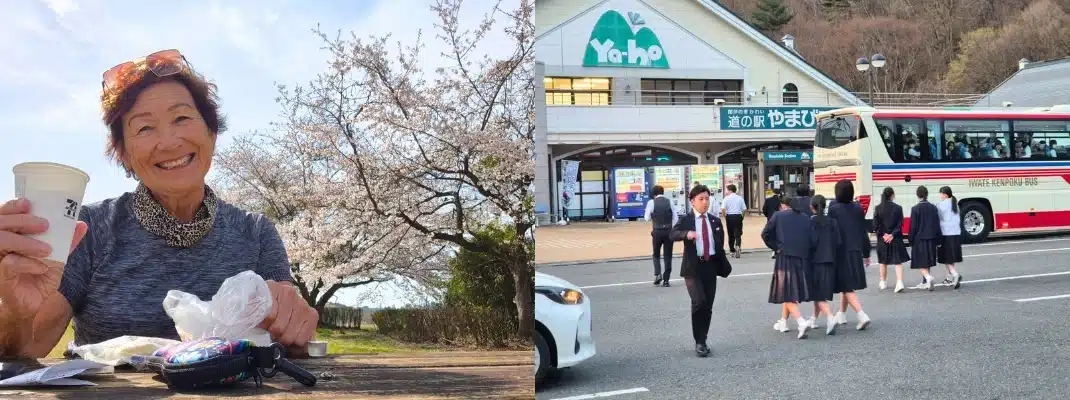
My journey began with early-morning card glitches and Uber detours in Brisbane before flying via Cairns to Narita. After picking up my Suica card, setting up an eSim, and resting at my hotel, I collected a practically brand-new Toyota campervan (with only 608 km on the clock) the following morning. My goal was to chase the cherry blossom front as it moved north. I joined the Joban Expressway, taking in green rice paddies along the way, sampling savory curry buns and sweet toasted soybean gokabau at rest stops, and fully enjoying the freedom of an open schedule. On my first night in Osaki, I tucked into a $10 bowl of rich pork ramen, where a kind tourist officer even gifted me bottles of water for hydration—a sweet moment of local hospitality.
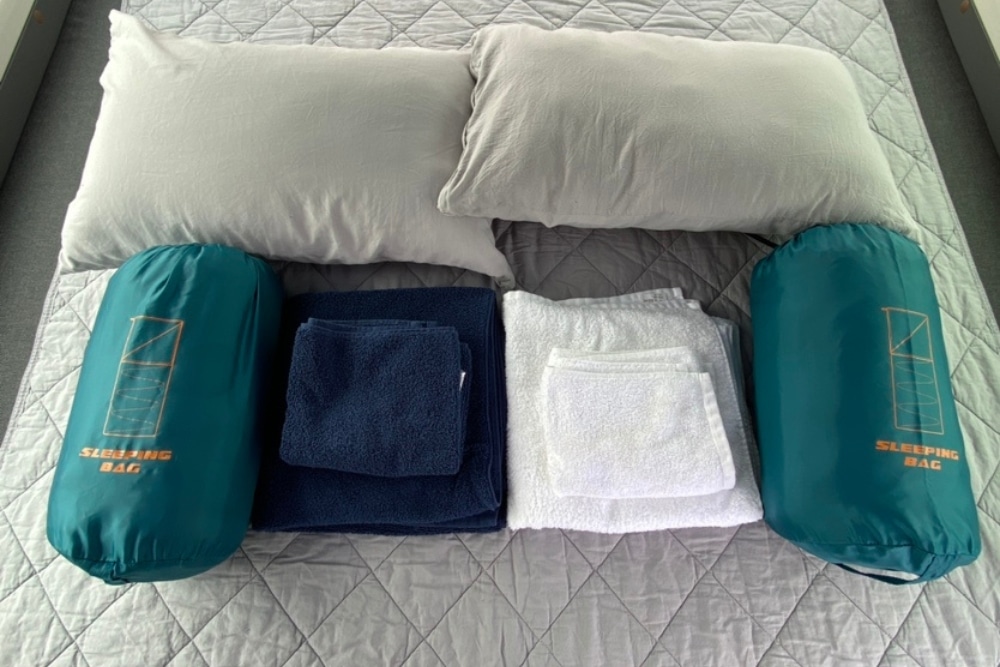
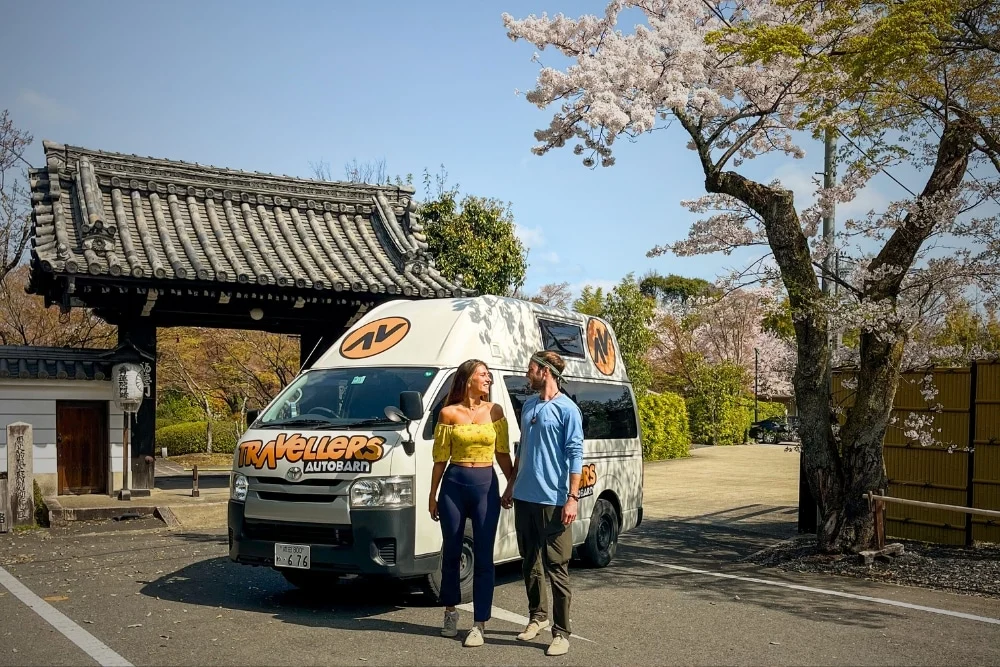
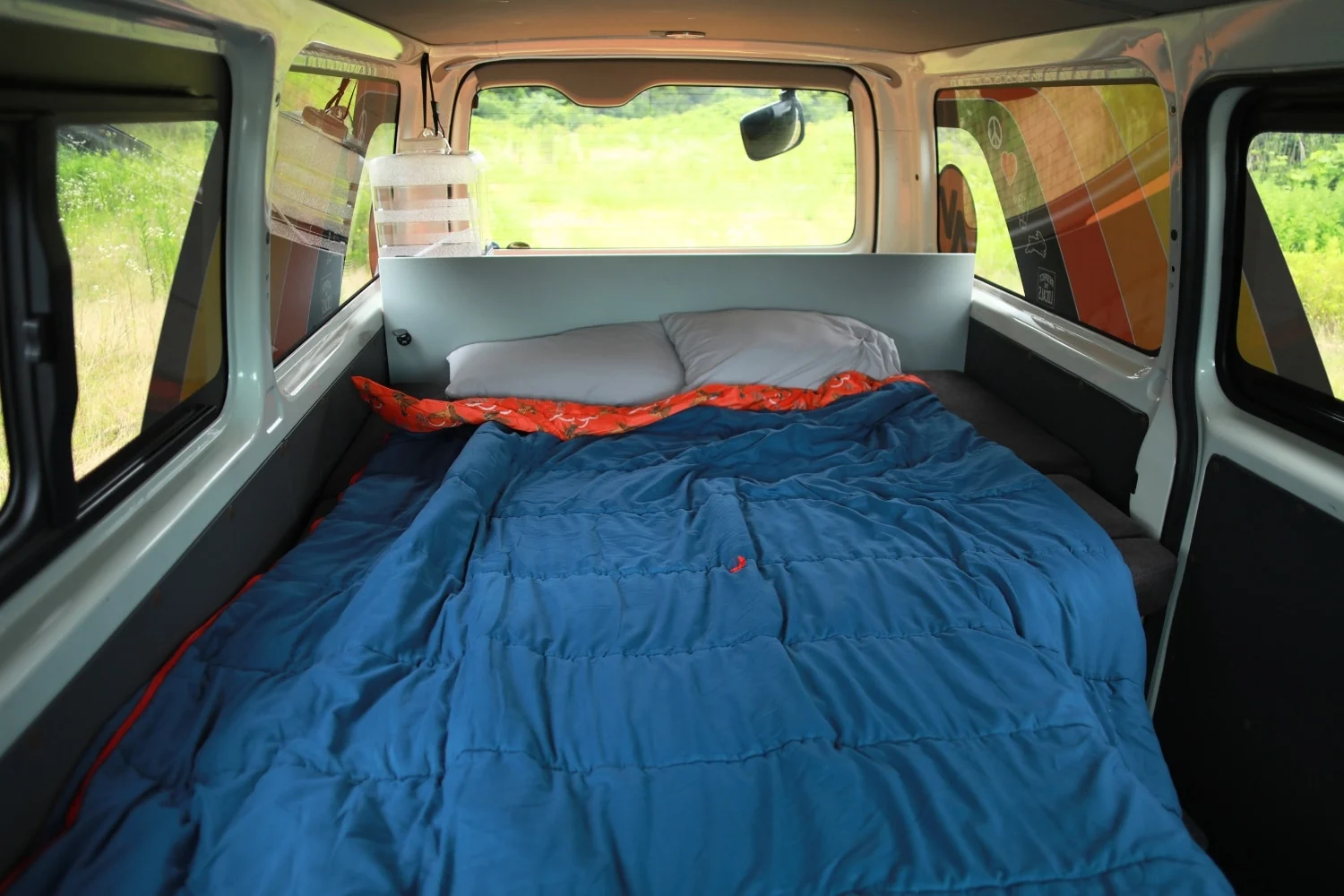
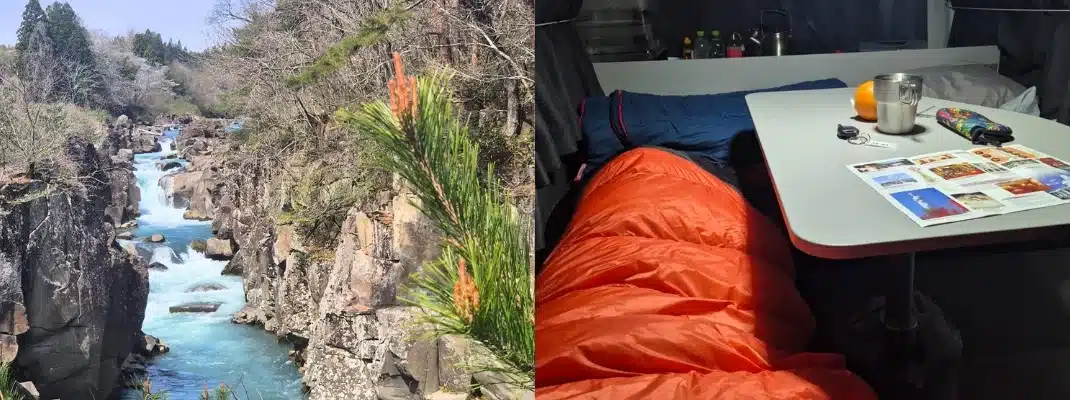
Day 3 started at Genbikei Gorge, famous for its “Flying Dango” cable system that delivers hot tea and sticky rice dumplings across the river in a wooden basket. After taking in the gorge’s rugged beauty, I made my way to my main destination: Kitakami Tenshochi Park. A breathtaking canopy of full-bloom cherry trees stretched endlessly along the riverbanks, creating an overwhelming tunnel of pink petals fluttering in the breeze. After soaking in the blossoms to my heart’s content, I drove up to Taneyamagaha at an elevation of 600 meters, wrapping myself tightly in my sleeping bag to stay cozy through the chilly night.
Days 4–6: The Sanriku Coast & Tsunami Resilience
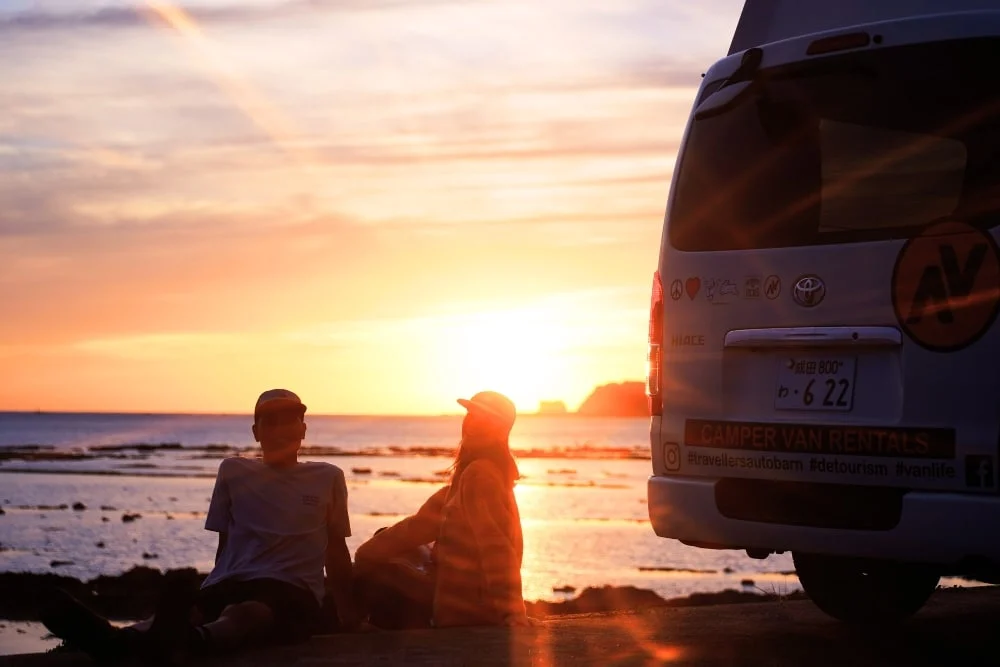
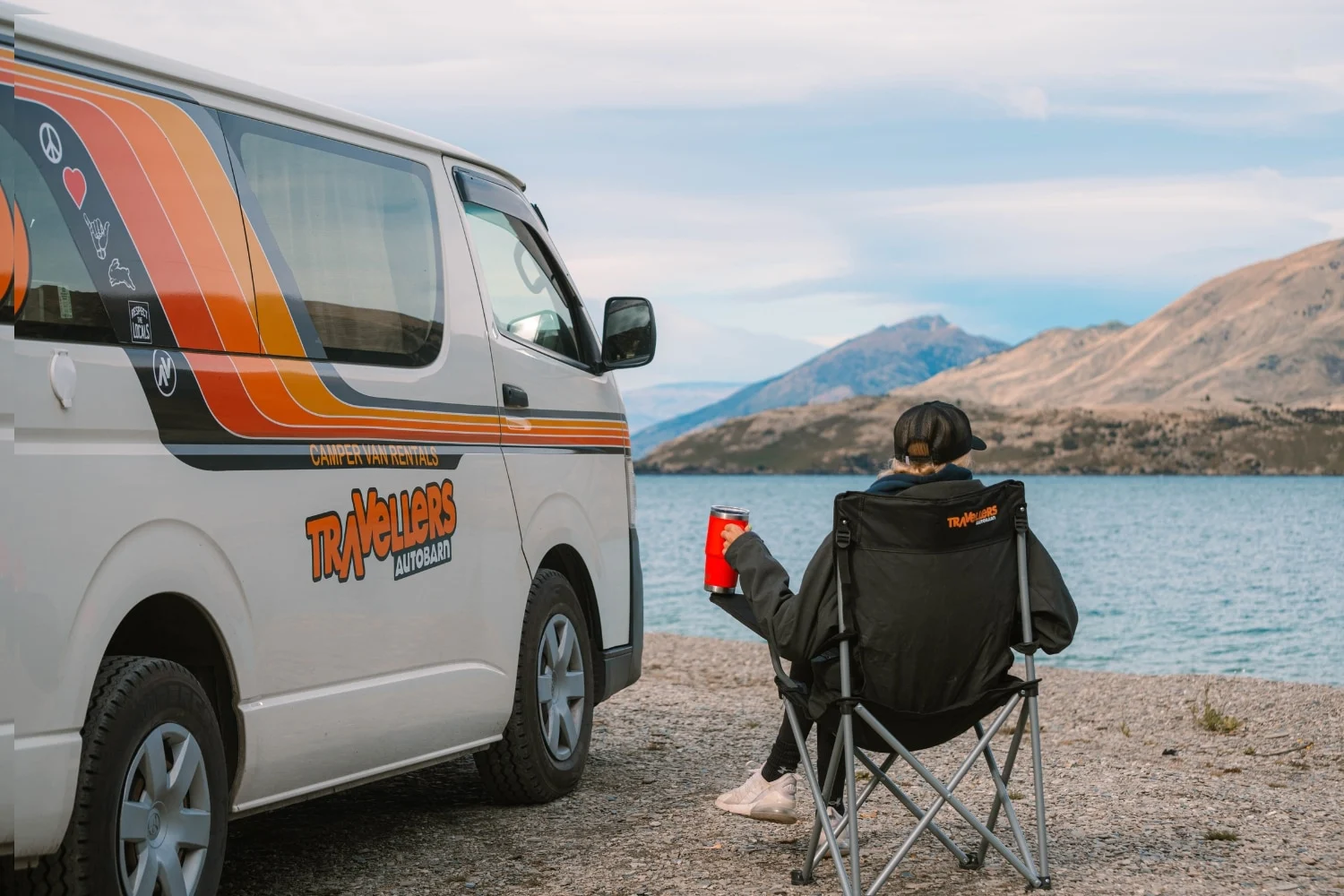
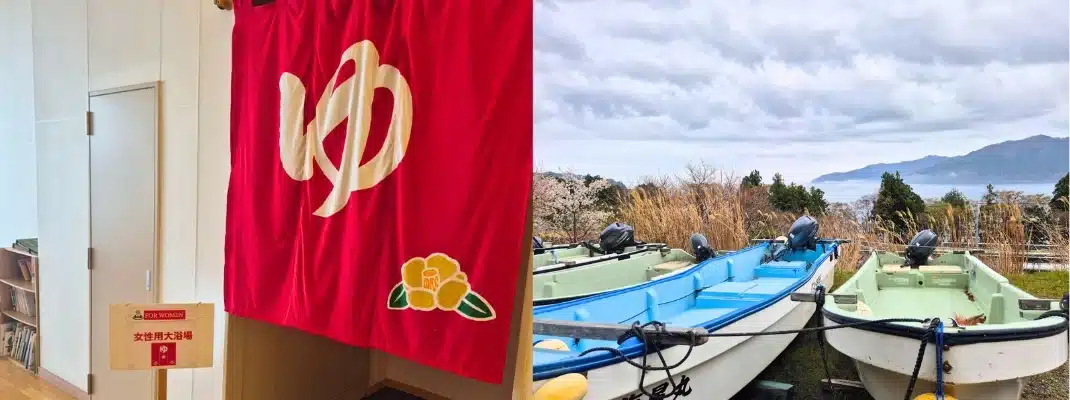
Turning east toward the coast, I stopped in Ofunato for a $5 seaside onsen. Soaking in an open-air thermal bath with sweeping ocean views washed away all my driving fatigue. Afterward, I drove to the quiet fishing village of Yoshihama, parking right along the bay to spend a peaceful night listening to the gentle crash of waves.
Driving north along the Sanriku Coast on Day 5 highlighted the tragic history of the 2011 earthquake and tsunami, as well as the region’s remarkable recovery. I passed towering 14-meter concrete seawalls built to protect coastal towns, then visited the 48-meter Kamaishi Daikannon statue. Climbing over 200 steps to the upper viewing platform rewarded me with panoramic ocean vistas, leaving me deeply moved by the strength and resilience of the local communities.
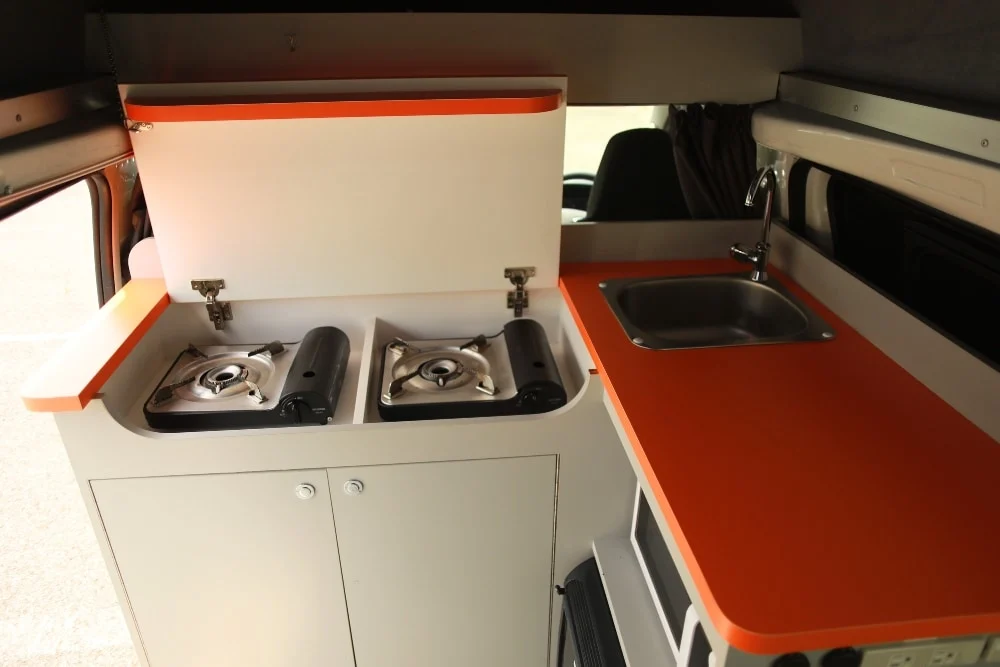
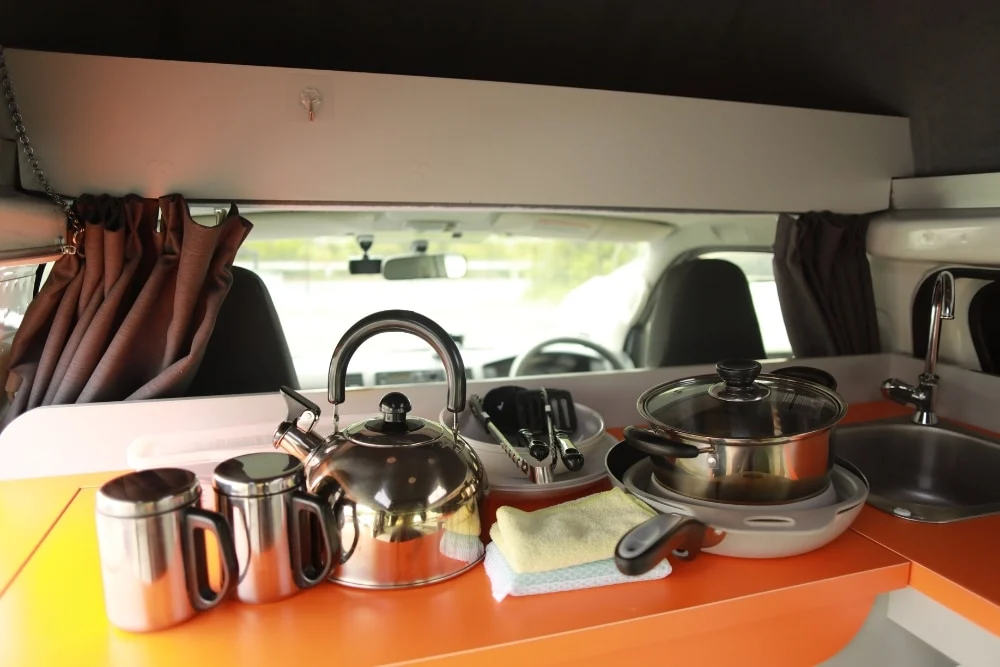
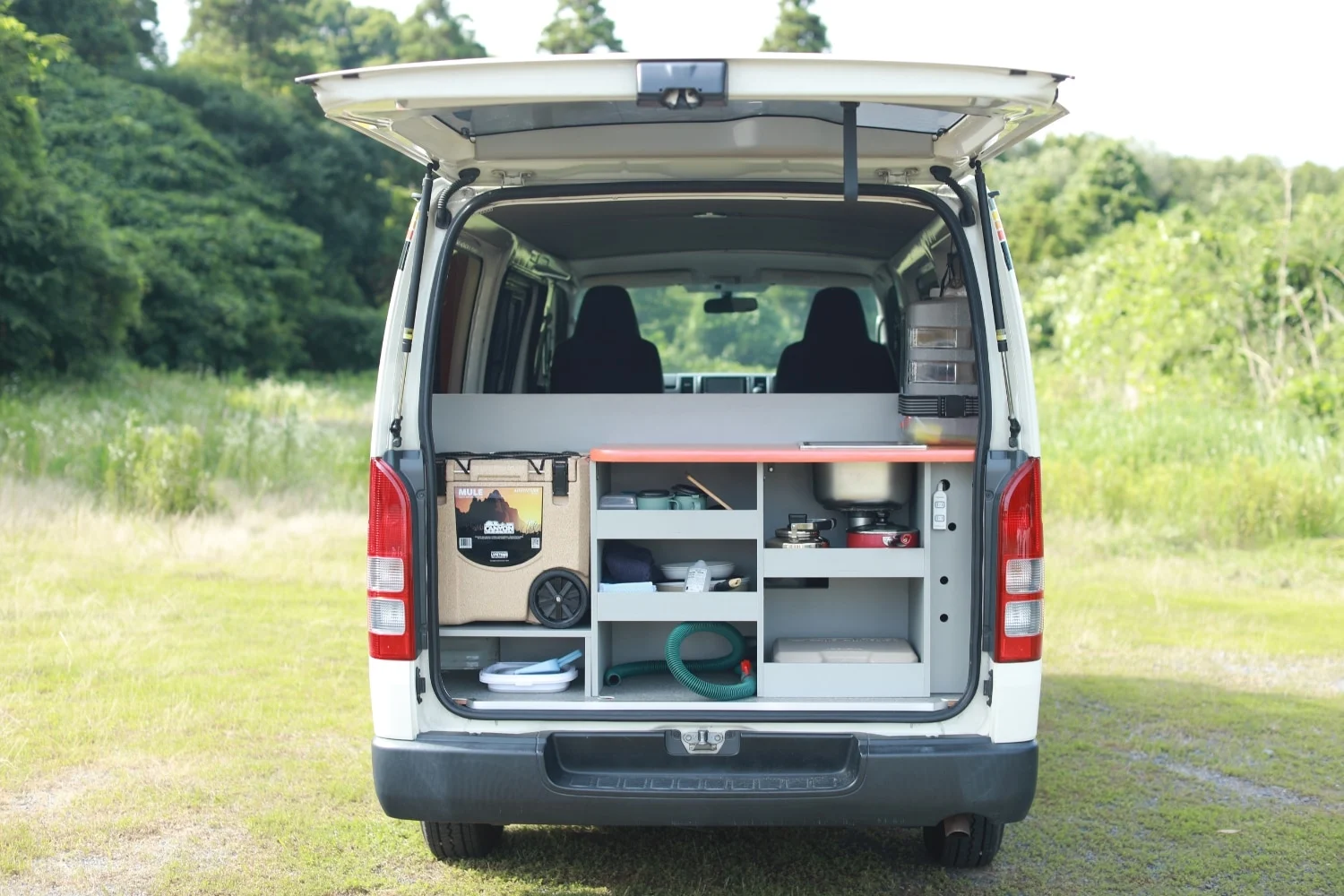
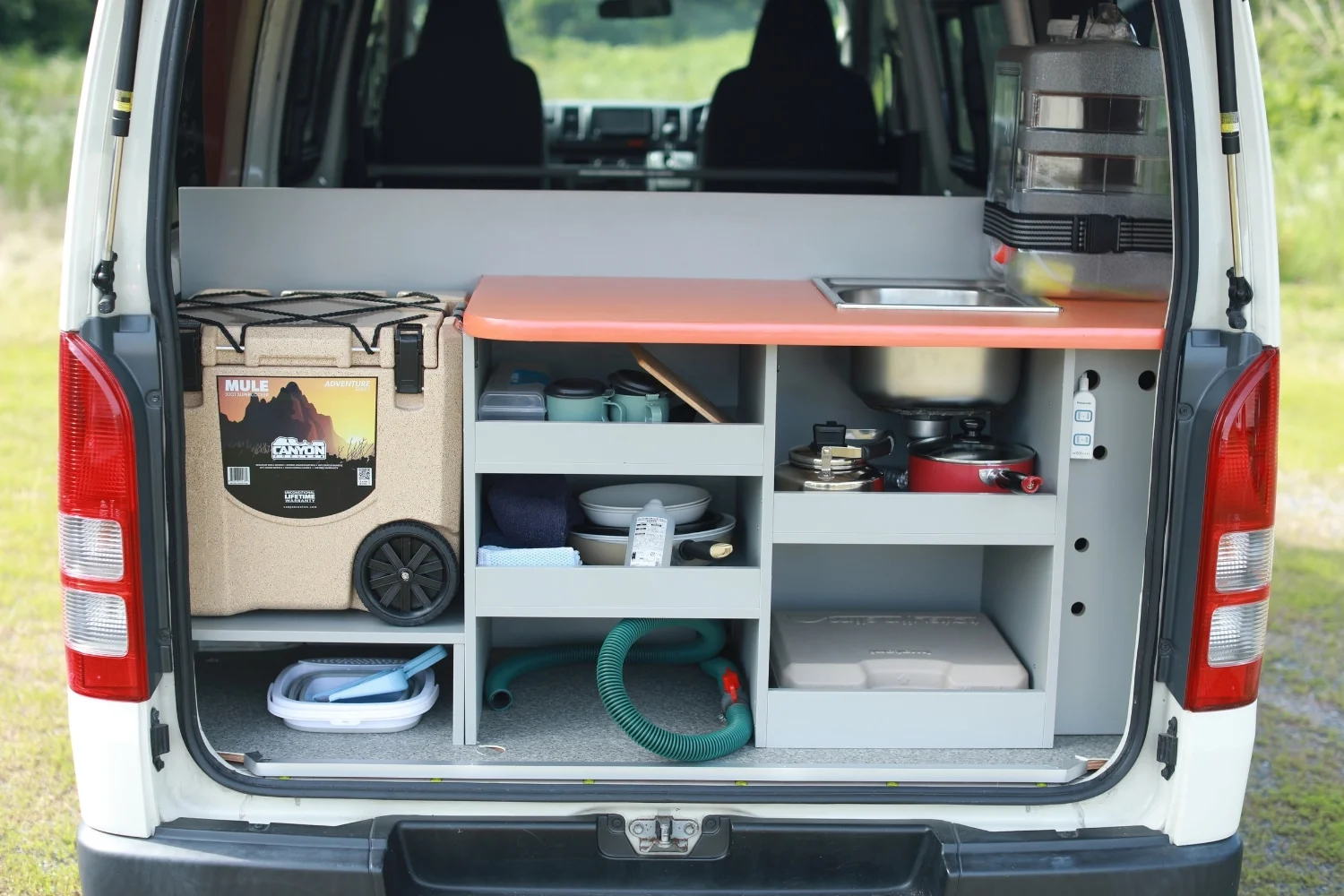
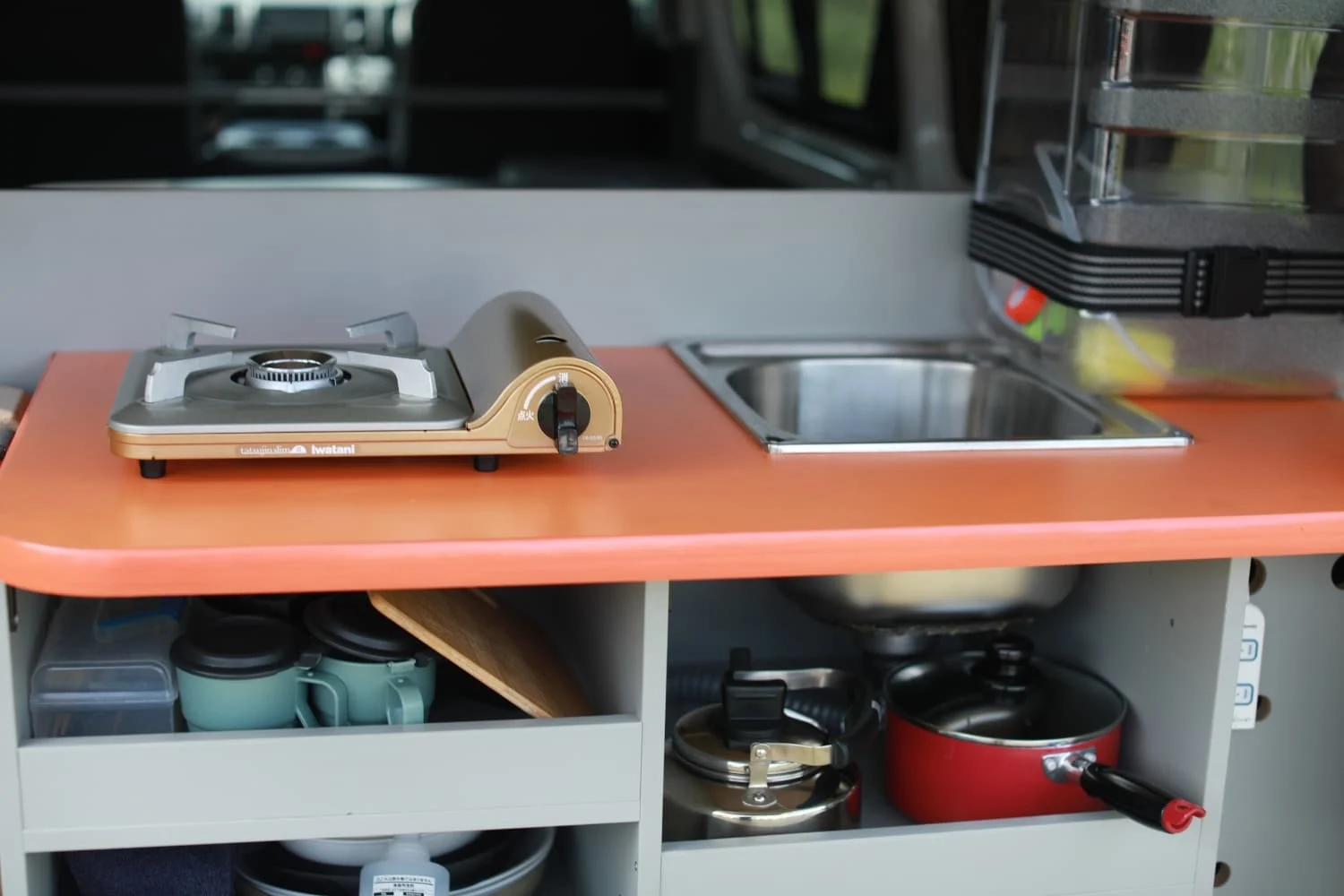
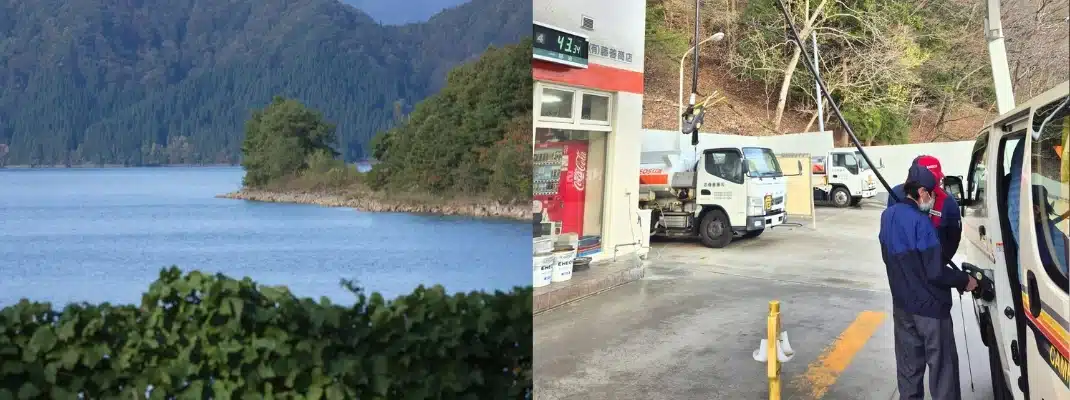
Cold weather on Day 6 temporarily weakened my stove’s gas canister, requiring me to warm it in the morning sun to brew coffee. In Miyako, a friendly optician kindly repaired my reading glasses for free. Later at a rural gas station, I had a great laugh with the attendants after failing to realize the fuel hoses were hanging directly overhead from the ceiling structure!
Days 7–9: Samurai Heritage, Local Kindness & Mt Zao
Rain arrived on Day 7, so I took a scenic drive around Lake Tazawa—Japan’s deepest lake—before heading to Kakunodate’s preserved samurai district. Touring the historic Ishiguro Manor offered a fascinating glimpse into samurai history, showing how many functioned as high-ranking bureaucrats and administrators rather than just battlefield warriors. In Akita City the next day, I wandered through Senshu Park during its lively cherry blossom festival and visited the Folk Performance Hall to marvel at the 50 kg Kanto pole-balancing tradition.
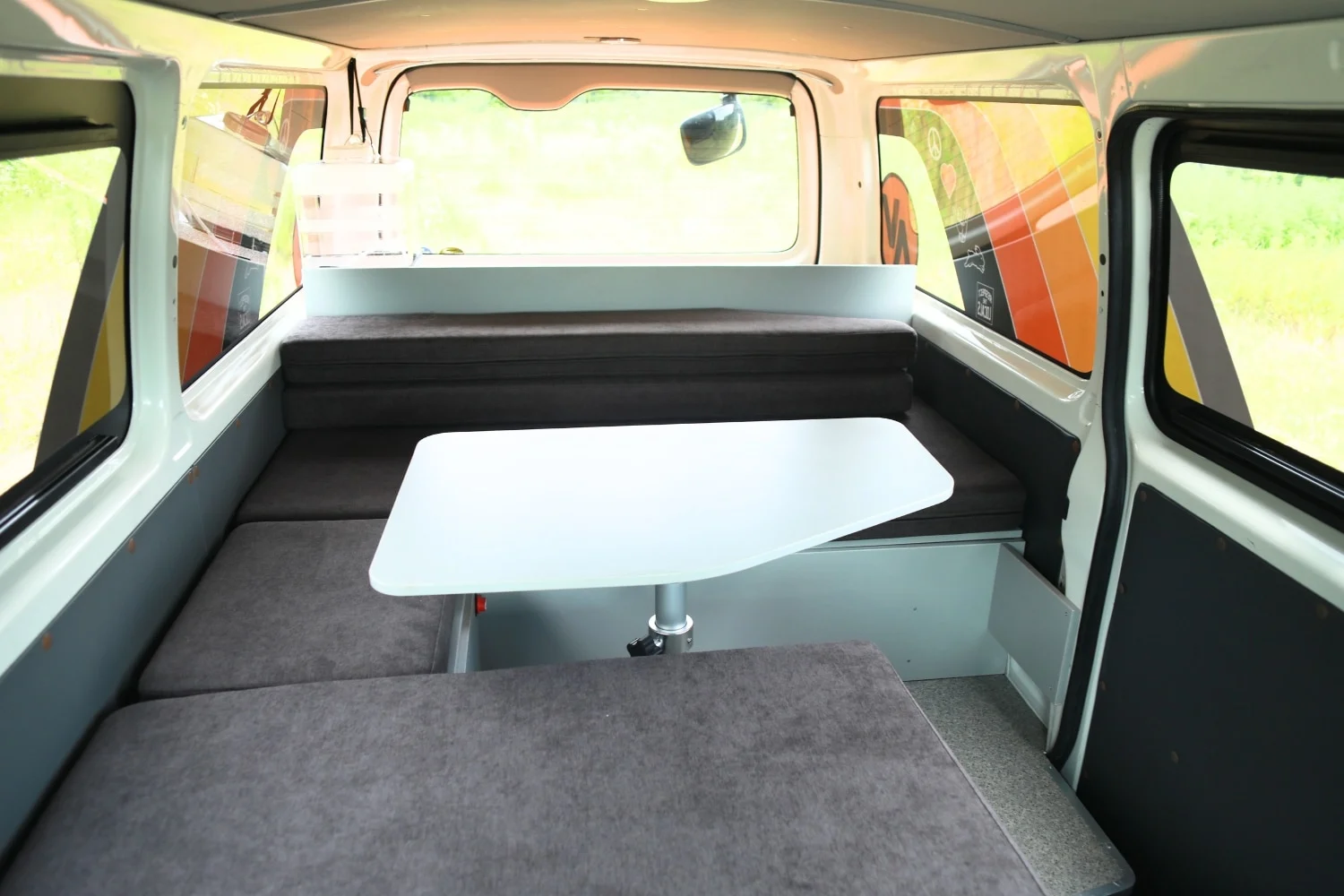
On Day 9, when my stove gas ran out, a friendly fellow traveler named Mr. Yakomito invited me into his custom campervan for hot coffee and gifted me a spare gas canister. Energized by his kindness, I drove into the central mountain range toward Zao Onsen. I took the Ropeway cable car to the snowy summit, soaked in a thermal bath, and toasted a wonderful day with a cold Asahi beer.
Days 10–12: Historic Castles, Post Towns & Returning to Narita
Day 10 brought strong westerly winds carrying kosa—a yellow sandstorm haze originating from the Gobi Desert—which veiled the mountains as I descended Mt. Zao. I drove through Kitakata’s narrow streets lined with historic storehouses turned ramen shops, then passed by a windy Lake Inawashiro.
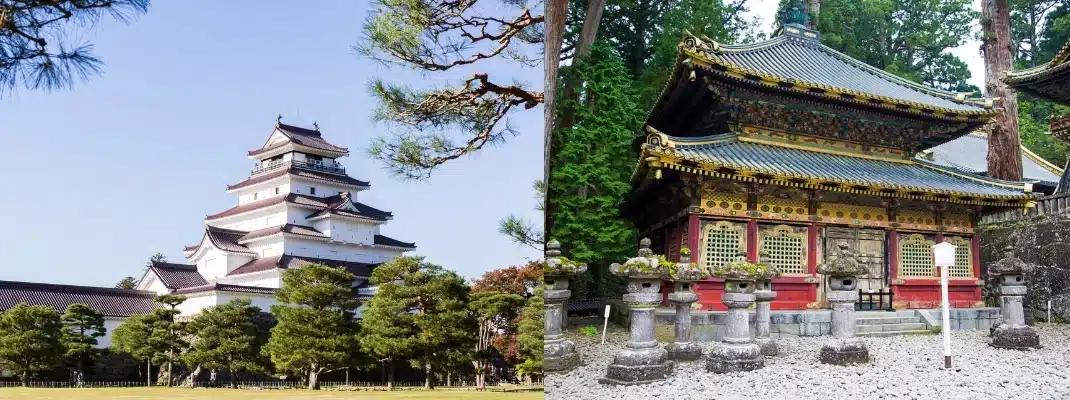
My final day was dedicated to Nikko’s World Heritage treasures. I explored grand Toshogu Shrine with an audio guide, crossed the sacred red Shinkyo Bridge, and walked through Kanmangafuchi Abyss, where 70 stone Jizo statues wearing red knitted caps guard travelers along the peaceful forest gorge.
Despite a sudden heavy downpour during the 2.5-hour drive back to Narita, I safely returned the vehicle to Travellers Autobarn. Having total freedom to follow the open road and discover Japan’s lesser-known corners made this 12-day journey an absolute lifelong highlight.
Check the Our Road Trip Itinerary
START your Japan Road Trip Adventure NOW! BOOK HERE
About the Author

Mayumi
I love nature and travel. I have lived and traveled in some countries and seen many cultures. I would love to share stories of Japan so that visitors can learn more about this wonderful and unique culture and have an unforgettable and enjoyable trip.

Our Campervans