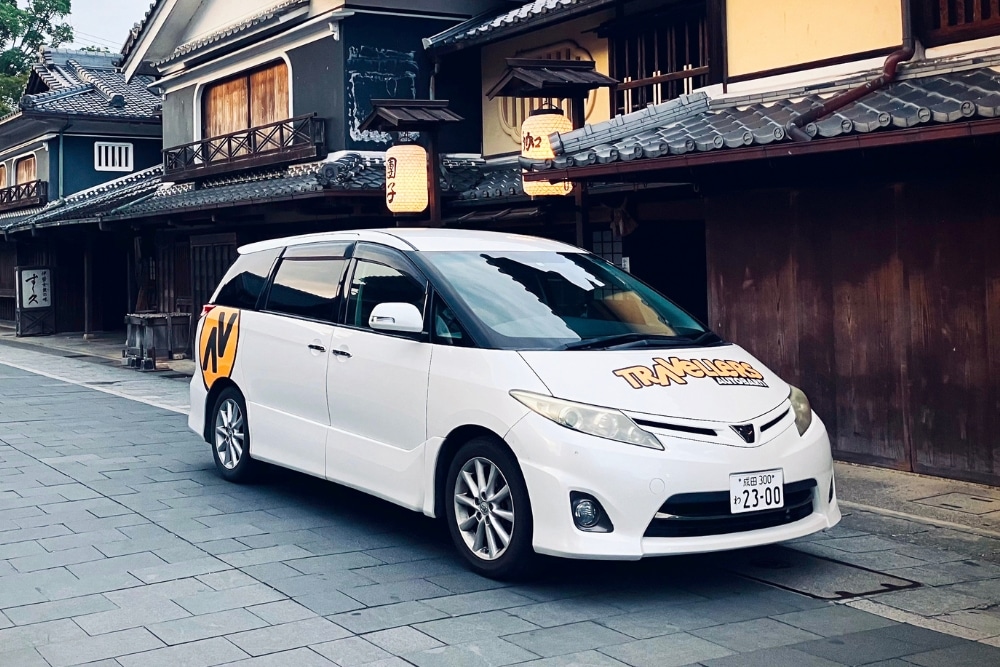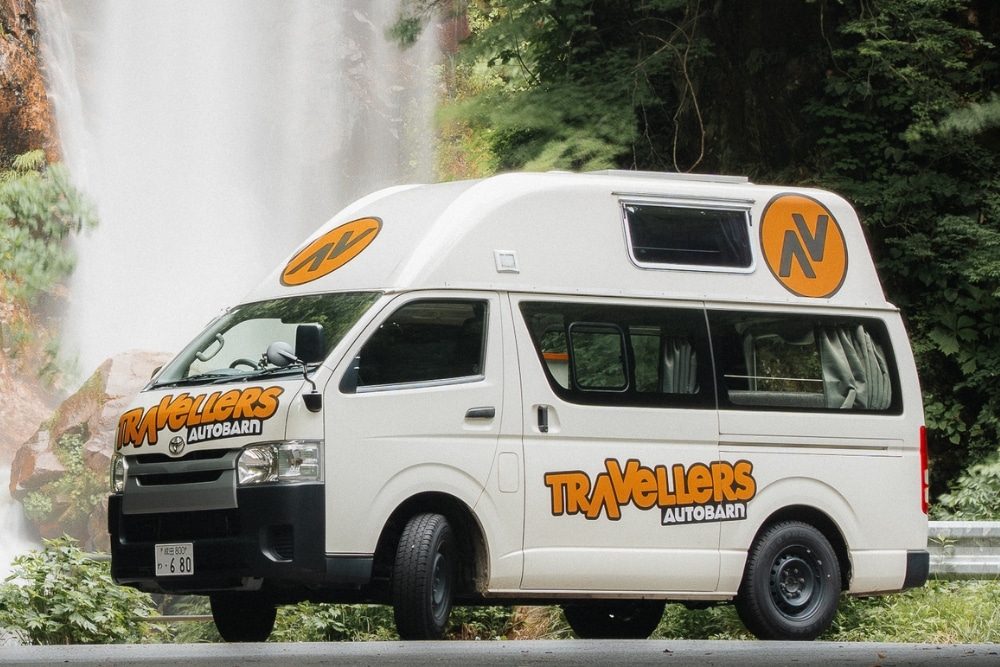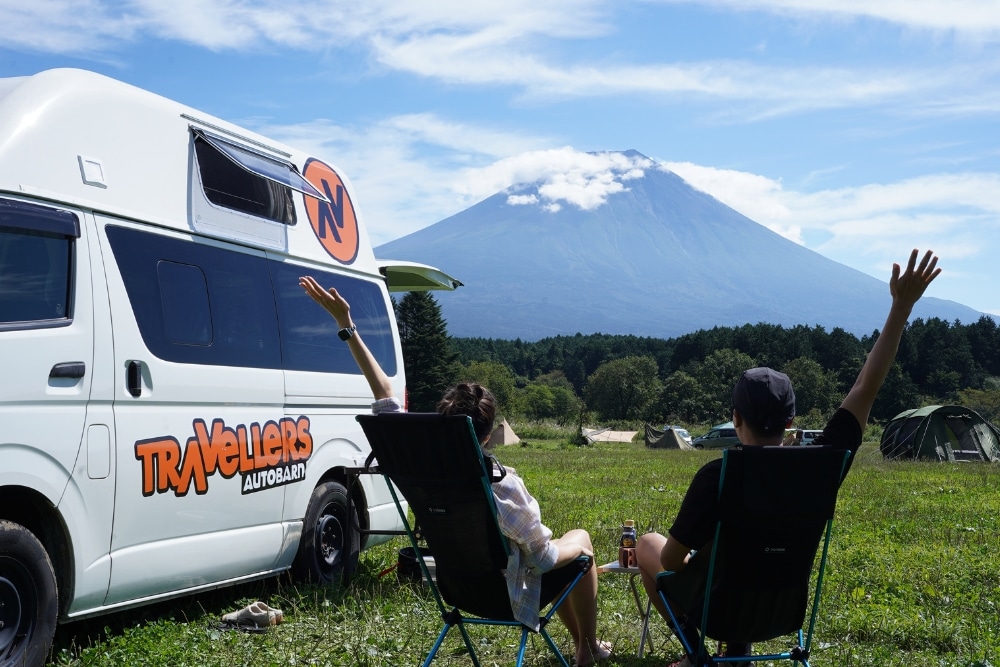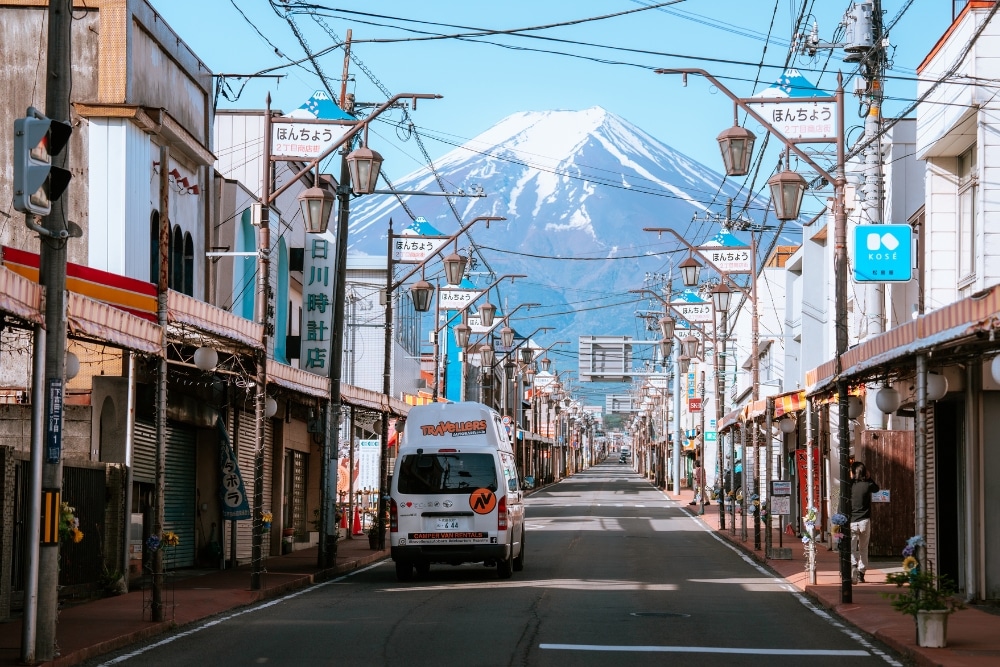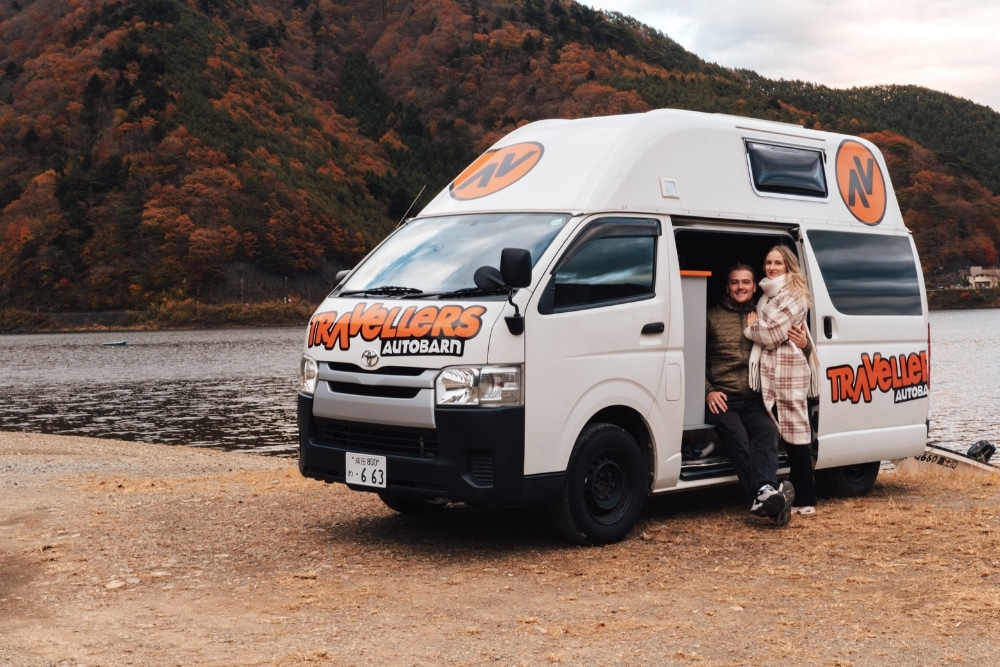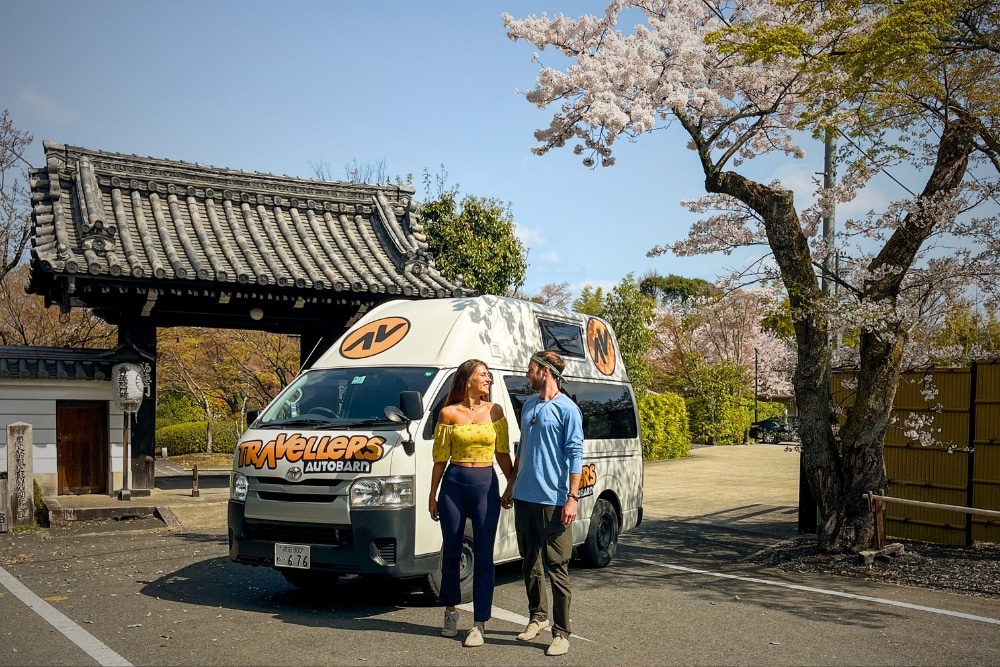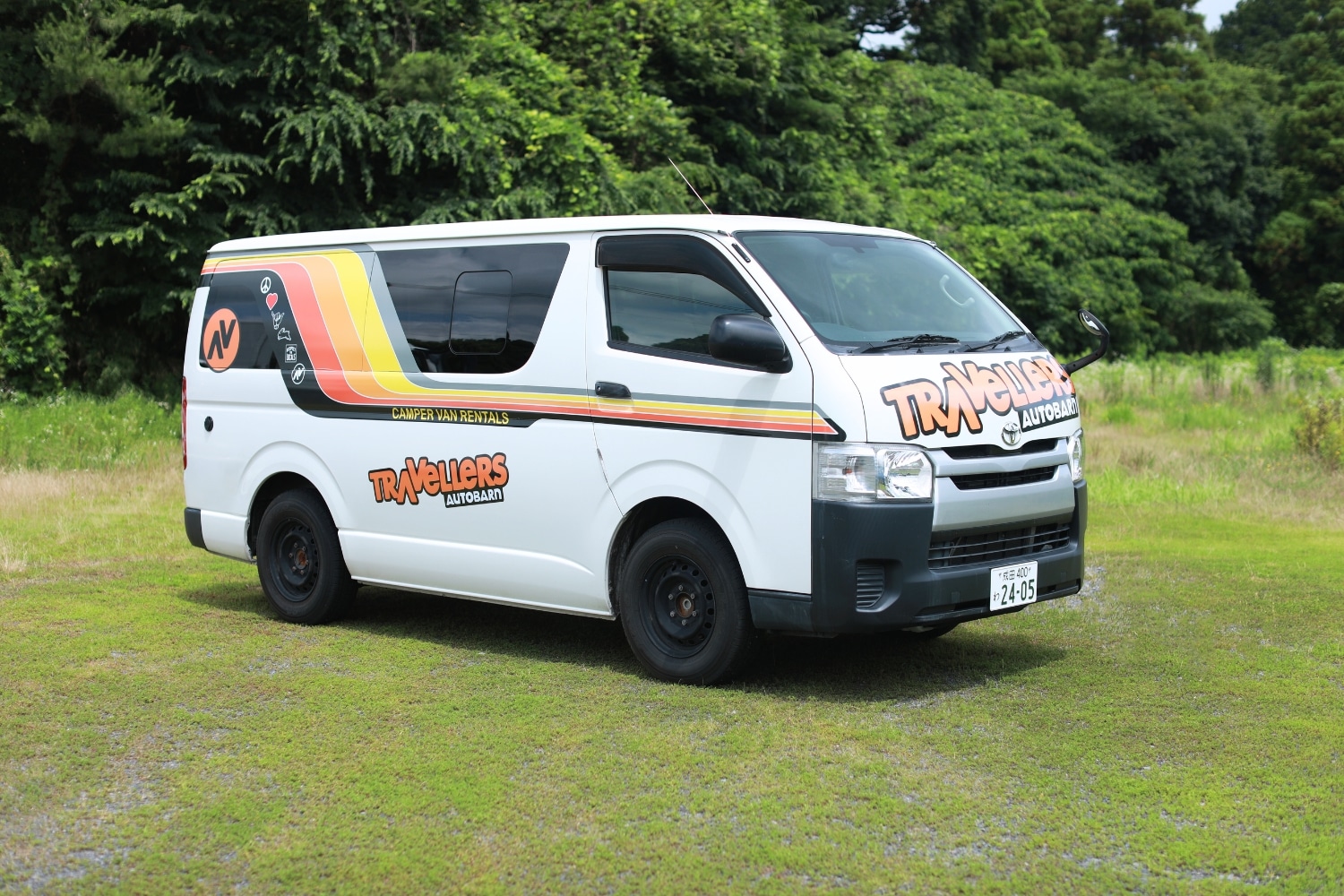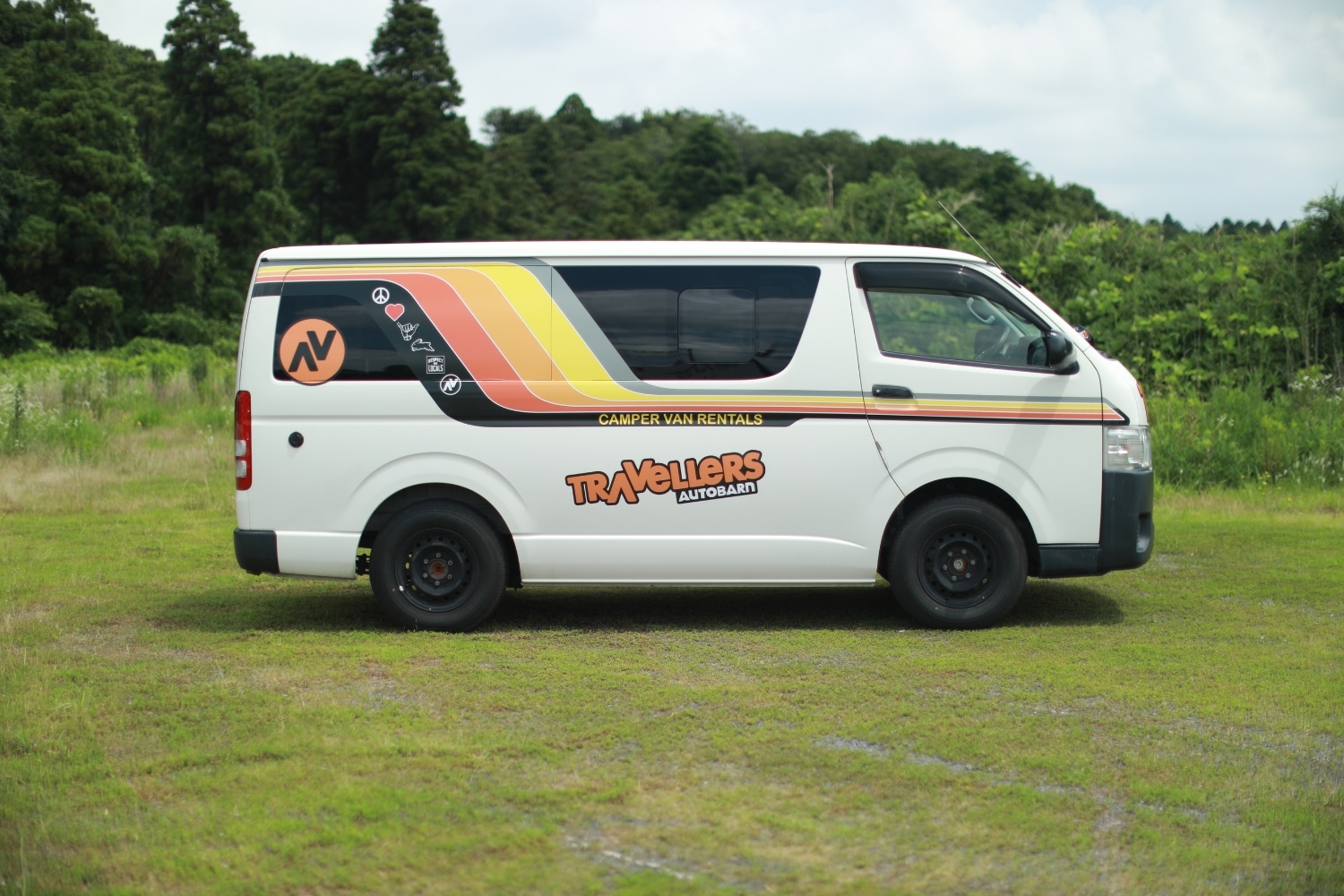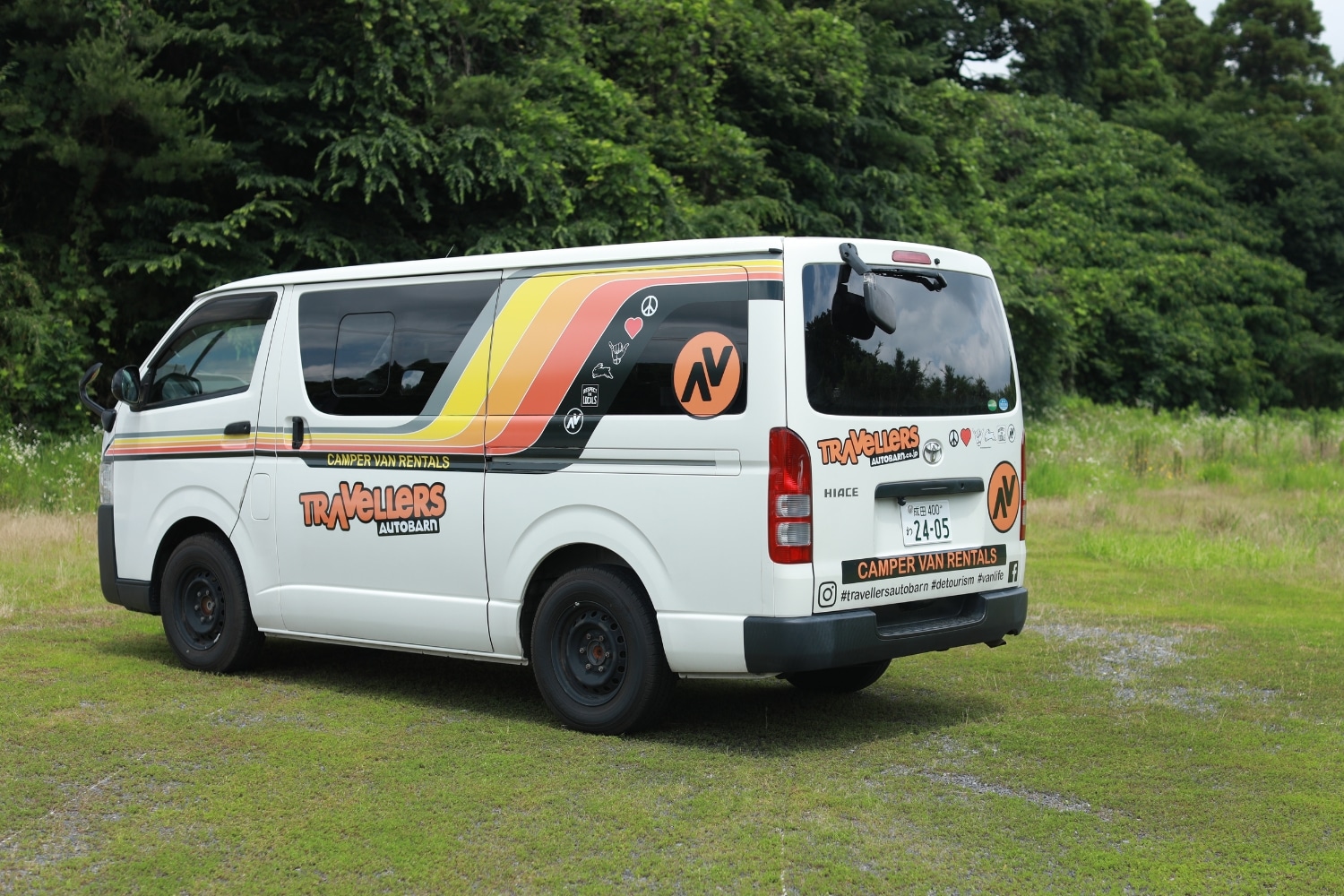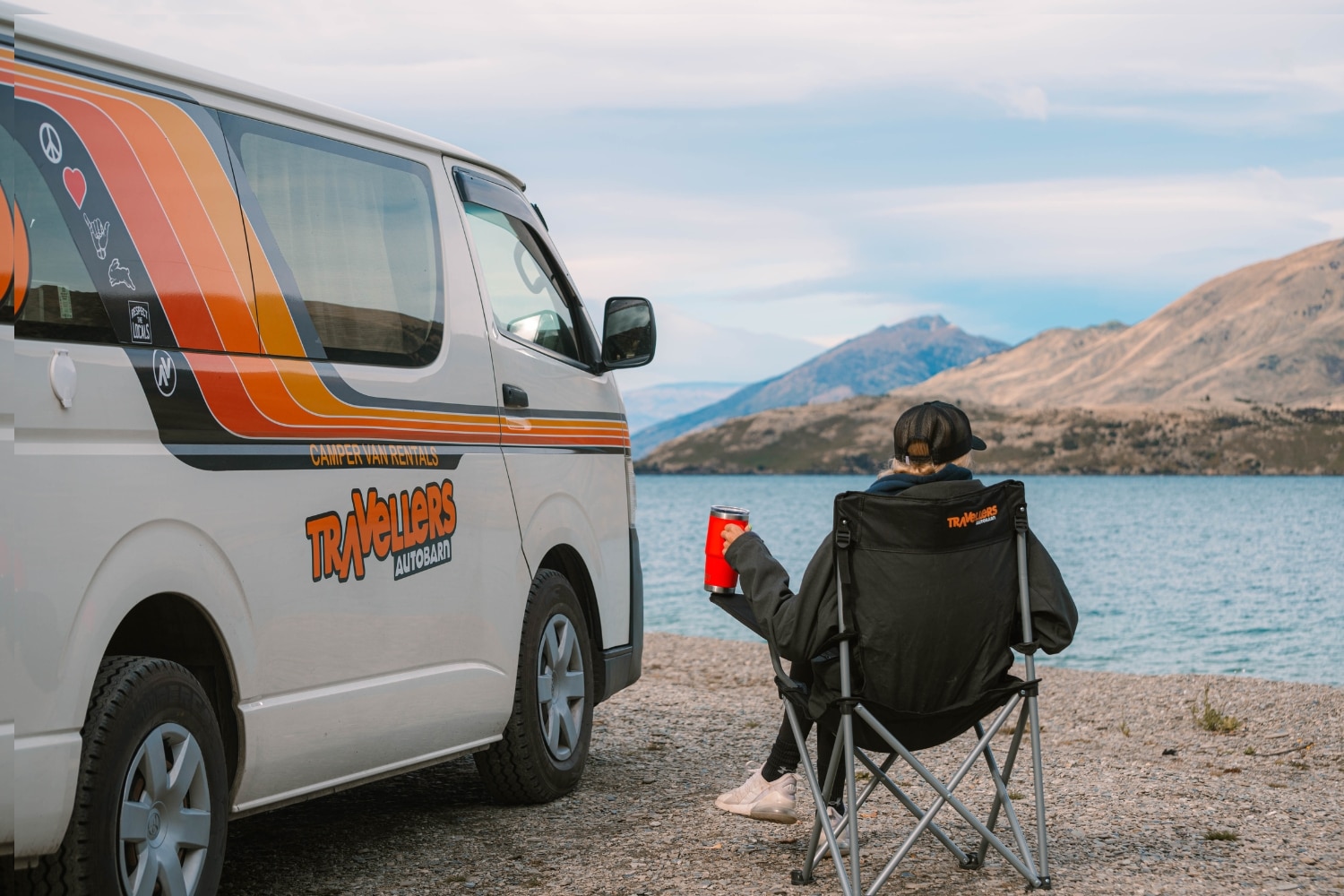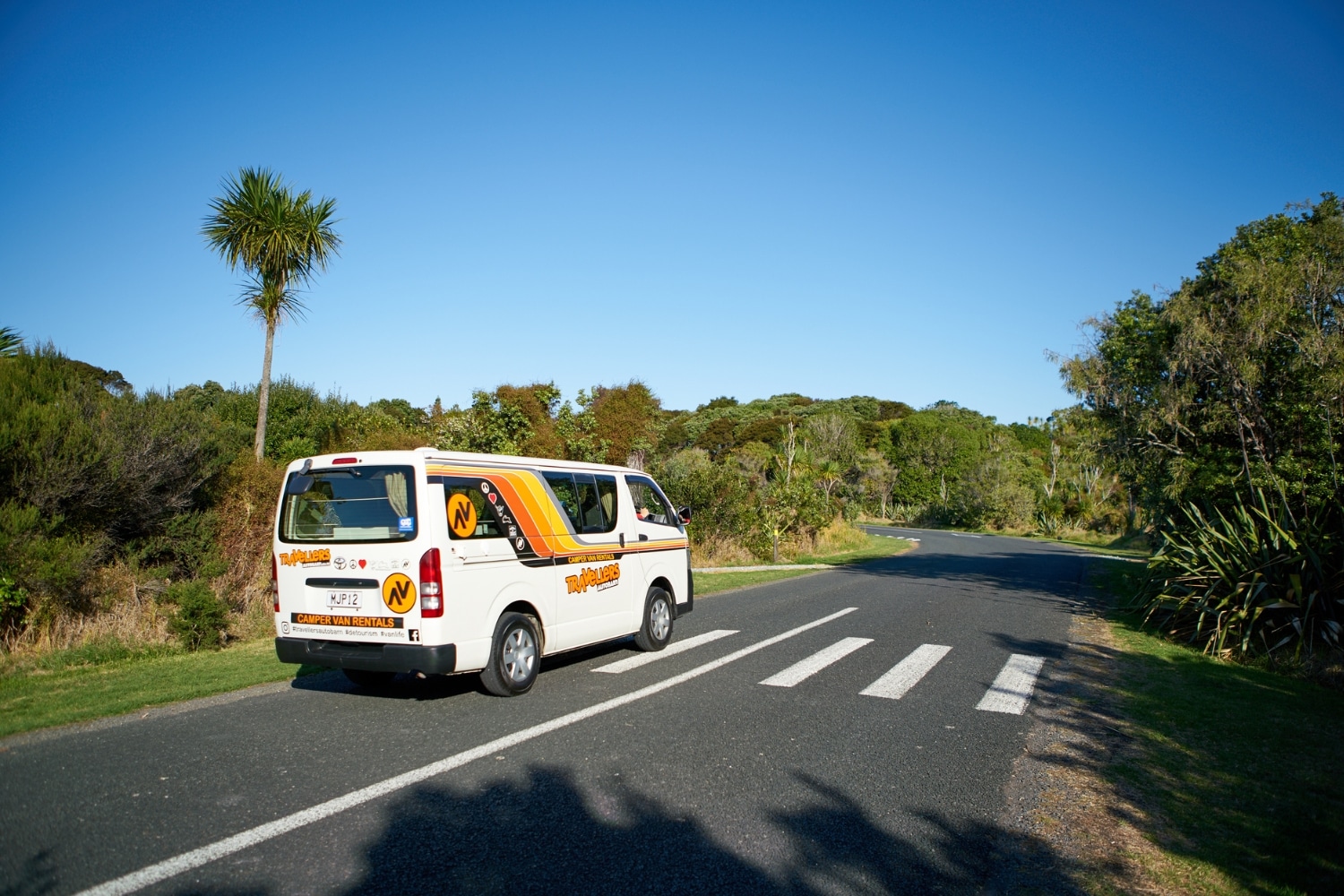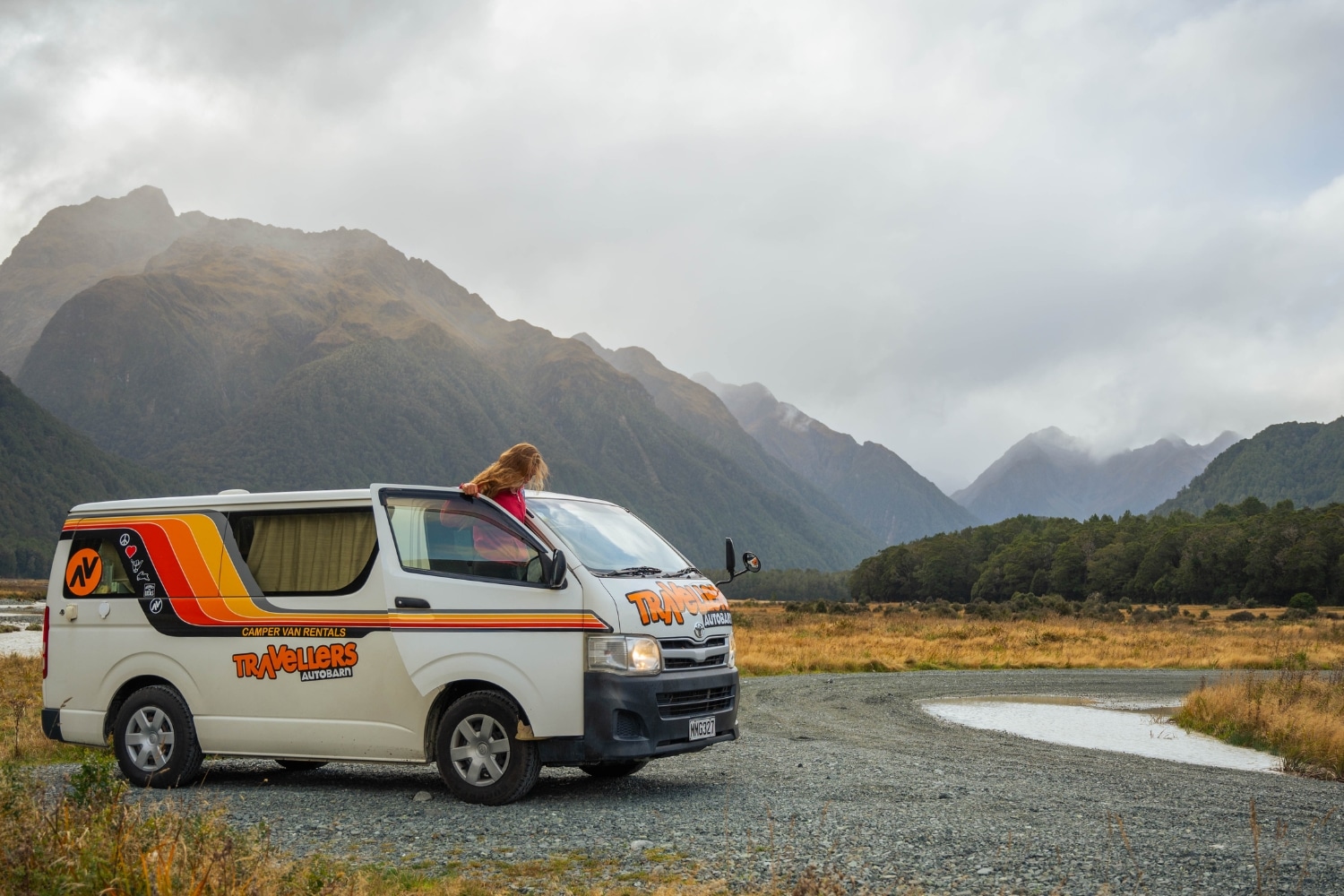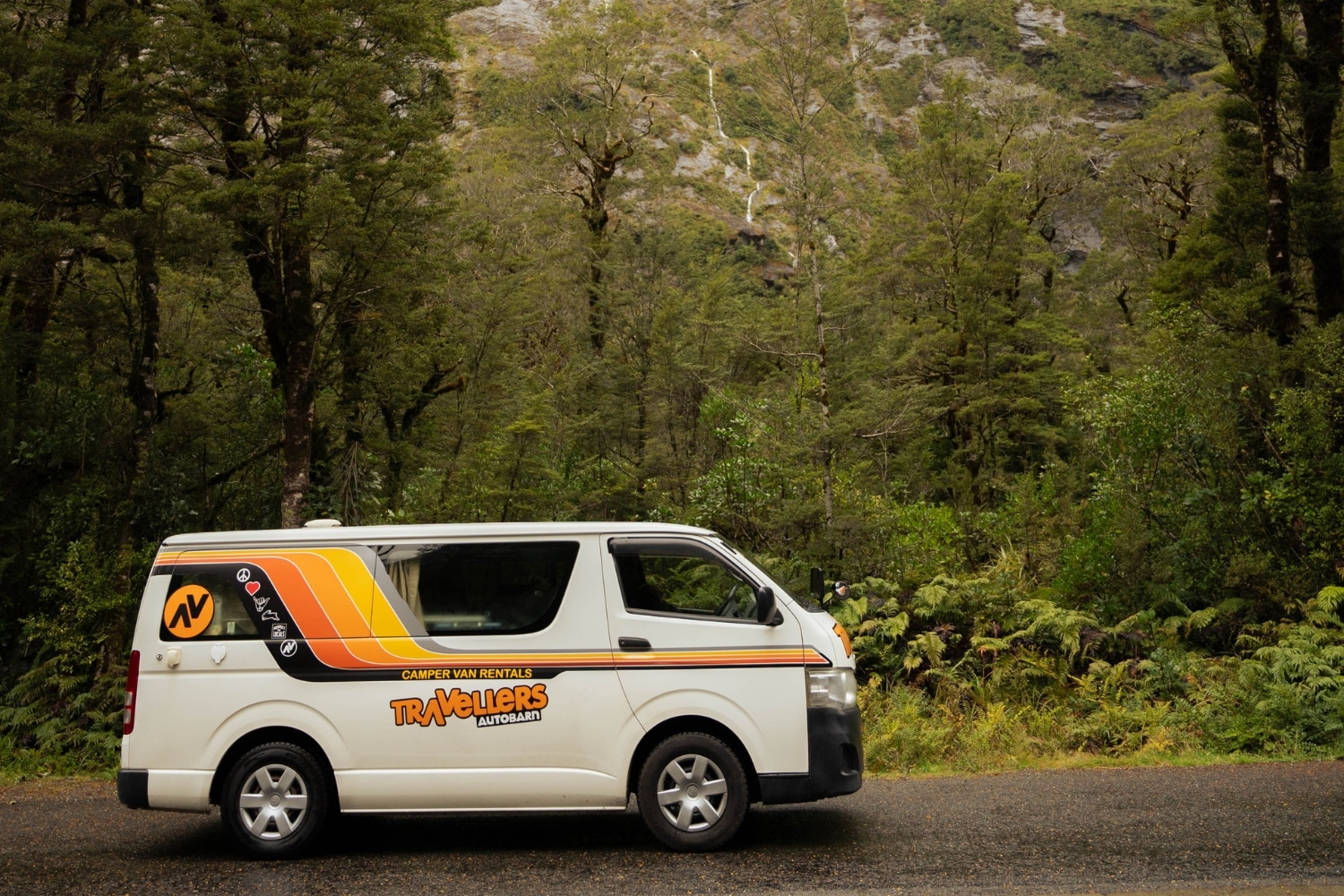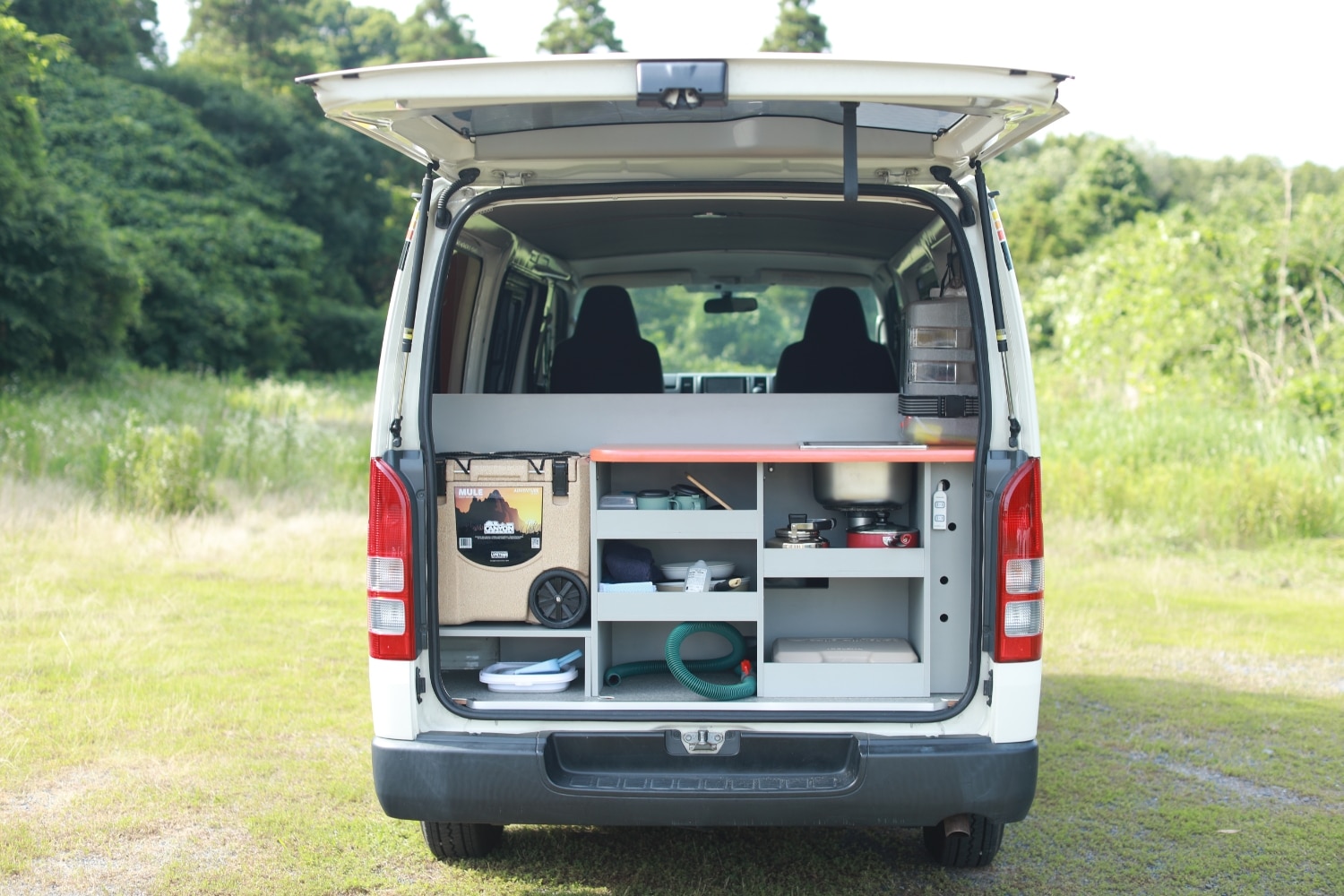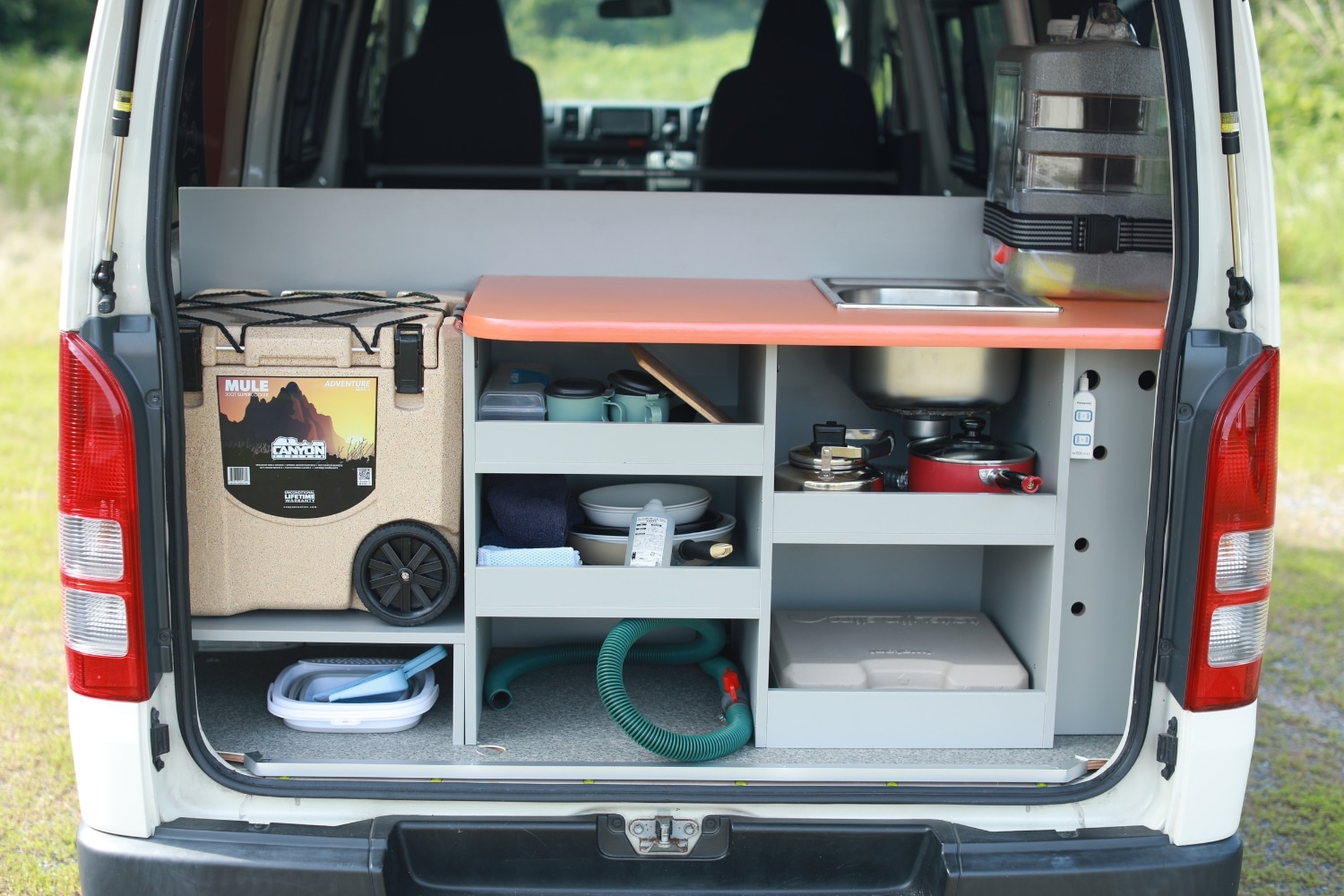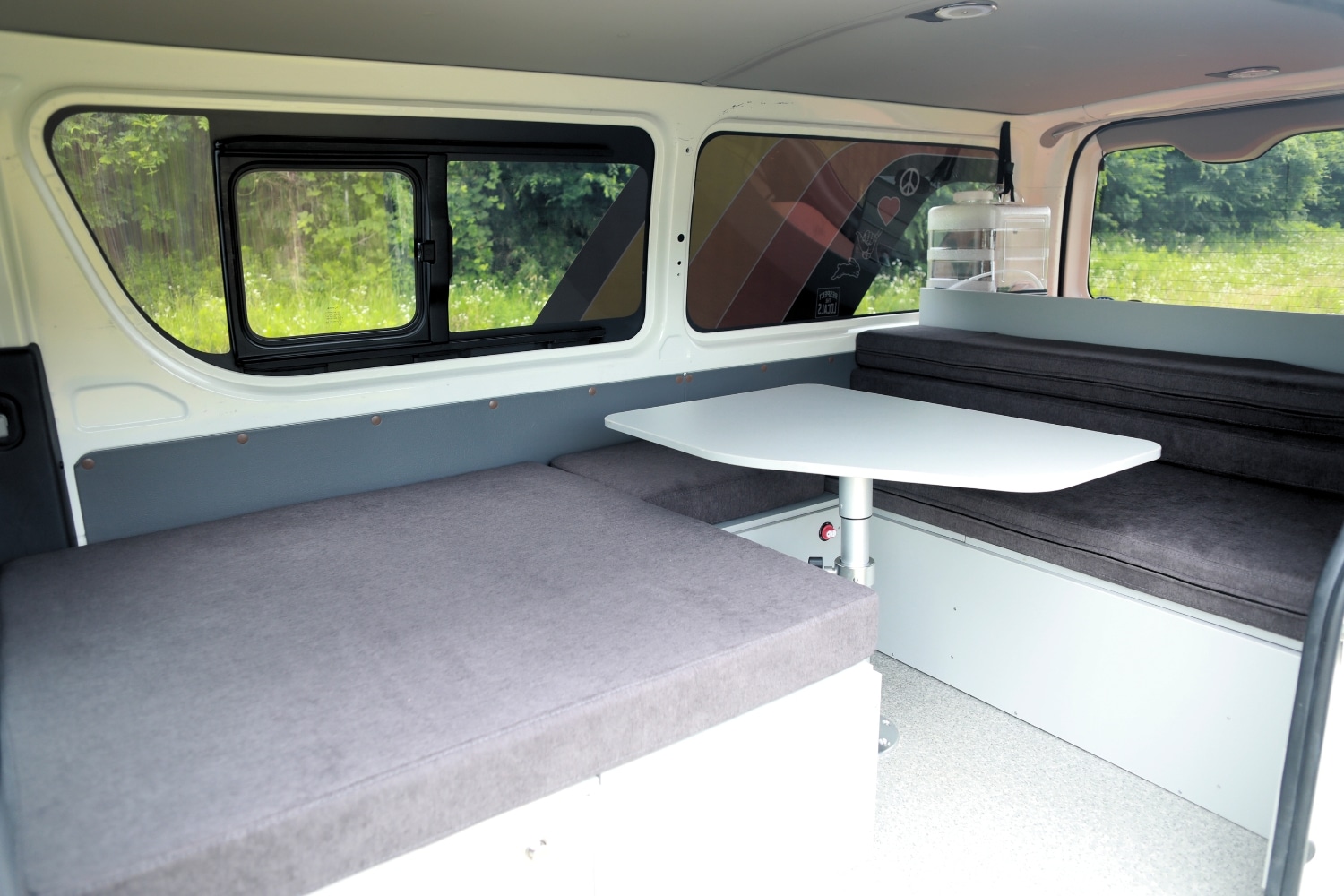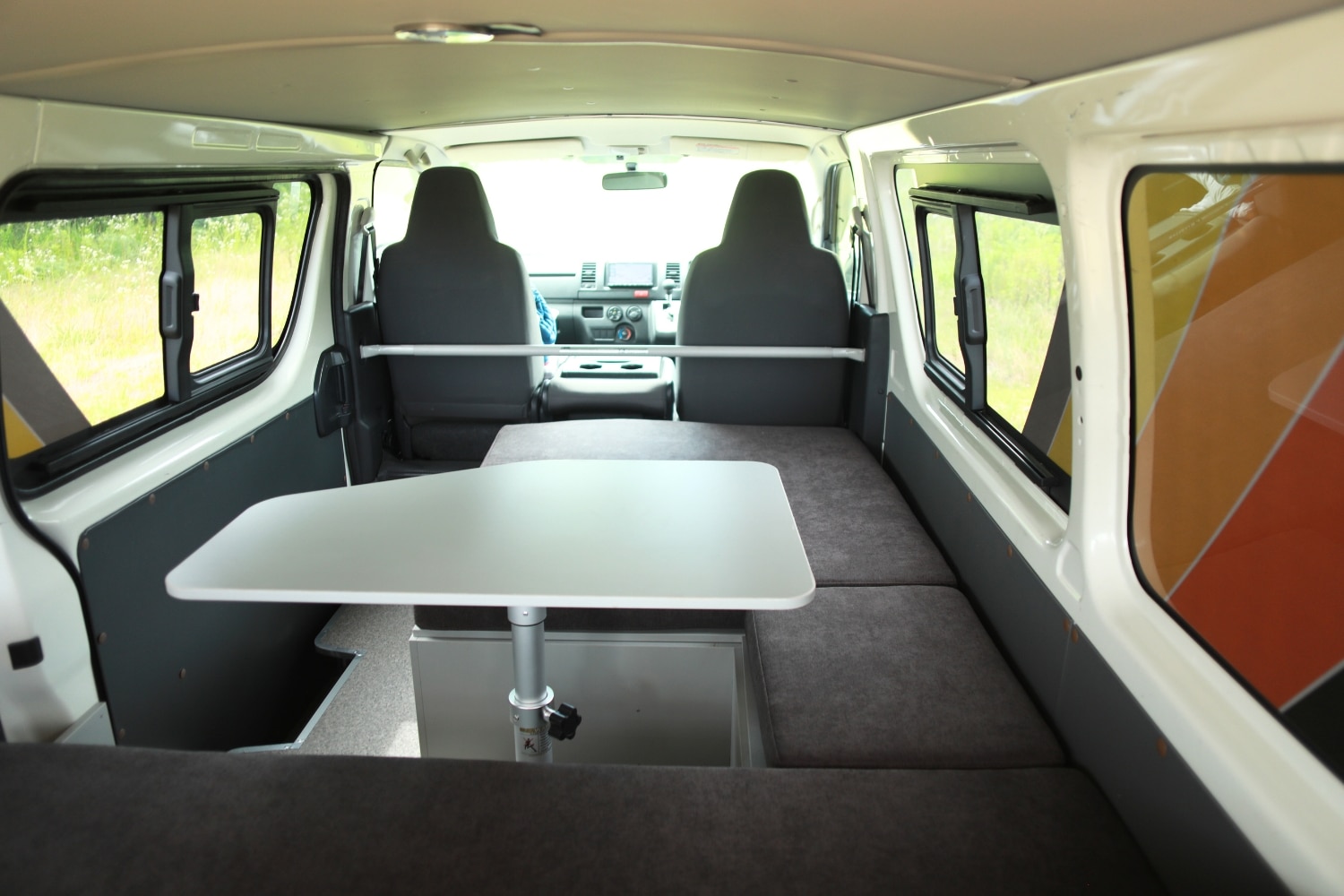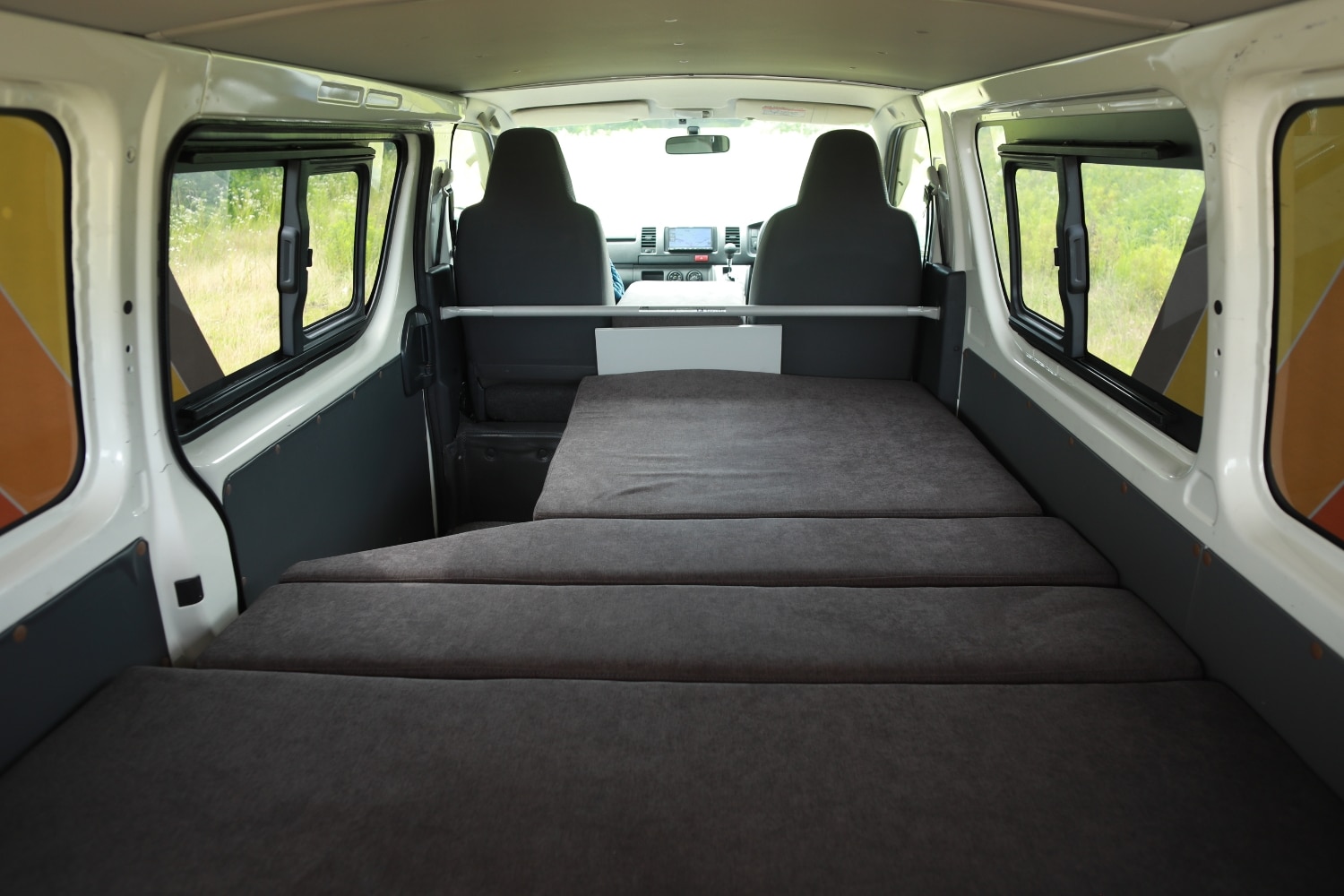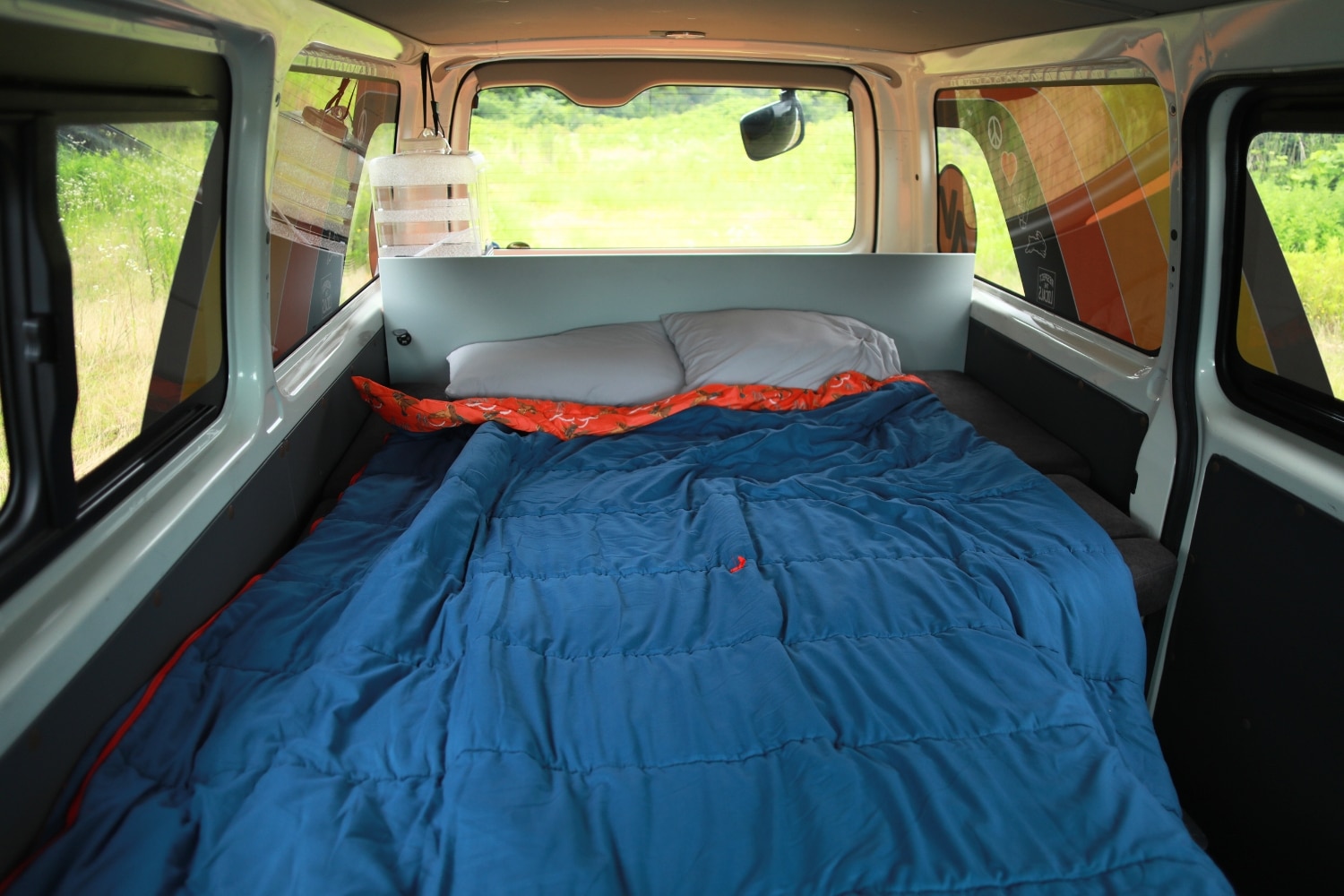

Embarking on an RV road trip across Japan offers you a unique way to immerse yourself in Japanese culture. On your travels, you might spot signs for ‘ドライブイン,’ (drive-in) along countryside roads or highways. They signpost drive-in restaurants, which are commonly used by truckers, families on road trips and, of course, RV travellers.
These restaurants offer a glimpse into a unique part of Japanese culture, one that is practical, nostalgic and local. These drive-in restaurants offer great parking, hearty set meals, late hours and a fantastic atmosphere. In this article, we’ll discuss what these drive-in restaurants are like, what to expect when you get there, and we’ll offer a few popular locations for you to visit.
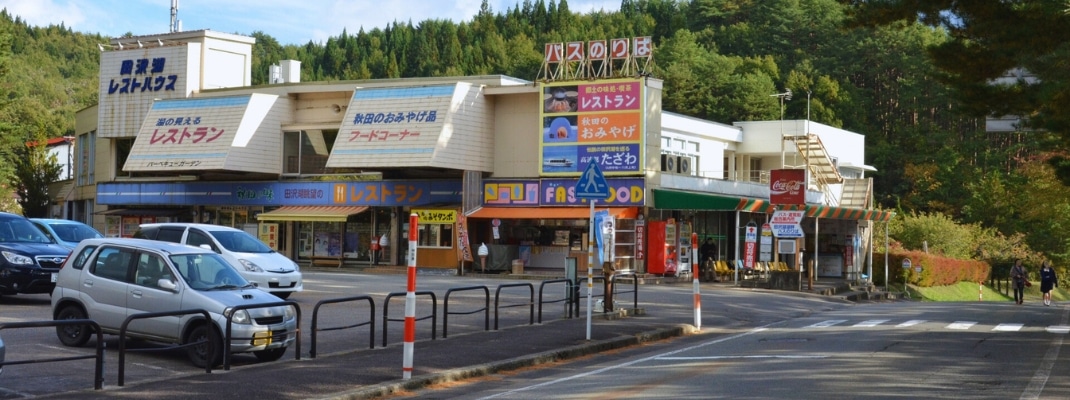
What Makes a Japanese Drive-In Different?
When travelling by motorhome, Tokyo and the surrounding areas will have signs for drive-in restaurants. Japanese drive-ins are a unique part of Japanese culture that caters to late-night diners, truckers and weary travellers. They are, in some ways, quite similar to the quintessential American diner and were originally conceived thanks to the U.S car culture of the 1970s.
Today, Japanese drive-in restaurants have become a unique cultural touchpoint in their own right. Some of the features most associated with these establishments include:
- Being Built for Vehicles First: These restaurants all have big parking lots and are found in locations that assume you’ve got wheels.
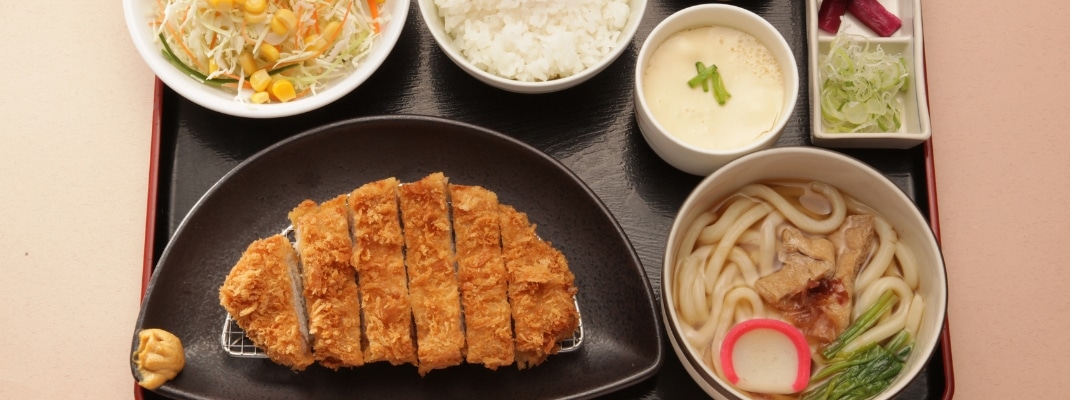
- Food-Forward and Filling: Menus typically consist of set meals (teishoku), noodles, grills, and comfort food that suits long-haul appetites.
- A Blending of Services: Many combine a few different stores, such as a restaurant with a souvenir shop, toilets and bathing facilities or lodgings on-site.
- No Carhop Culture: You’ll usually park, walk in, and eat inside the restaurant. In some cases, takeout may be available.
If you’re travelling by campervan rental, Tokyo is just one of the many destinations where you can enjoy these restaurants. The appeal is simple: they’re reliable, spacious, and wonderfully “on the road” in a way that chains and city restaurants aren’t.
How to Use Drive-In Restaurants on Your Japan RV Trip
One of the highlights of using a drive-in restaurant in Japan while travelling by RV is the sheer convenience of it all. They’re open late, have ample parking and serve up some delicious food. However, there are a few things you can do to get the most out of your drive-in experience, such as:
- Aim for Off-Peak: Try to avoid the rush hour times if you can, which is around late lunch or early dinner. Popular spots can get queues, so timing your arrival can help a lot.
- Look for Big-Truck Parking: If you’re travelling by RV, then make sure you have enough room to park. As a rule, if it’s comfortable for trucks, it’s usually comfortable for RVs.
- Don’t Skip the “Signature Dish”: Many drive-ins are famous for one thing that they do exceptionally well. So you should always order it once, then freestyle if you return.
- Pair With a Bath Stop: Some drive-ins are attached to bathing facilities, which can be a true luxury after a long drive (especially if you’re not showering in the RV every day).
Five Memorable Drive-In Restaurants for RV Travellers
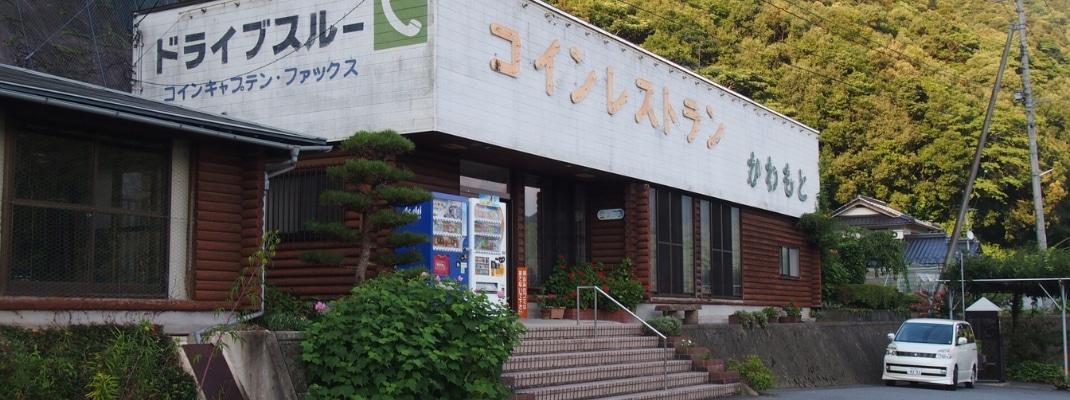
Thanks to the popularity of drive-in restaurants across Japan, you’re spoiled for choice when it comes to choosing somewhere to dine. With that said, some have better reputations than others, so we’ve included our picks for five memorable drive-in restaurants that we think you’d enjoy on your RV travels.
Drive-In Tori, Imari (Kyushu)
This is one of Kyushu’s most famous “drive-in” names, and with good reason. Despite the casual title, it’s a specialist chicken restaurant with an incredibly loyal following. The official site leans into the comfort-food appeal and long-running popularity.
Irori Sanzoku, Yamaguchi (Chugoku Region)
Irori Sanzoku is the kind of place you remember for years to come. It’s a dramatic, lantern-lit roadside complex that feels half restaurant, half storybook set. Their official site positions it as a well-known local landmark with multiple locations in Yamaguchi. They’re known for crowd-pleasers like “Sanzoku-yaki” and big rice-ball options (“Sanzoku musubi”), plus noodle dishes.
Drive-In Michishio, Yamaguchi
If you love the idea of one legendary dish practised to perfection, this is your stop. Michishio is widely known for kaijiru (clam soup), and importantly for RV travellers, it also offers a large parking area and long opening hours.
Nagasawa Garden and Nagasawa Onsen Area, Yamaguchi
For RV travellers, the dream drive-in restaurant lets you stop, eat, bathe, and sleep without fuss. Nagasawa is known for having accommodation and onsen facilities connected to the roadside stop, ticking all the boxes!
Meihan Seki Drive-In, Mie
If you’re moving between central Japan and Kansai, this is a classic “drivers’ oasis” style stop. It features a big complex with multiple food options and souvenir shopping, and it’s conveniently situated right by the interchange. It’s not too far from the post town of Sekijuku, so if you’re looking to spend a bit of time exploring the area, you have options.
Explore Japan’s Drive-In Restaurants in Style With an RV Adventure
Japanese drive-in restaurants are a reminder that some of the best food experiences in Japan don’t sit behind train stations or tourist hotspots. They’re most often found where the road stretches on, and . For RV travellers, dine-in restaurants offer more than a meal: they’re practical rest stops, cultural throwbacks, and reliable anchors for long driving days.
Whether you’re stopping for a legendary local dish, pairing dinner with a bath, or simply enjoying the rhythm of slow travel through the countryside, these roadside institutions reward those willing to venture beyond the cities. Build them into your route, and they’ll become some of the most memorable stops of your Japan road trip.
About the Author

Mayumi
I love nature and travel. I have lived and traveled in some countries and seen many cultures. I would love to share stories of Japan so that visitors can learn more about this wonderful and unique culture and have an unforgettable and enjoyable trip.

Our Campervans