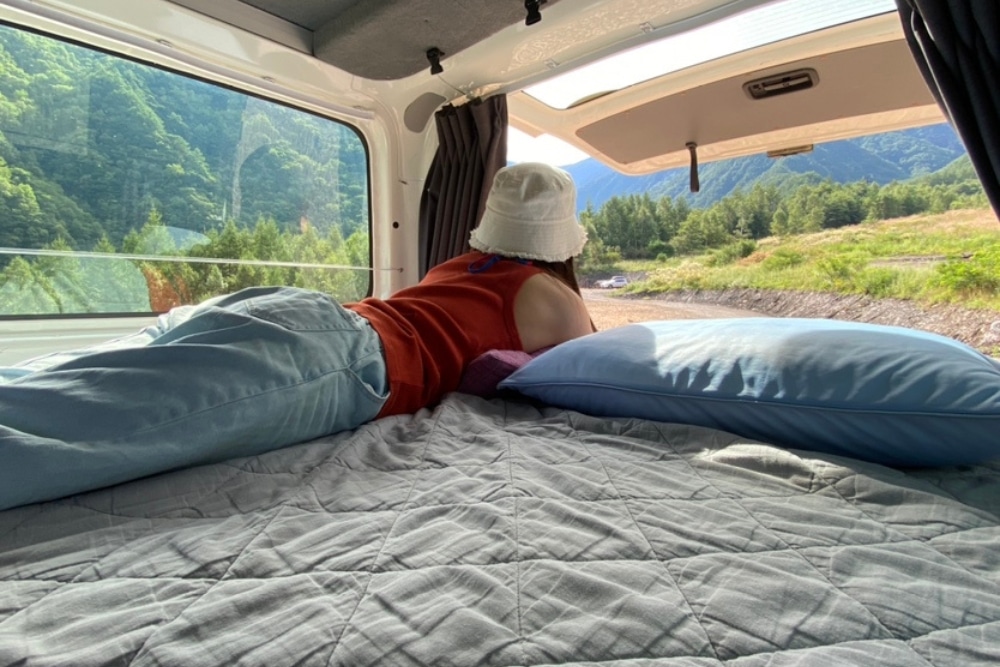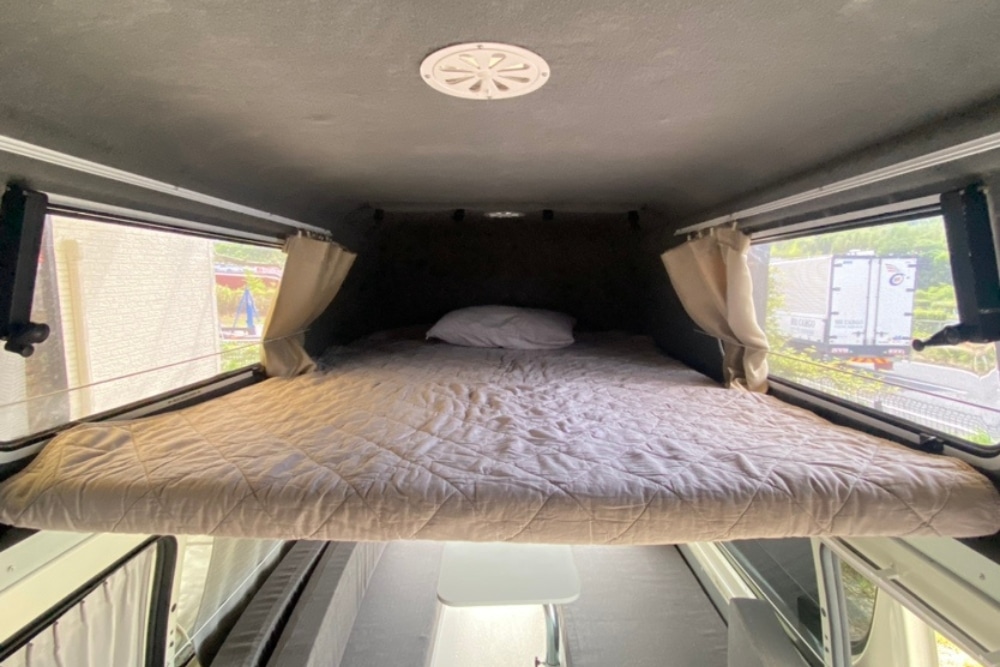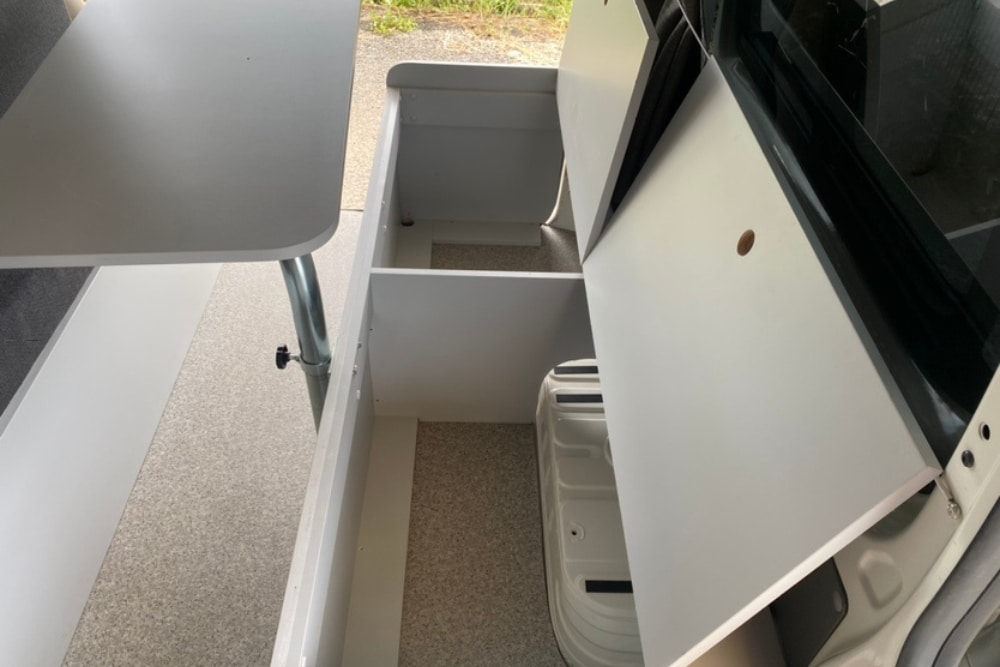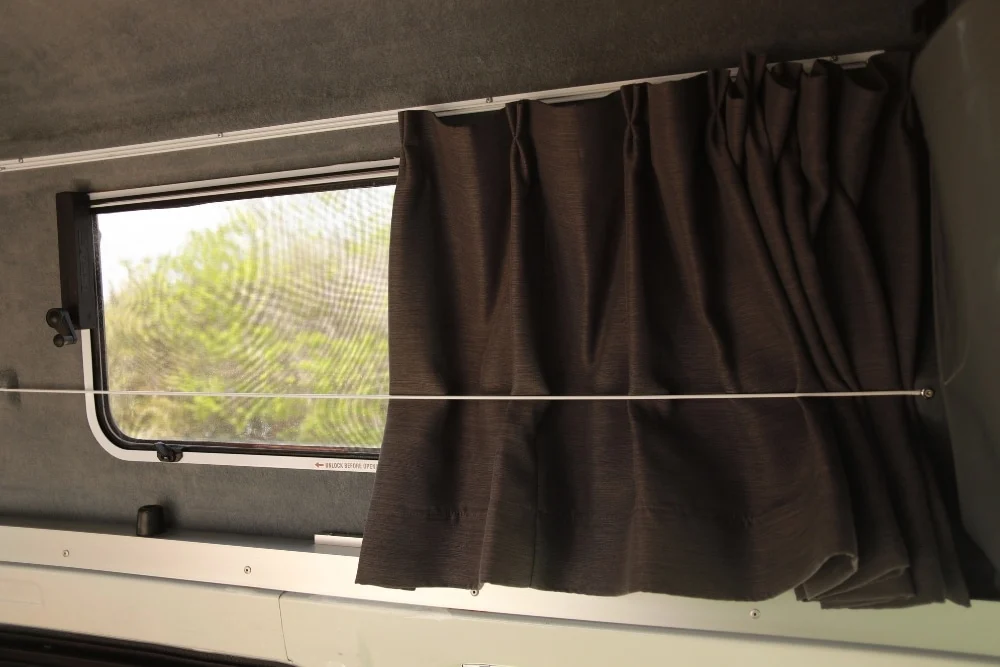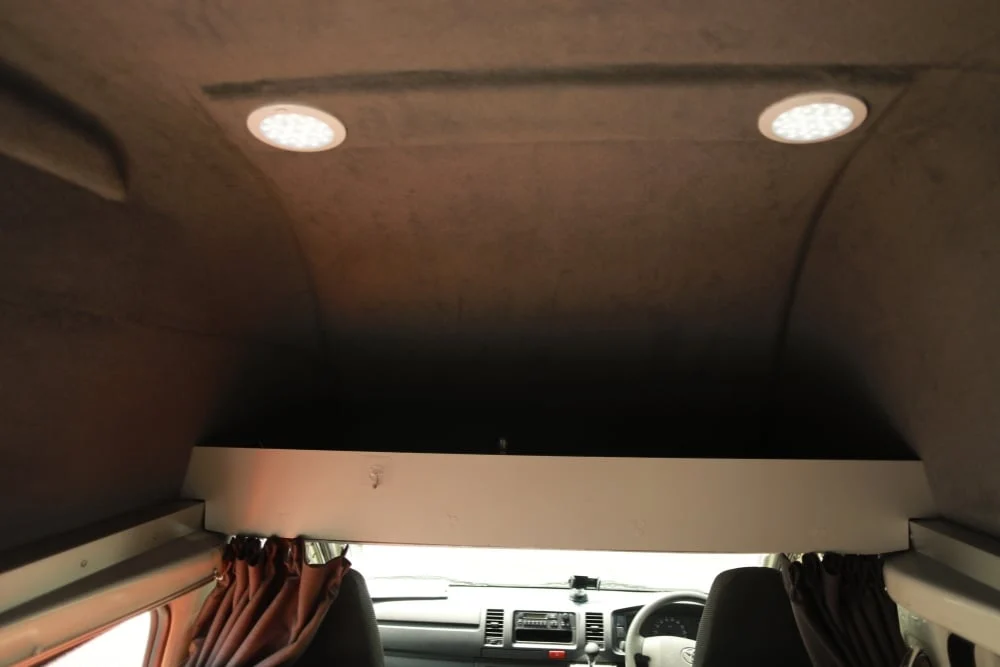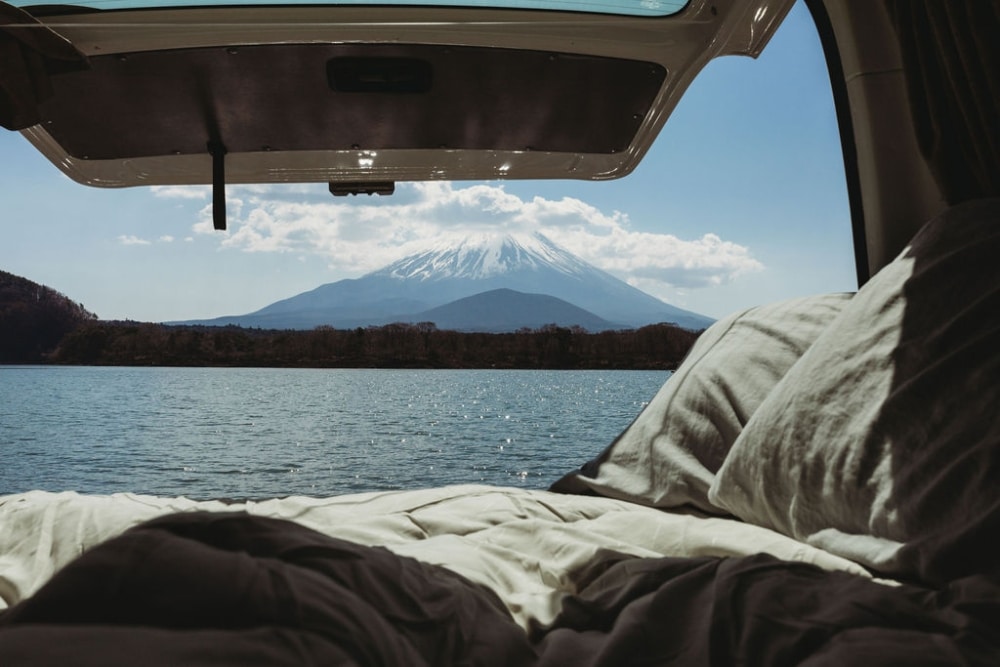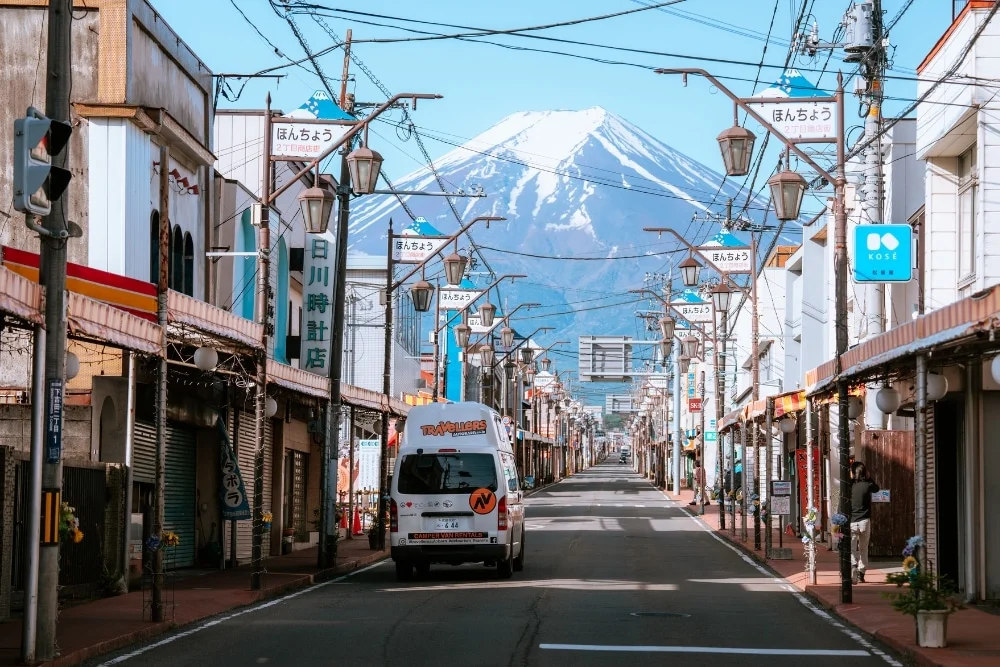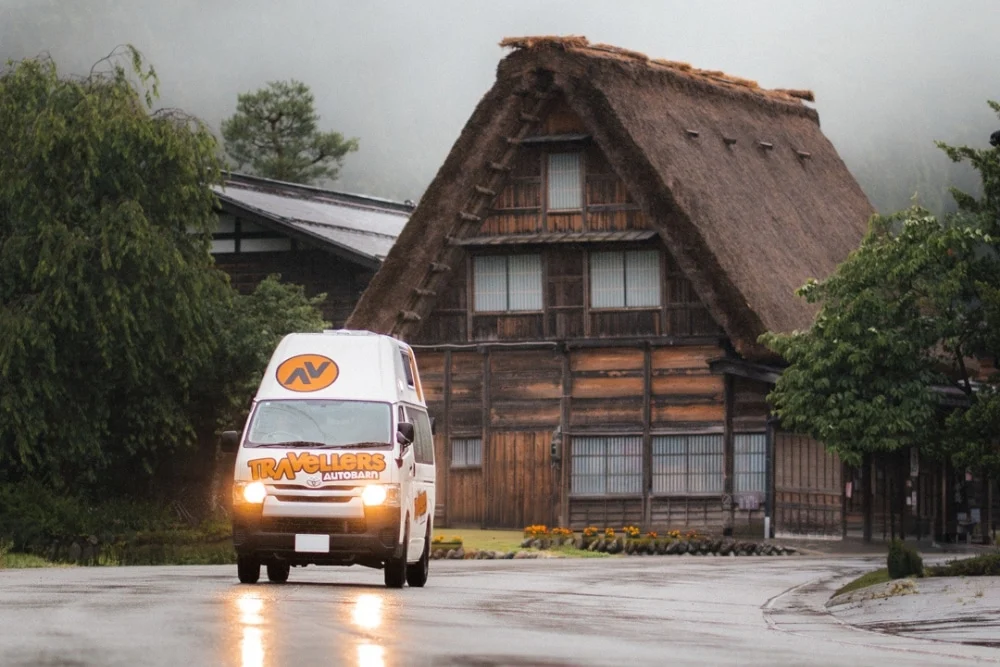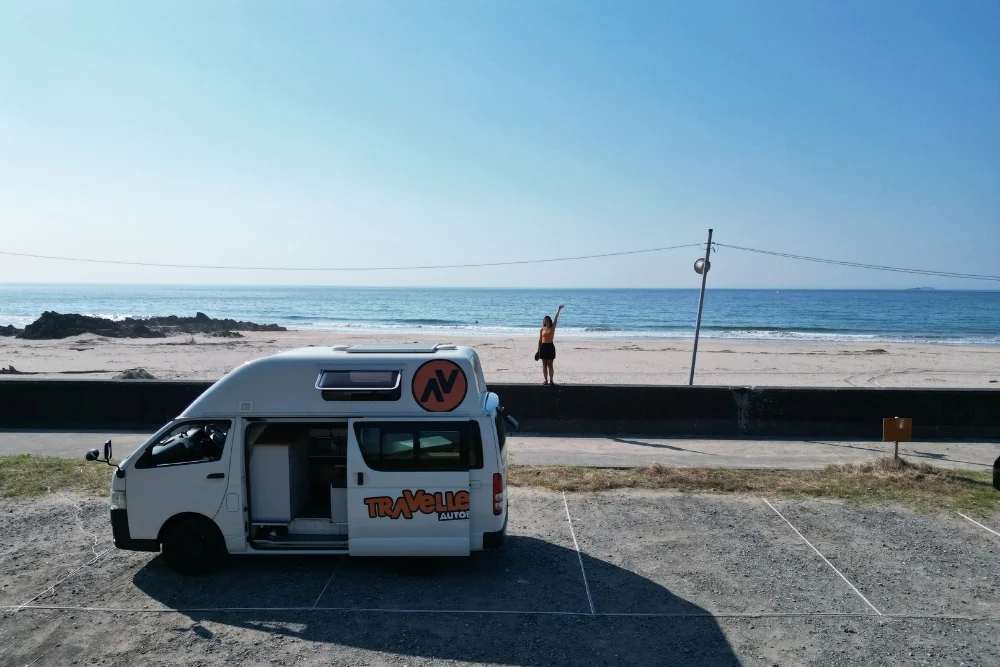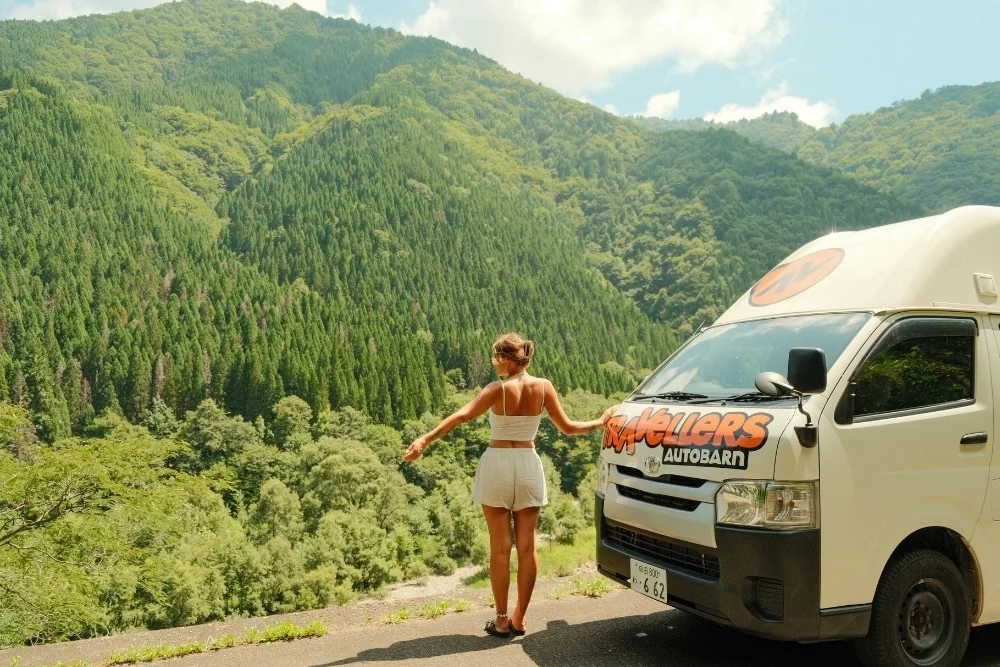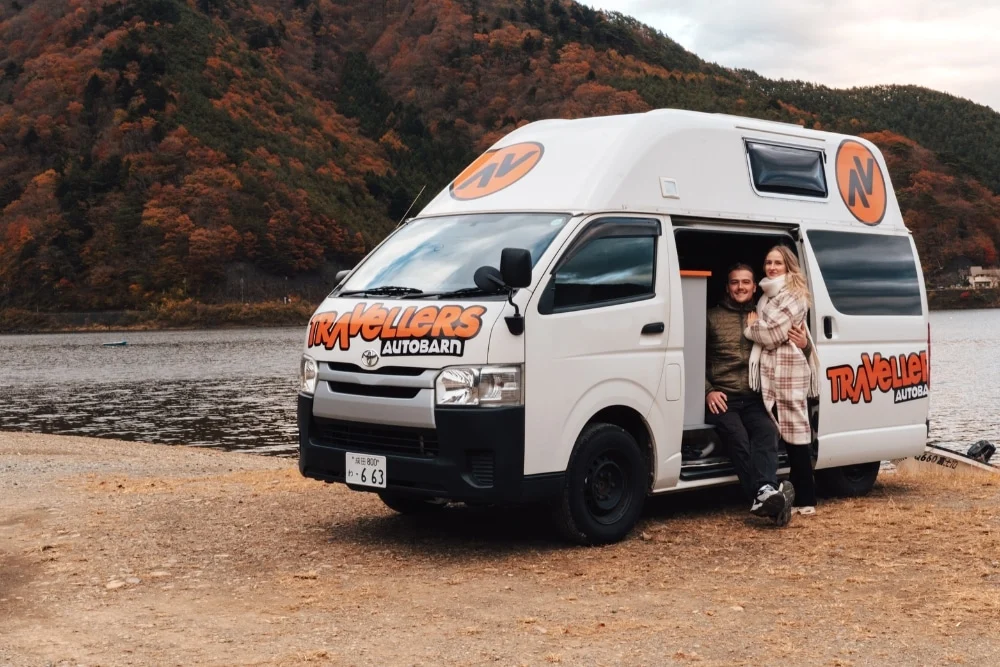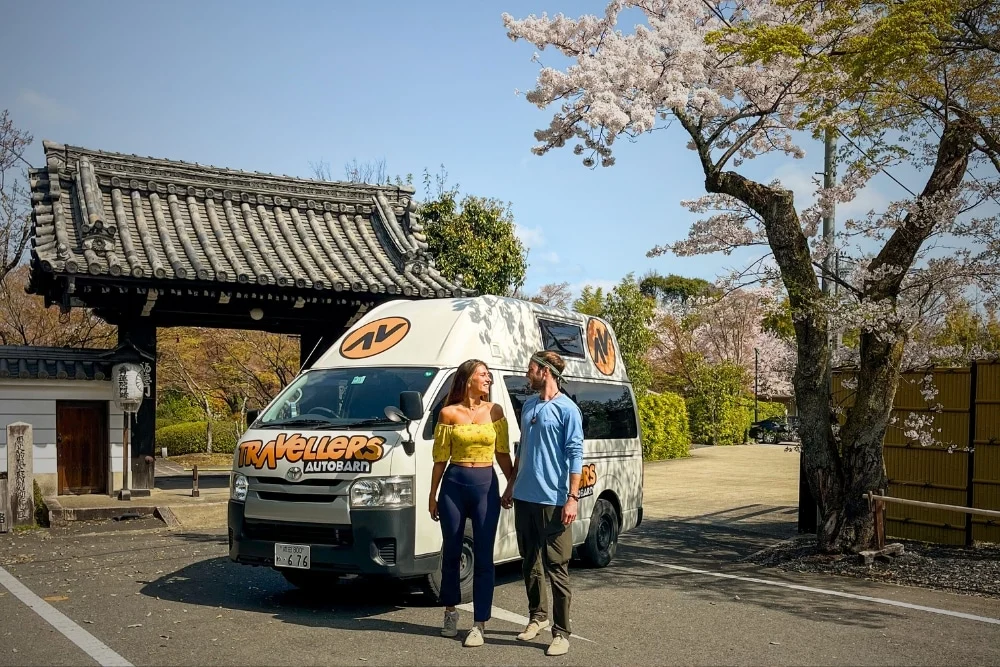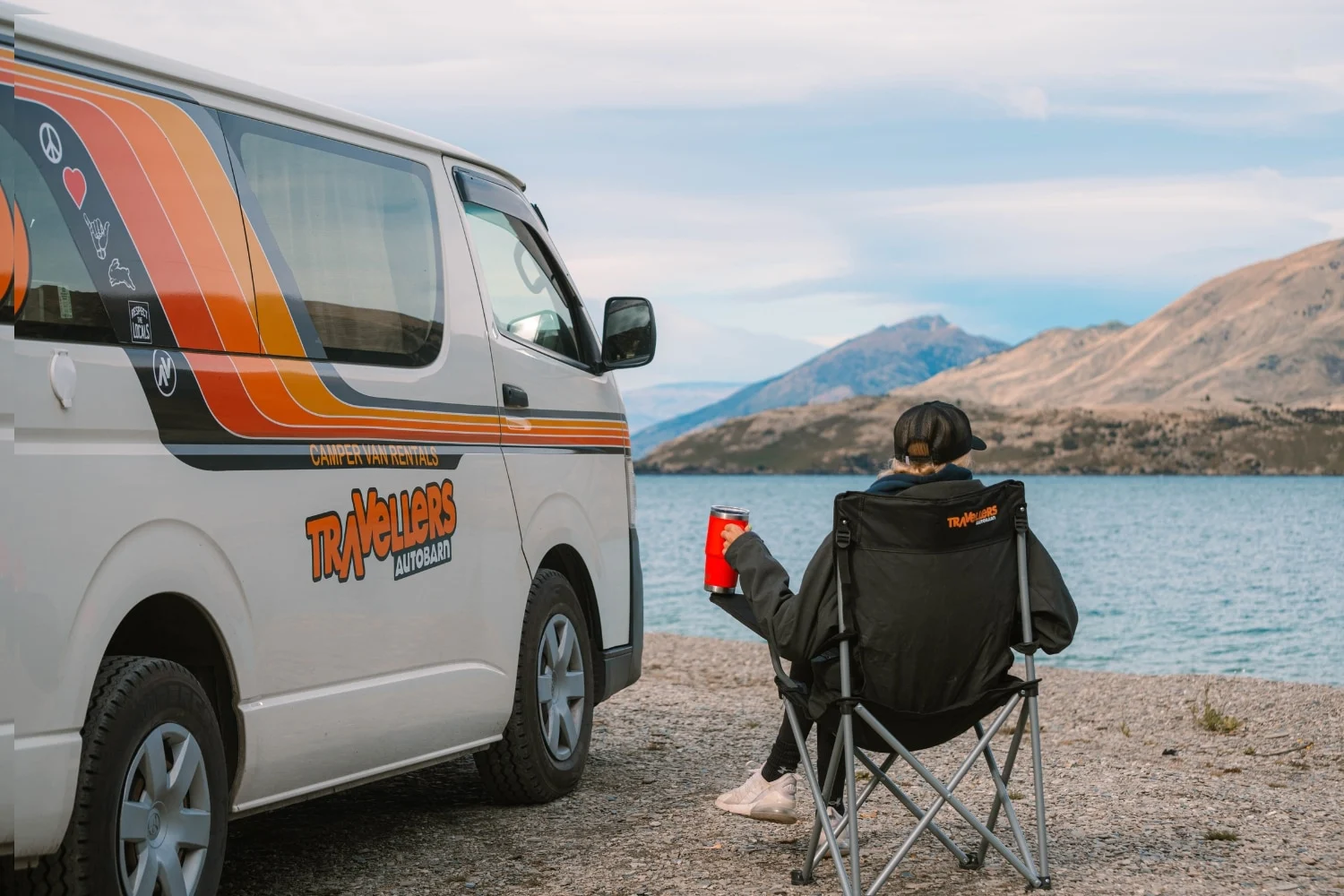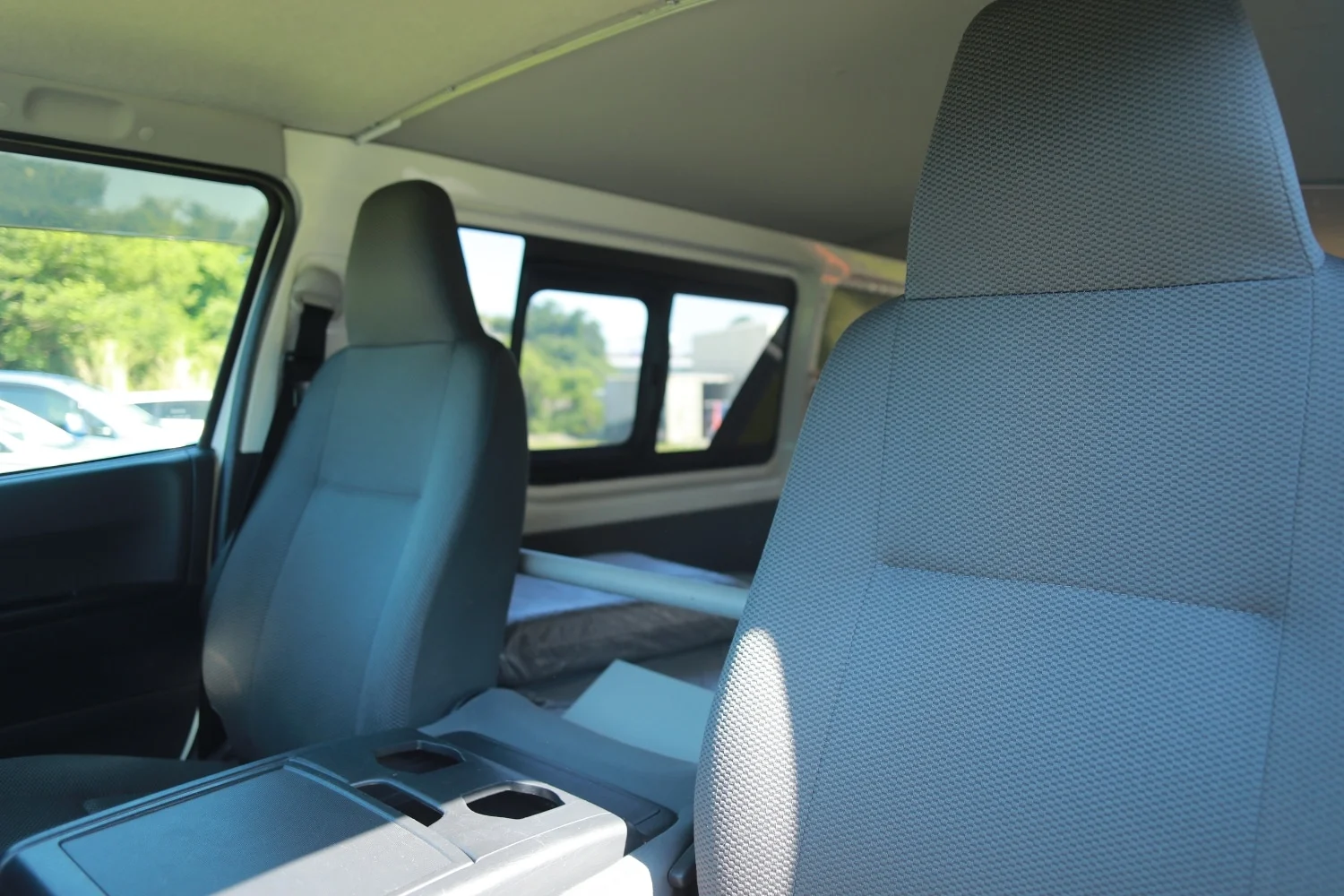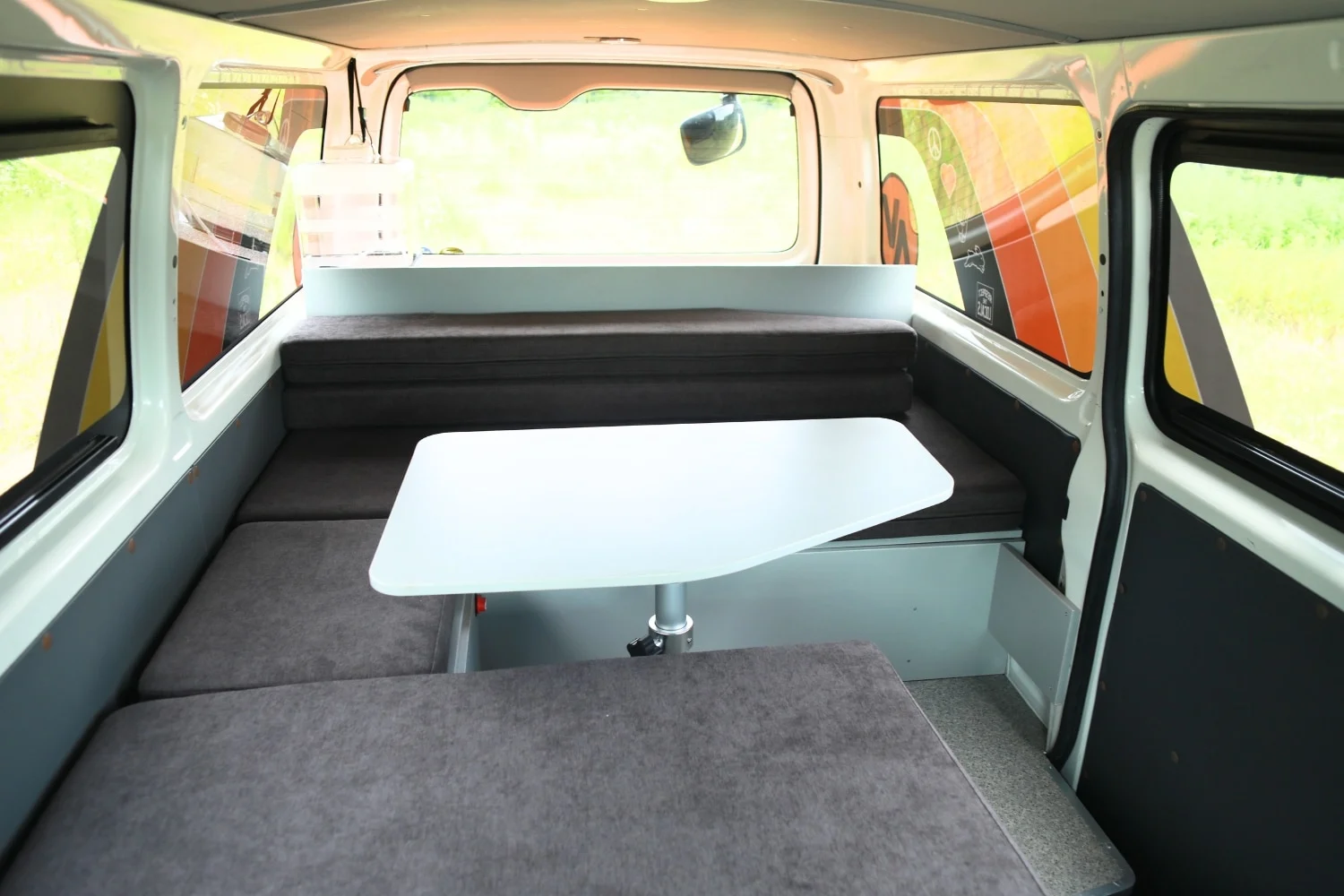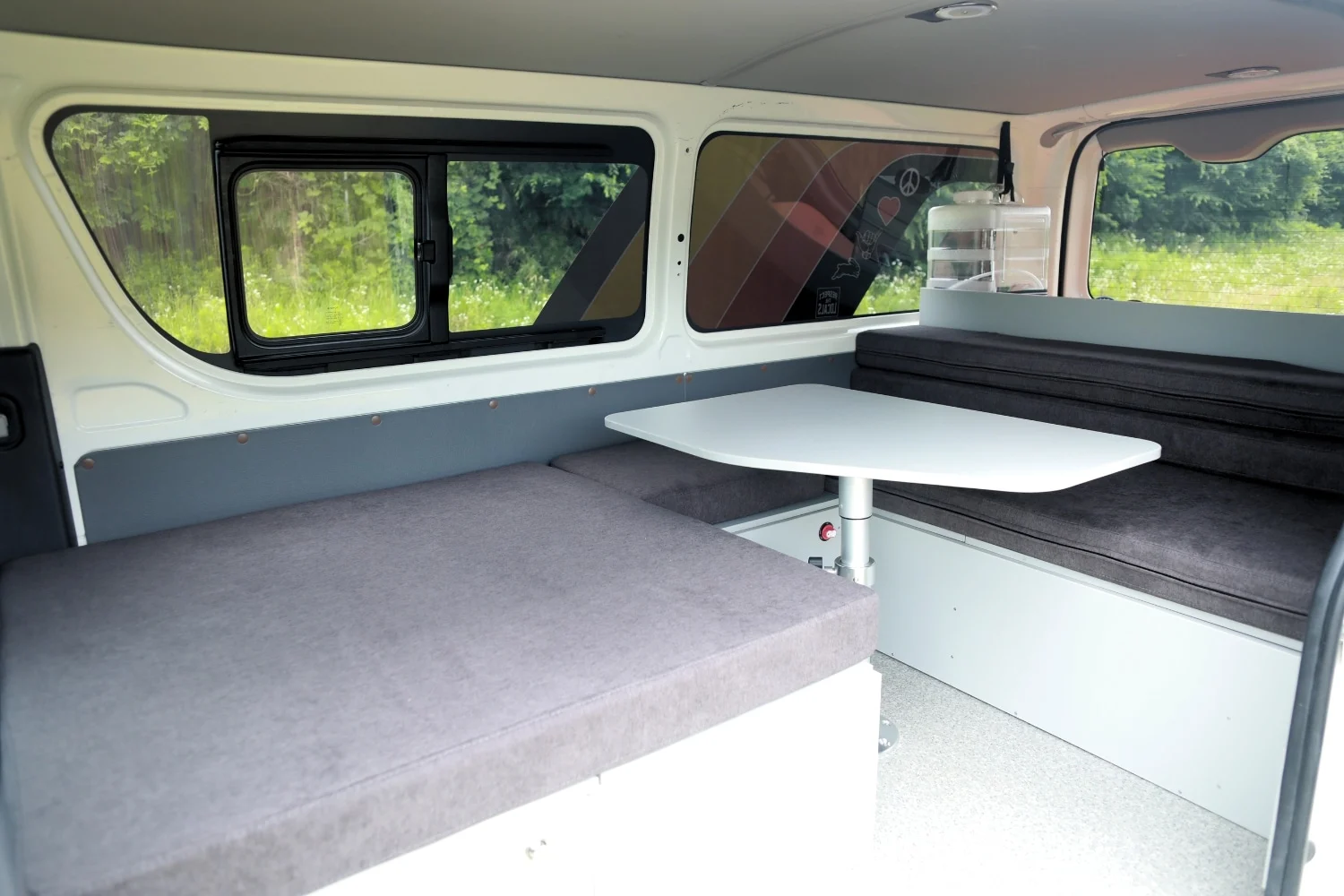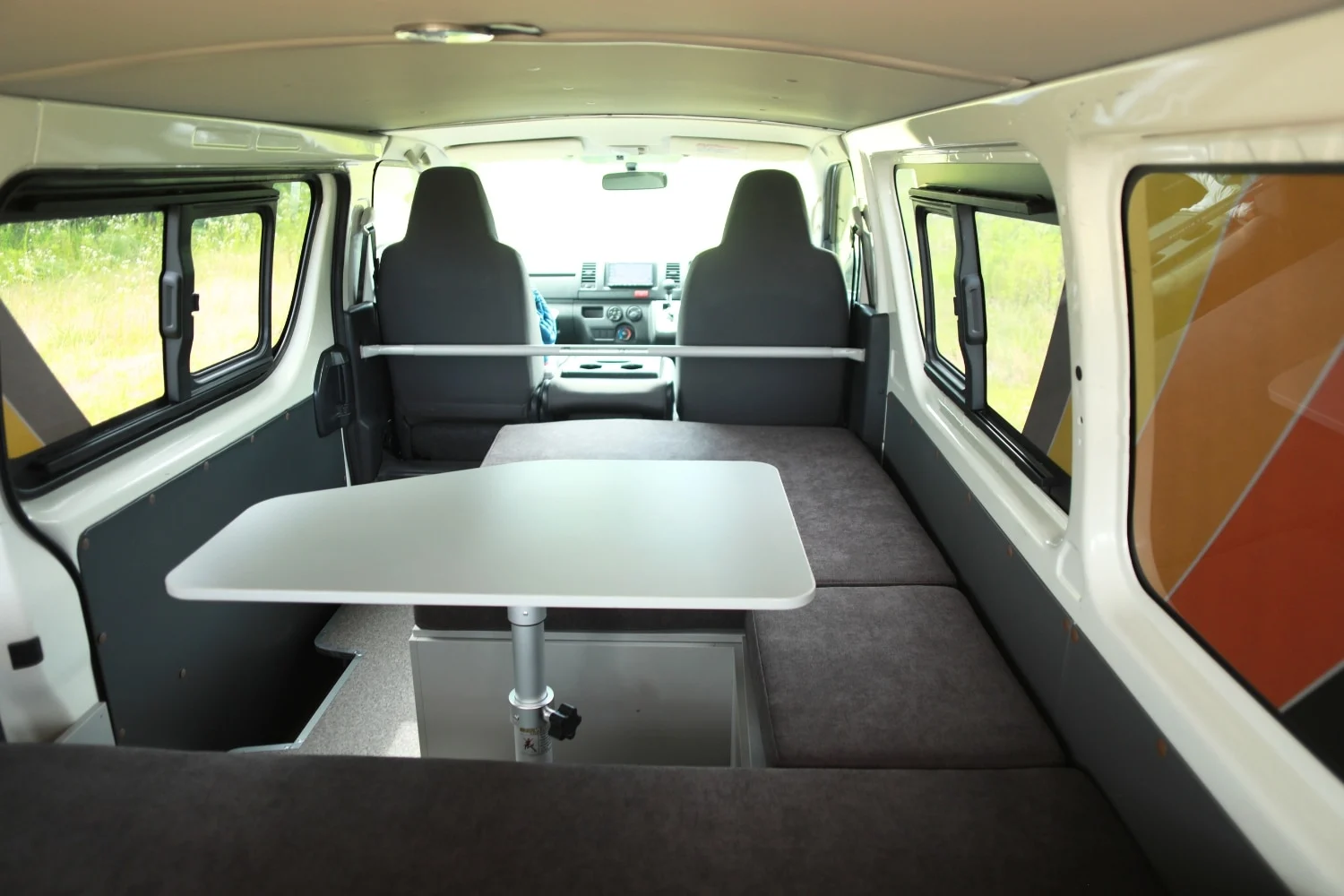

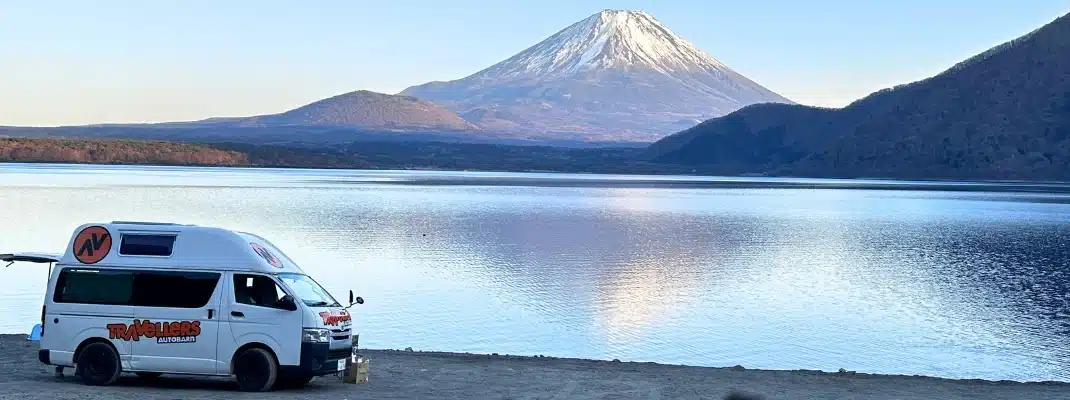
Winter is an incredible time to see a beautifully serene side of Japan. Popular destinations can feel quieter, the air is often crisp and clear, and there is nothing quite like ending a cold day with a steaming bowl of ramen or a soak in an onsen.
A winter campervan trip does require a little more planning, though. Japan has everything from mild Pacific coastlines to regions that receive huge amounts of snow, so choosing the right route is especially important.
One of the best ways to stay safe during a winter RV trip in Japan is to stick to lower-elevation coastal routes and milder parts of central and southern Japan, and always be prepared to change your plans if the weather turns.
Choose Your Winter Route Carefully
Choosing the right route is one of the most important parts of planning a winter campervan trip in Japan.
Northern Honshu, Hokkaido and much of Japan’s mountainous interior can experience heavy snowfall, icy roads and rapidly changing conditions during winter. Even places that appear close together on a map can have very different weather depending on their elevation and exposure.
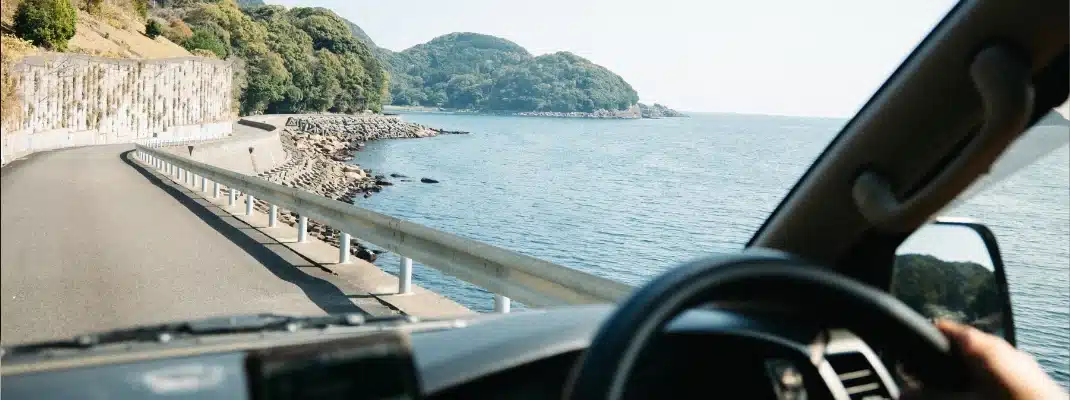
For a more relaxed winter journey, focus on lower-elevation coastal areas instead. The Izu Peninsula, southern Kii Peninsula and Seto Inland Sea can all be good options, provided the latest forecast and road conditions are suitable.
Snow and ice can never be ruled out completely, so check the weather and current road information each day before setting off. JNTO also recommends avoiding snow-covered roads wherever possible due to the increased risk of skidding, becoming stuck and reduced visibility.
Check the Weather Before You Drive
Checking the forecast should become part of your morning routine during a winter campervan journey. Look at the weather for both your destination and the roads between you and your next stop. Conditions near the coast may be perfectly manageable while an inland shortcut or higher road experiences snow or freezing temperatures.
If snow or ice is forecast on your planned route, change your plans rather than trying to push through. Staying flexible is one of the advantages of campervan travel, so make the most of it.
Stick to major roads wherever possible. They are generally easier to navigate and give you more opportunities to stop at service areas if conditions change.
Be Aware of Black Ice
Snow is usually easy to spot, but ice can be much harder to recognise.
Black ice forms when moisture freezes on the road surface, often leaving it looking wet rather than obviously frozen. Bridges, overpasses and the areas around tunnel entrances and exits can be particularly prone to icy patches because their surfaces cool quickly.
Take extra care early in the morning and later in the day, when temperatures are more likely to drop. If a road looks icy or conditions no longer feel safe, do not continue simply because it is part of your planned route. Find somewhere safe to stop and either wait for conditions to improve or choose an alternative route.
Prepare for Colder Nights
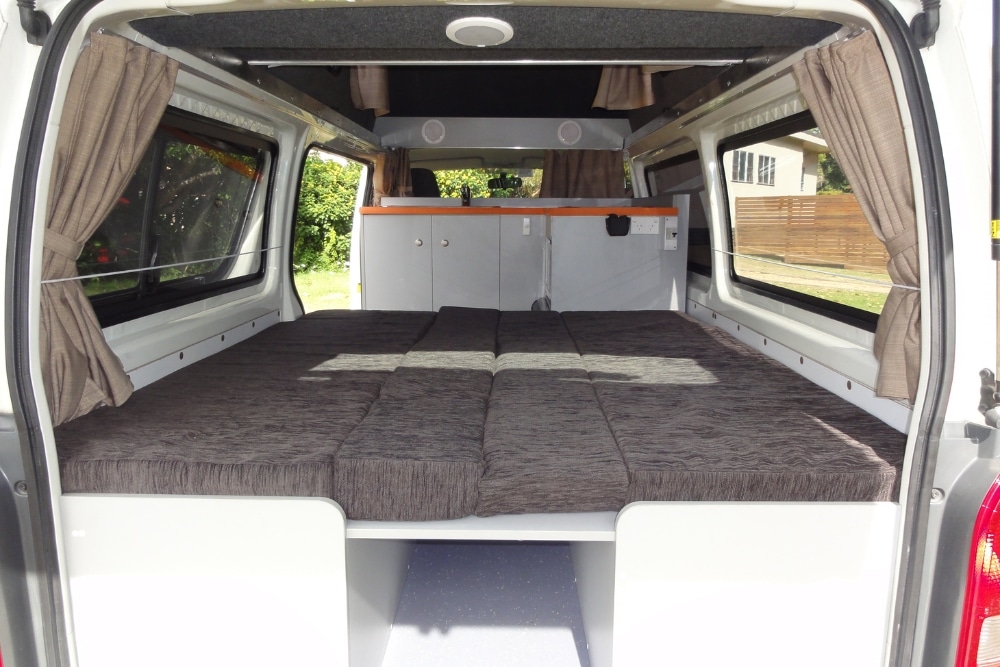
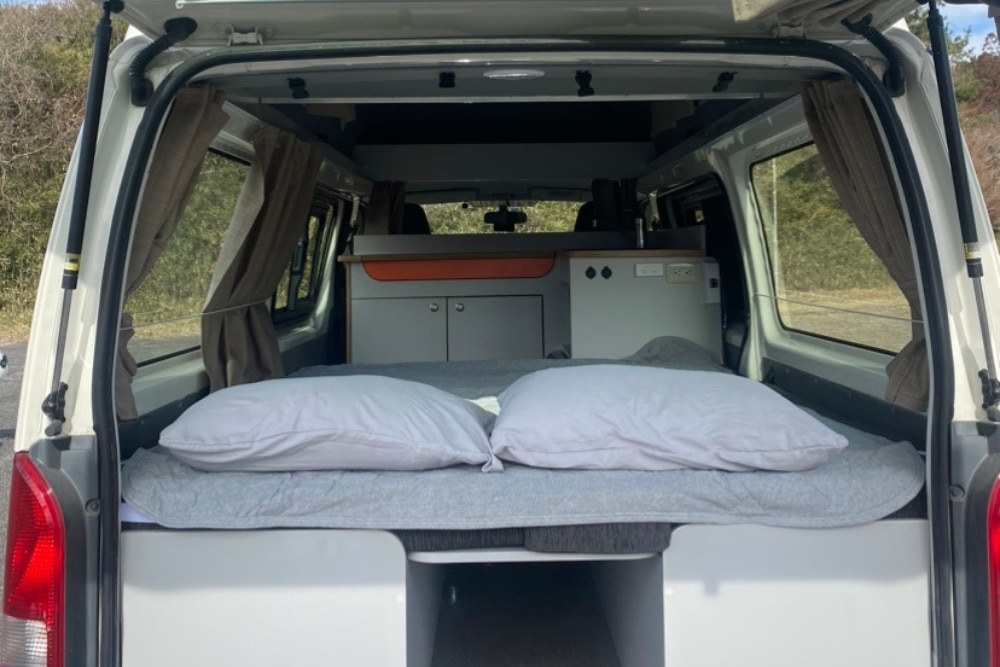
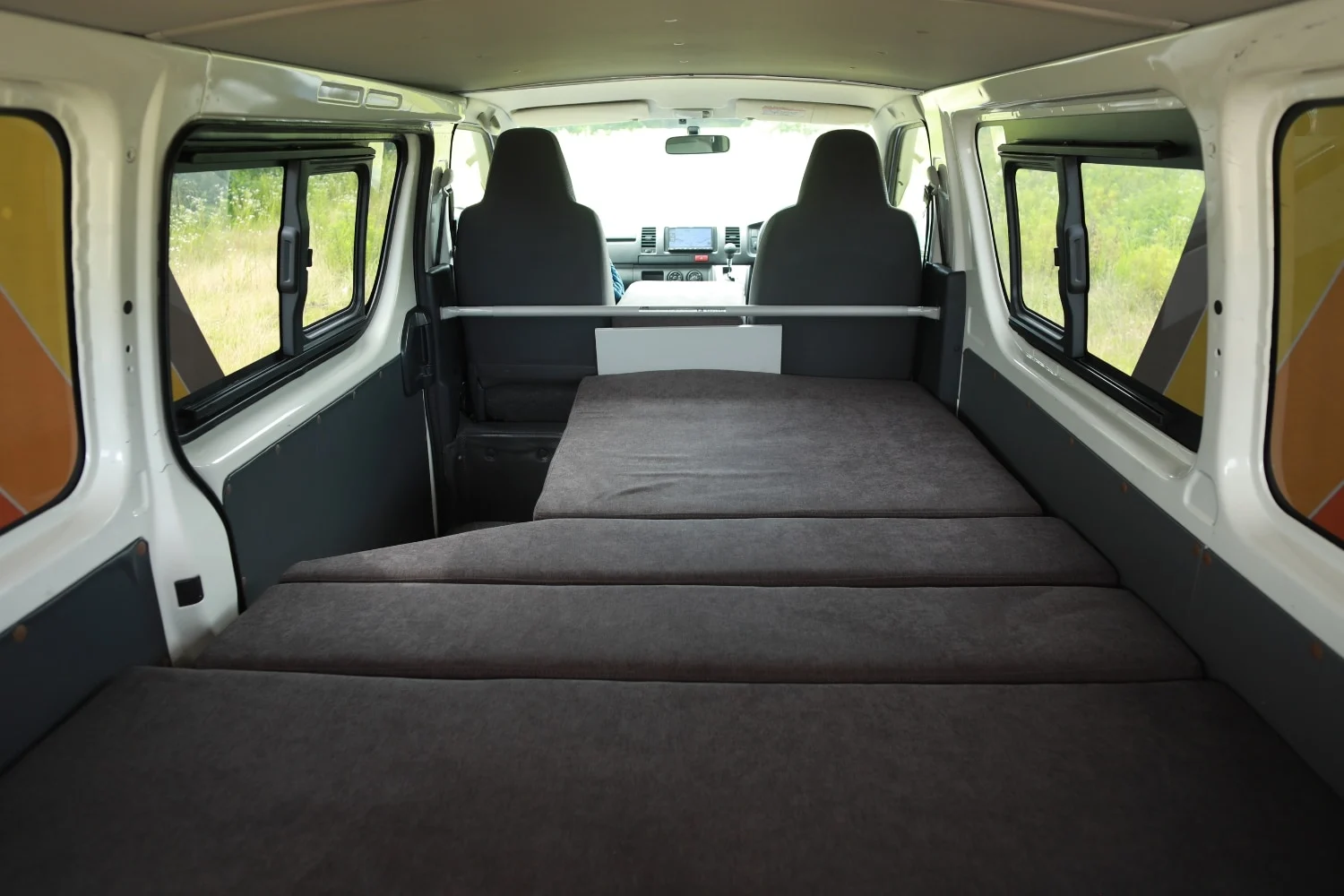
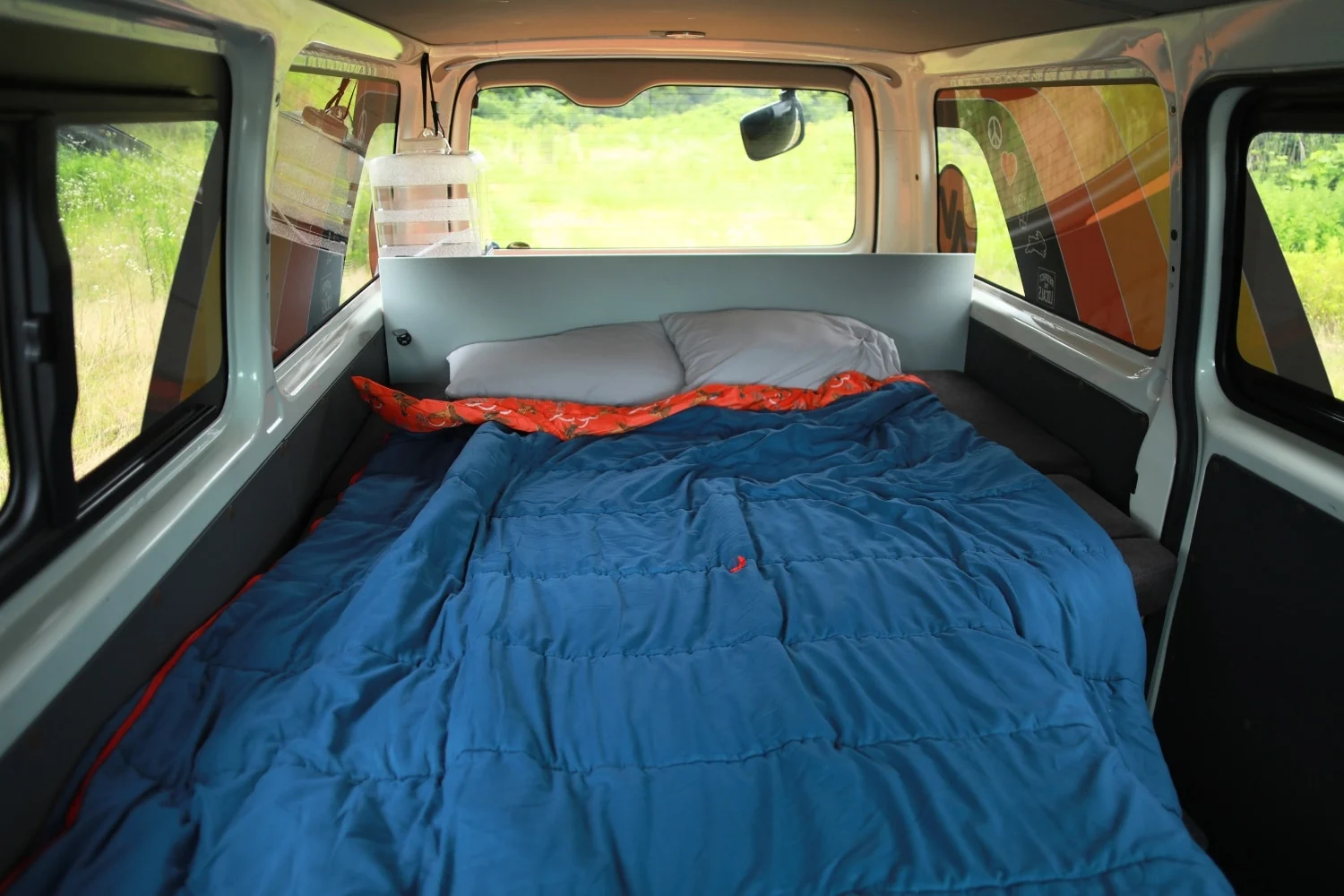
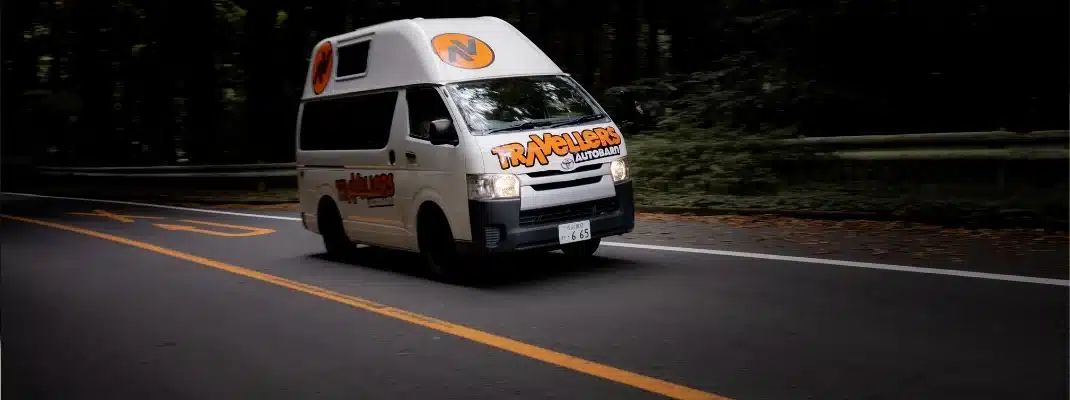
Even when you avoid snowy areas, winter nights in Japan can get cold. A few extra layers can make evenings in the campervan much more comfortable. So, be sure to pack:
- Warm base layers and comfortable clothes for sleeping
- Thick socks and a warm hat
- An insulated jacket for evenings outside
- Extra blankets where necessary
- Gloves for cold mornings
- Suitable footwear for wet winter weather
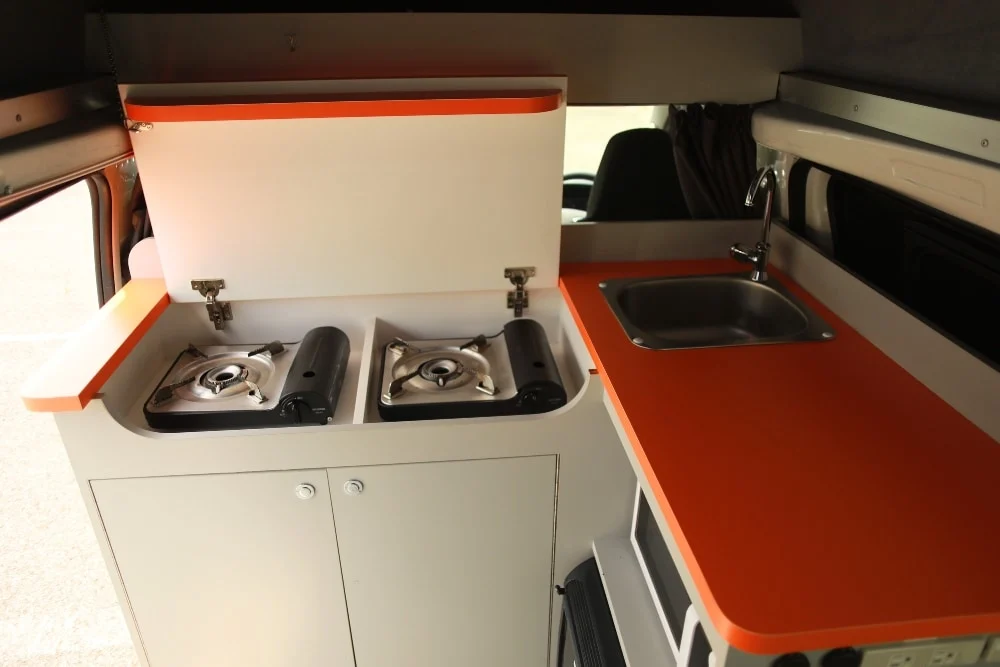
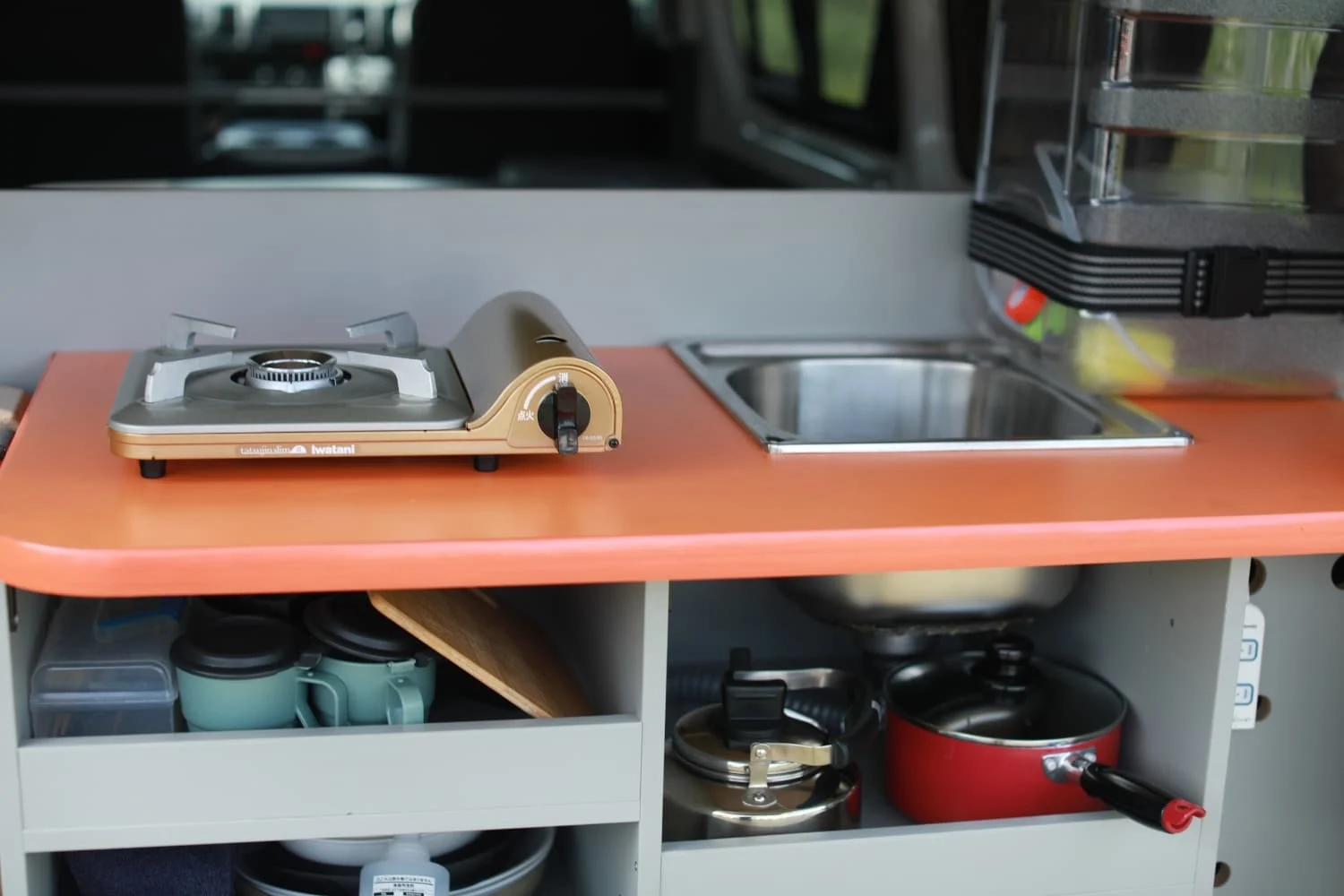
It might be tempting to heat the campervan as much as possible, but always use heating equipment exactly as instructed by the rental team. Never bring camping stoves, portable gas heaters or other unapproved heating equipment into the vehicle.
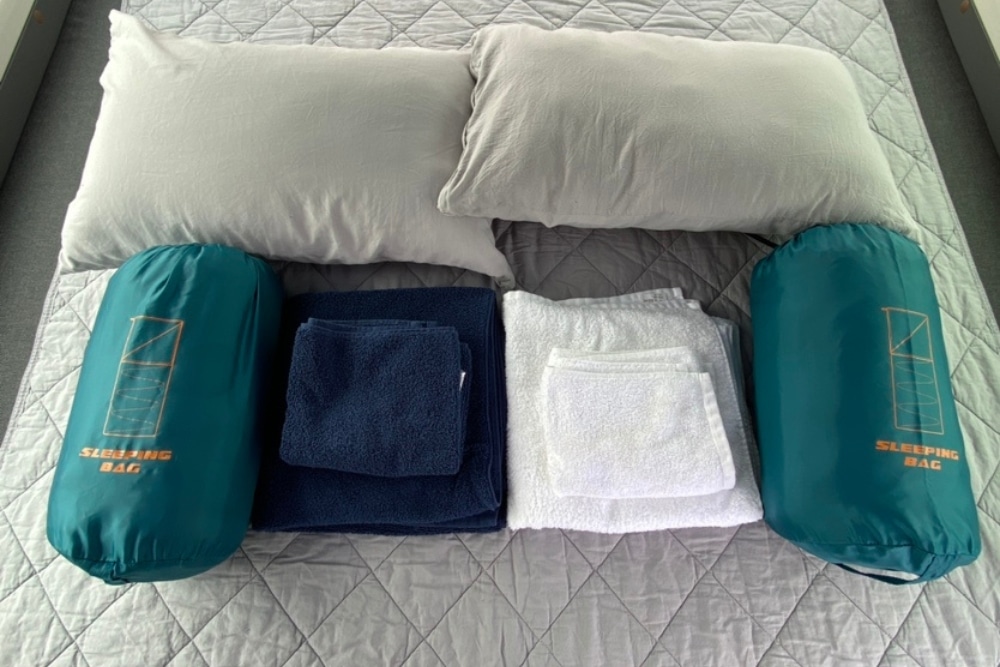
A warm sleeping bag, suitable clothing and good bedding can make a huge difference without relying entirely on powered heating.
Look After Your Campervan’s Power
Winter often means spending more time inside the campervan, so you may rely more heavily on lights, charging points and other electrical equipment.
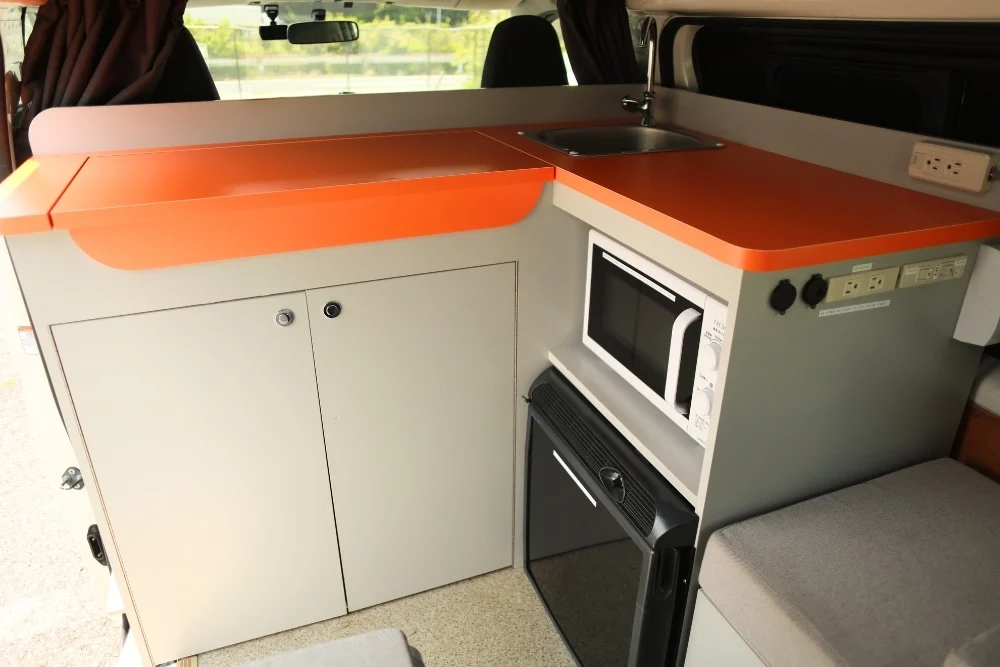
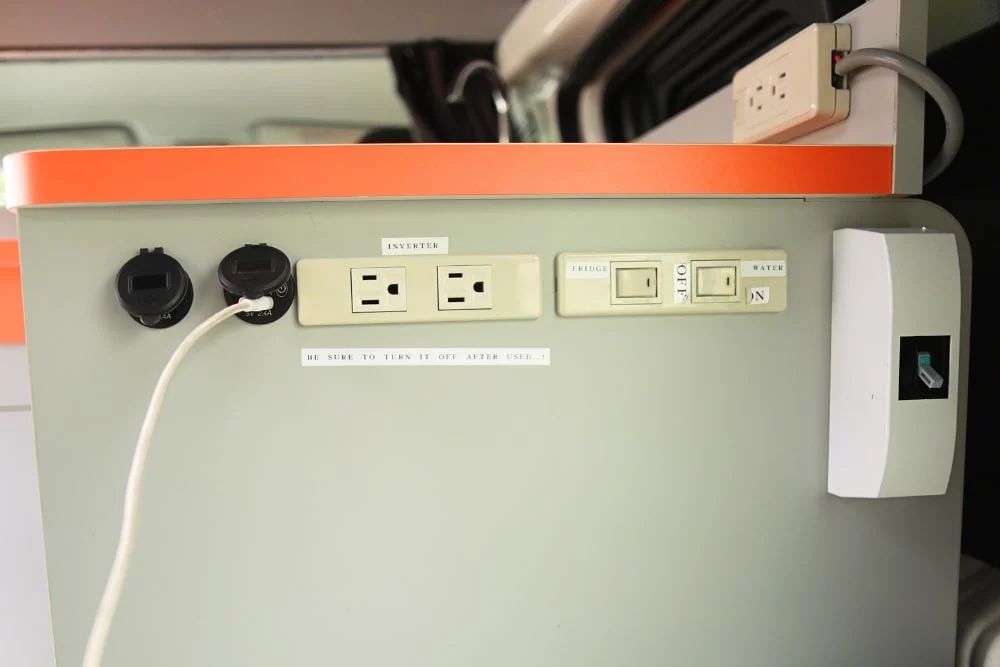
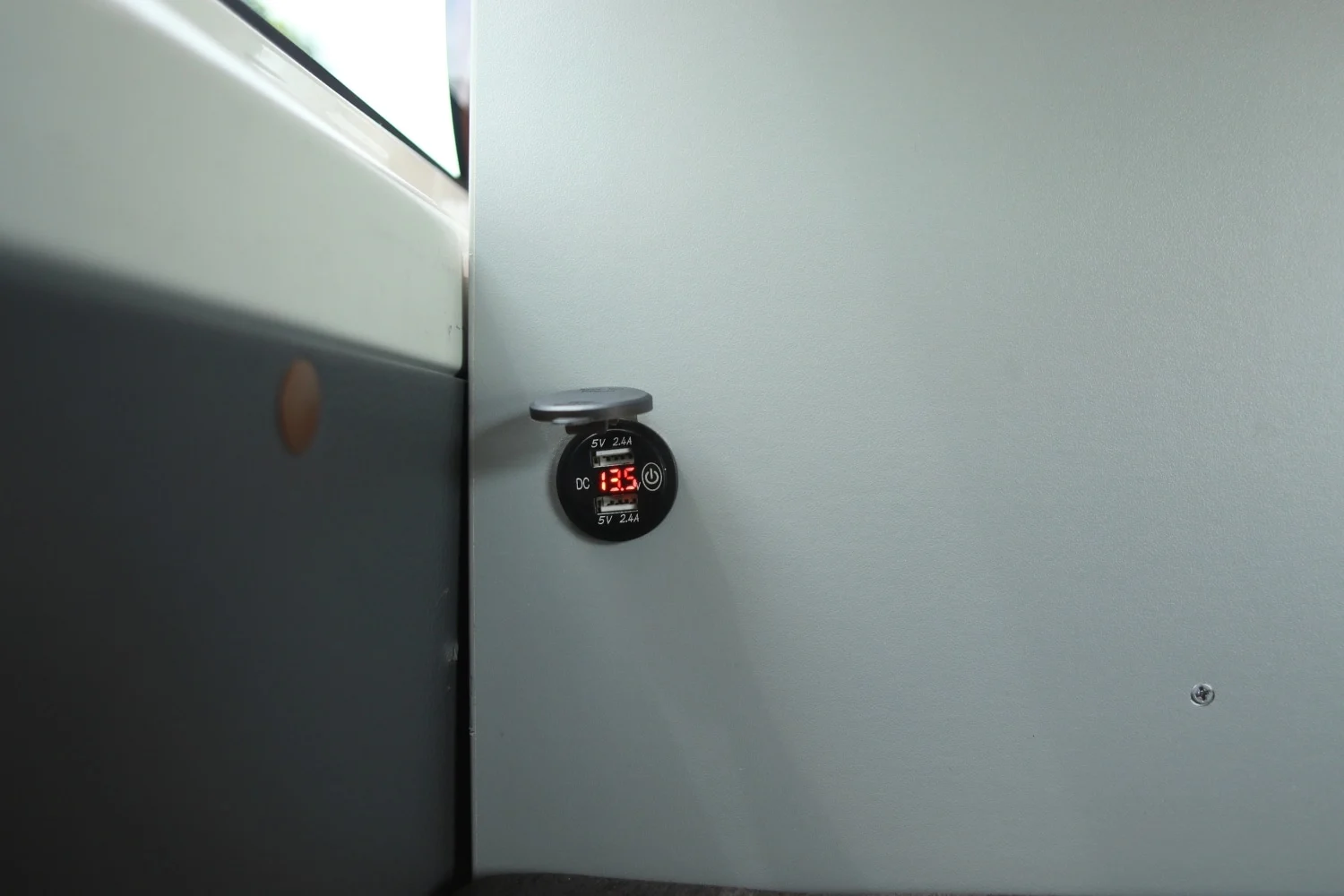
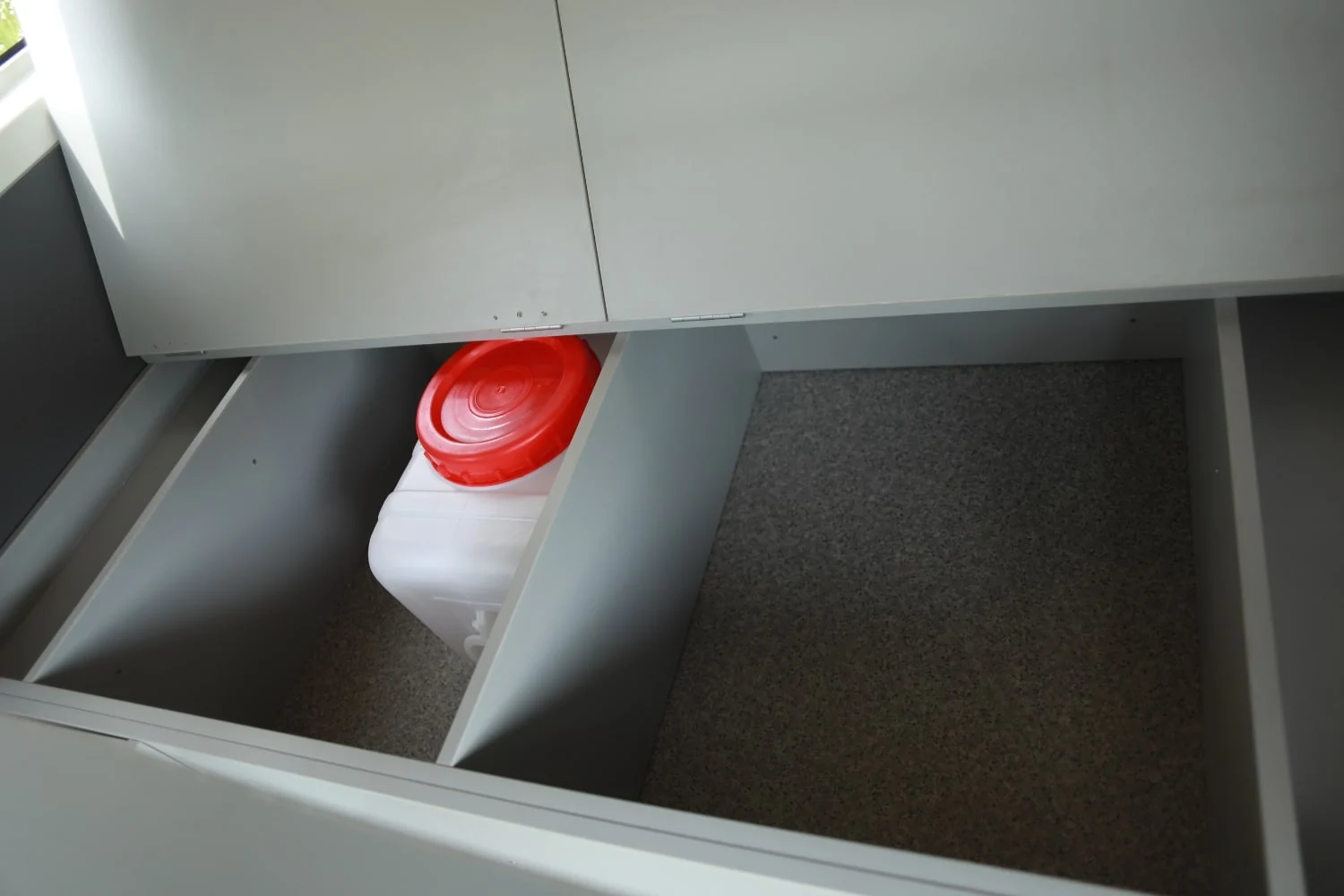
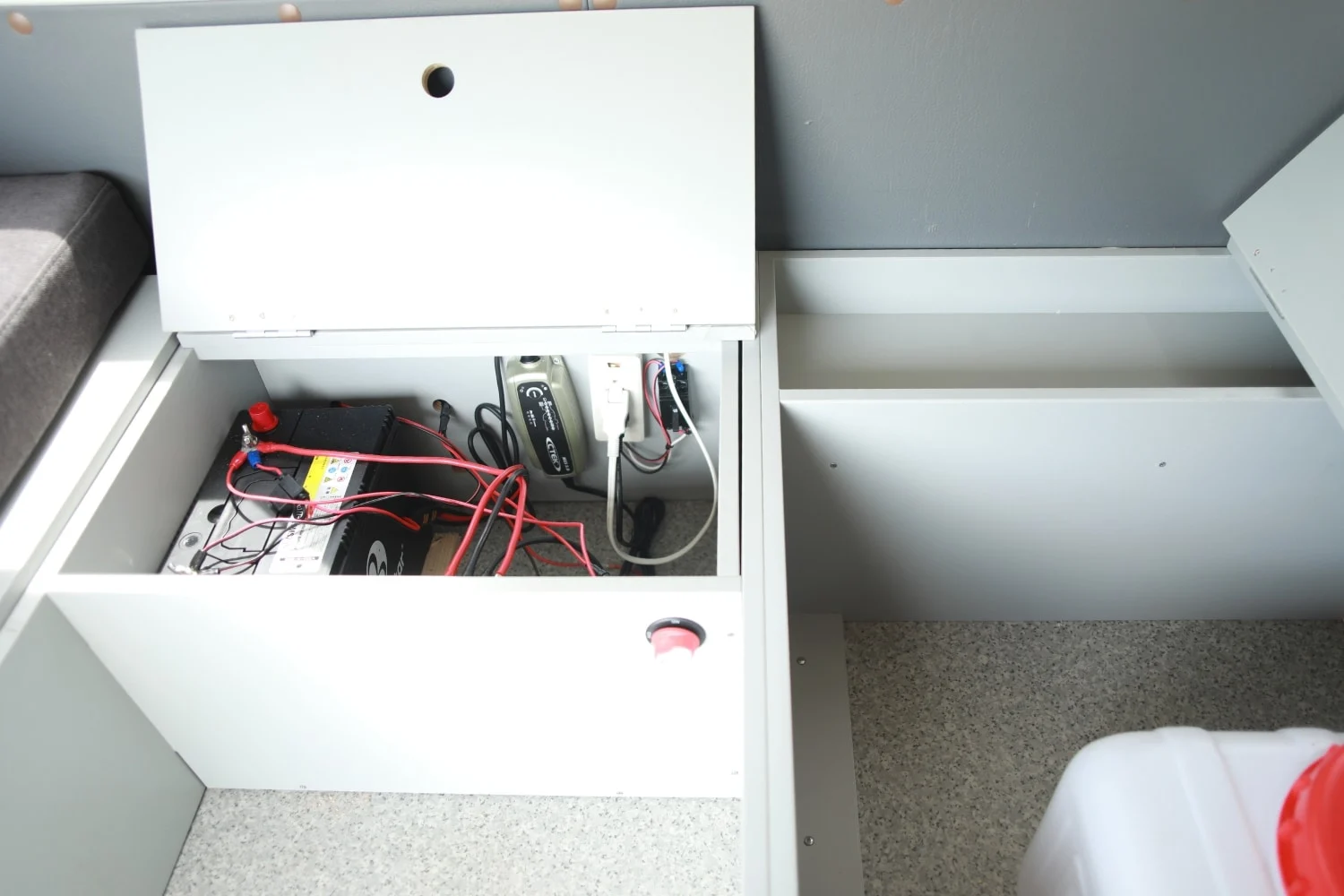
Before setting off, make sure you understand how the leisure battery works and how it recharges. Depending on the vehicle, this may happen while you drive or through another charging system.
A few simple habits can help your power last longer:
- Charge phones and navigation devices while driving.
- Switch off lights and equipment when they are not in use.
- Avoid leaving devices plugged in unnecessarily.
- Use high-powered appliances only if they are approved for your campervan.
- Consider occasional campsite stays where extra charging facilities may be available.
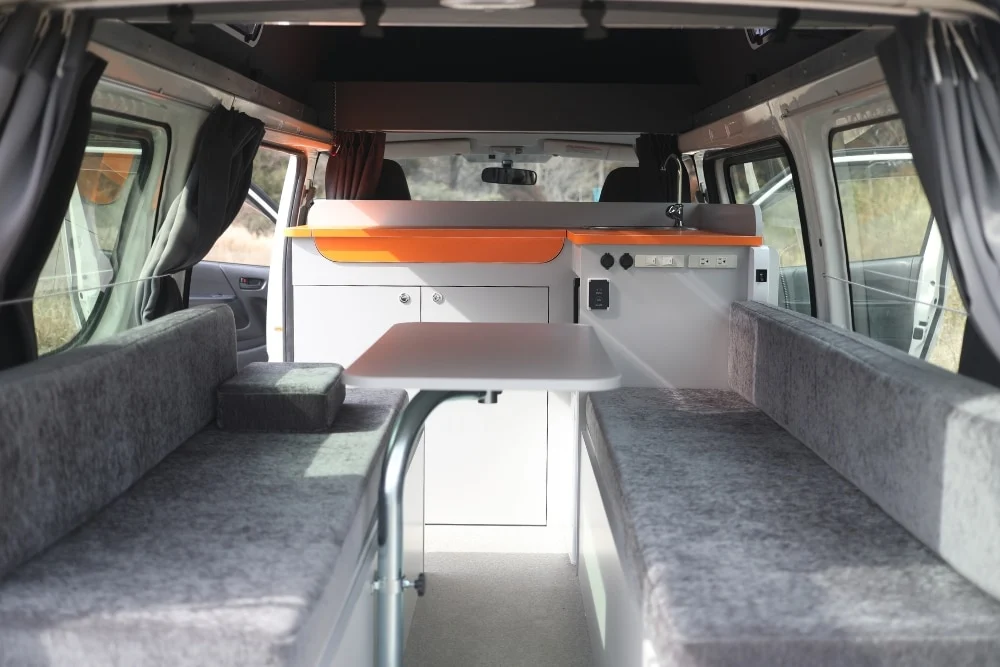
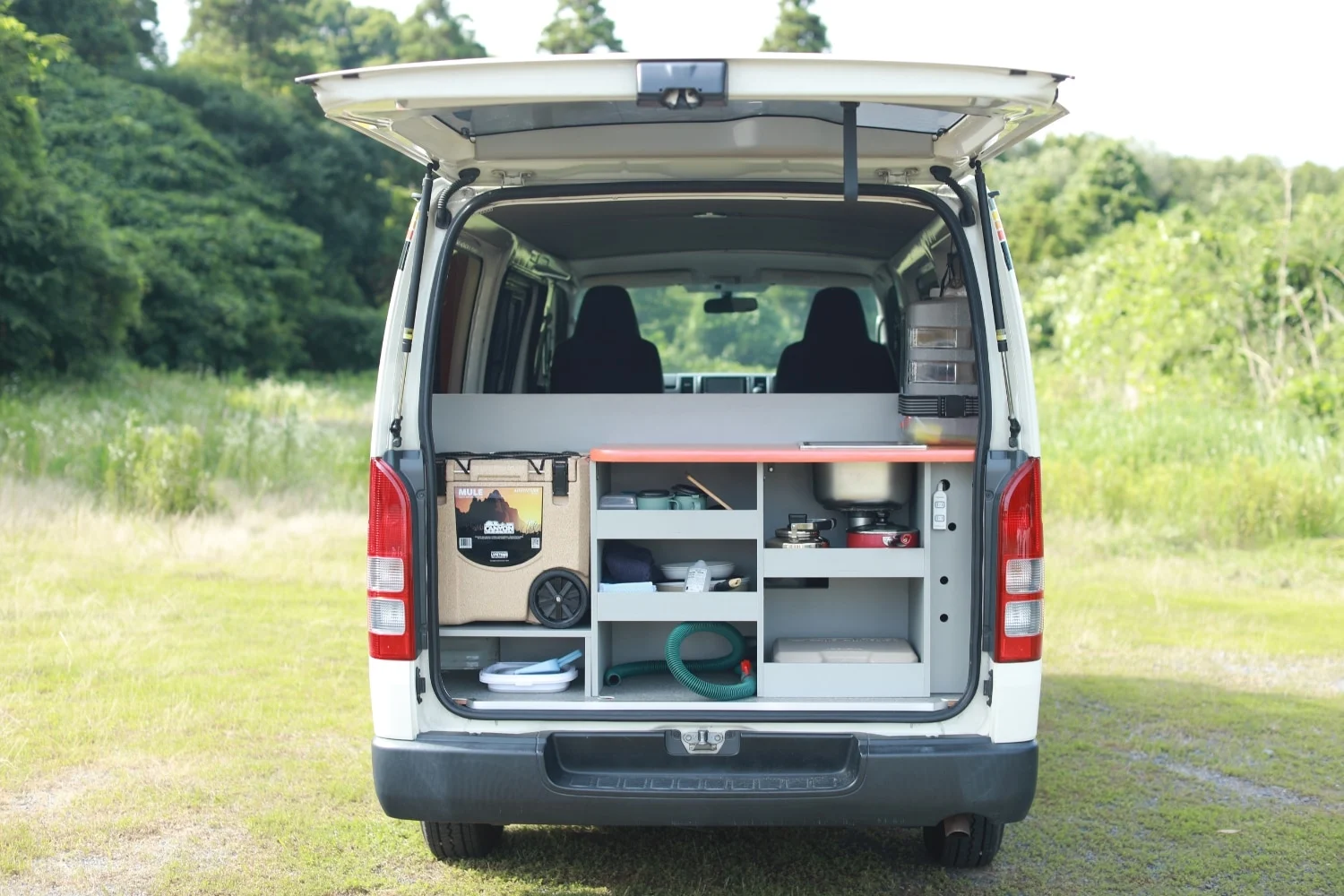
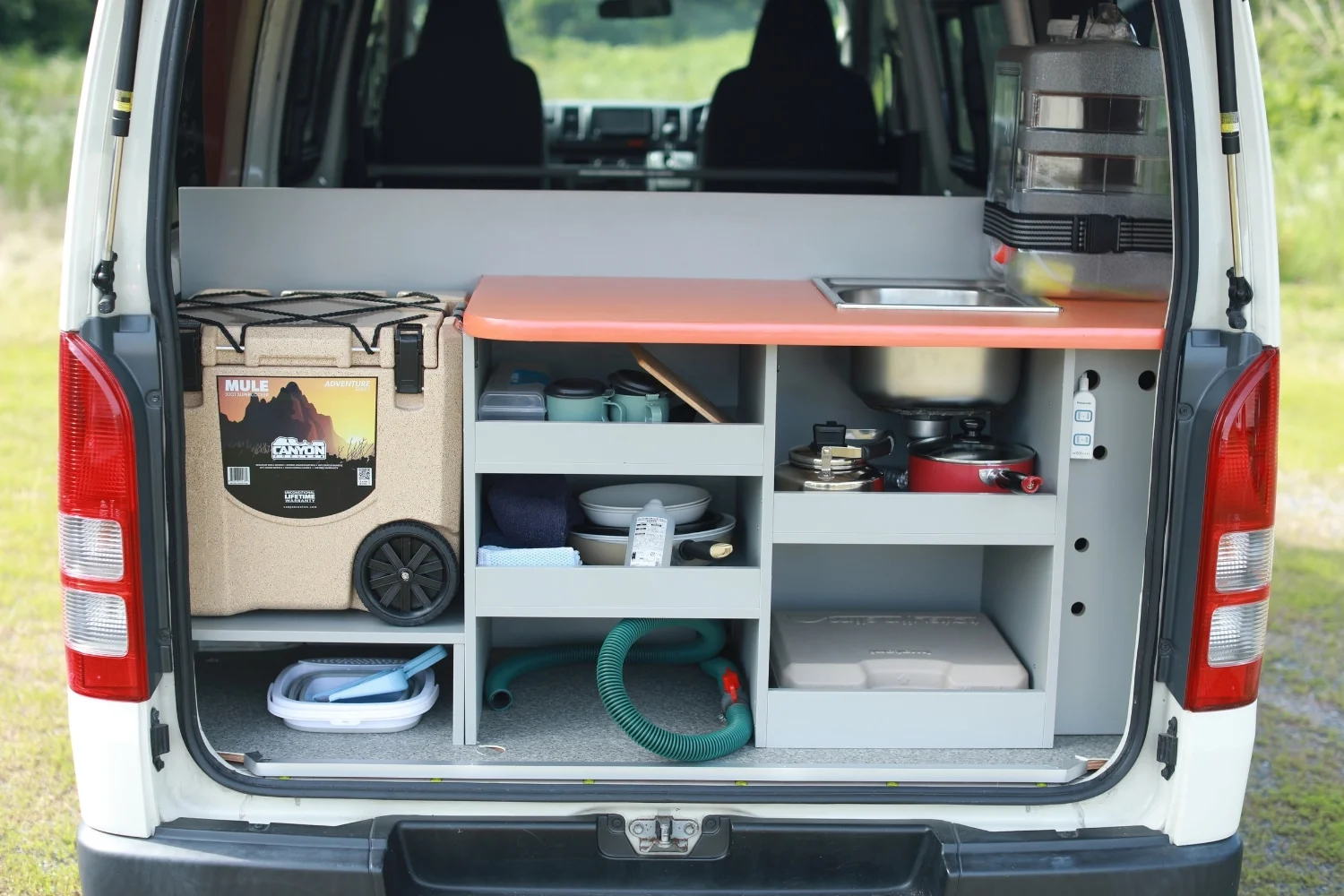
If you are collecting a campervan rental Tokyo vehicle from Chiba, use the handover to familiarise yourself with the electrical system so you know how to manage power throughout your trip.

Allow for Shorter Winter Days
Winter days are shorter, so it is worth planning your driving time carefully, especially if you are more familiar with travelling around Japan in spring or summer.
Where possible, aim to complete unfamiliar stretches of road during daylight. This makes it easier to spot junctions, find campsites and get a clearer sense of the road conditions ahead.
Setting off earlier also gives you more flexibility if traffic, weather or an unexpected stop slows you down. Try not to overfill each day either. Winter road trips often work best at a slower pace, with shorter drives and more time for onsen, local food and spontaneous stops along the way.
Keep Food, Water and Fuel Topped Up
Try to top up your essentials before they start running low. Keep an eye on fuel, fresh water and food supplies, especially when travelling through quieter coastal or rural areas. Convenience stores and supermarkets make it easy to restock in many parts of Japan, but opening hours and availability can vary.
Fuel stations may also become less frequent outside larger towns, so keeping the fuel tank well topped up gives you more flexibility if weather or road conditions force you to change your plans.
It is also sensible to carry bottled water and a few simple meals or snacks in the campervan in case a journey takes longer than expected.
Stay Flexible and Enjoy Winter at a Slower Pace
A successful winter campervan trip in Japan is all about choosing routes that suit the season and being ready to adapt when conditions change.
Avoid snowy mountain roads, check the forecast each day and give yourself plenty of time between stops. If the weather turns, change your route rather than pushing on unnecessarily.
With the right preparation, a motorhome Tokyo adventure can be a brilliant way to experience Japan during its quieter months. Focus on milder coastal regions and you can enjoy crisp winter scenery, relaxing onsen, seasonal food and peaceful destinations while keeping snow and ice out of the journey as much as possible.
Find Your Itinerary:
Japan’s Early Winter Foliage: A 14-Day December Campervan Tour
About the Author

Mayumi
I love nature and travel. I have lived and traveled in some countries and seen many cultures. I would love to share stories of Japan so that visitors can learn more about this wonderful and unique culture and have an unforgettable and enjoyable trip.


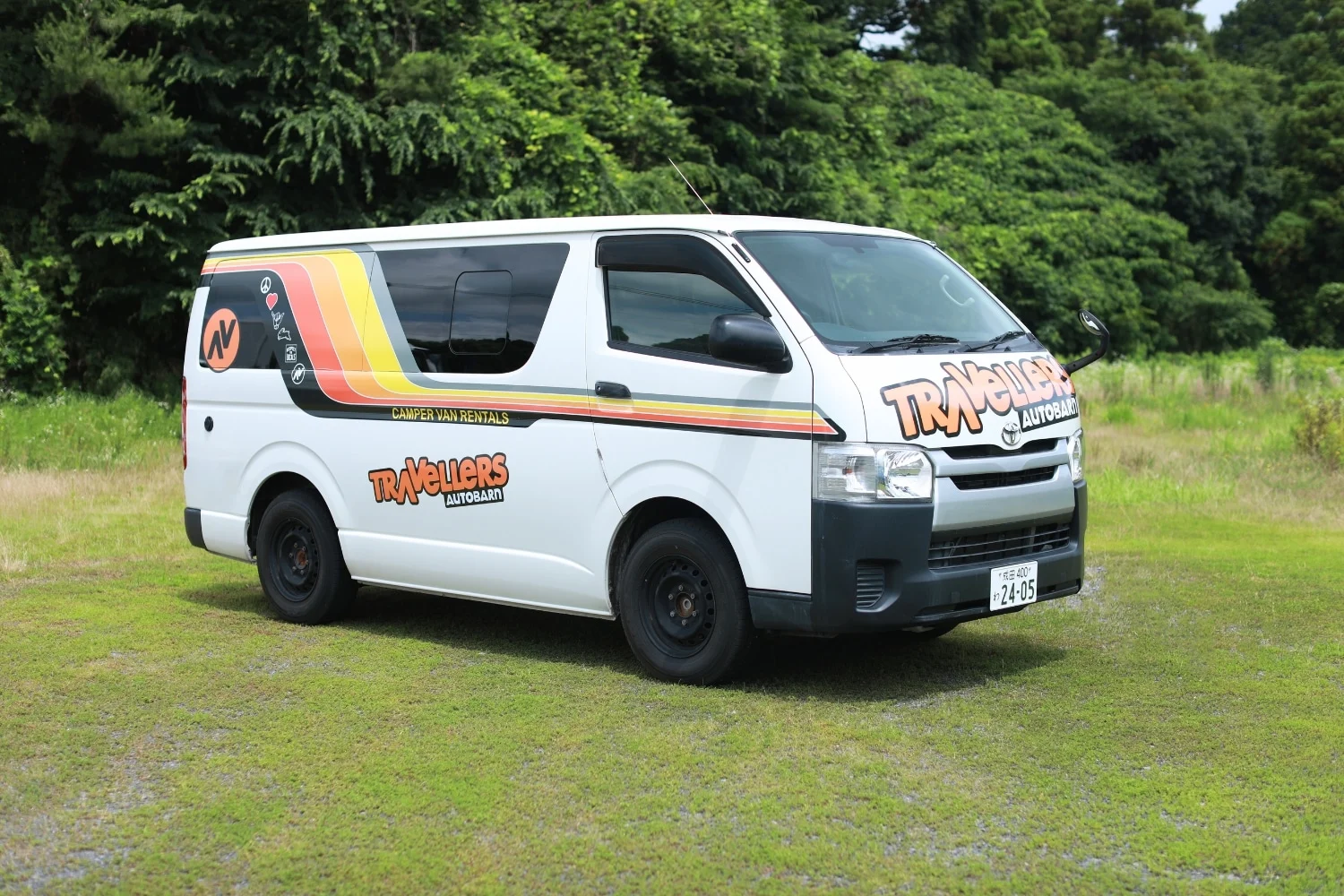
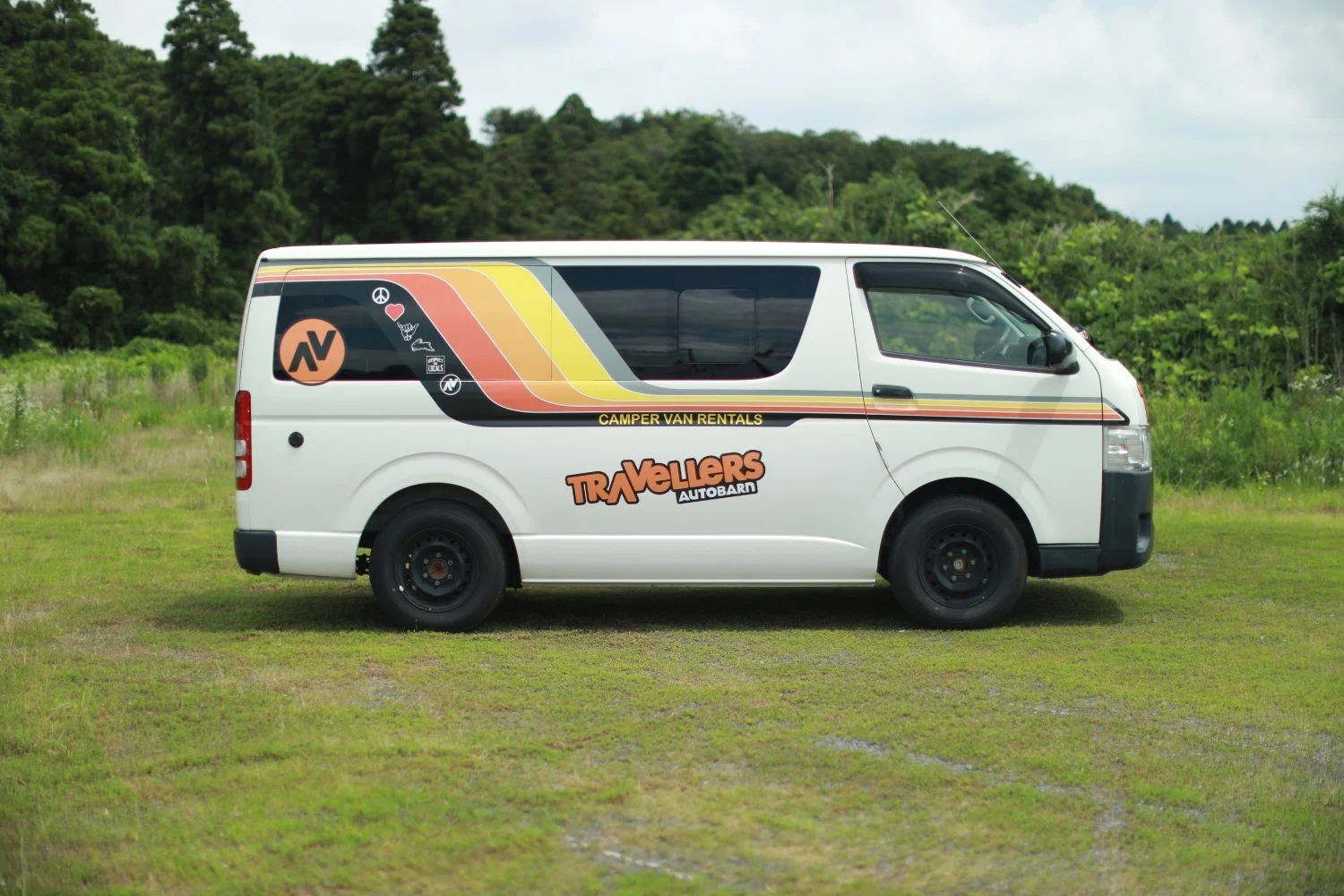
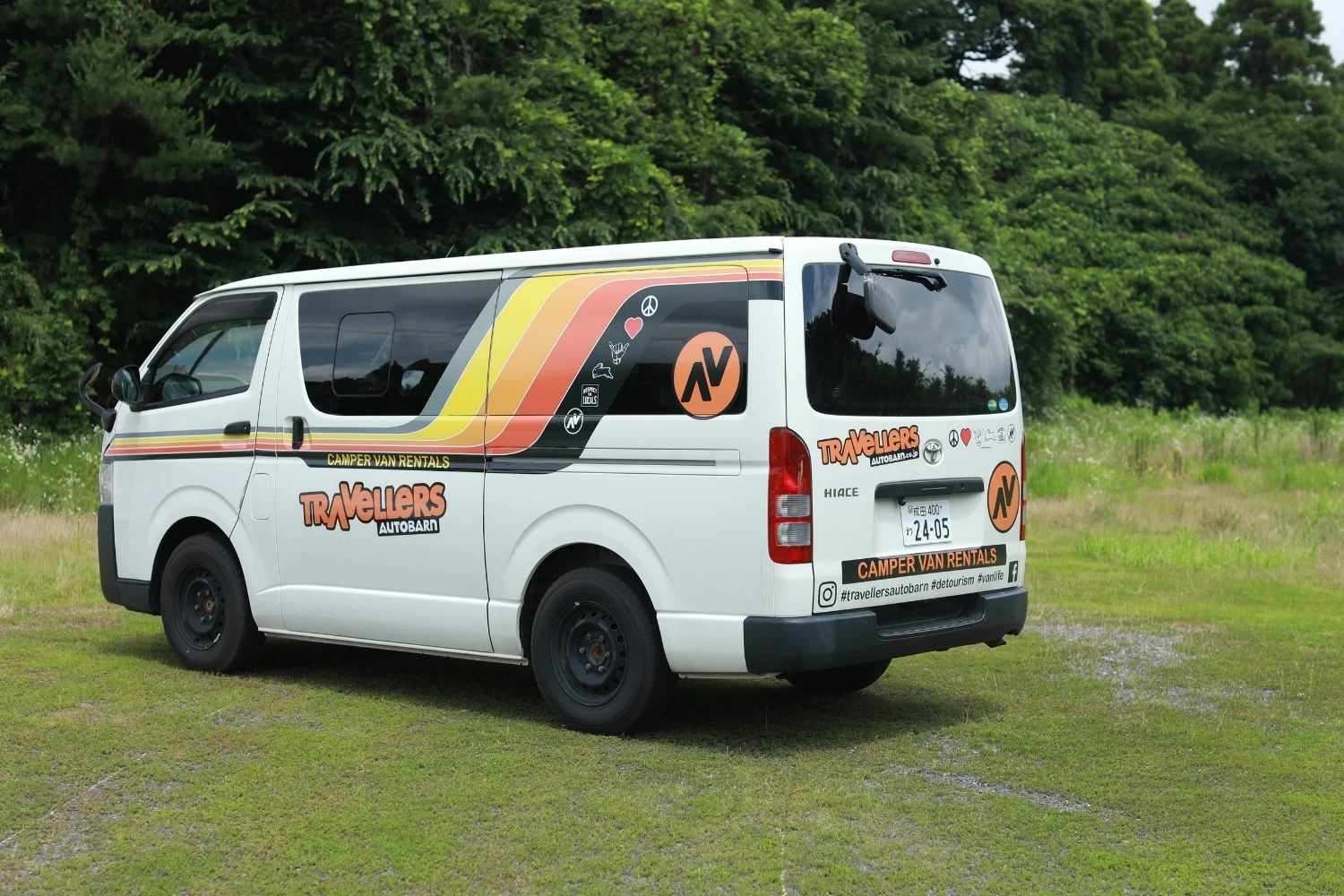
Our Campervans