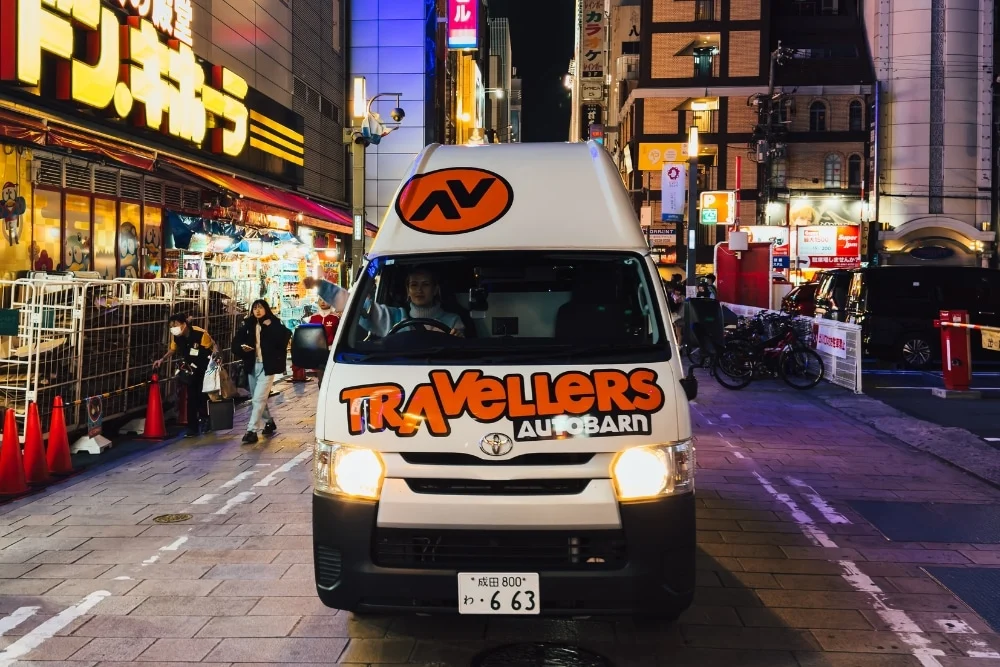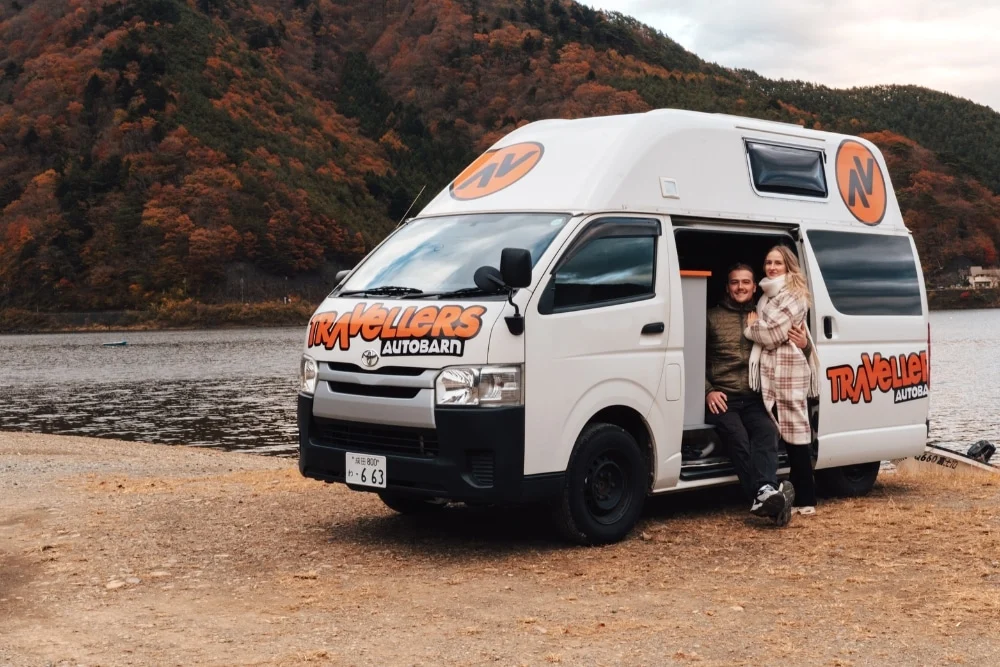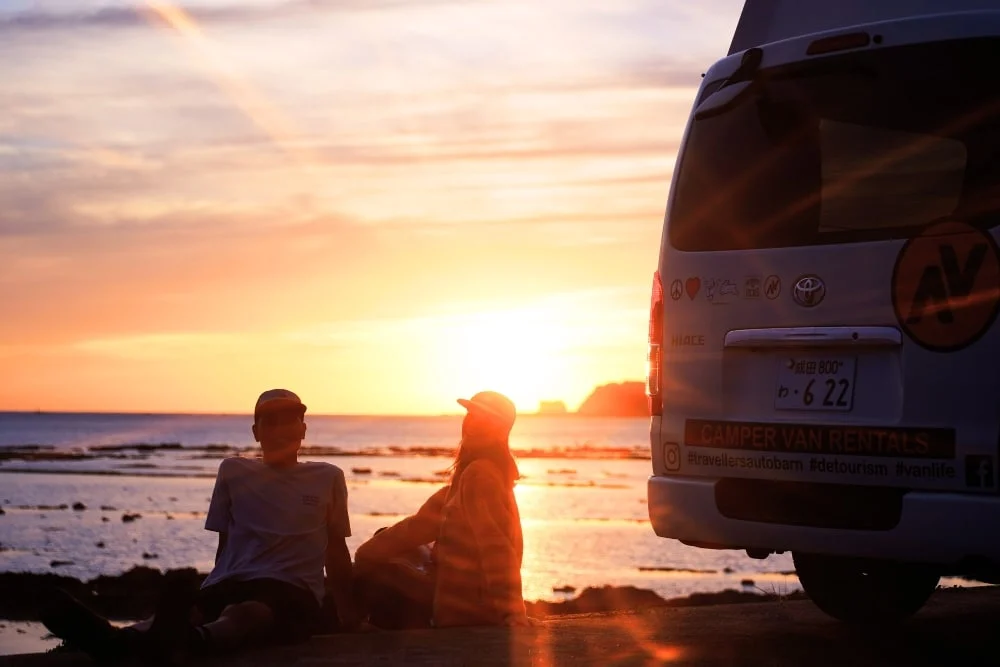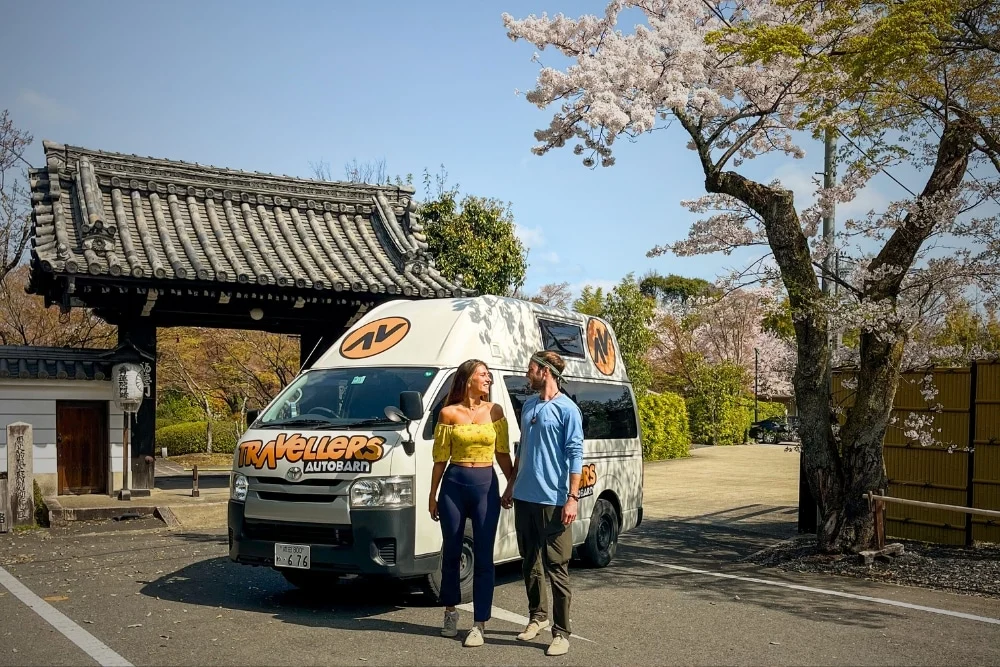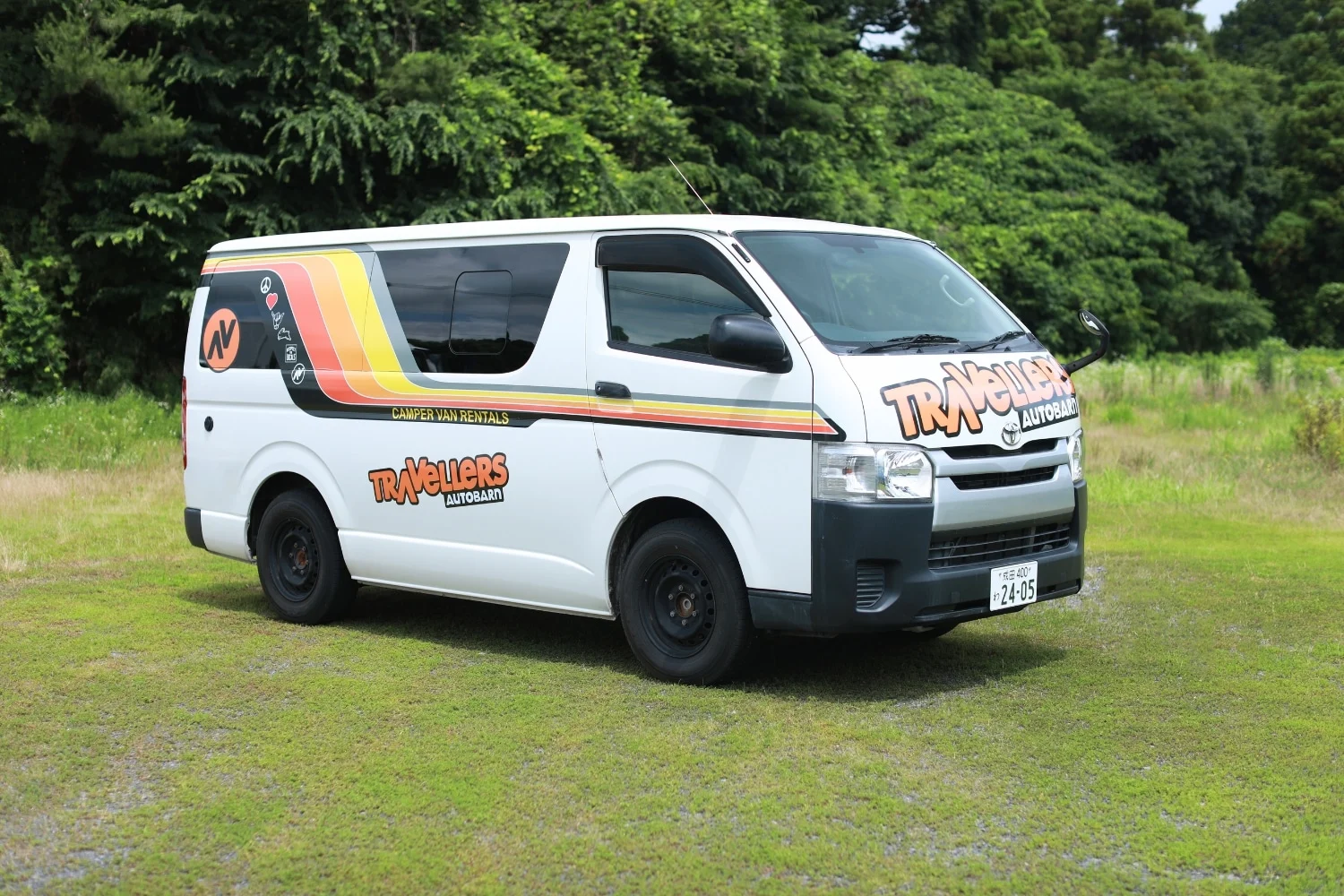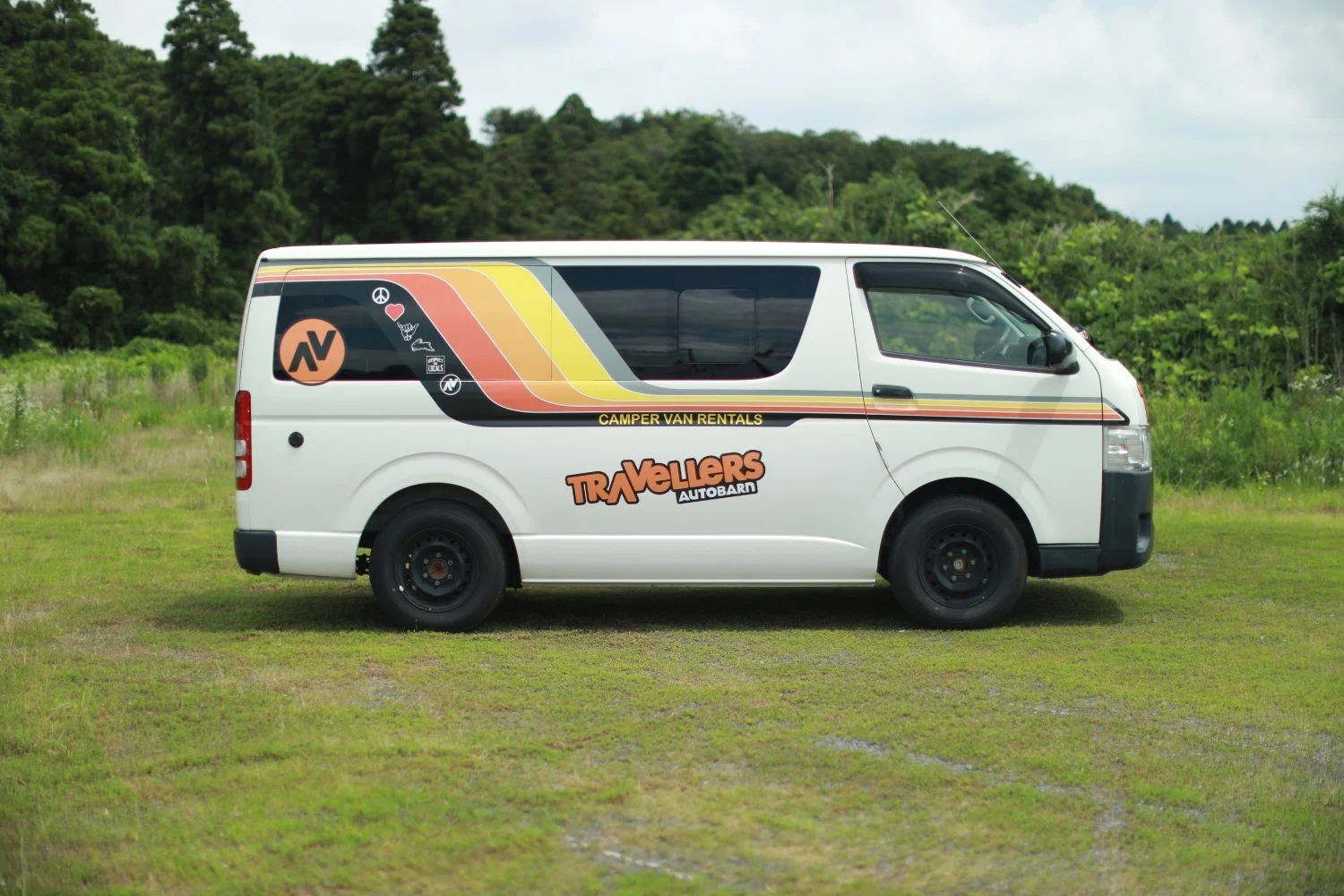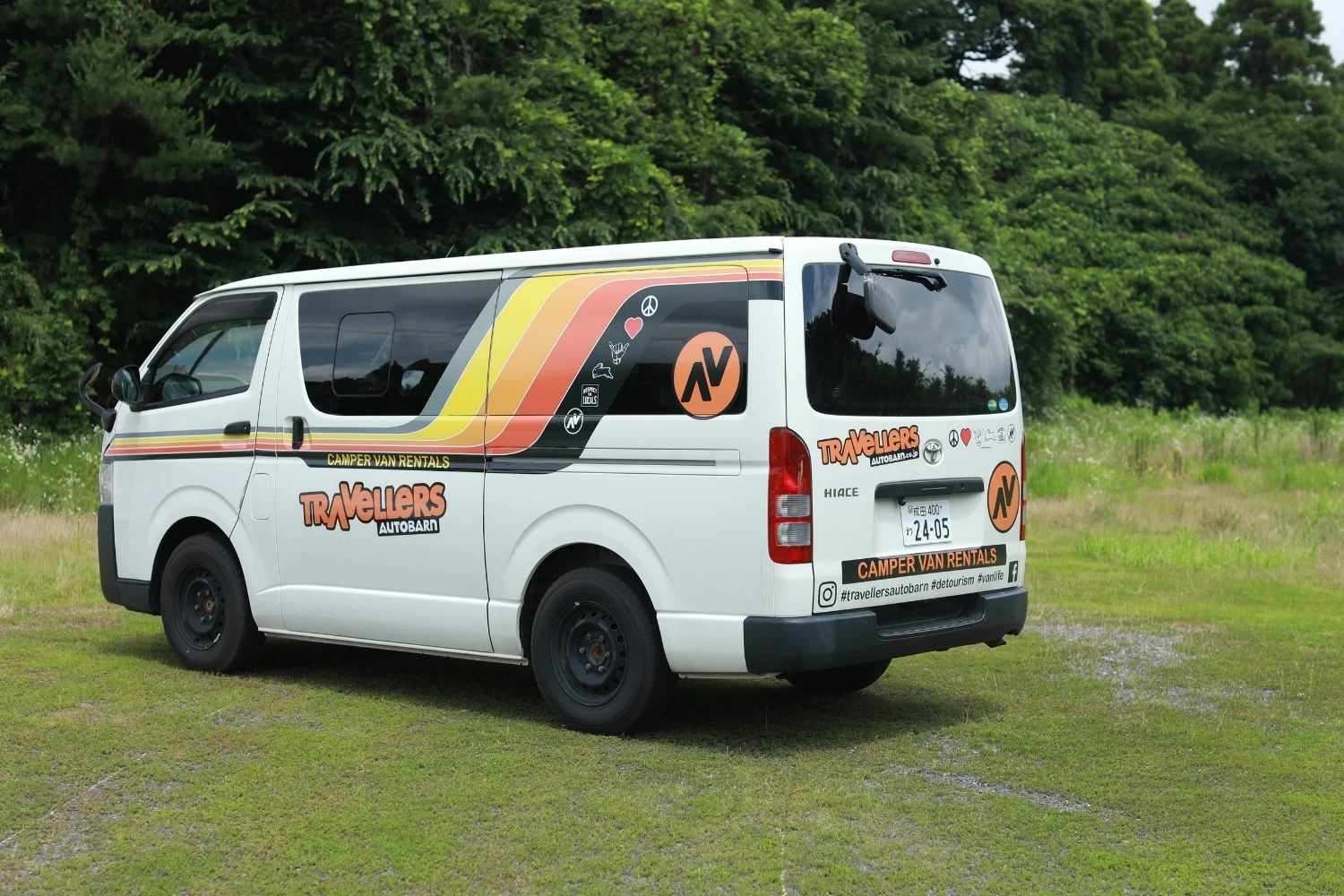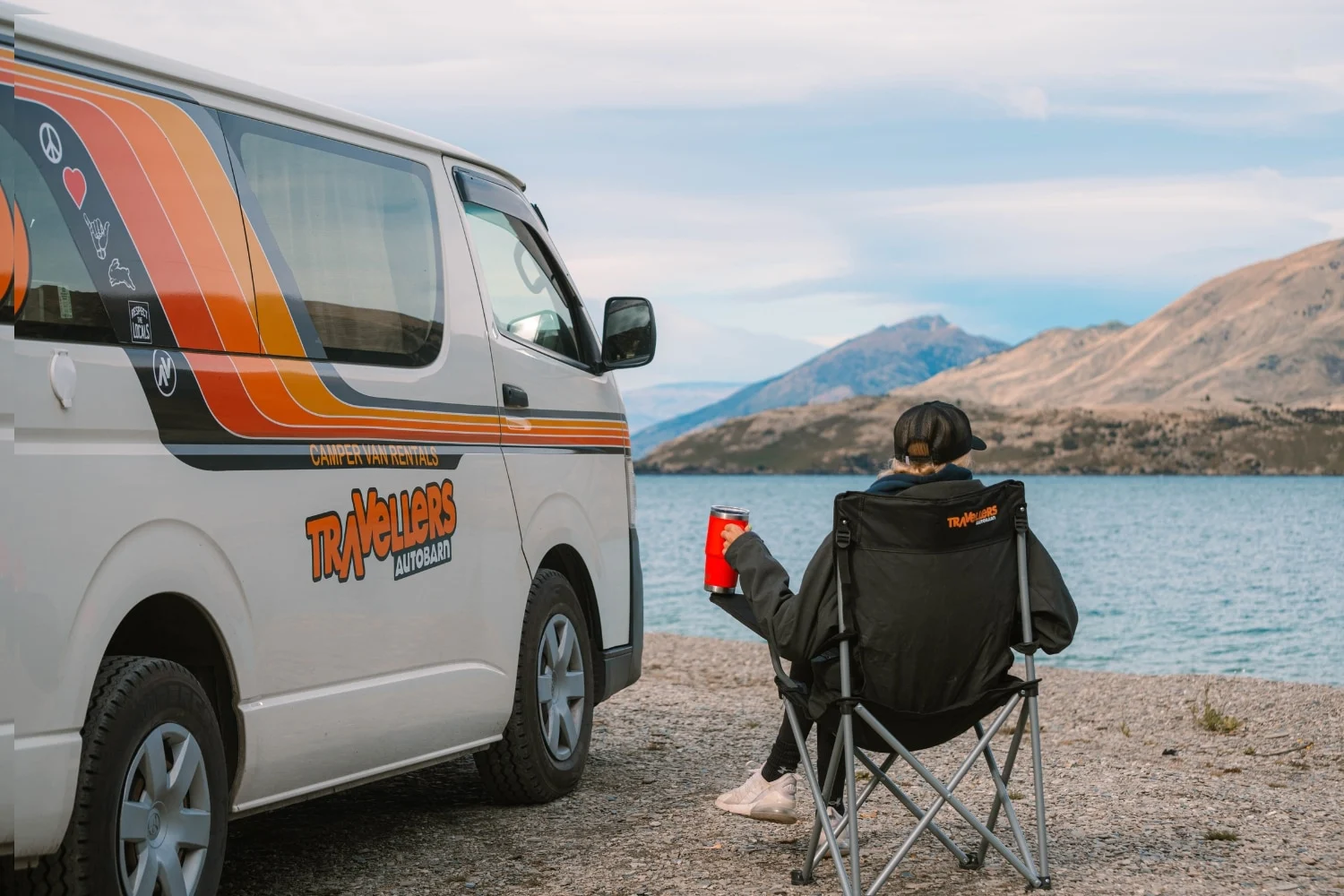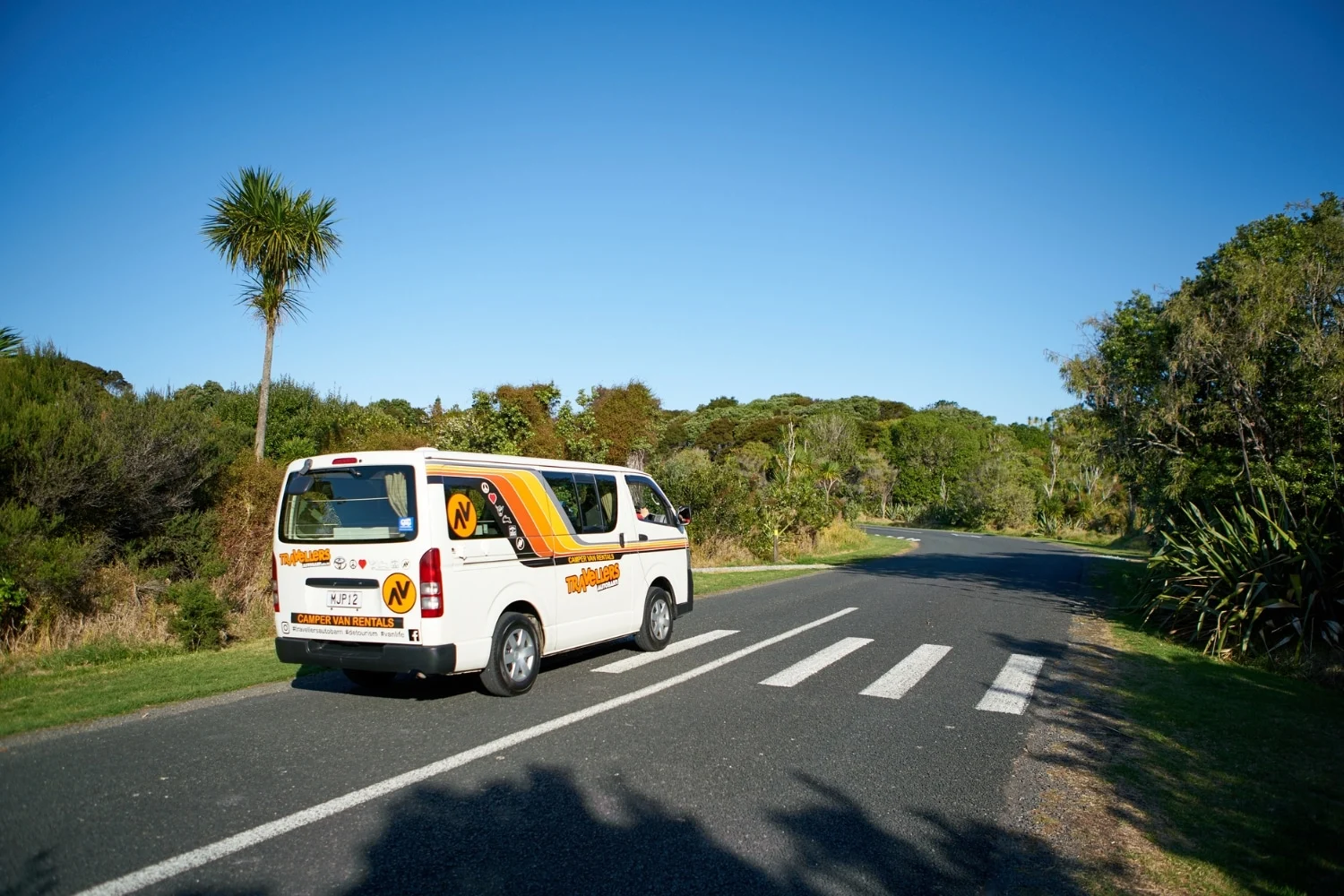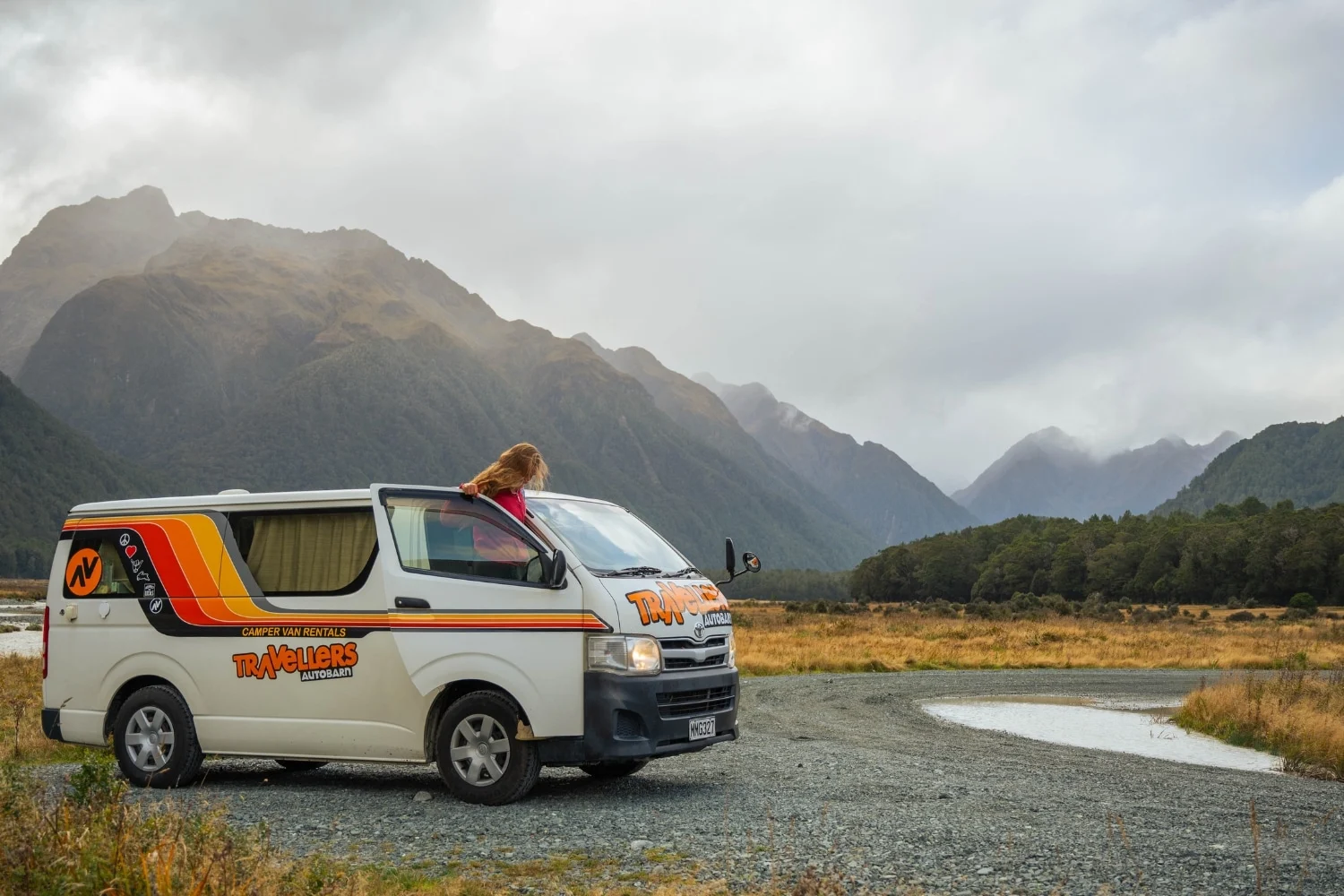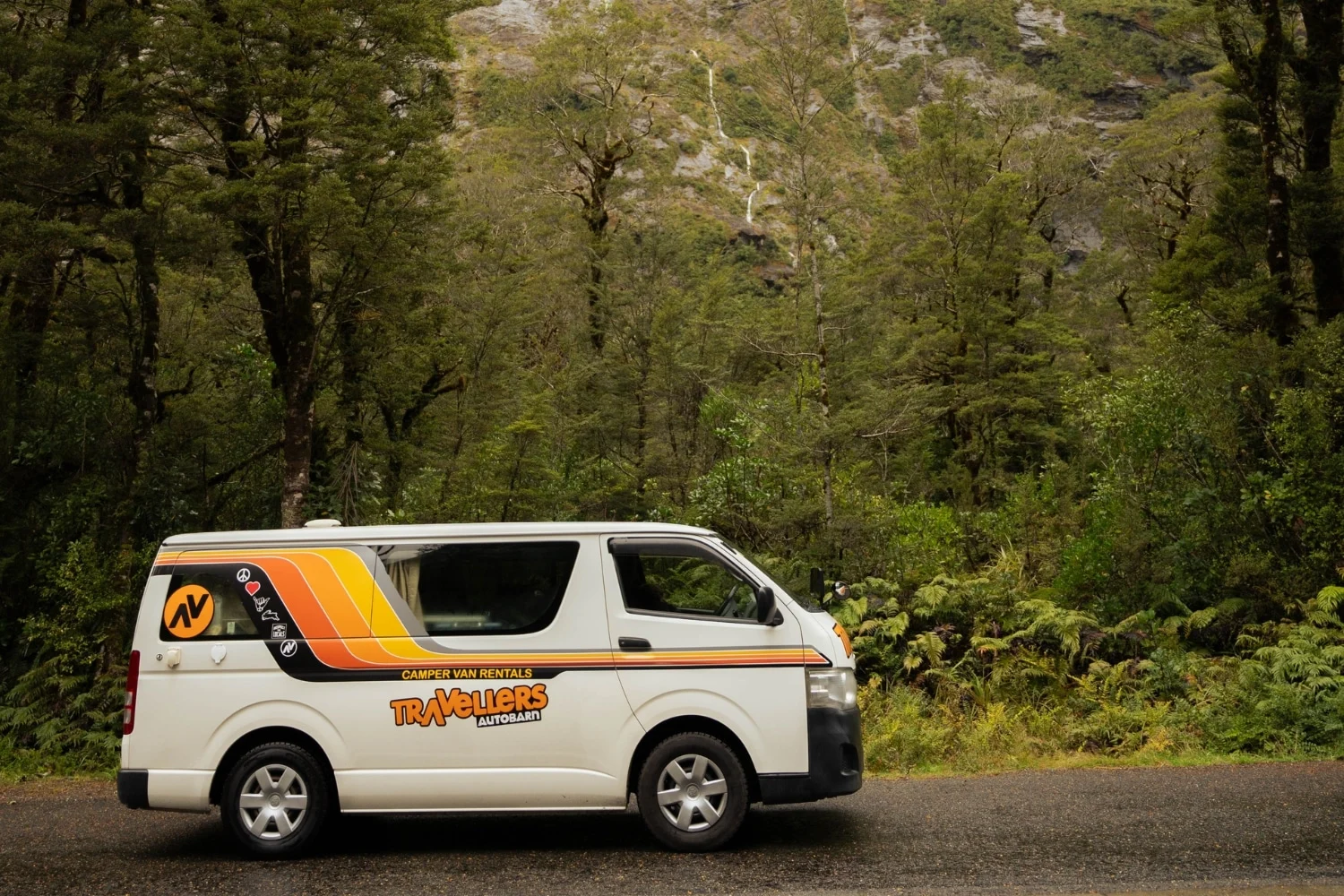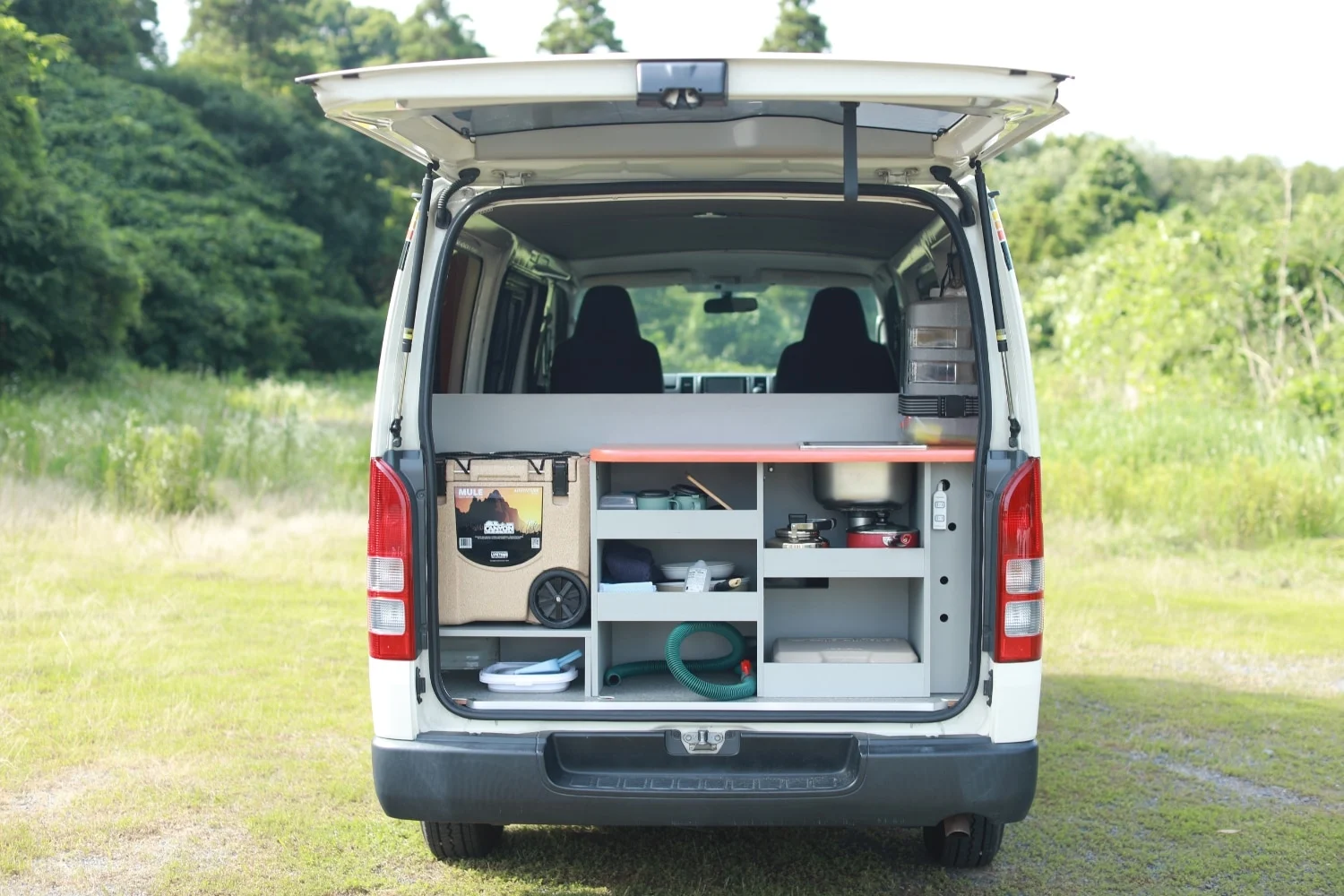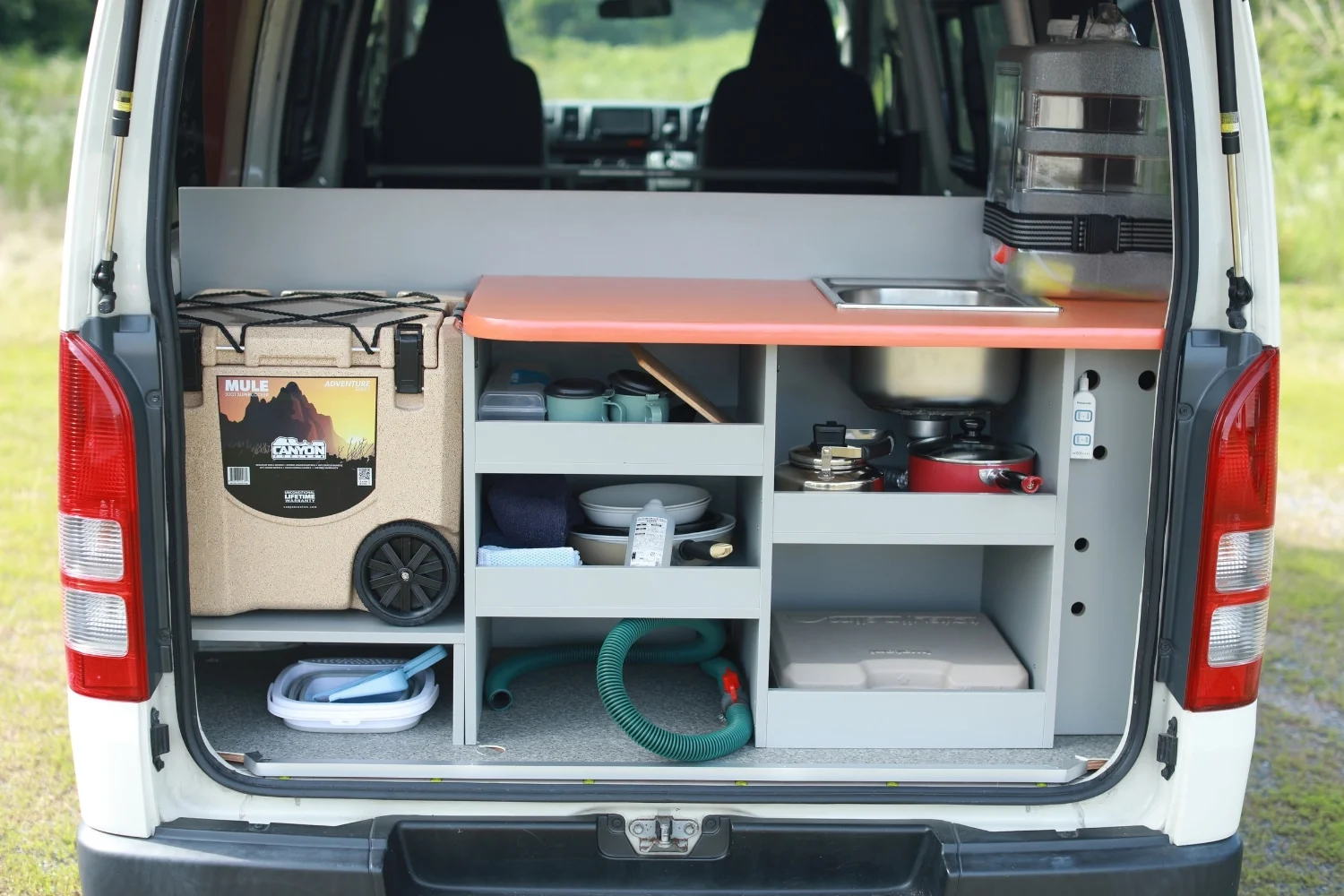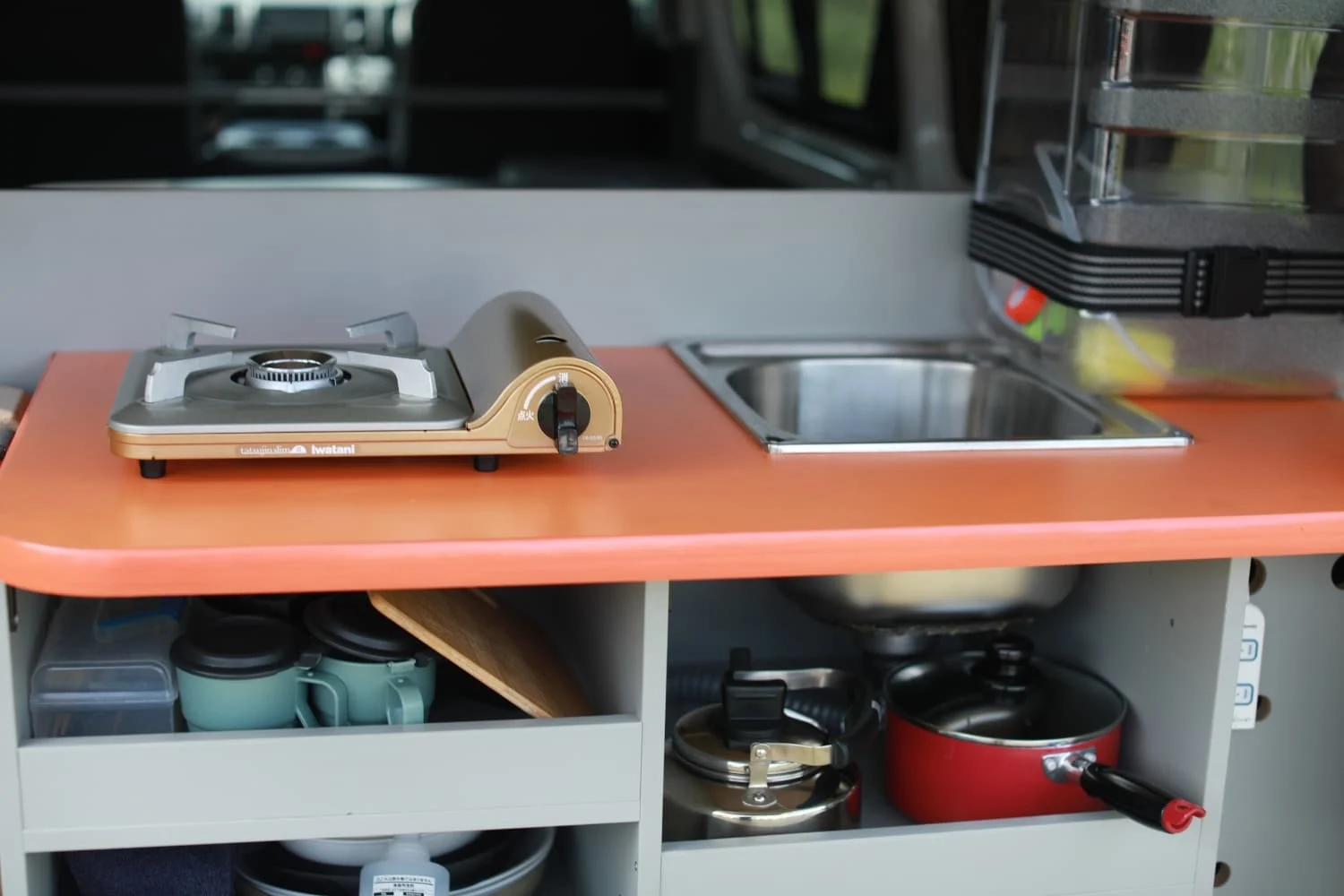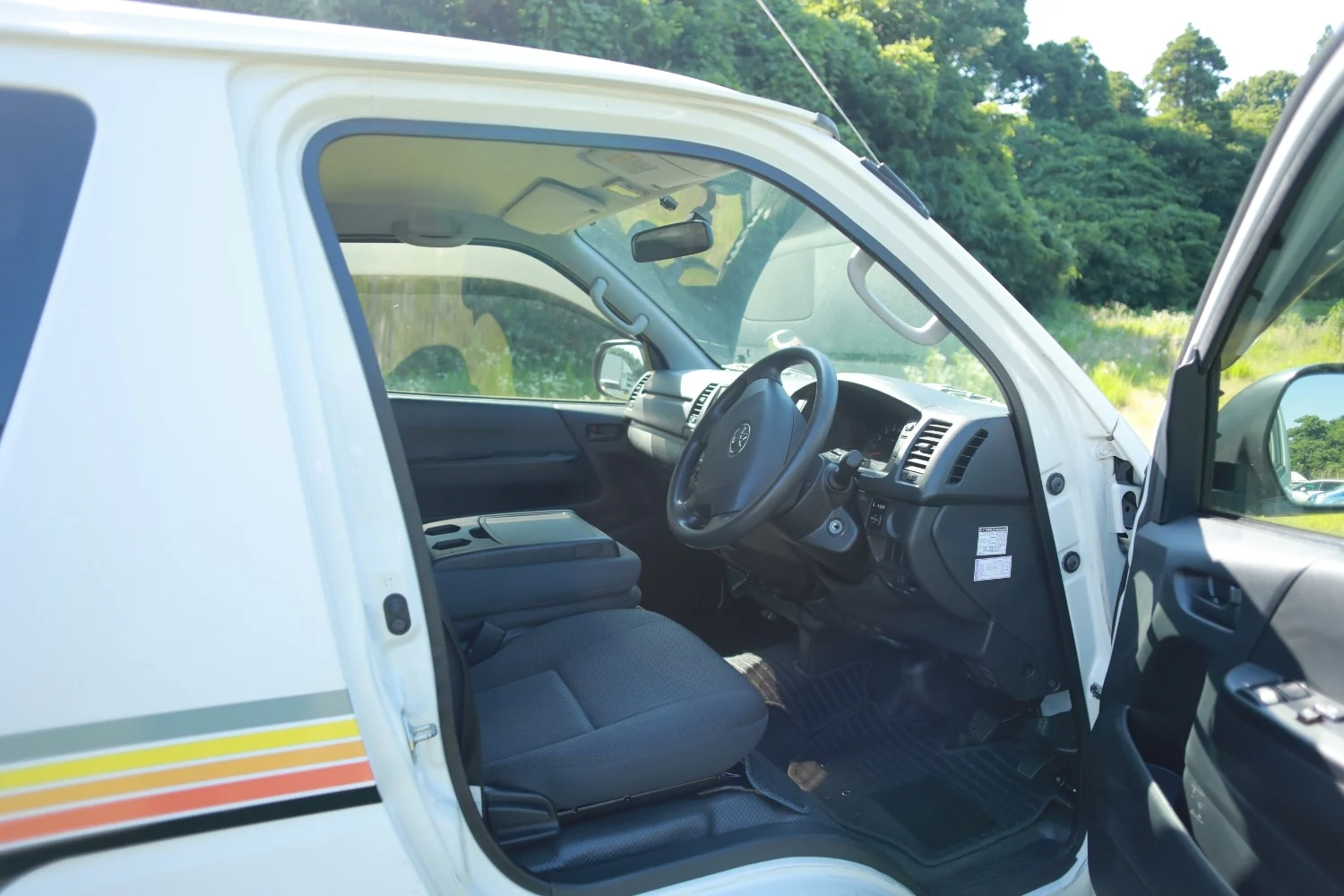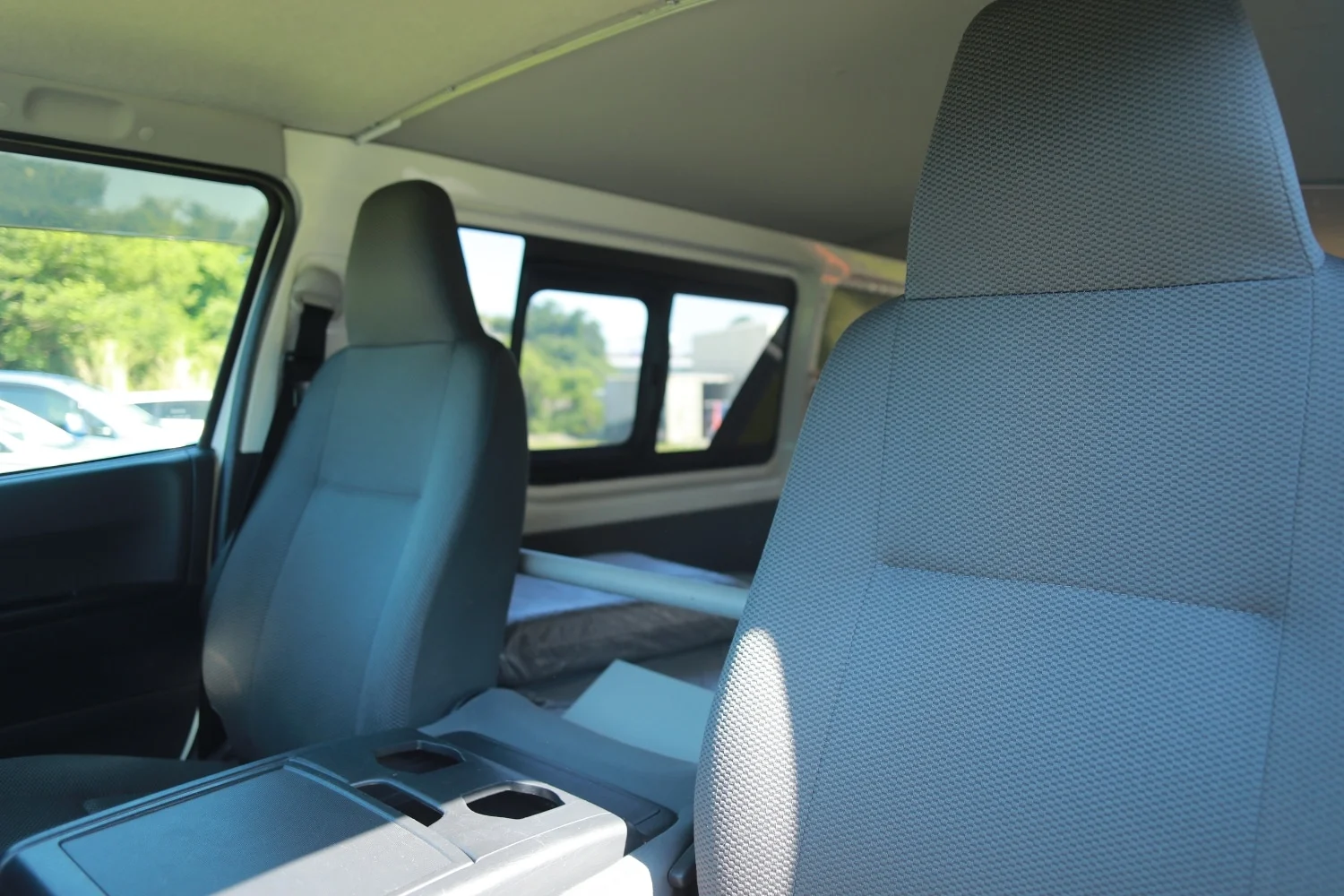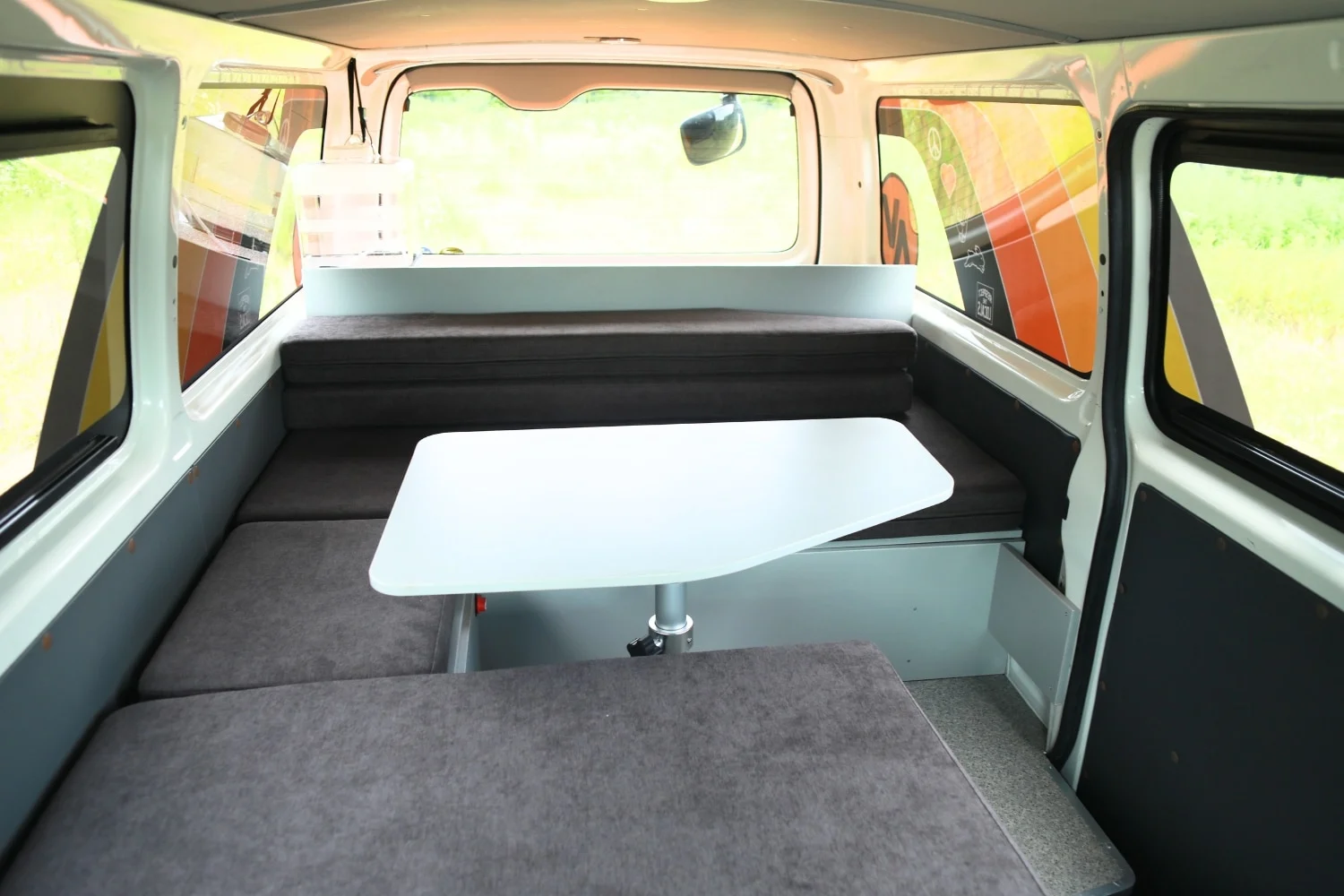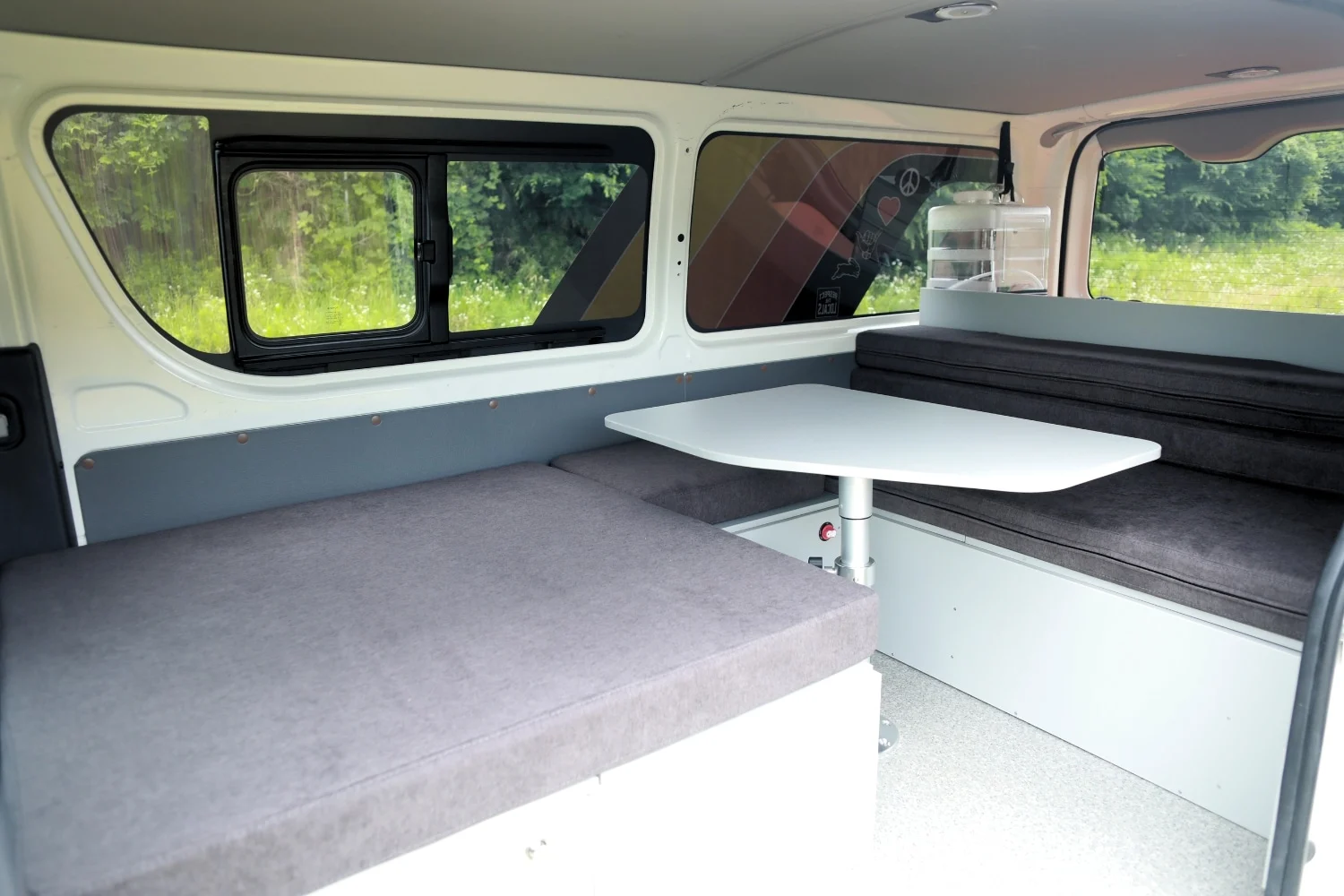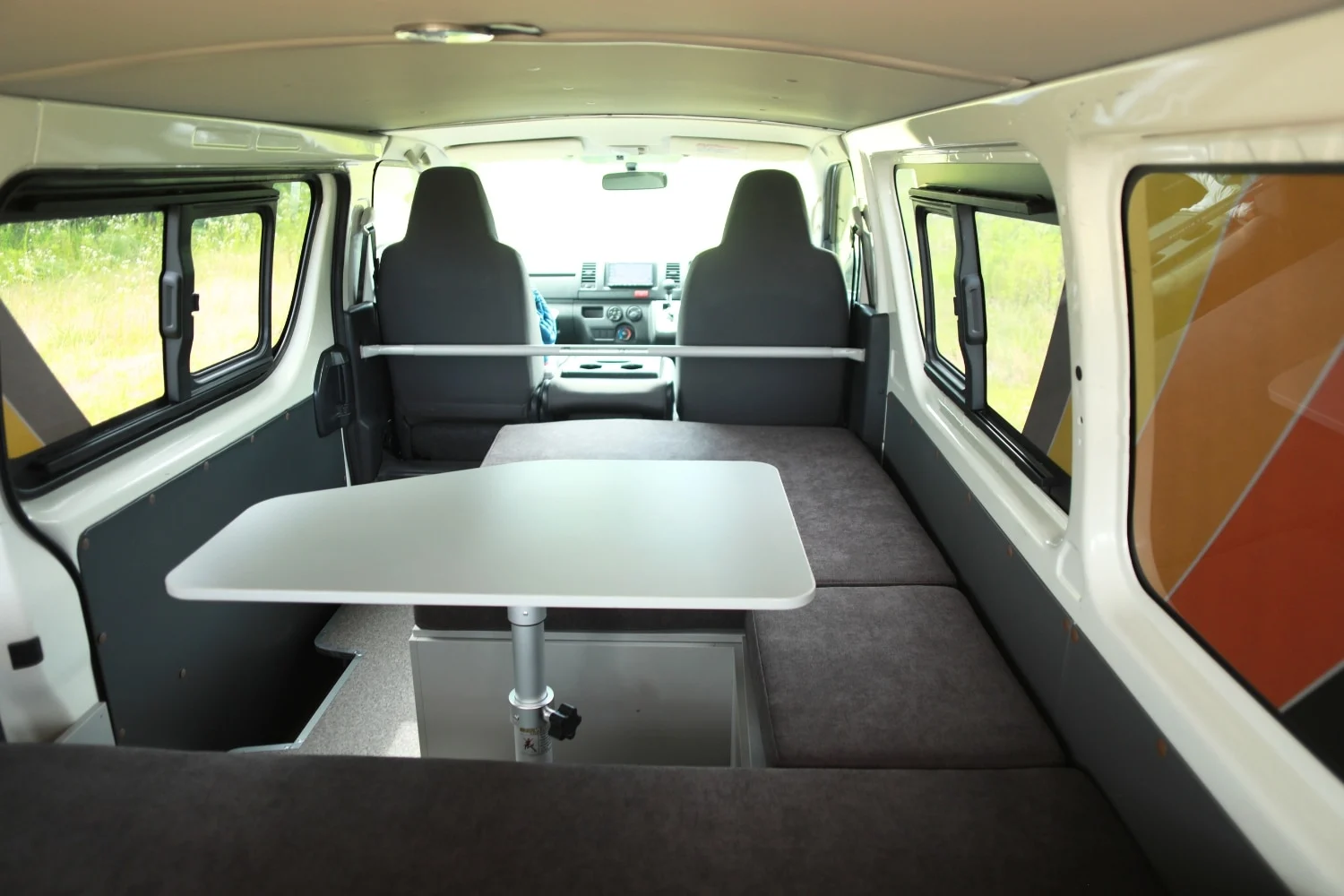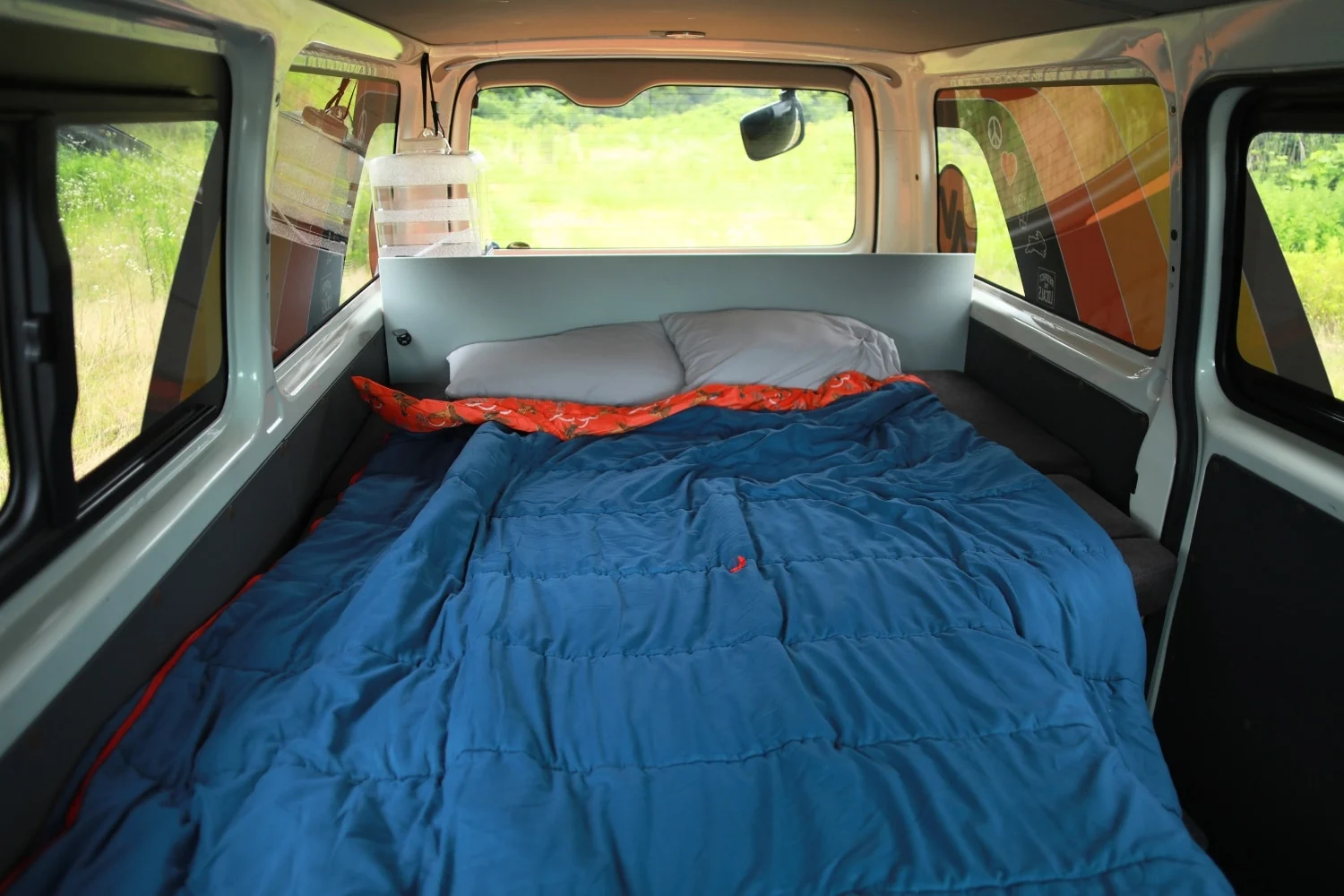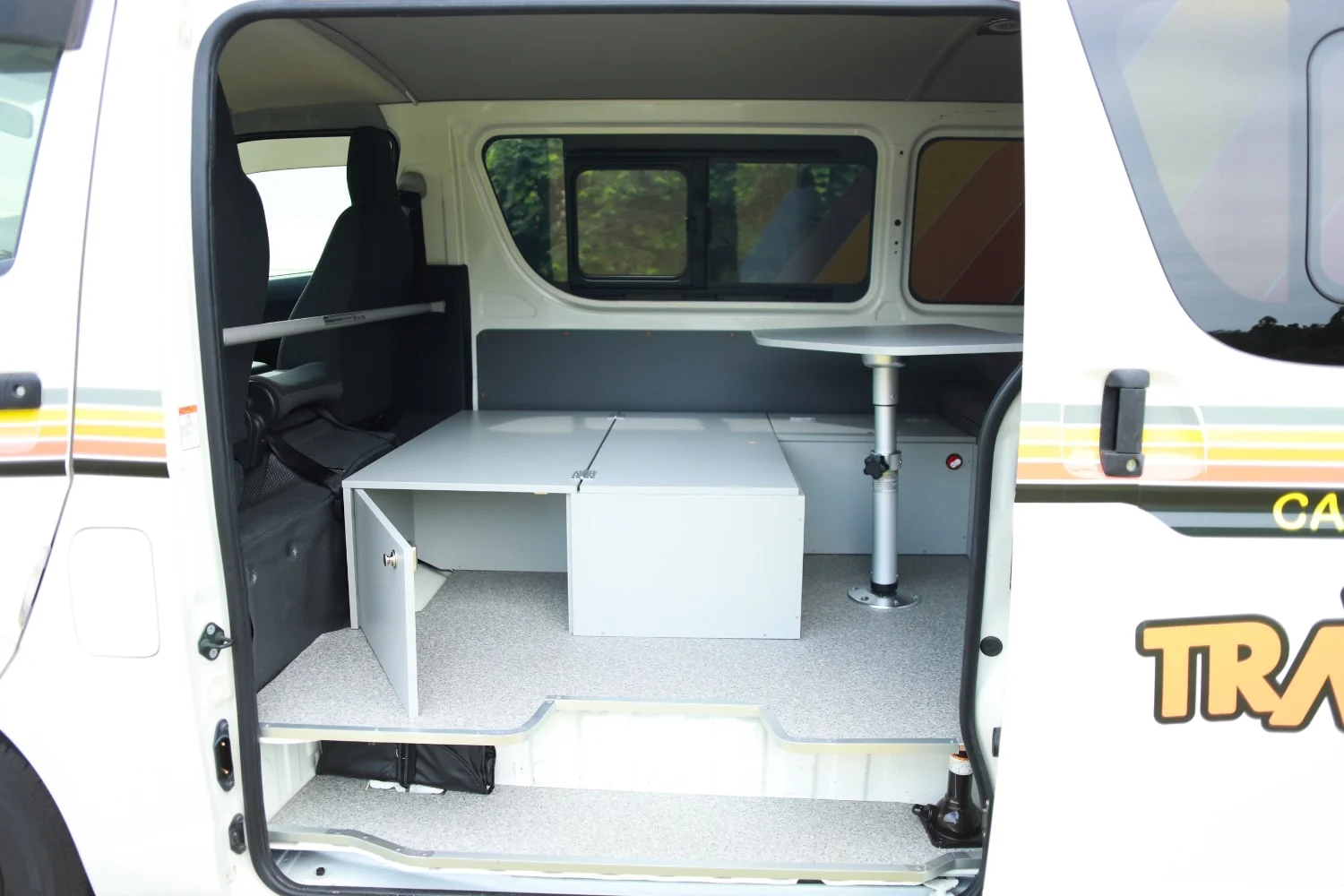

For travellers searching for a motorhome Tokyo adventure, Hokkaido is one of the most rewarding summer routes in Japan. Although the journey begins in Narita, Chiba, the drive north and ferry crossing to Hokkaido make the trip feel like a true adventure.
June to August is the best time to enjoy Hokkaido’s flower fields, hiking trails, lakes and coastal scenery. The weather is usually cooler than in central Japan, making it ideal for campervan travel, scenic drives and outdoor activities. It is also a brilliant season for fresh seafood, dairy products, ramen, soup curry and jingisukan, Hokkaido’s famous grilled lamb dish.
In this article, we will provide you with an itinerary to explore Hokkaido by campervan. Your journey begins and ends in Chiba, giving you the perfect route to enjoy the open roads of Japan.


DAY 1-2
Drive North, Ferry from Aomori to Hakodate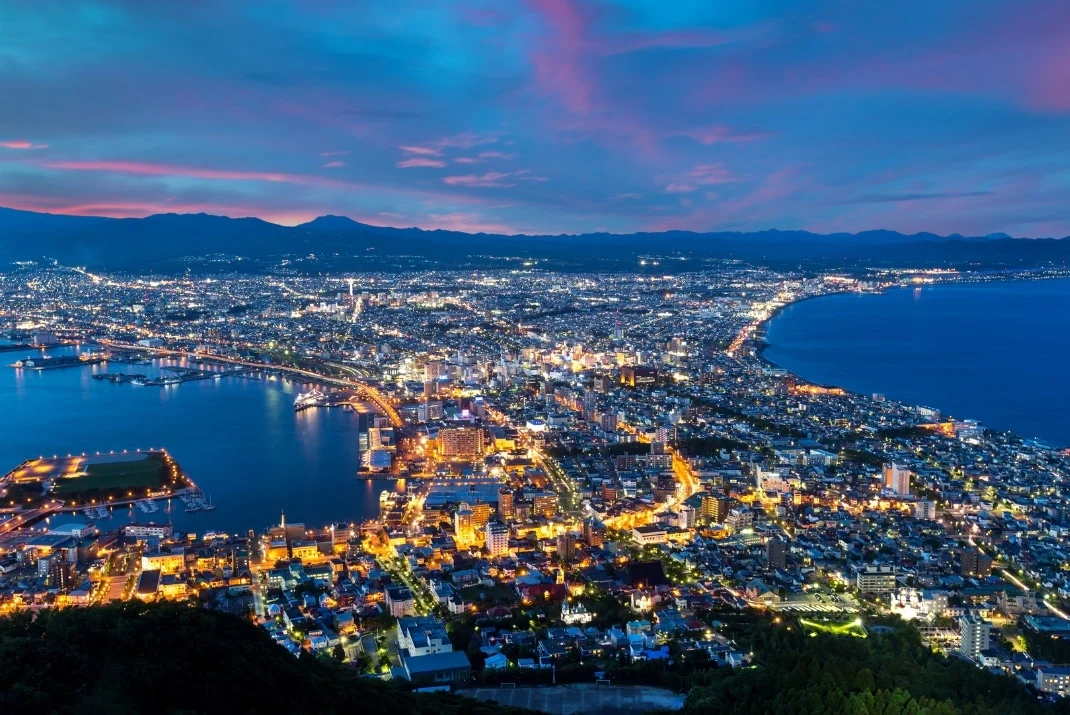
Day1
Collect your campervan from Chiba, stock up on supplies and begin the drive north towards Aomori. This first day is mainly about getting comfortable with the roads and making progress towards the ferry. Plan an overnight stop in Tohoku before continuing the next day.
Day2
Drive to Aomori and take the ferry to Hakodate. Once you arrive in Hokkaido, enjoy a relaxed first evening in this historic port city. If the weather is clear, head up Mount Hakodate for one of Japan’s most famous night views. For dinner, try Hakodate’s seafood or salt ramen.
DAY 3-4
Explore Hakodate to Lake Toya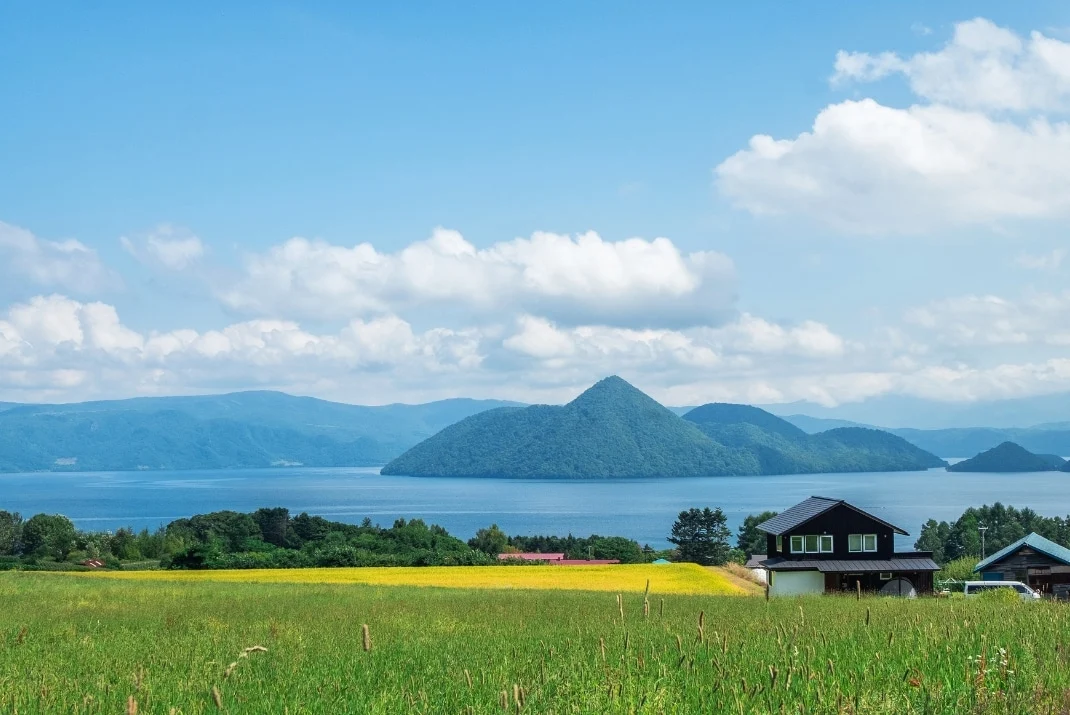
DAY 3
Spend the day exploring Hakodate before heading deeper into Hokkaido. Start at the morning market for a seafood rice bowl topped with crab, salmon roe, scallops or sea urchin. If you have the time, wander around Motomachi to explore this quaint area. Here, sloping streets, old churches, and former consulates reflect the city’s international past.
You can also visit the Kanemori Red Brick Warehouse and Goryokaku, the star-shaped fort that played an important role in Japan’s late Edo period. In summer, the surrounding park is green, open and easy to explore
DAY4
For day 4, drive north to Lake Toya. This beautiful volcanic lake surrounded by mountains is truly awe-inspiring. This is a great place to slow down after the ferry crossing and the first few days of travel. Walk along the lakeside, enjoy the views or visit the nearby Mount Usu area for volcanic scenery and short walking trails.
If you stay near Toyako Onsen, end the day with a hot spring bath. Summer evenings by the lake are peaceful here, and ideal for campervan travellers.
DAY 5-6
Noboribetsu, Shiraoi and Sapporo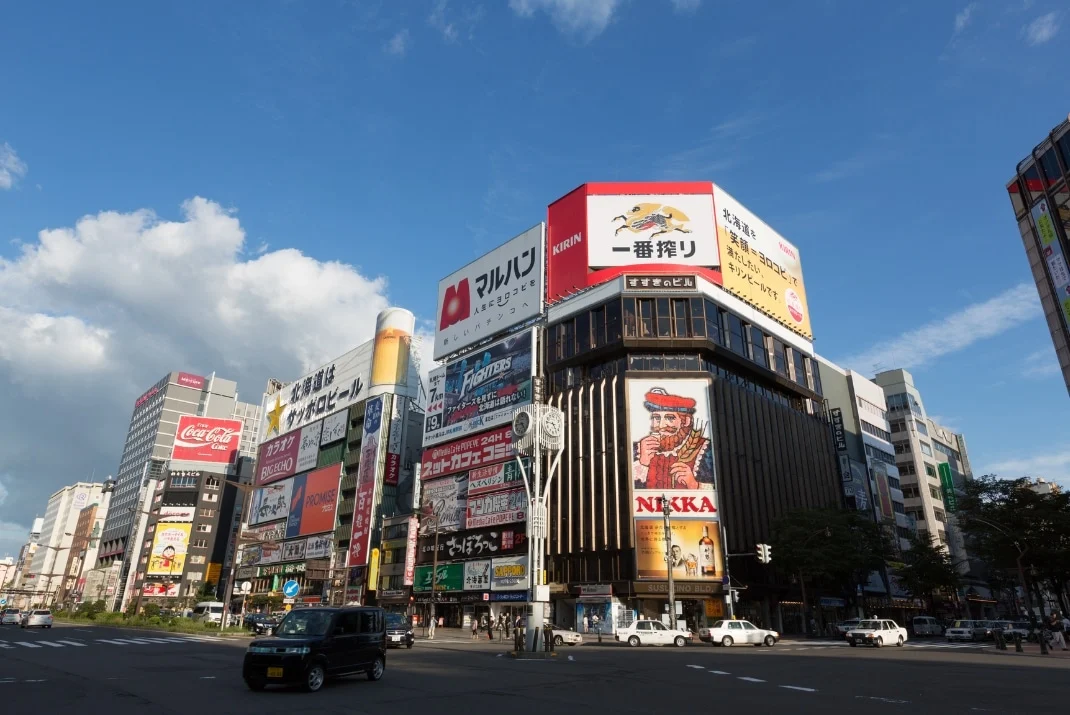
DAY5
Continue to Noboribetsu, one of Hokkaido’s most famous hot spring areas. The main highlight is Jigokudani, or “Hell Valley”, where steaming vents and sulphuric landscapes create a dramatic walking route.Afterwards, drive towards Shiraoi to visit Upopoy, the National Ainu Museum and Park. This is an important cultural stop, offering insight into Ainu history, language, music, craft and traditions.This leg of the journey adds real depth to a Hokkaido road trip and offers tremendous insight into this island beyond the scenery.
DAY6
For day 6, it’s time to head to Sapporo, Hokkaido’s largest city. Spend the day exploring Odori Park, the Sapporo Beer Museum, local shopping streets or the city’s food scene. Sapporo is a great place to try miso ramen, soup curry and jingisukan.
It is also a practical stop for campervan travellers. You can use this day to restock food, do some laundry and prepare for the more rural sections of the itinerary
DAY 7-8
Otaru and the Coast to Furano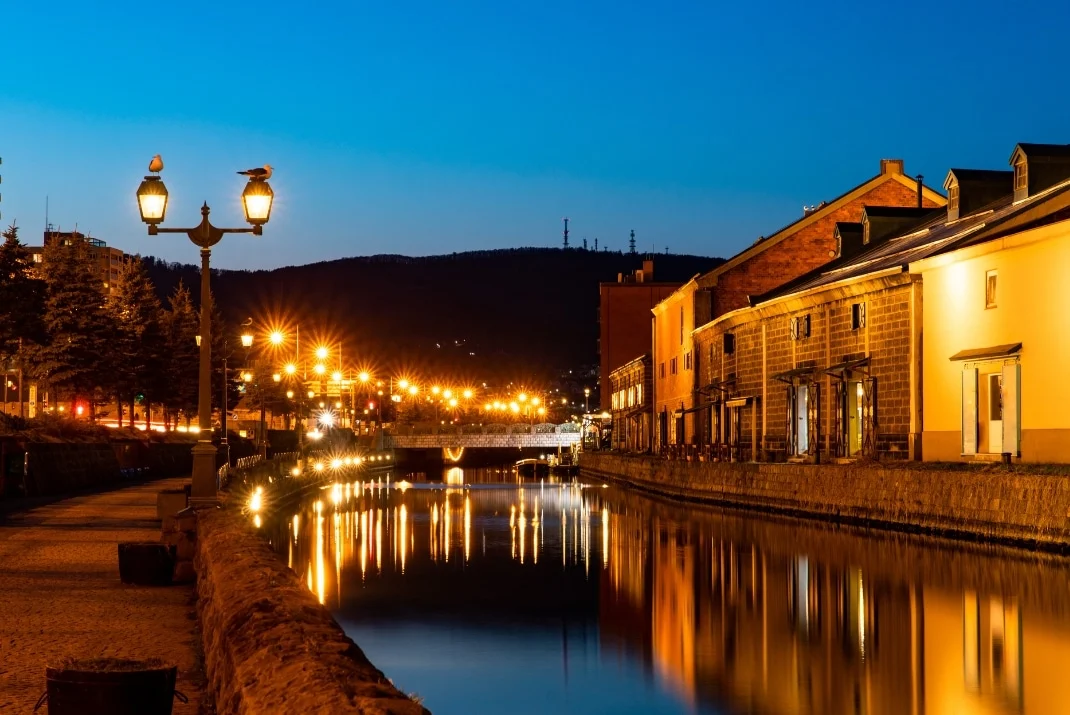
DAY 7
you can take a day trip to Otaru. This charming canal town is known for stone warehouses, glass shops, music box stores and excellent seafood. Walk along the canal, browse the small shops and enjoy sushi or a seafood lunch.
If you want more coastal scenery, continue towards the Shakotan Peninsula for blue water, cliffs and sea views. Return towards Sapporo or stay at a suitable campsite or RV-friendly stop outside the city.
DAY 8
From here, drive inland to Furano, one of Hokkaido’s most famous summer destinations. The area is known for lavender fields, colourful flower farms, rolling farmland and mountain views. July is the classic lavender season, but June and August are still beautiful times to visit.
Stop at Farm Tomita or nearby flower gardens, then explore the countryside at a slow pace. Furano is also known for melon, cheese, wine and relaxed rural cafés, making it a great food stop as well as a scenic one.
DAY 9-10
Biei and the Blue Pond to Daisetsuzan National Park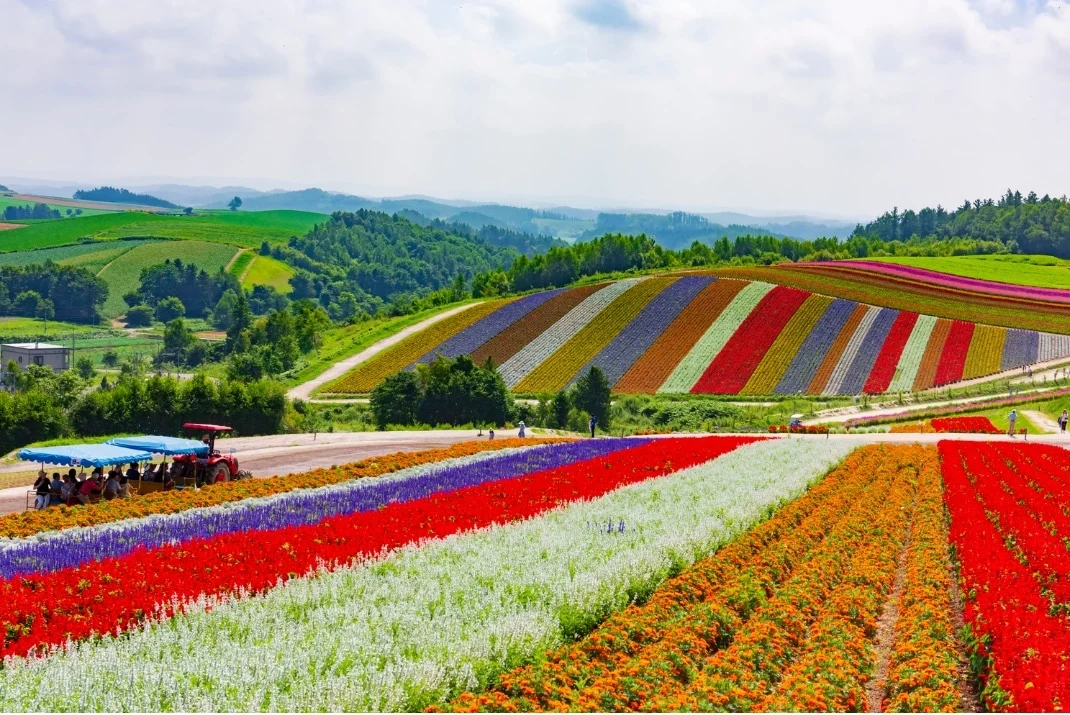
DAY 9
Spend the day in Biei, one of Hokkaido’s most photogenic countryside areas. Drive along Patchwork Road and Panorama Road for rolling fields, tree-lined roads and wide rural views.
Popular stops include Shirogane Blue Pond and Shirahige Falls. The Blue Pond is especially striking in summer, when the vivid water contrasts with the surrounding greenery.
This is a perfect day to enjoy the freedom of a campervan, stopping for photos, snacks and small detours whenever you like
DAY10
Head towards Asahikawa and Daisetsuzan National Park, Hokkaido’s largest national park. In summer, the area offers mountain scenery, hot springs, alpine plants and some of the island’s best hiking. Please check weather conditions when visiting, as some snow still falls as late as the middle of June.
For a manageable visit, take the Asahidake Ropeway and enjoy the short walking trails around the upper station. More experienced hikers can plan longer routes, but mountain weather can change quickly, so pack layers, waterproofs and proper footwear.
Afterwards, stop in Asahikawa for its well-known soy sauce-based ramen.
DAY 11-12
Akan-Mashu National Park,Lake Mashu and lake Kussharo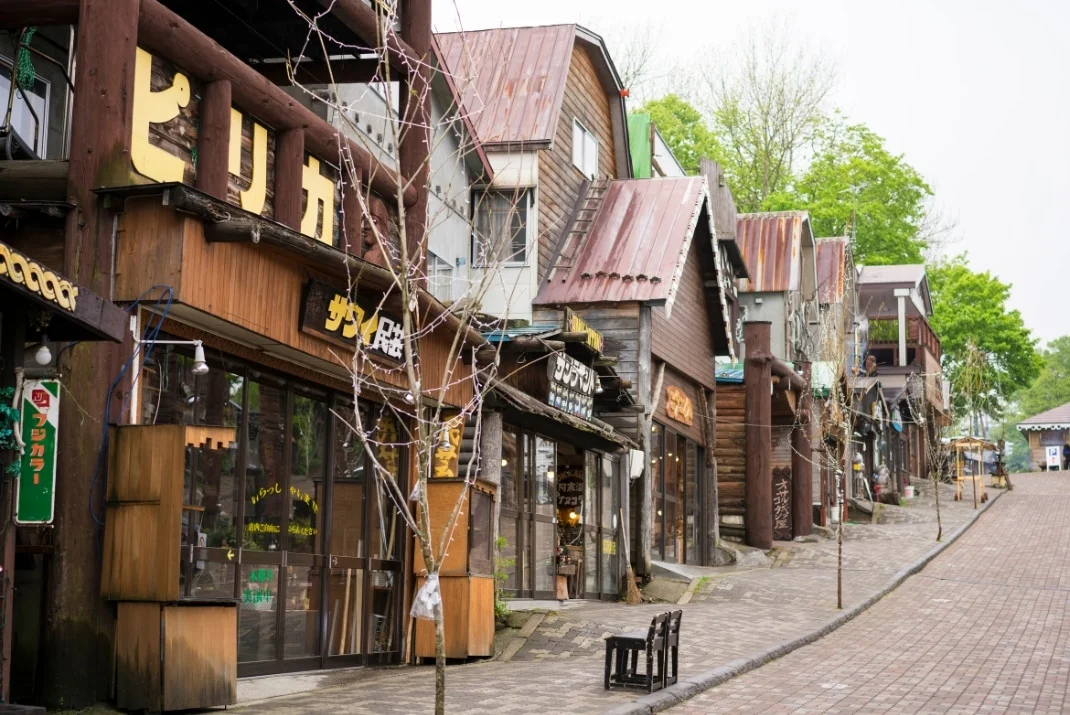
DAY 11
Begin the journey east to Akan-Mashu National Park. This area is known for volcanic lakes, forests, hot springs and Ainu culture. Lake Akan makes a strong overnight base, with lakeside views, onsen facilities and cultural experiences.
The lake is also well-known for a unique inhabitant, the marimo. These rare green algae balls grow in the water, taking on a perfect spherical shape. In the evening, you can look for opportunities to learn about Ainu craft, music or performance in the local area.
DAY12
Use this day to explore the lakes and viewpoints around Akan-Mashu. Lake Mashu is famous for its clear water and misty atmosphere, while Lake Kussharo offers lakeside stops, open views and geothermal activity.
This is a good day to slow the pace. Visit viewpoints, take short walks, enjoy an onsen or stop at a local roadside station. Hokkaido is much larger than many travellers expect, so building in easier days makes the whole trip more enjoyable.
DAY 13-14
Hakodate to Ferry Back to Aomori and Return to Narita, Chiba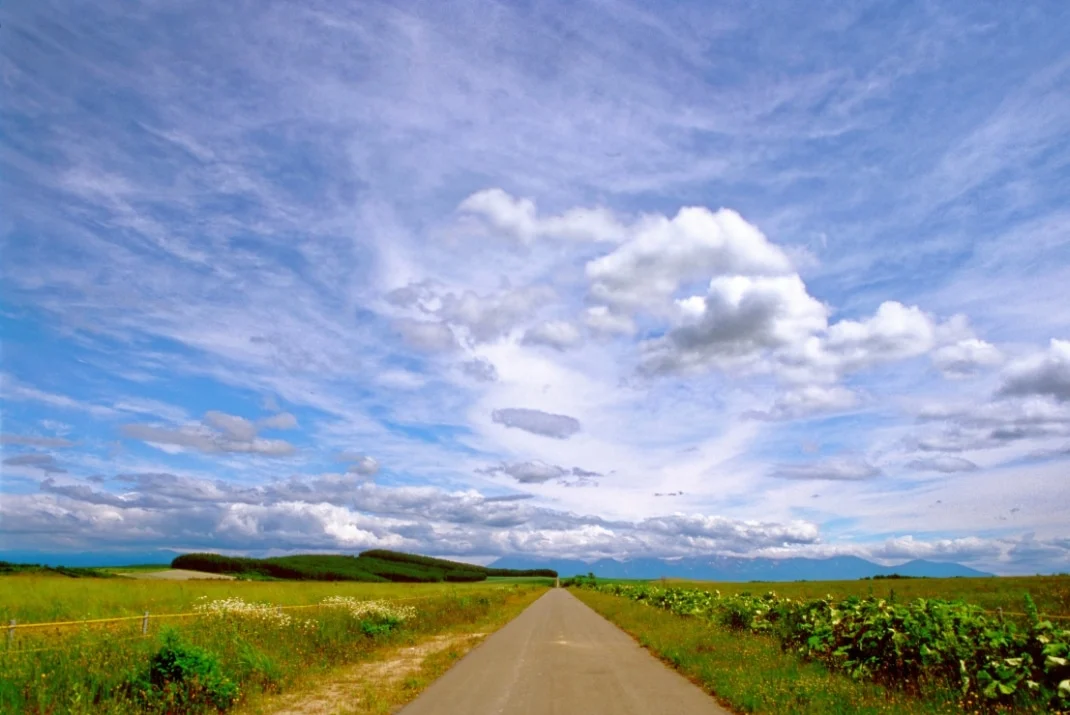
DAY 13
Start the journey back across Hokkaido towards Hakodate. Depending on your pace, you may overnight around Tokachi, Furano, Asahikawa or another central area. Keep this day flexible and use roadside stations for breaks, snacks and local produce.
As the return distance is significant, avoid adding too many extra stops. The aim is to travel safely and leave enough time for the ferry back to Honshu.
DAY14
Return to Hakodate and take the ferry back to Aomori. From there, continue the drive south through Tohoku and back to Narita, Chiba, where you can return your vehicle to Travellers’ RV.
This is a long final travel leg, so it is important to plan realistic driving breaks and allow enough time for the ferry crossing. Ending where you began keeps the route simple, especially for travellers flying in and out of the Tokyo area.
Final Tips for an Unforgettable RV Trip to Hokkaido
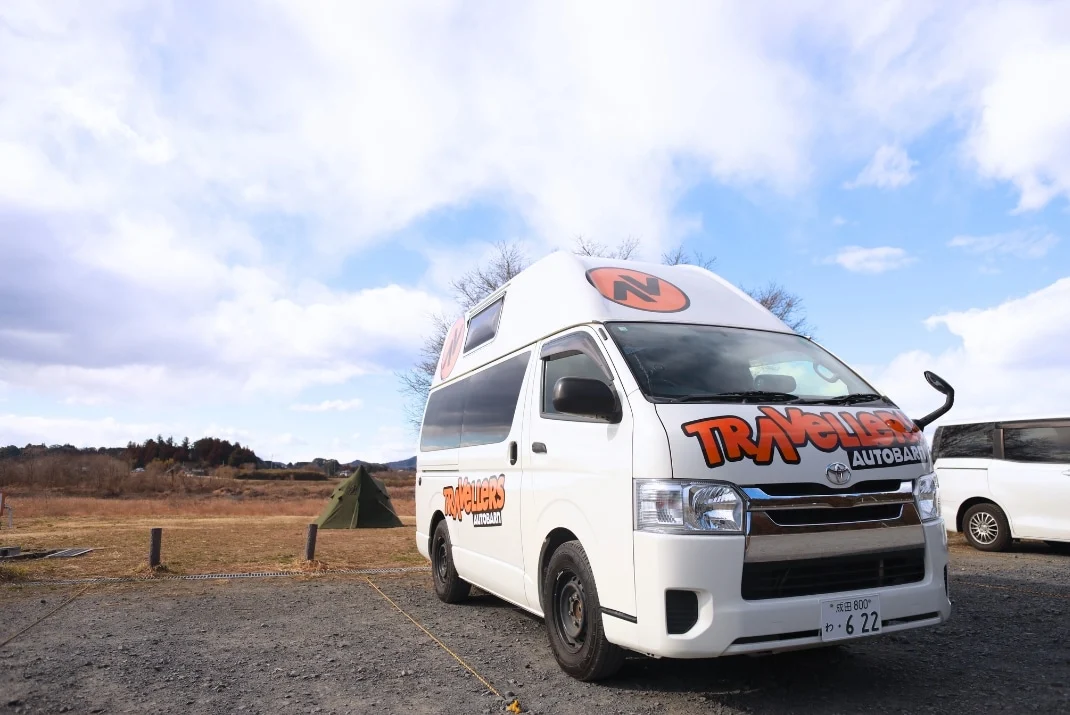
Book ferries, campsites and popular activities in advance, especially in July and August. Pack for changeable weather, particularly in mountain areas. Even in summer, Hokkaido can be cool, windy or wet. Ensure to check which areas are open during your desired travel period, as occasional scheduled maintenance does occur.
Most importantly, do not rush. Hokkaido is best enjoyed slowly, with time for quiet roads, flower fields, lakeside stops, local food and unexpected detours. For travellers looking for a campervan rental Tokyo route that goes far beyond the usual city itinerary, this summer Hokkaido adventure is a memorable way to experience Japan by road.
Start your Japan Roadtrip with a Campervan!
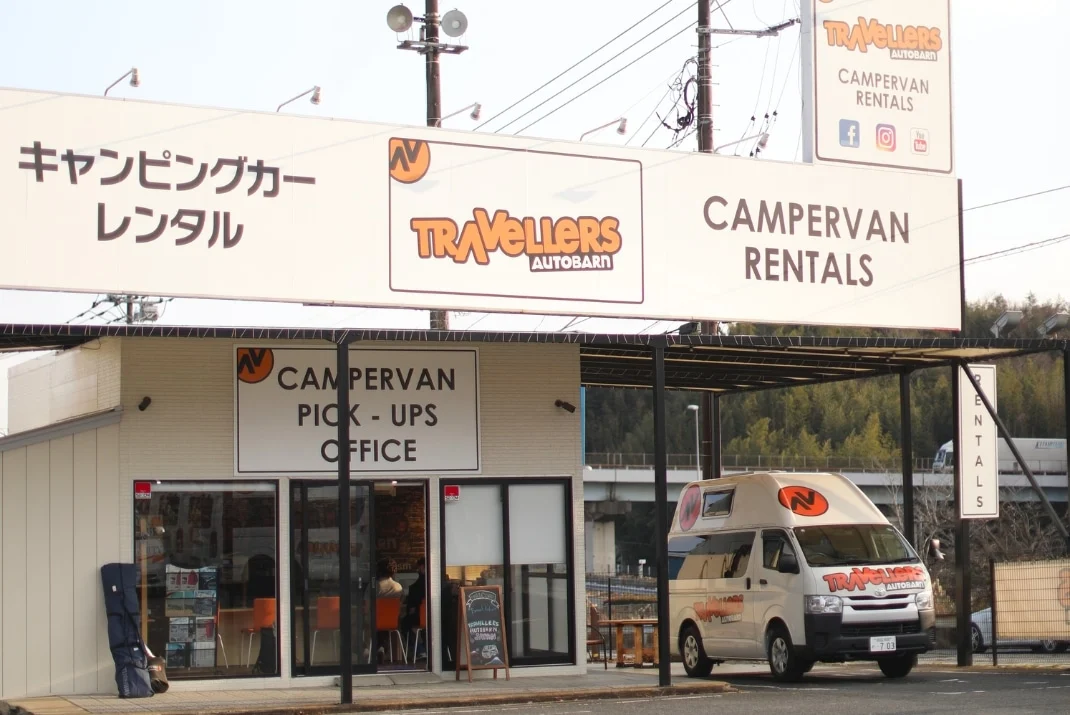
Check out some of our recommended Itinerary here:
- See Our Tohoku Summer Road Trip – A Perfect Blend of Nature, Culture & Cuisine
- See Our How to Stay Cool in an RV During Summer
- See Our How to Travel Japan by Campervan: The Complete Guide for Foreigners
Looking for more? Find a huge range of different routes and road trip itineraries across Japan.

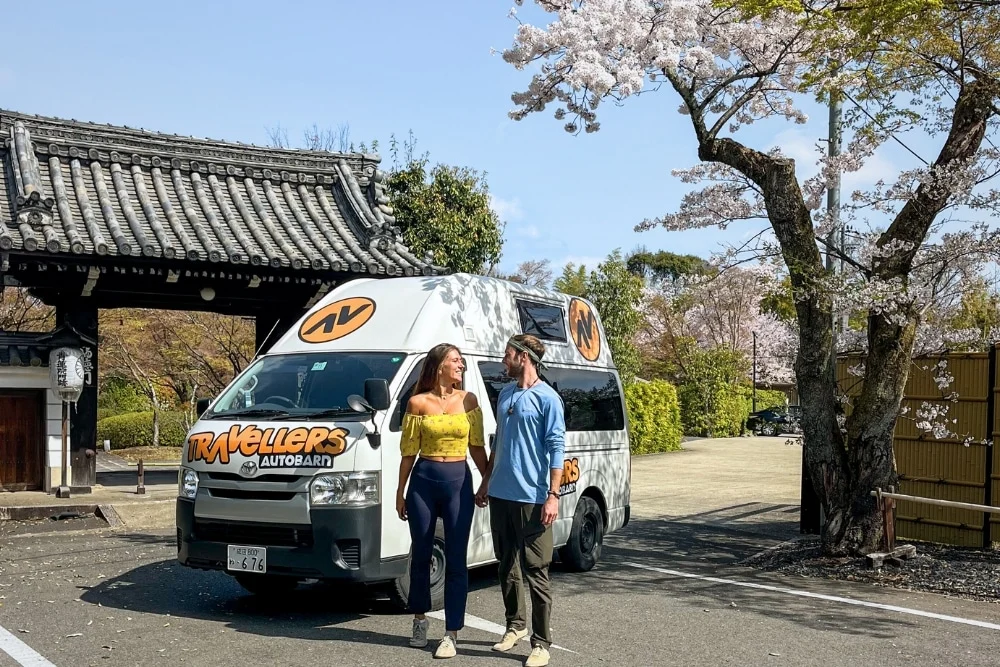
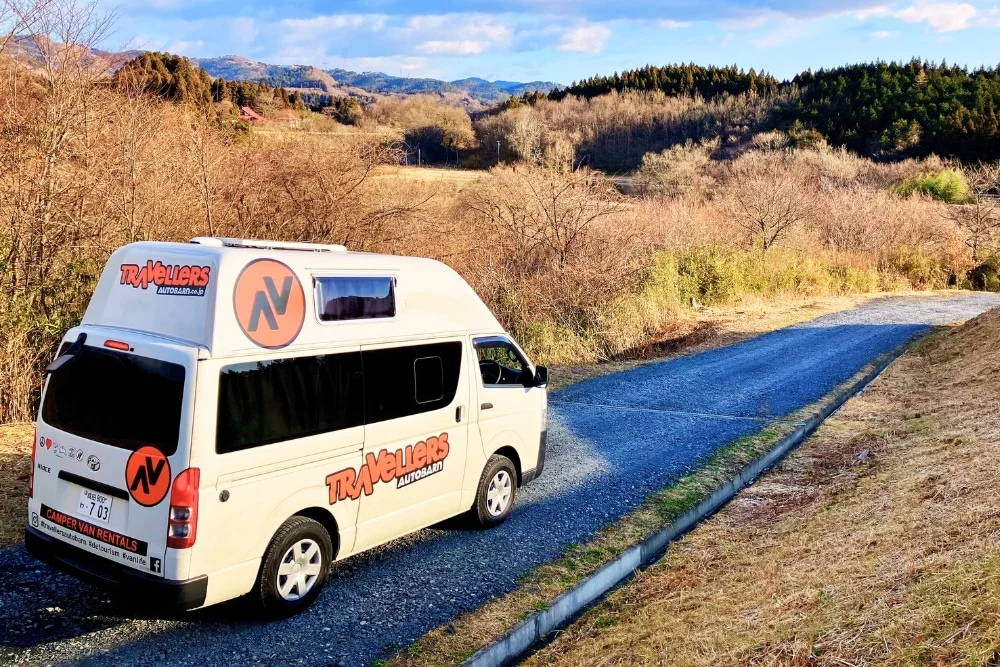
Our Campervans