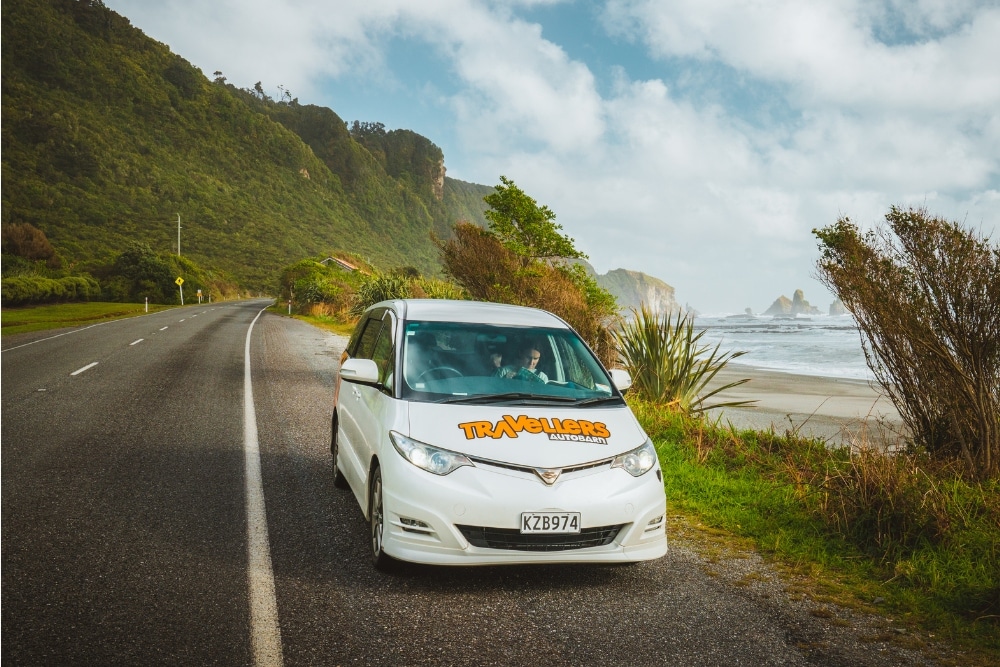
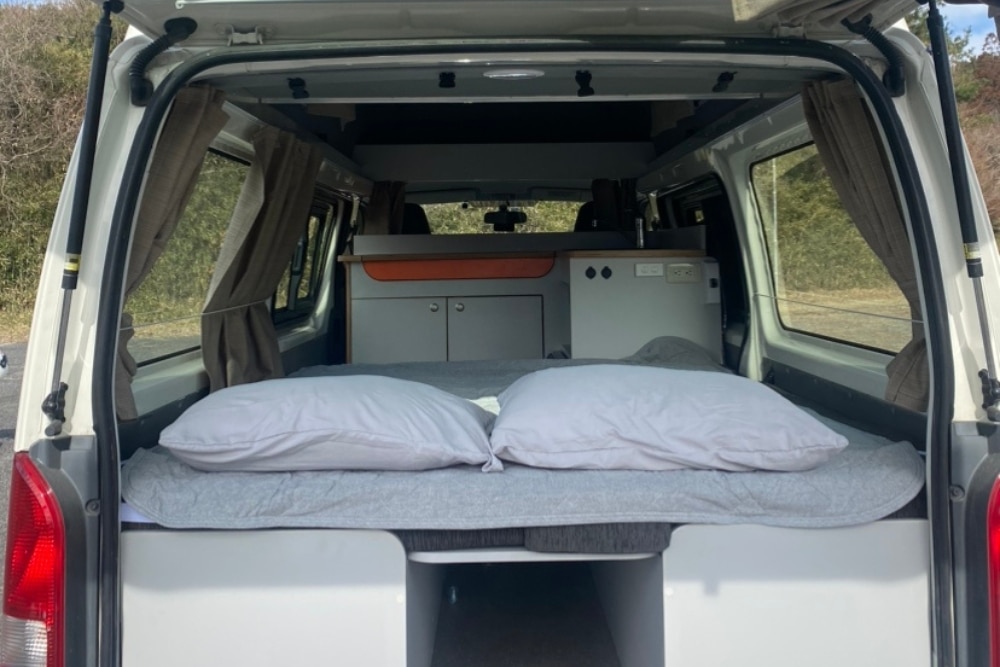
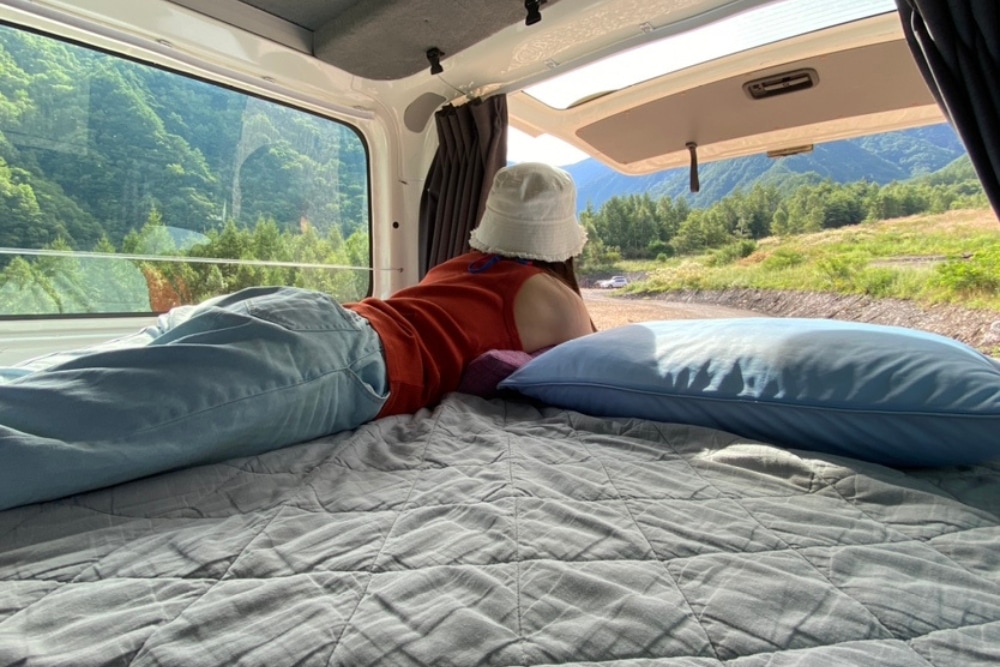
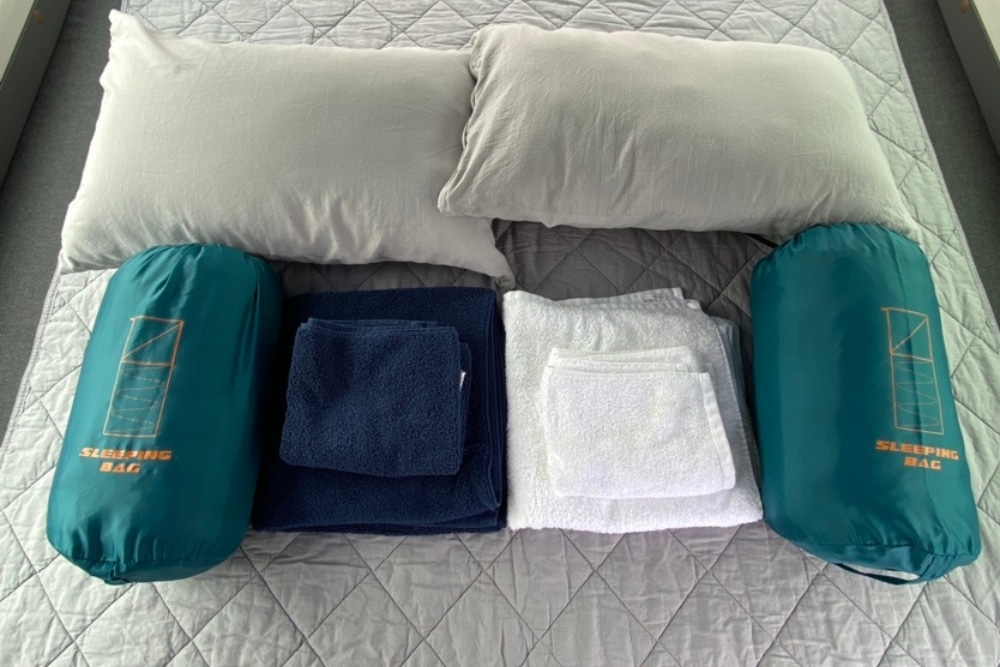
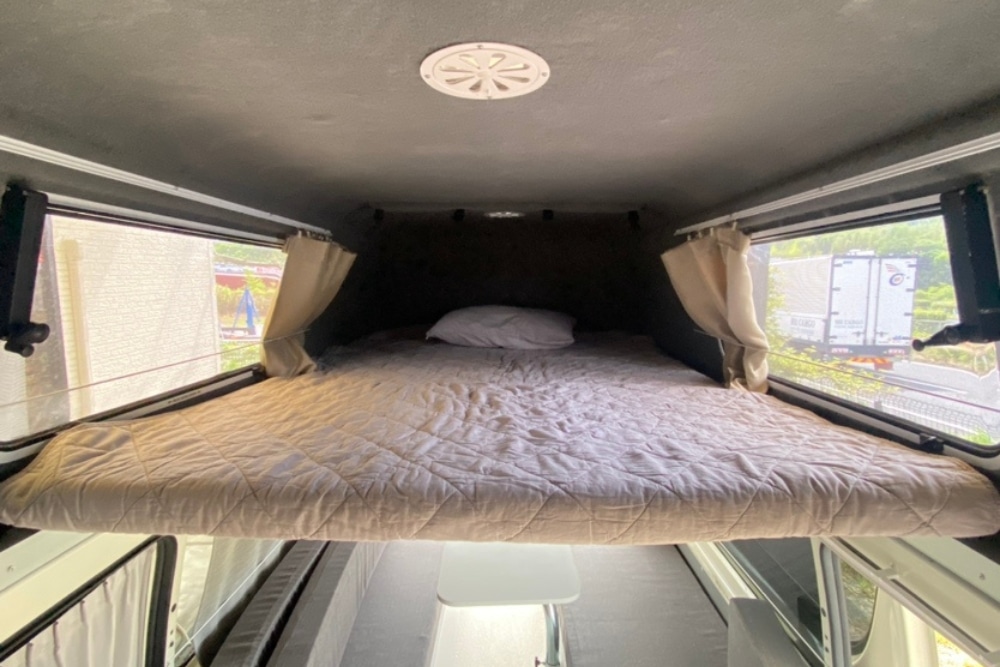
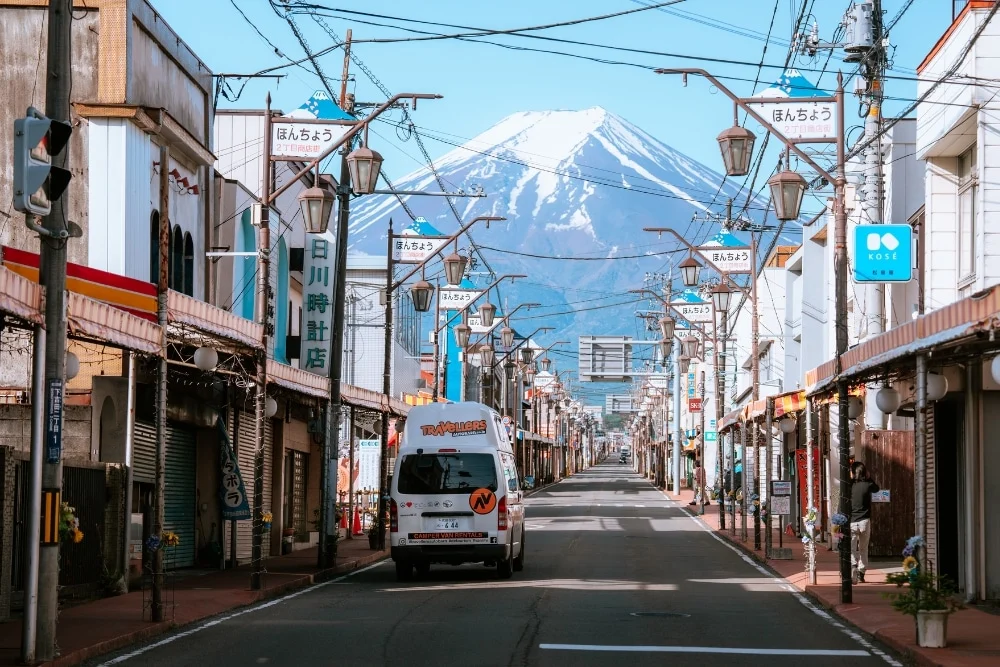
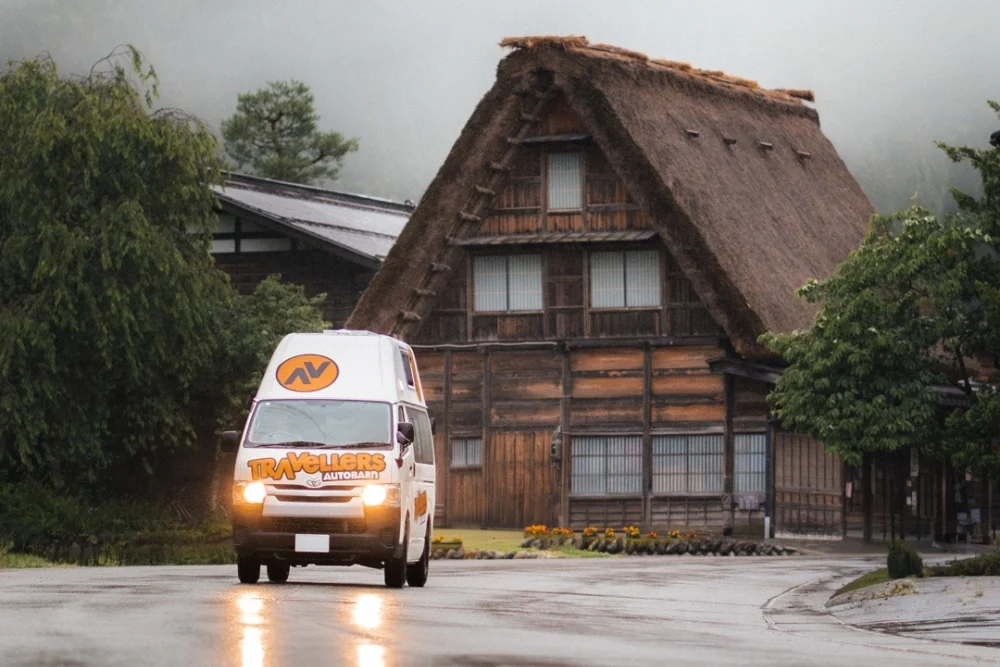
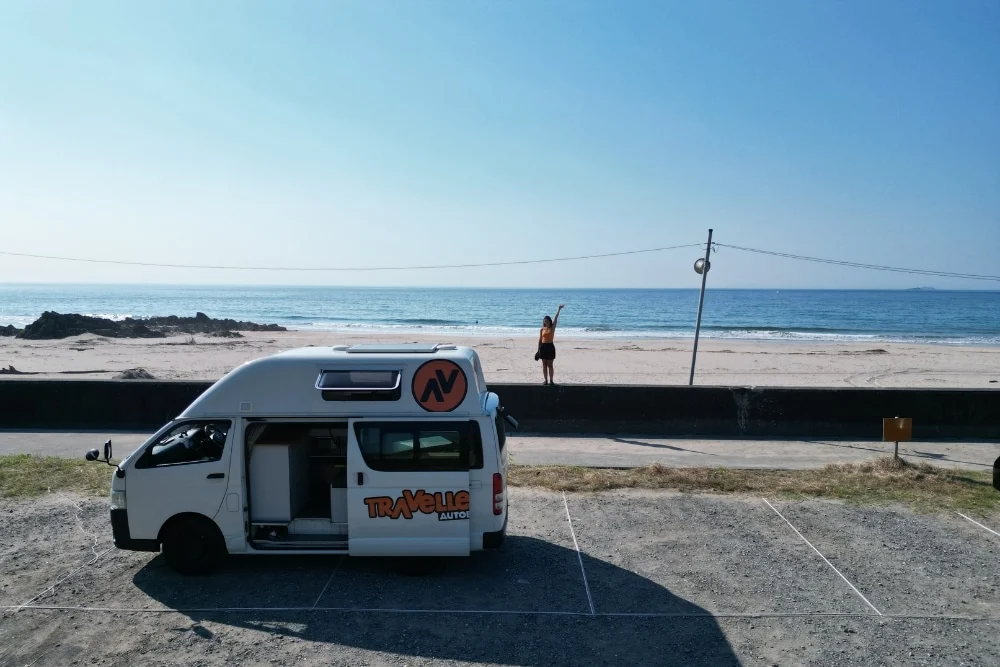
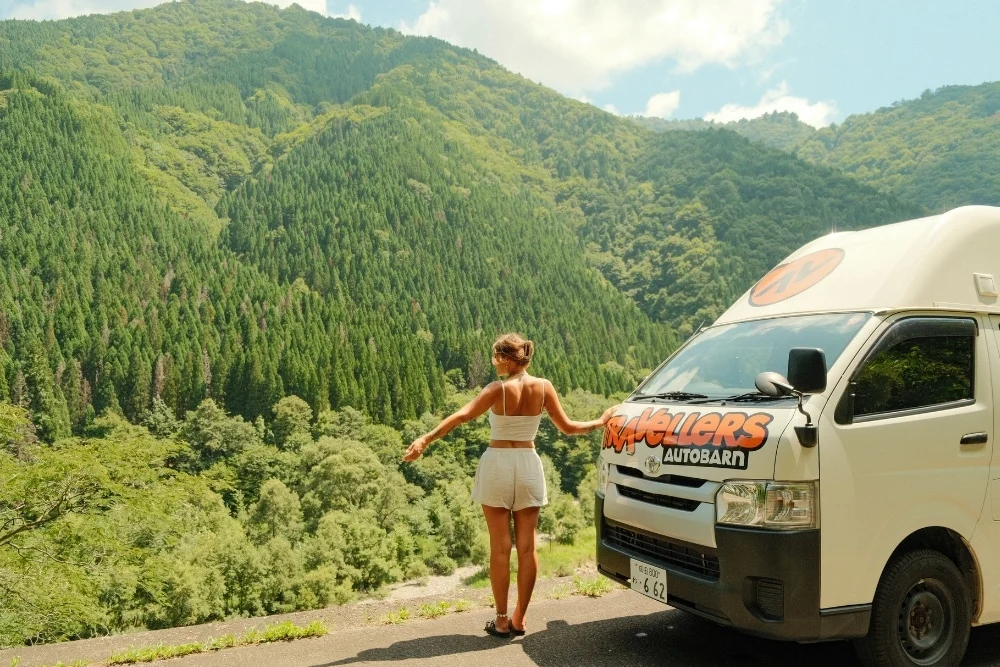
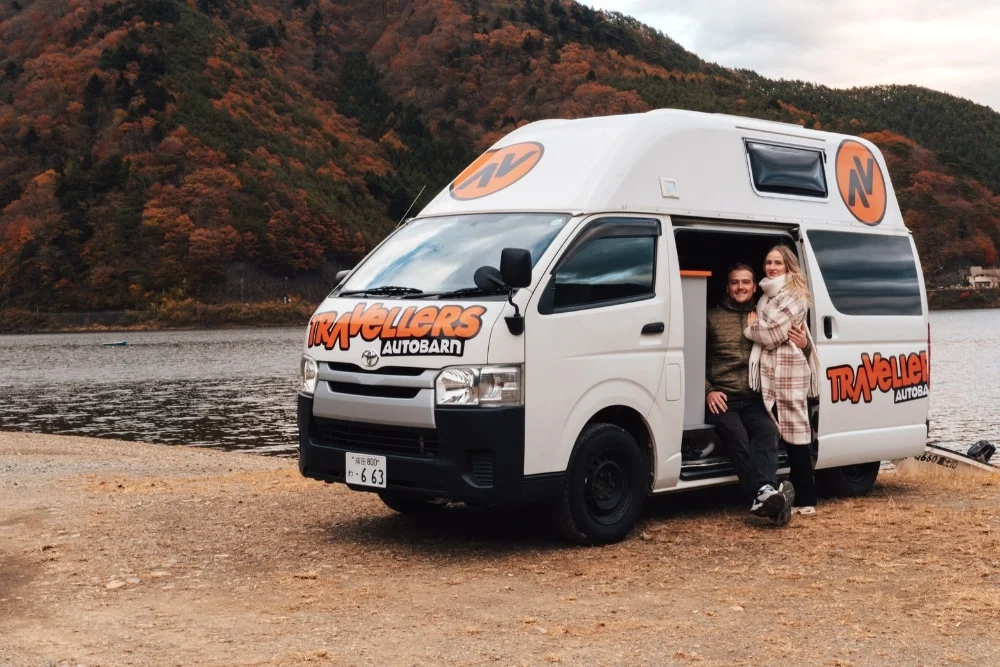
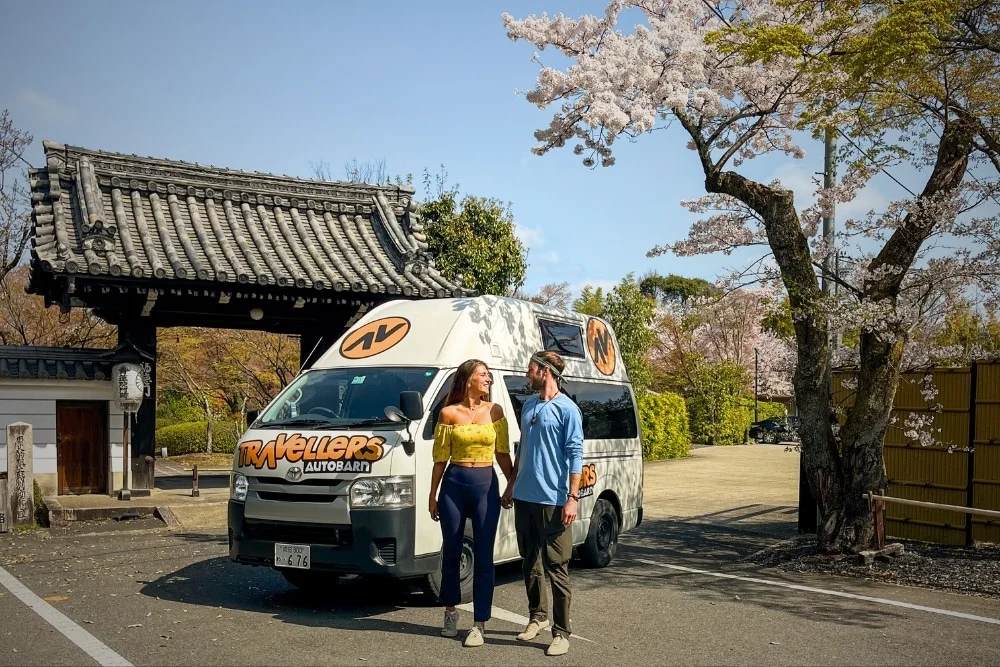
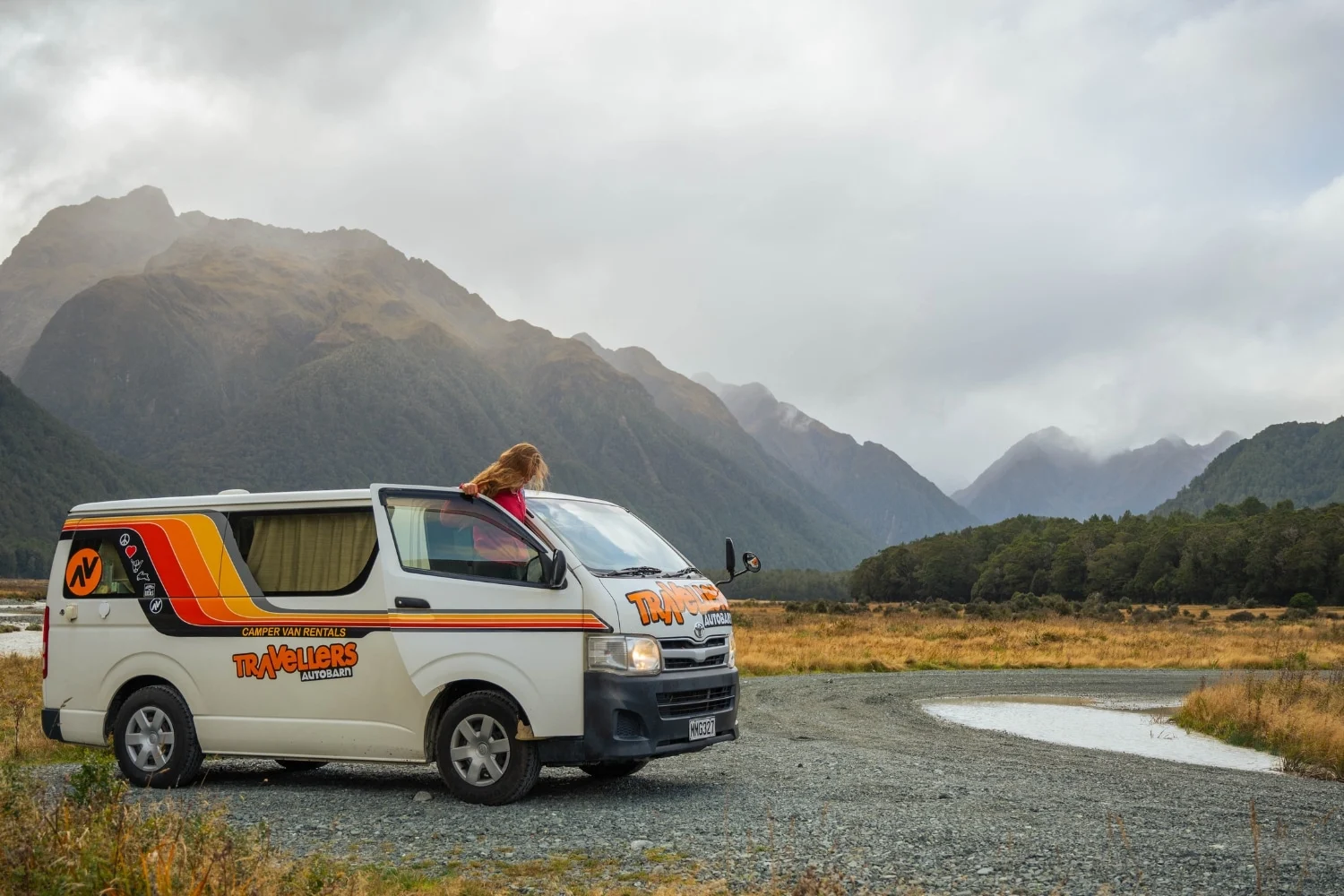
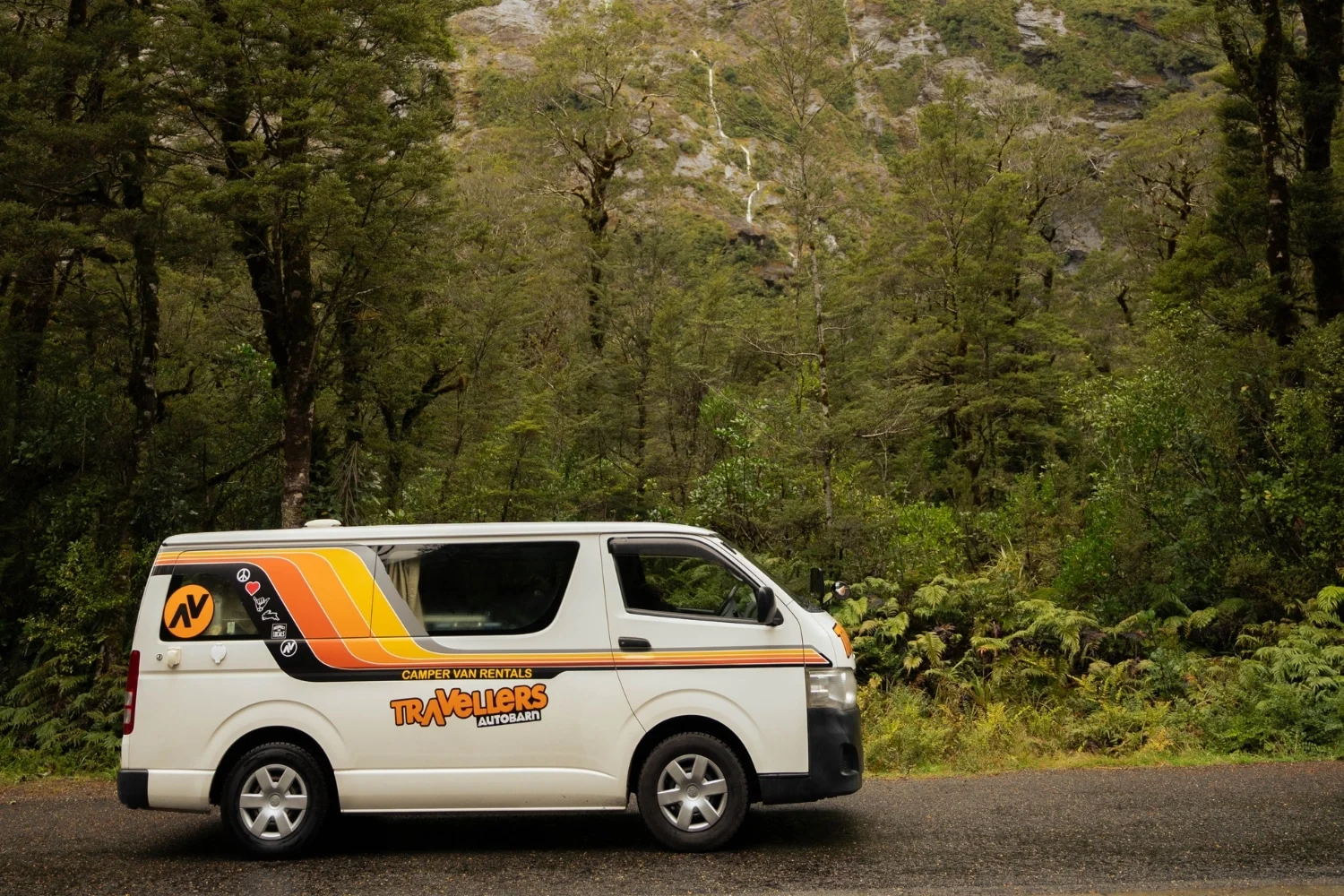
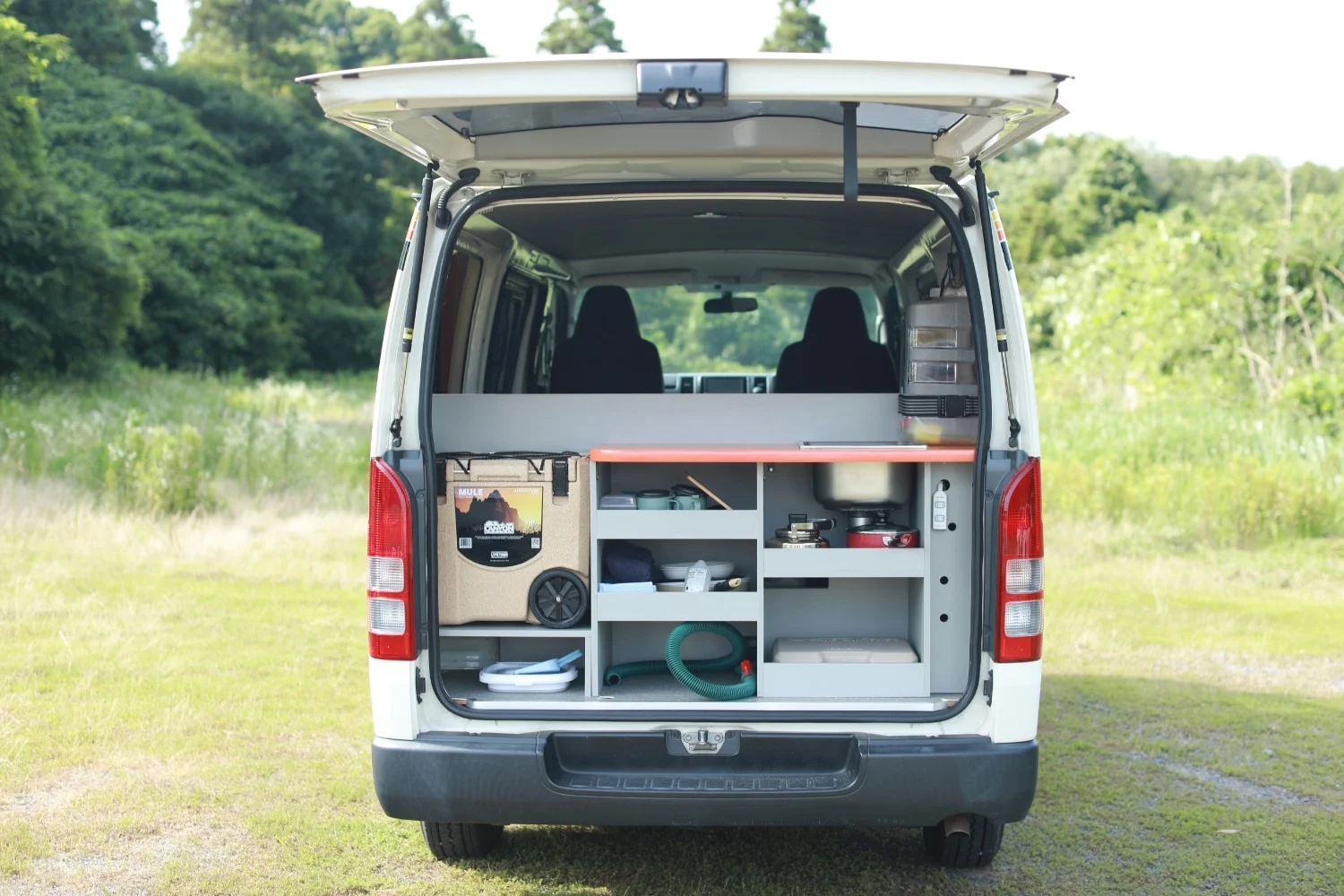
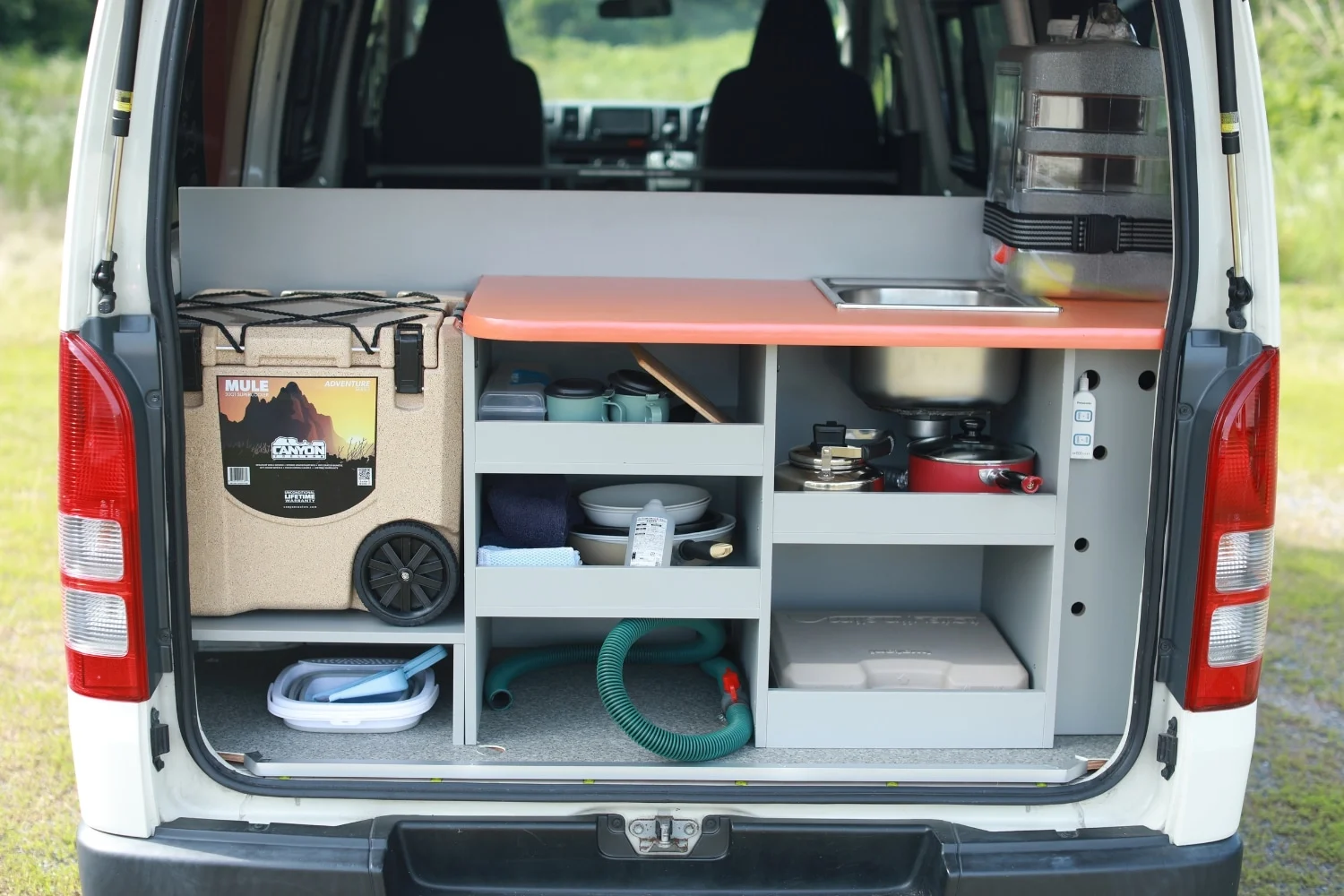
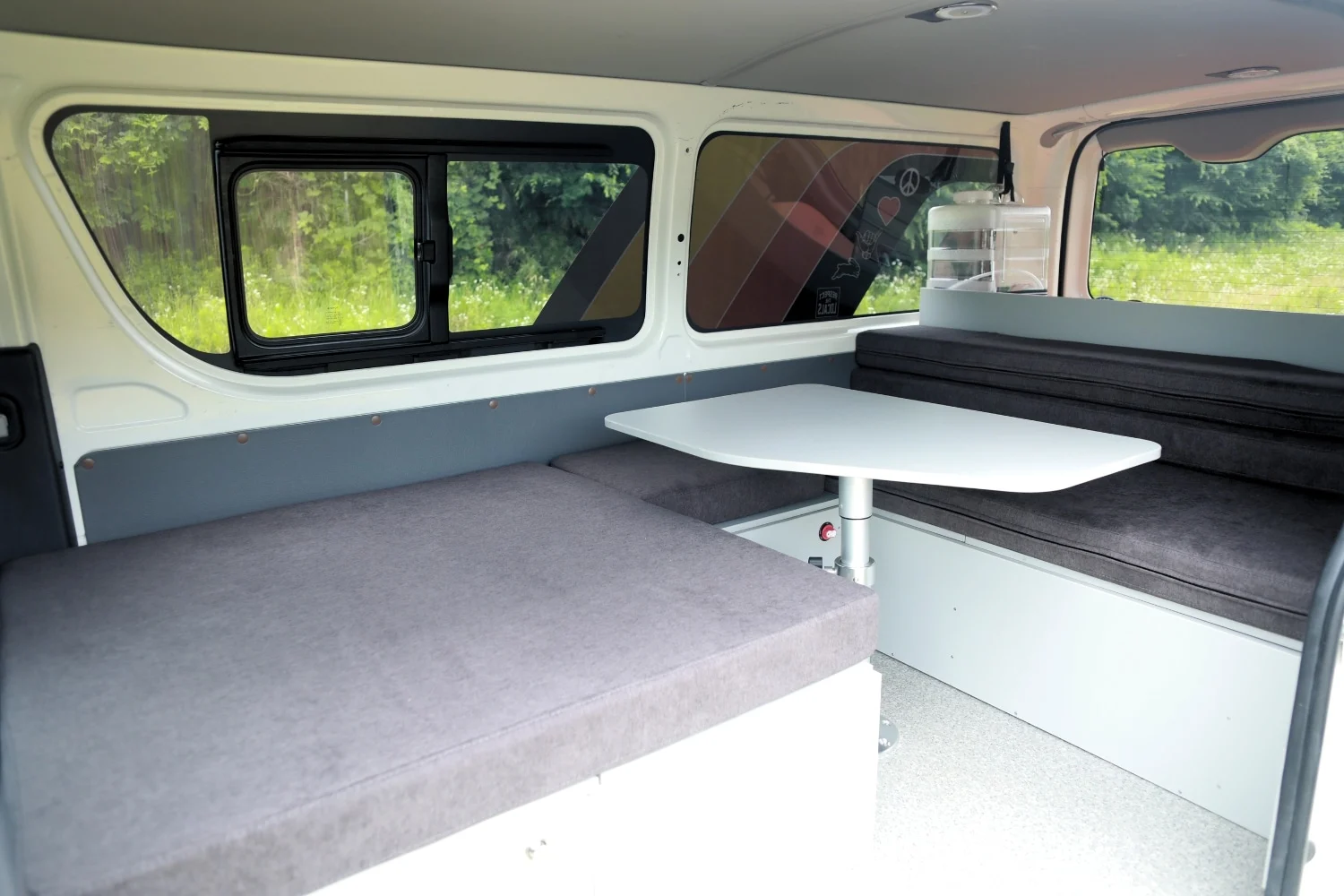
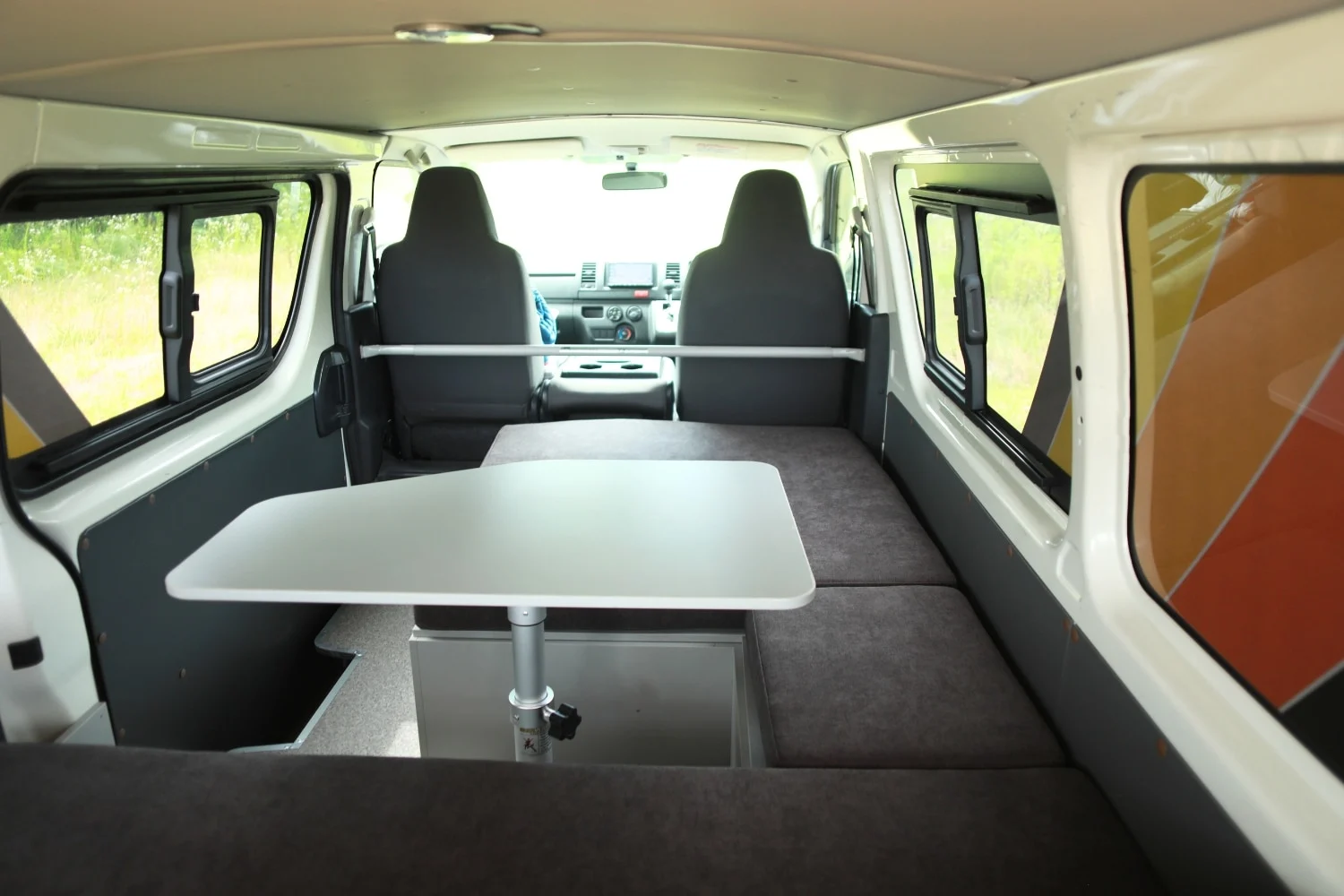
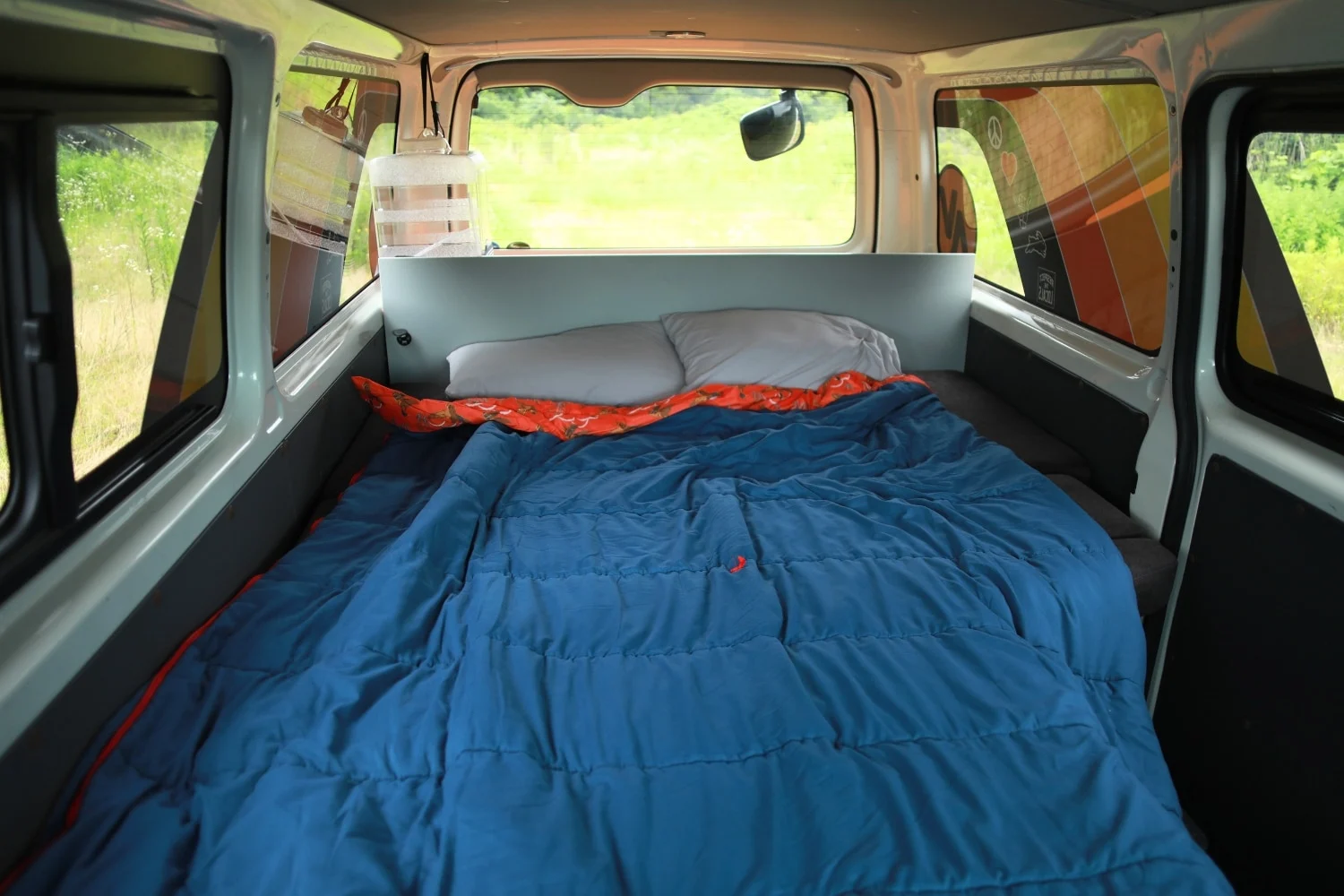
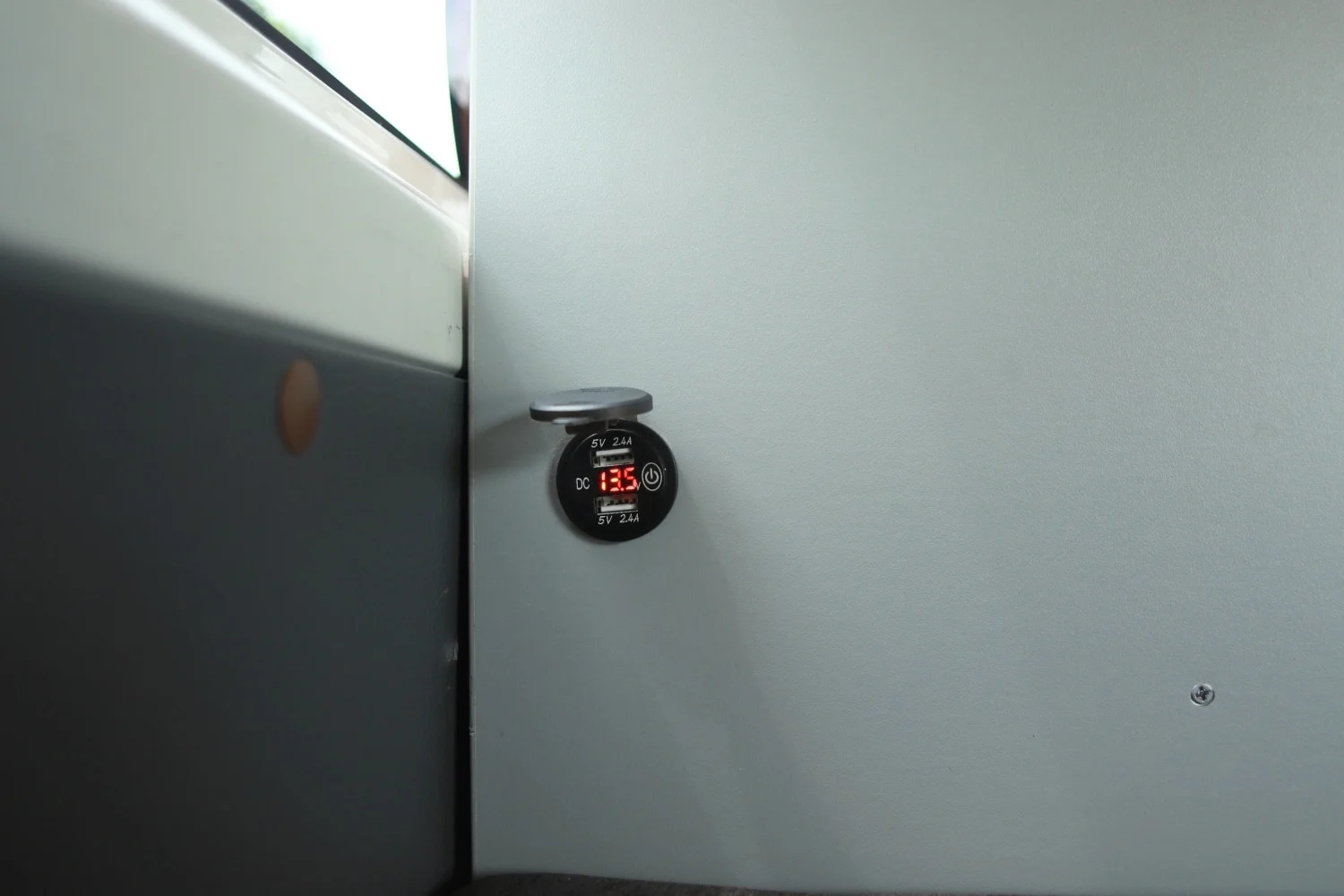
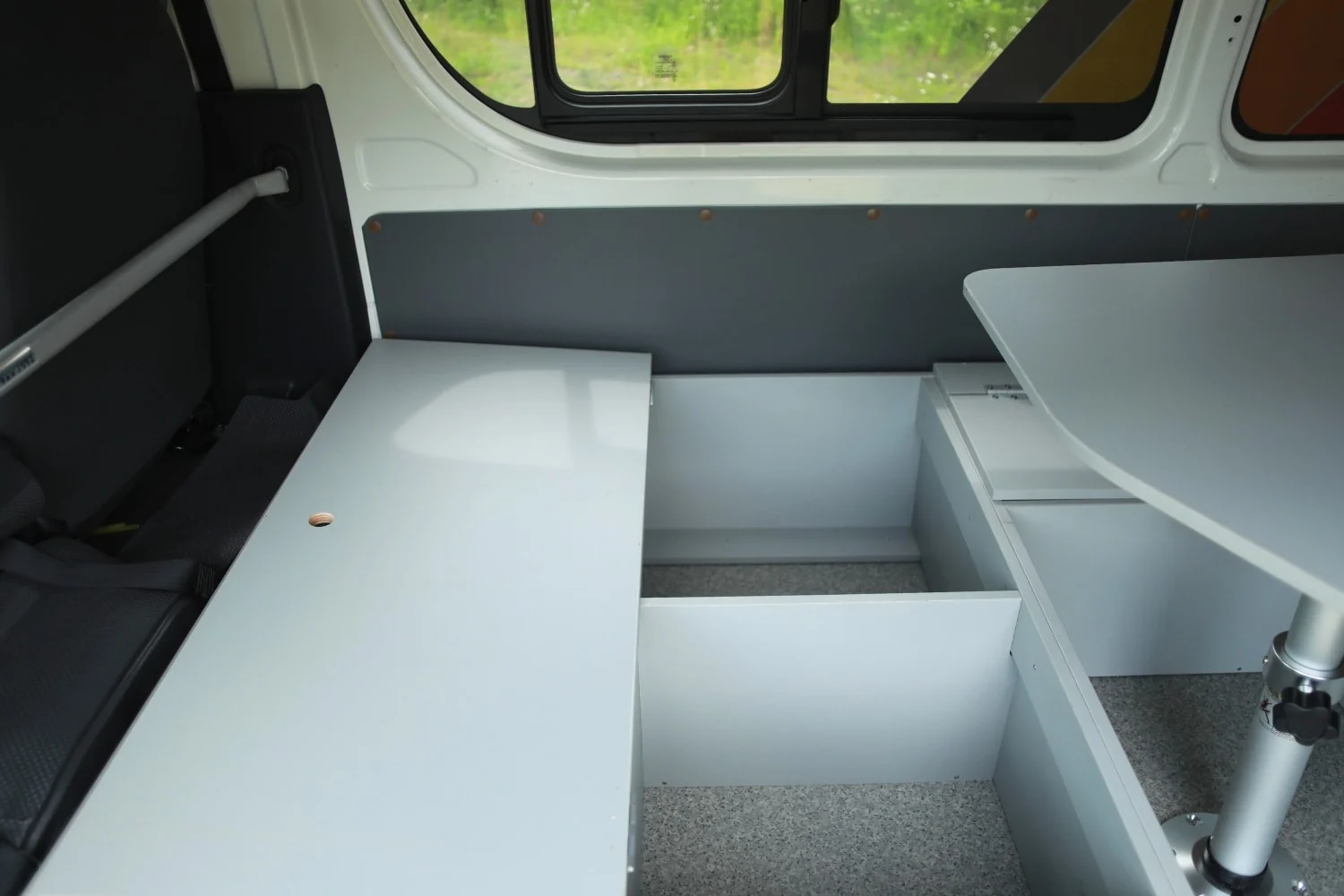
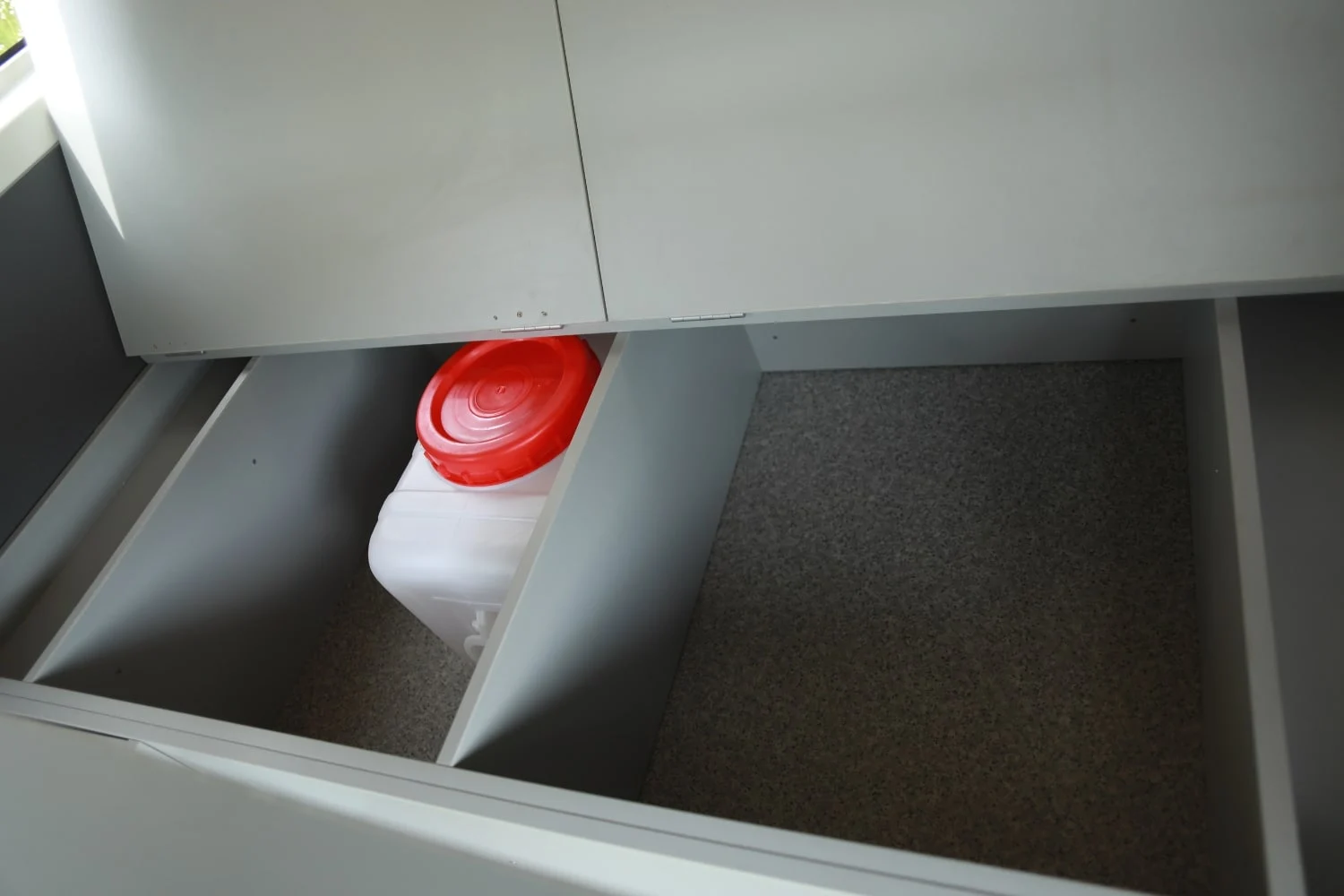
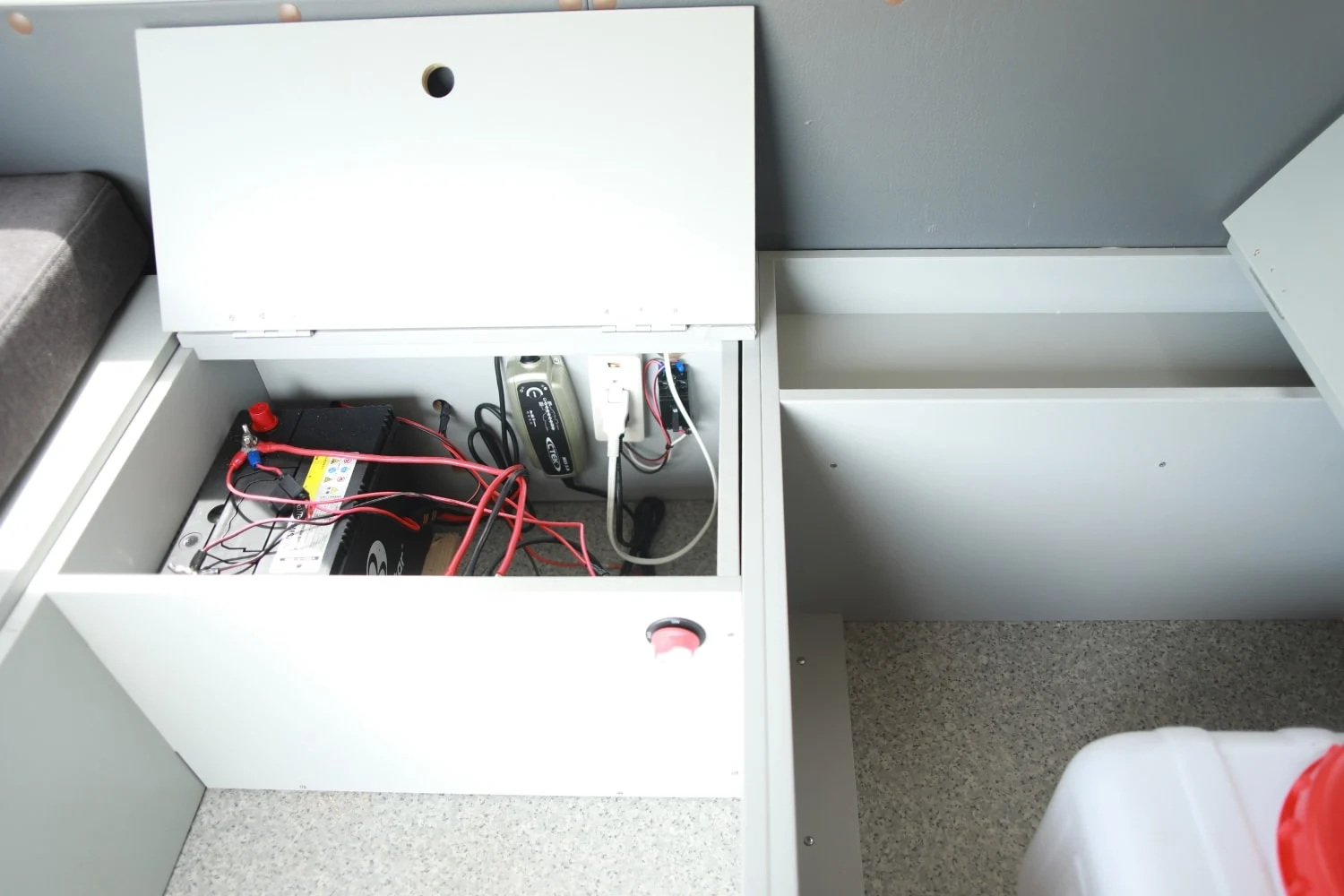
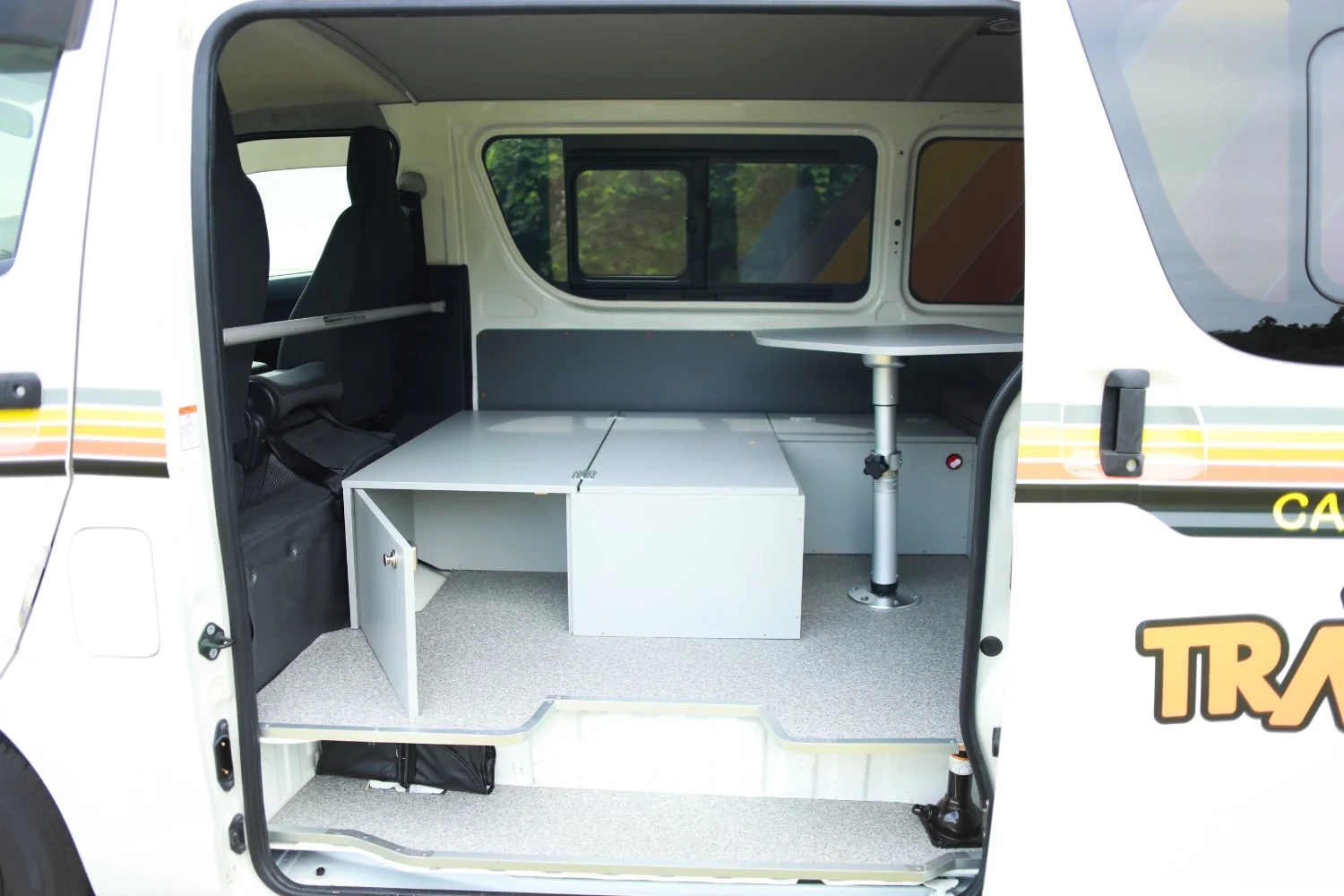
Discover a different side of Japan with a campervan road trip through Shikoku and Kyushu. From dramatic coastlines and historic hot springs to peaceful gardens and bustling food markets, these southern islands offer plenty of opportunities to explore beyond the usual tourist routes.
Travelling between November and February brings its own rewards, whether you’re admiring colourful autumn leaves, warming up in a traditional onsen or enjoying the first signs of spring. The milder coastal climate also makes this an appealing time to explore, as long as you’re prepared for changing winter conditions.
This 28-day itinerary takes you from Narita through Shikoku and Kyushu, combining unforgettable destinations with scenic drives and ferry crossings along the way.
Practical Tips for Your Shikoku and Kyushu Campervan Trip
A little preparation will help you make the most of your road trip. Keep these seasonal highlights and practical tips in mind when planning your journey.
When to Visit
- November: Enjoy colourful autumn foliage at Ritsurin Garden and across Shikoku.
- December to January: Explore hot springs, scenic coastal routes and warming regional cuisine.
- February: See early plum blossoms at Dazaifu Tenmangu Shrine.
Campervan Travel Essentials
- Winter driving: Check road conditions daily, avoid routes affected by snow or ice and ask Travellers Autobarn Japan about winter tyre options.
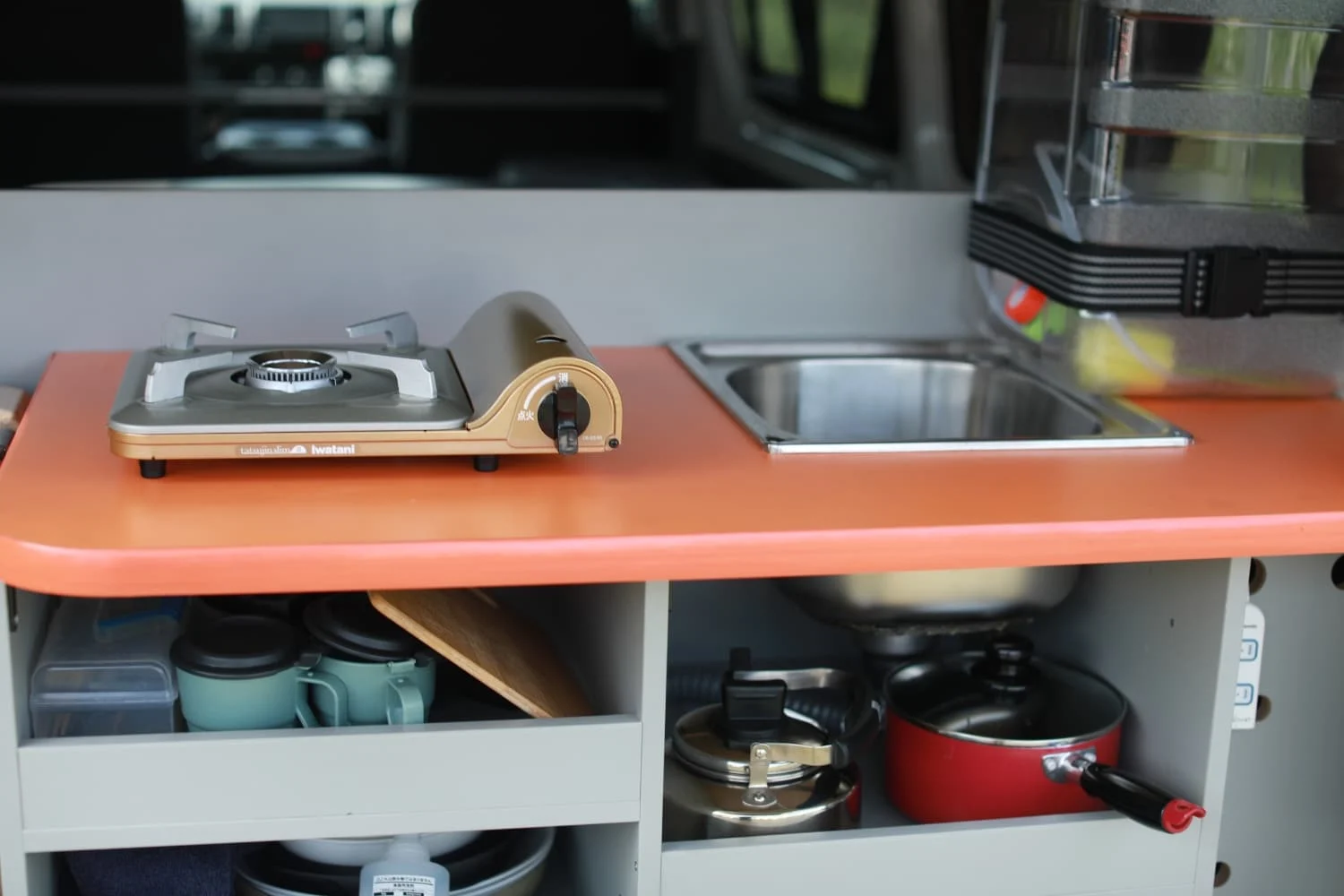
- Cold-weather preparation: Bring a warm winter jacket, and consider adding optional extras like an electric blanket or a portable heater to your van.
- Overnight parking: Use designated RV parks or campsites, such as those recommended throughout this itinerary. Book ahead and confirm winter opening dates, vehicle size limits and available facilities.
- Ferry bookings: Confirm vehicle dimensions, sailing schedules and availability before travelling. Some services don’t operate daily.
Short on time? You can complete the route in three weeks by shortening stops throughout Shikoku and Kyushu, although this will mean longer driving days and less time for sightseeing.
Check Full Itinerary Below↓


Days 1 to 3
Narita to Tokushima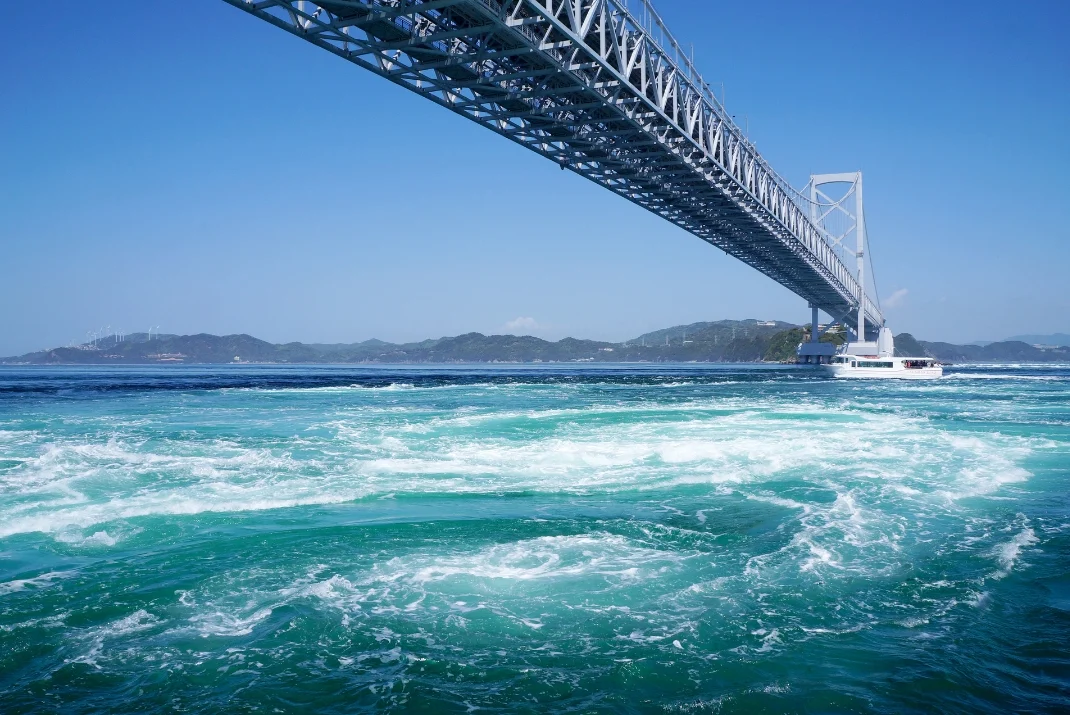
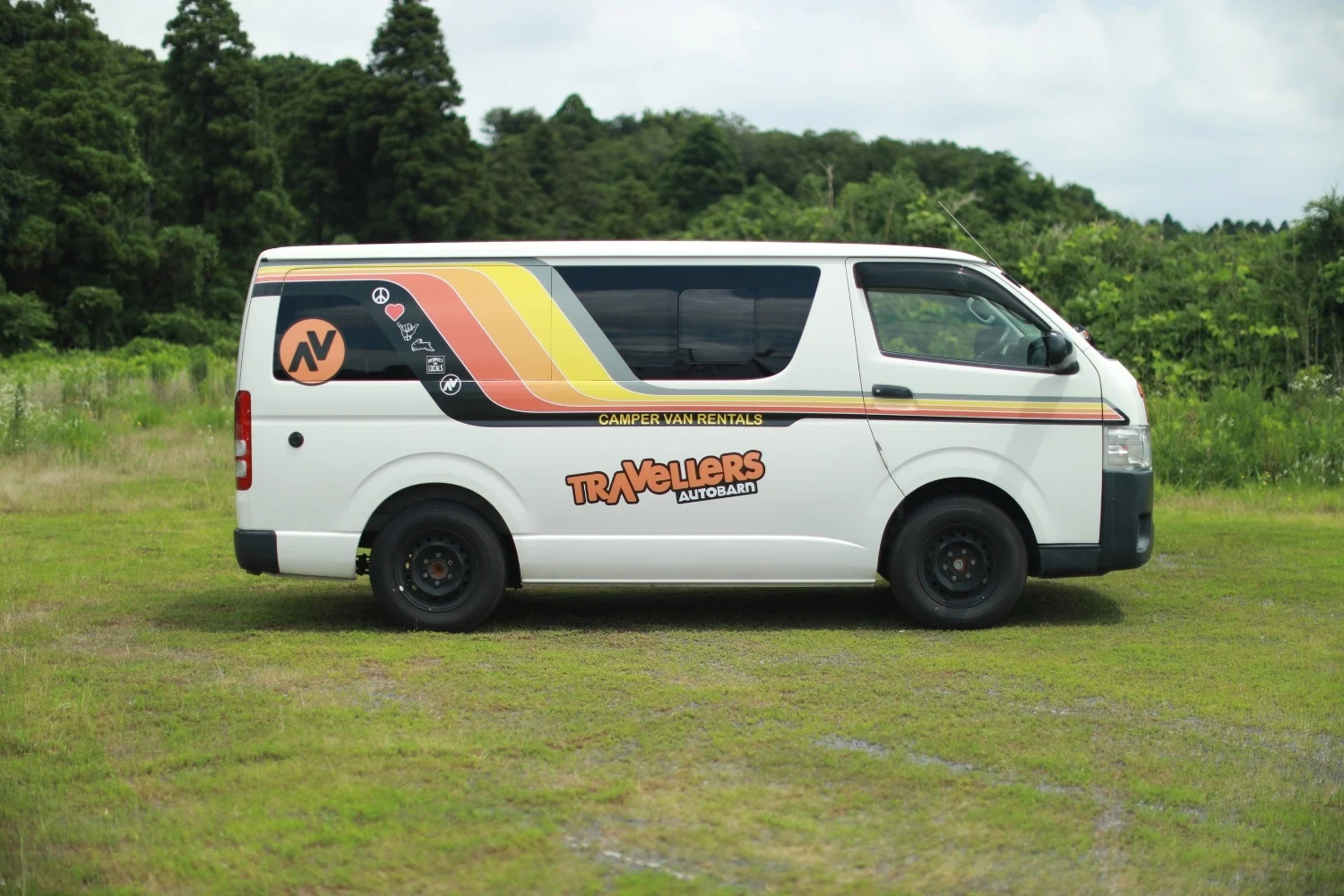
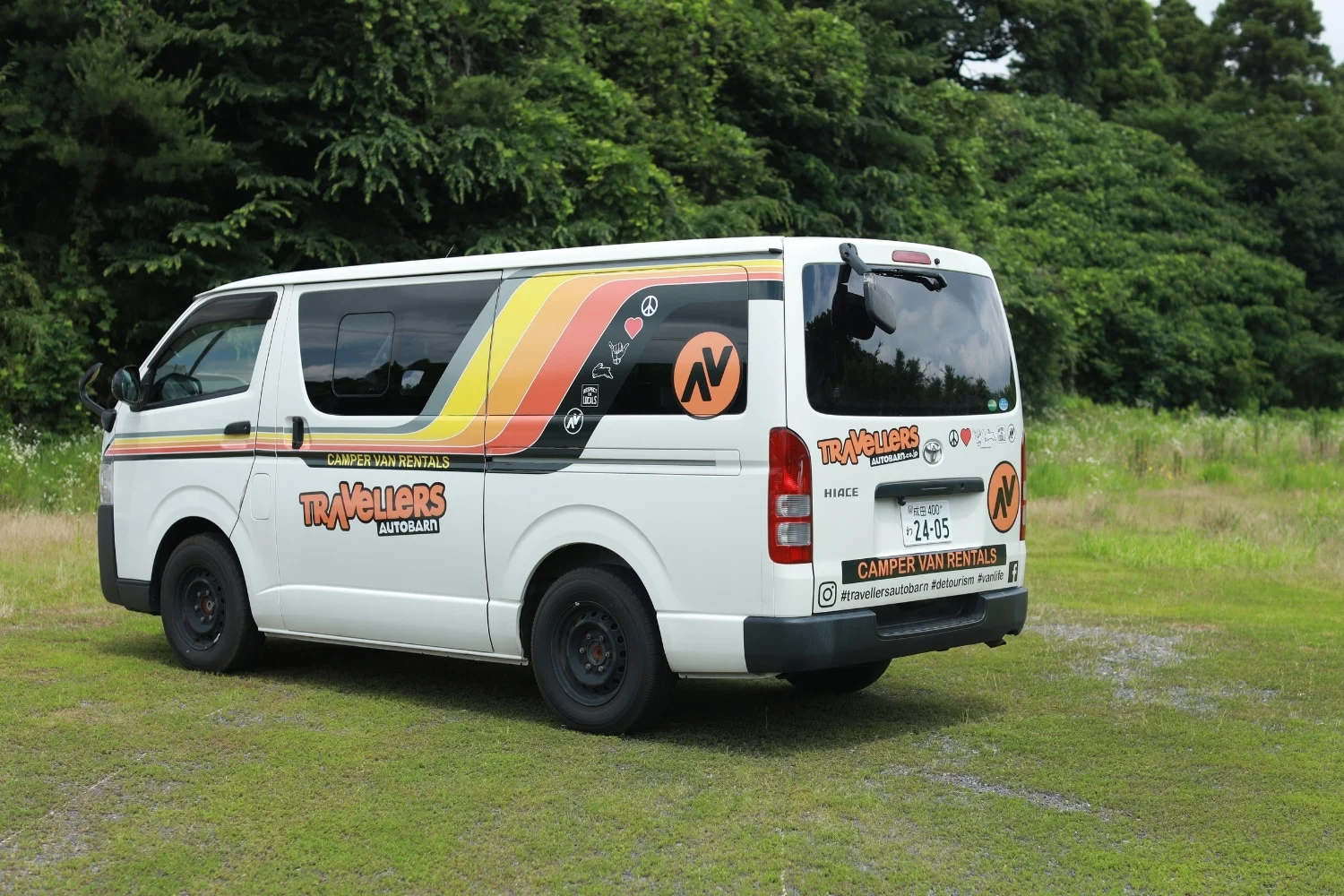
Kick things off by collecting your vehicle from Travellers Autobarn Japan’s Narita branch in Chiba Prefecture. This is a great starting point for your journey, with plenty of nearby shops where you can stock up on essentials.
Give yourself two days to travel west towards Shikoku, stopping overnight near Shizuoka and Kobe at designated campervan-friendly sites.
On Day 3, cross the Akashi Kaikyo Bridge to Awaji Island before continuing to Tokushima.
After arriving in Tokushima, visit the famous Naruto Whirlpools, where powerful tidal currents create swirling patterns in the water. Check the tide timetable beforehand for the best viewing opportunities.
Days 4 to 6
Tokushima and Kagawa for Autumn Colours and Sanuki Udon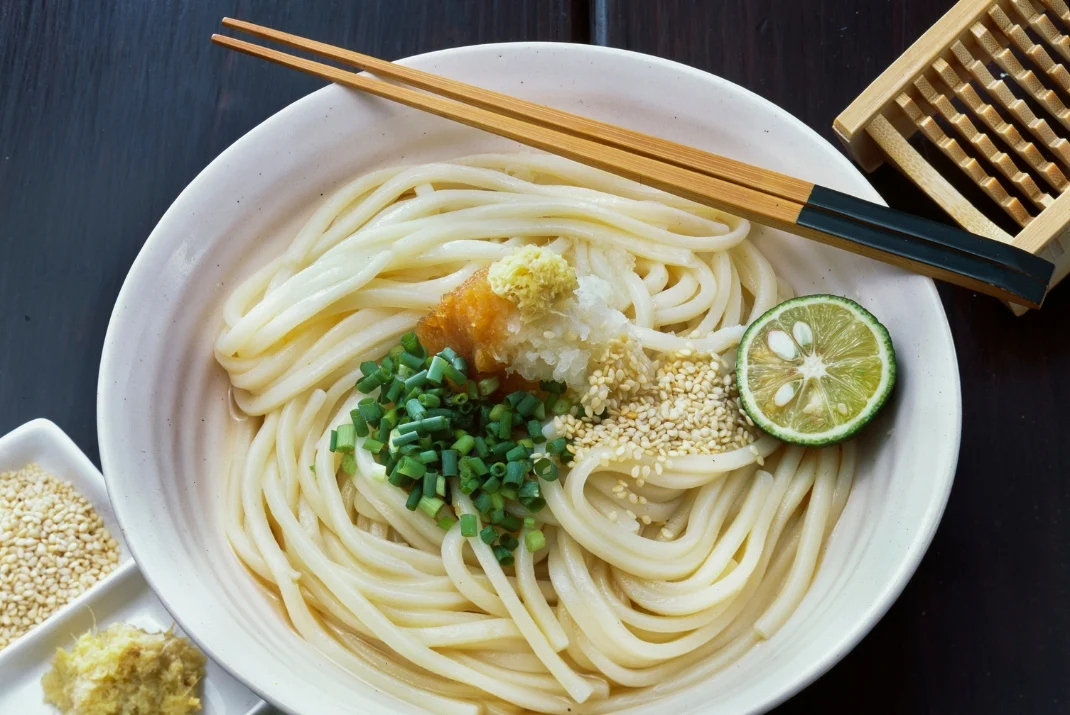
Start Day 4 with some more exploration of Tokushima before travelling north to Takamatsu in Kagawa Prefecture. If you’re visiting in November, make time for Ritsurin Garden, where colourful maple trees are reflected in peaceful ponds.
Kagawa is also famous for Sanuki udon, so be sure to sample these thick, chewy noodles at one of the region’s many restaurants.
For your overnight stops in the area, consider RVKUMON Park in Takamatsu. This campervan-friendly site offers electrical hook-ups, toilets, showers and laundry facilities, making it a convenient base for exploring the area.
Days 7 and 8
Ehime – Scenic Islands and Dogo Onsen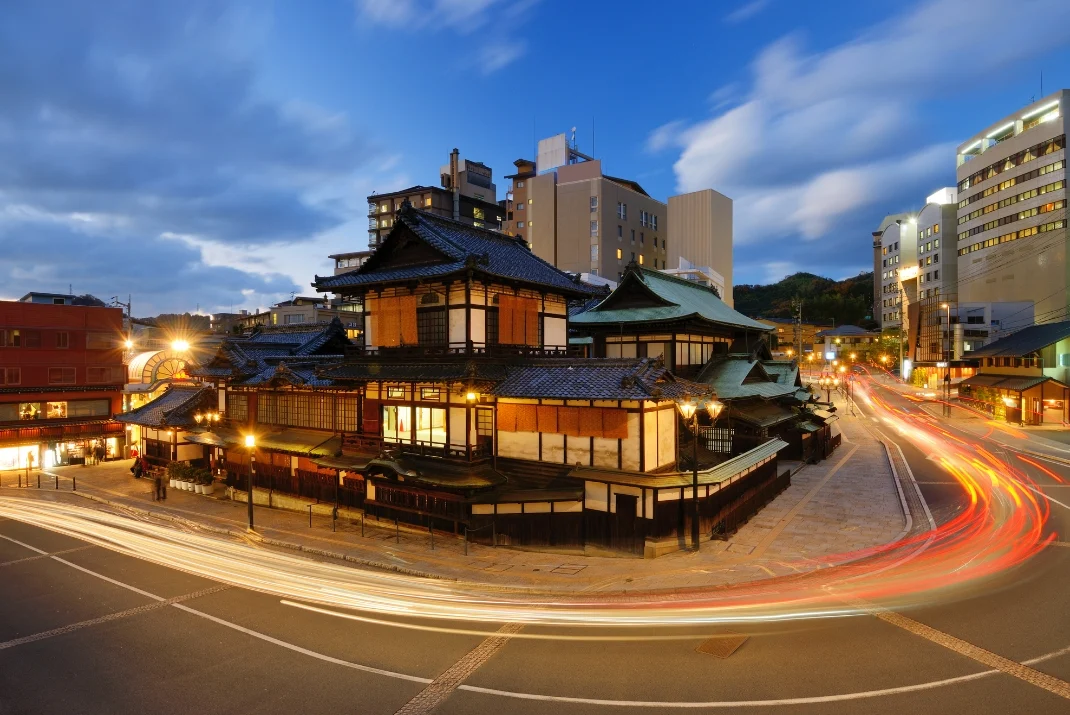
On Day 7, head west through Ehime Prefecture to Imabari, the Shikoku end of the Shimanami Kaido. This route links Shikoku and Honshu via a chain of bridges and islands. Drive out across part of it for excellent views over the Seto Inland Sea, then return to Imabari and continue south-west to Matsuyama.
In Matsuyama, visit Dogo Onsen, one of Japan’s most historic hot spring destinations. After a relaxing bath, explore the surrounding streets before heading to your overnight stop.
RV Park Ehime Matsuyama Okudogo is around a 10-minute drive from Dogo Onsen. This designated overnight site offers electrical hook-ups, with hot spring bathing facilities within walking distance.
Days 9 and 10
Kochi – Local Food and the Shimanto River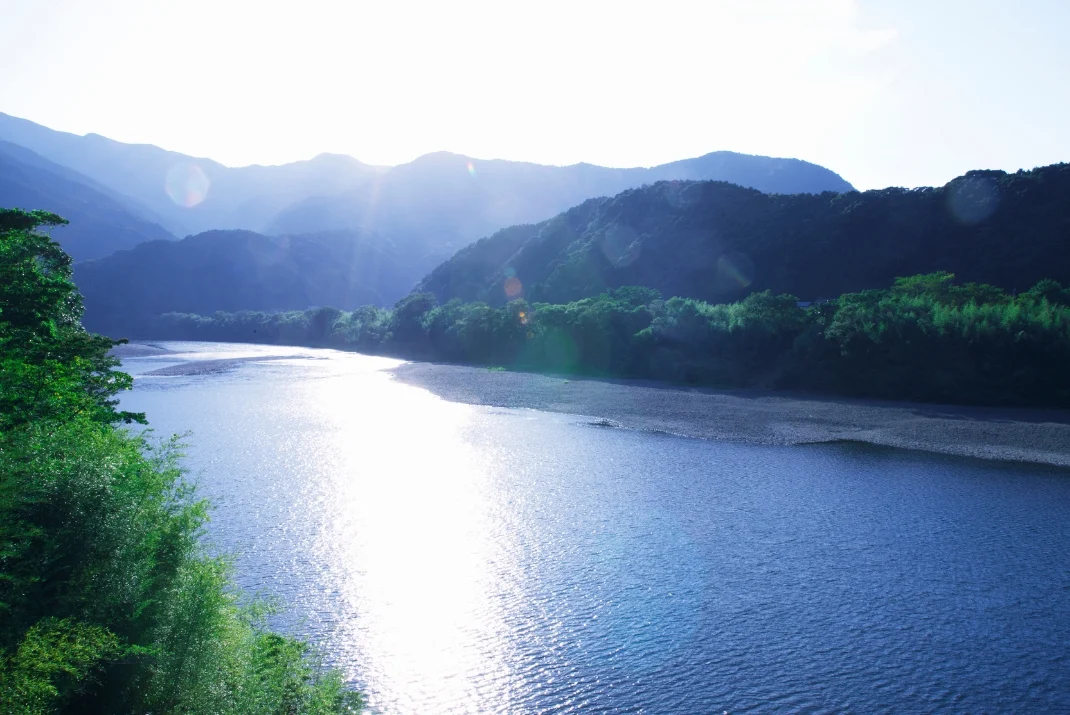
On Day 9, travel south towards Kochi. This journey crosses hilly terrain, so check road conditions carefully, particularly during December, January and February. Avoid mountain roads where snow or ice is possible and be prepared to adjust your route if the weather changes.
In the evening, visit Hirome Market to sample local dishes, particularly katsuo no tataki, a lightly seared bonito speciality. If you are in a larger campervan, refrain from parking at Hirome Market. Their parking lot is limited to vehicles below 2.2m in height, and the nearby Kochi Park Parking Lot is recommended for larger vehicles.
The following day, travel west towards the Shimanto River. Enjoy a relaxed drive through the countryside, stopping to admire the river’s famous low-water bridges.
Stay overnight near Shimanto before continuing towards Yawatahama, allowing time for the journey and your ferry check-in.
Day 11
Ferry from Shikoku to Kyushu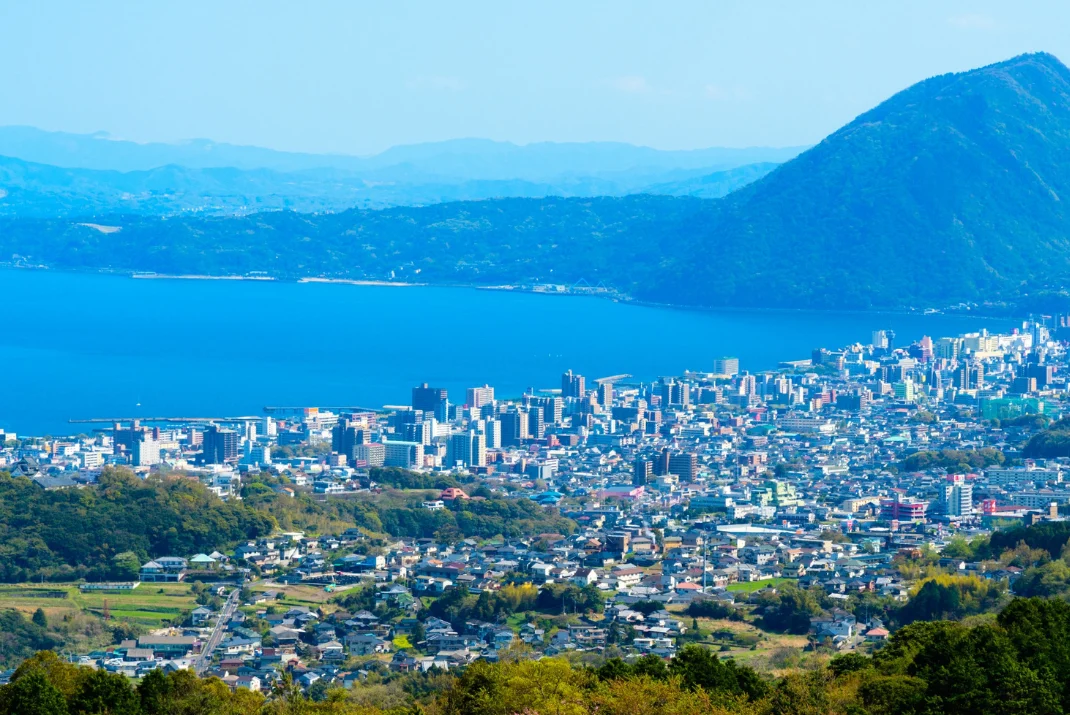
On Day 11, head to Yawatahama Port in Ehime and board the ferry to Usuki in Oita Prefecture. The crossing takes approximately 2 hours and 25 minutes, providing a welcome break from driving. To arrange your crossing:
- Check the Uwajima Unyu Ferry timetable and reserve a vehicle space.
- Provide your vehicle’s dimensions and registration details, and arrive before the operator’s check-in deadline.
Once in Usuki, explore its historic streets or continue to Beppu for your overnight stay.
Days 12 to 14
Oita – Relaxing in Beppu's Hot Springs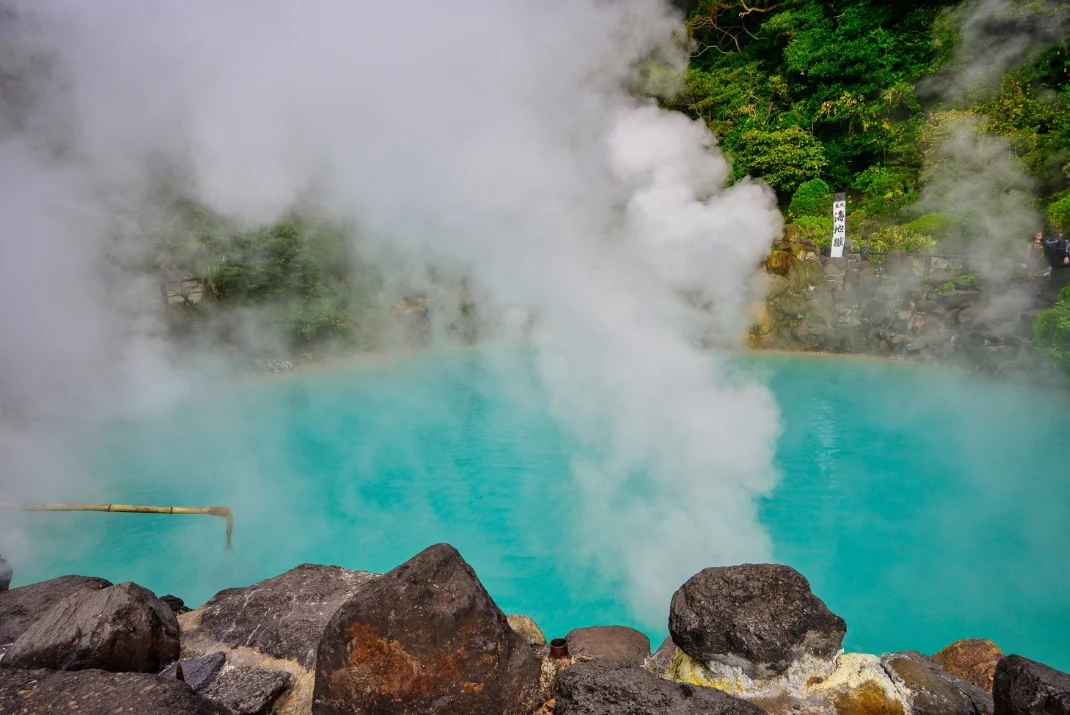
Beppu is one of Japan’s best-known hot spring destinations, making it an ideal place to spend several days. Visit the colourful geothermal pools known as the Hells of Beppu, then enjoy a traditional onsen bath at a separate bathing facility.
December and January are particularly appealing for hot springs and warming regional dishes.
For overnight parking, RV Park Kamegawa Marina Terrace is an excellent option in coastal Beppu. It offers electrical hook-ups and access to an on-site natural hot spring.
Be sure to arrive before the 5pm check-in deadline. The RV park also recommends following its own arrival directions, as the entrance cannot be accessed directly from the coastal road.
Days 15 to 17:
Miyazaki – Coastal Scenery and Local Cuisine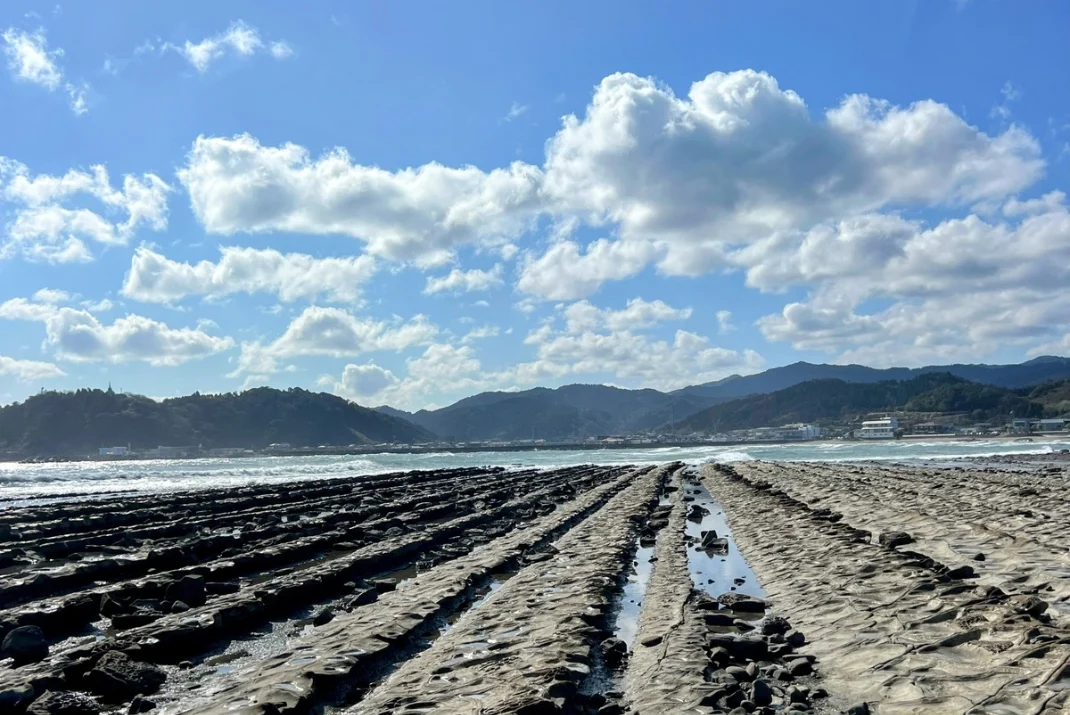
On Day 15, continue south towards Miyazaki, following major roads through the coastal regions of eastern Kyushu. Stop near Hyuga for sea views before reaching Aoshima Shrine, situated on a small island surrounded by unusual rock formations known as the Devil’s Washboard.
Leave your campervan on the mainland and take a leisurely walk across to the shrine, enjoying views of the unusual rock formations along the way.
Afterwards, explore the surrounding coastline, stopping at quiet beaches and scenic viewpoints. When you’re ready for something to eat, try Miyazaki’s famous charcoal-grilled chicken, a local speciality packed with flavour.
With two or three nights in the area, you’ll have plenty of time to discover more of Miyazaki’s coastal attractions without feeling rushed.
For an overnight stay near the coast, consider Aoshima Picnic Club RV Park. Located close to the beach, it offers electrical hook-ups and easy access to the surrounding attractions. Book ahead and check the latest arrival requirements before travelling.
Days 18 to 21
Kagoshima – Volcanoes and Sand Baths
On Day 18, continue south to Kagoshima, where the striking Sakurajima volcano dominates the skyline. Spend time exploring the city and enjoying local dishes such as Kurobuta pork shabu-shabu, particularly satisfying during winter.
From Kagoshima, head south to Ibusuki, a coastal town famous for its natural hot sand baths. This unique experience involves lying in naturally heated volcanic sand while attendants gently cover your body. Afterwards, you can wash off and enjoy a soothing soak in a traditional hot spring bath.
Sunamushi Kaikan Saraku is a popular place to try this experience, although sand bathing is subject to operational conditions and scheduled closures. Check availability and maintenance dates before making the journey.
For your night near Ibusuki, consider Kyukamura Ibusuki Eco Campsite. This coastal campsite offers powered pitches and space to park beside your pitch. Check availability for your travel dates and confirm your campervan’s dimensions before booking.
Days 22 to 25
Kumamoto and Fukuoka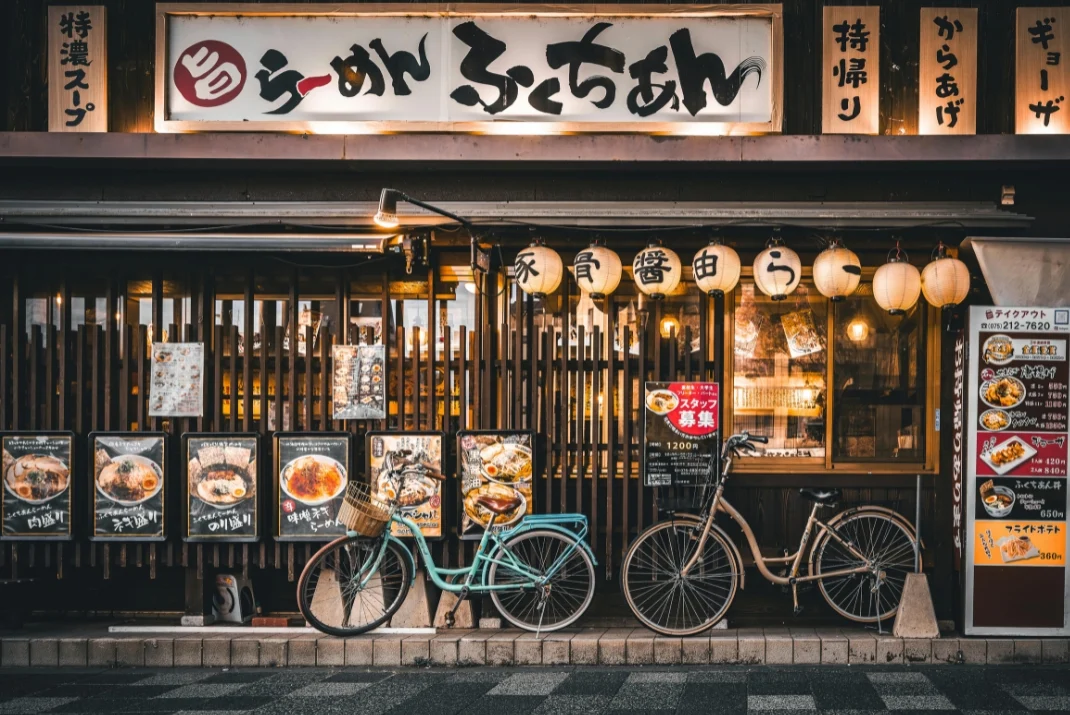
From Kagoshima, travel north towards Kumamoto, following the main roads along western Kyushu. Spend some time exploring Kumamoto Castle, one of Japan’s most impressive historic landmarks, before stopping for a meal featuring local Akaushi beef. Kumamoto Castle is sometimes closed due to bad weather, so be sure to check the forecast and the official website before your visit.
Continue north to Fukuoka, where you’ll find a lively mix of historic attractions, shopping streets and excellent food. If you’re visiting in February, make time for Dazaifu Tenmangu Shrine, where thousands of plum trees begin to bloom, offering a beautiful first glimpse of spring.
In the evening, head into Fukuoka to experience its famous yatai food stalls. These small, open-air eateries are a great place to sample local favourites, including rich Hakata-style tonkotsu ramen.
For a more relaxed stay, book a designated campervan-friendly site outside Fukuoka’s busy city centre. Check public transport connections before booking so you can leave your campervan parked while exploring the city.
Days 26 to 28
Return to Narita by Ferry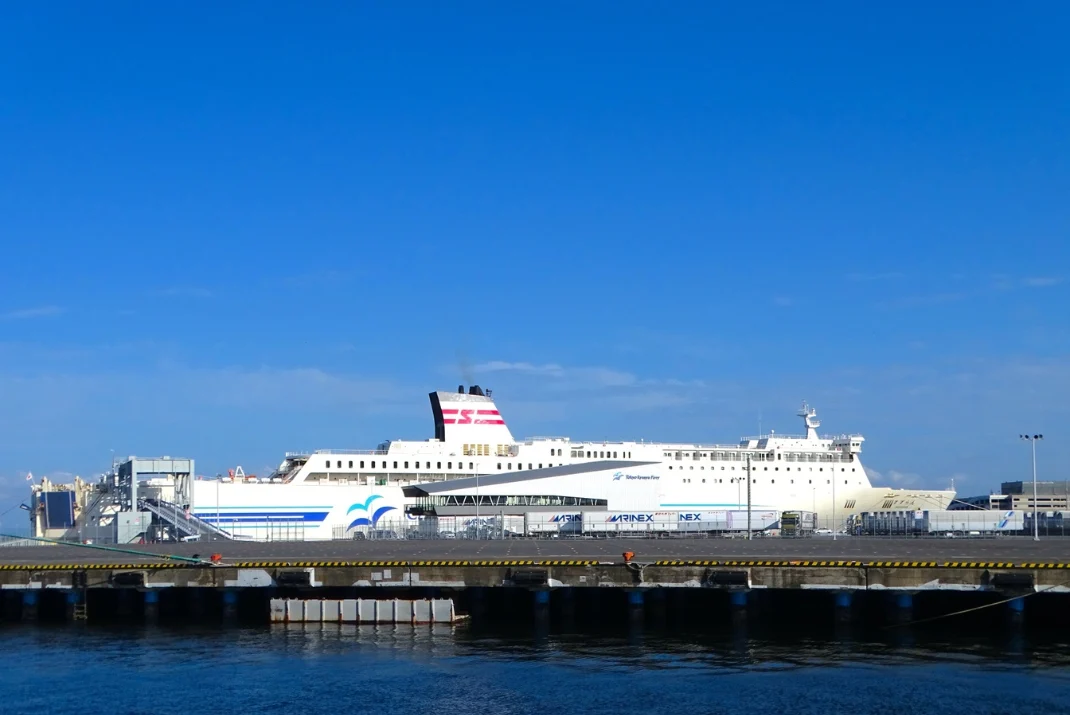
Begin your return journey by driving to Shin-Moji Port near Kitakyushu, where you’ll board the Tokyo-Kyushu Ferry to Yokosuka.
The ferry normally departs at 11:55pm, so you’ll have time to enjoy a final day in Fukuoka before making your way to the terminal, but be sure to double-check your departure time as it sometimes differs depending on the month.
The crossing takes approximately 21 hours, with restaurants, lounges and bathing facilities available onboard. Reserve your campervan’s vehicle space in advance and arrive at least an hour before departure. Allow extra time during holiday periods and check for changes to the sailing schedule.
You’ll arrive in Yokosuka the following evening. Rather than continuing to drive late at night, arrange an overnight stop nearby.
The next morning, head to Kurihama Port and take the Tokyo Wan Ferry to Kanaya in Chiba Prefecture. The crossing takes around 40 minutes, with vehicles generally boarded on a first-come, first-served basis.
From Kanaya, follow the main roads towards Narita, allowing extra time for traffic and refuelling. Remember that Travellers Autobarn Japan requires campervans to be returned before 3pm, Monday to Saturday, so plan your final ferry crossing accordingly.
Explore Shikoku and Kyushu with Travellers Autobarn Japan
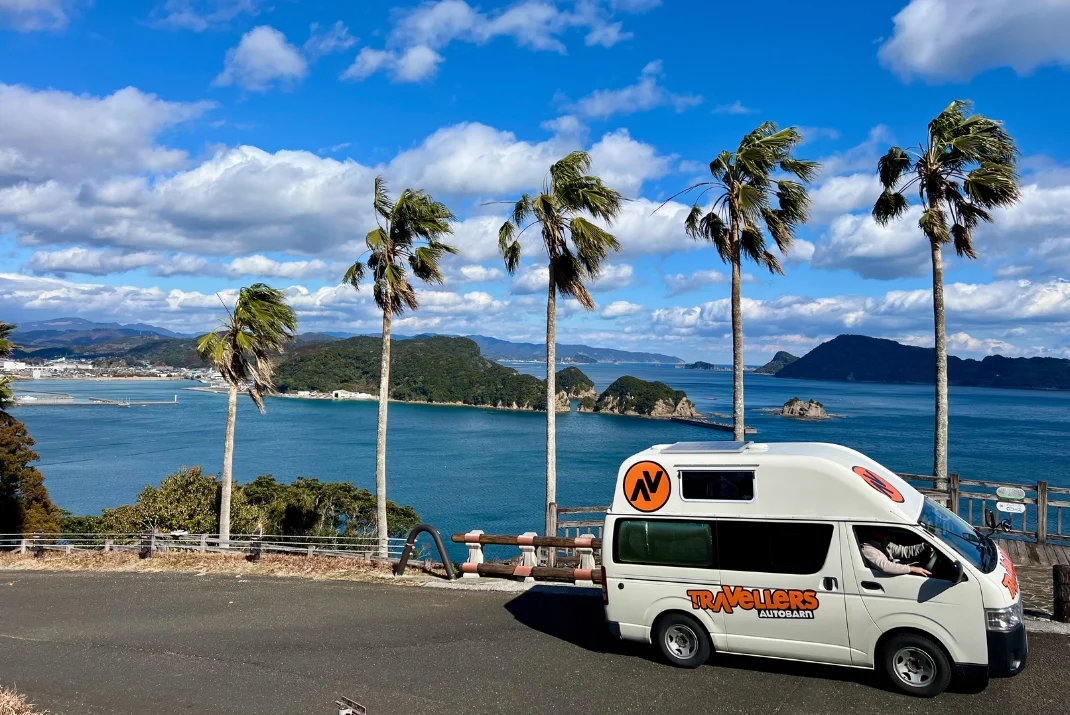
From autumn gardens and steaming hot springs to scenic coastlines and delicious regional cuisine, Shikoku and Kyushu offer something special throughout November to February.
With Travellers Autobarn Japan, you can explore these regions at your own pace, enjoying the freedom and flexibility of campervan travel.
Discover our campervan rental Tokyo options and start planning your next Japanese road trip.
Start your Japan Roadtrip with a Campervan!
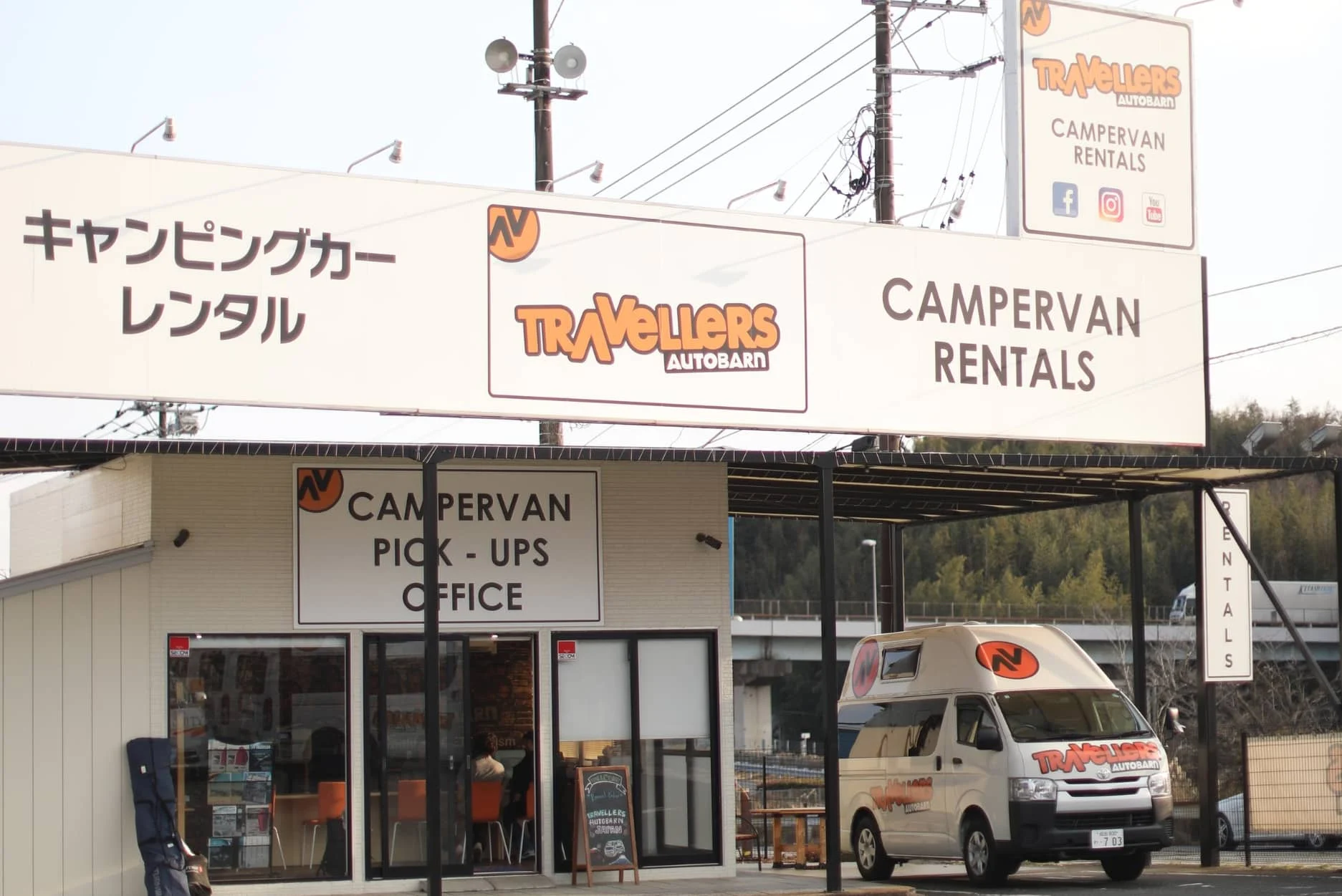
Check out some of our recommended Itinerary here:


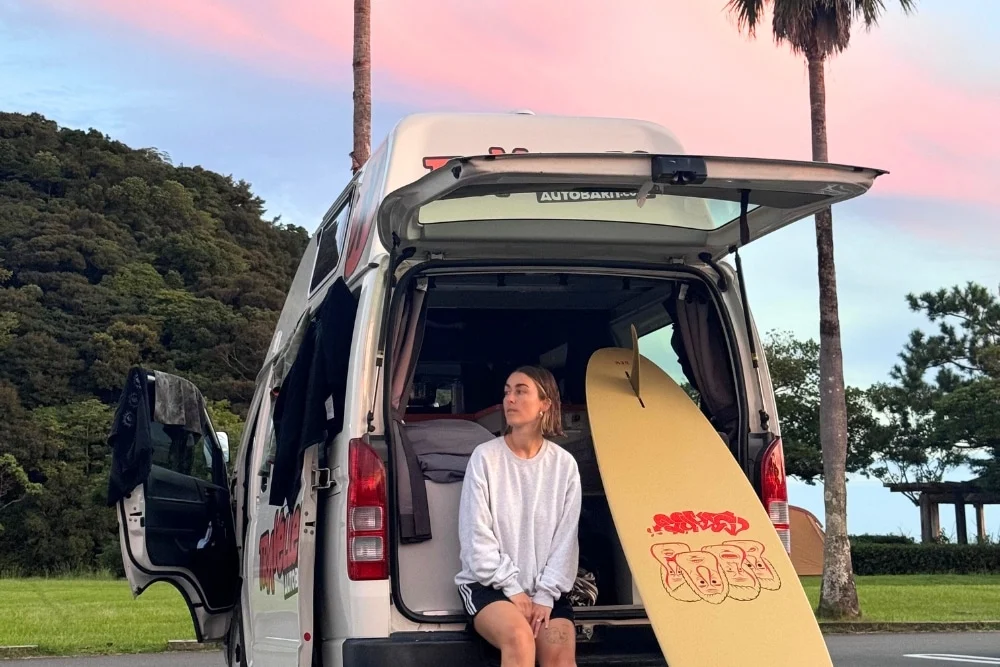

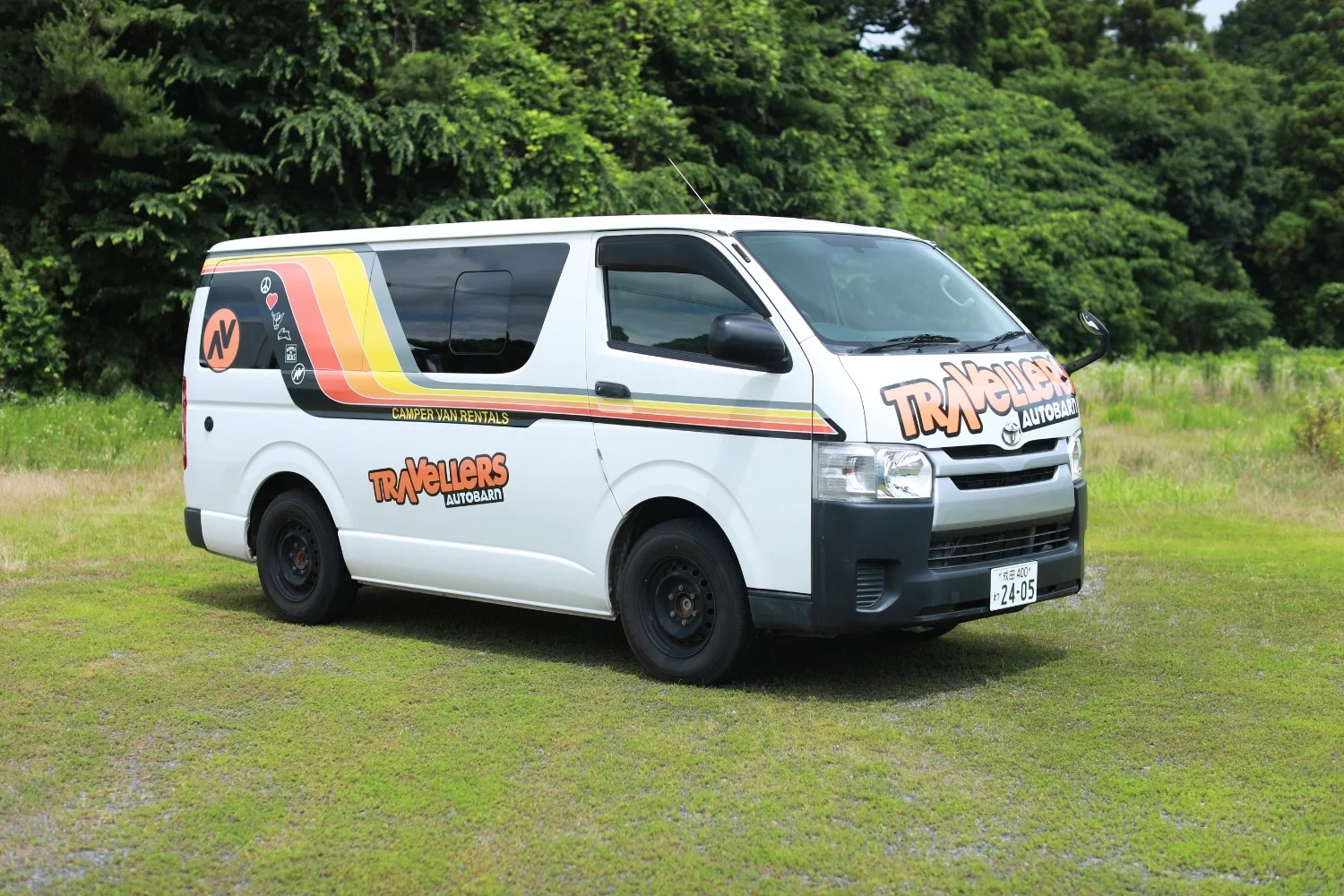
Our Campervans